Best Resume Format for Mechanical Engineers (ATS-Friendly Examples)
A complete guide to choosing the best ATS-friendly resume format for mechanical engineers with fresher and experienced examples.
Overview
This guide explains the best resume format for mechanical engineers, covering fresher and experienced structures, recruiter expectations, ATS optimization tips, and common mistakes. Learn how to present skills, projects, and experience clearly to improve shortlisting chances.
A well-structured resume is one of the most important tools for mechanical engineers looking to secure interviews in today’s competitive job market. Recruiters and Applicant Tracking Systems (ATS) review hundreds of resumes, and even highly skilled engineers can be rejected if their resume format is unclear or poorly organized. Choosing the right resume format for mechanical engineer roles can significantly improve visibility, readability, and shortlisting chances.
Mechanical engineering resumes must balance technical expertise with clarity. Employers want to quickly identify your skills, experience, projects, and achievements without struggling through cluttered layouts. In this guide, you’ll learn the best resume formats for mechanical engineers, section-by-section breakdowns, examples for freshers and experienced professionals, and ATS-friendly tips to help you stand out.
Key Points
Chronological format is most recruiter- and ATS-friendly
Resume structure matters as much as technical skills
Freshers should emphasize projects and internships
Experienced engineers should focus on quantified achievements
ATS systems reject resumes with poor formatting
Skills must align with job descriptions
Functional resumes have limited recruiter acceptance
Projects demonstrate real-world problem-solving ability
Simple formatting improves readability
Resume optimization increases interview chances
What Recruiters Look for in a Mechanical Engineer Resume
When recruiters review a mechanical engineer resume, they look beyond academic qualifications and technical degrees. While education is important, hiring managers are primarily interested in how candidates apply their knowledge in real-world situations. Recruiters want evidence of practical skills, problem-solving ability, and the potential to contribute effectively from day one.
One of the first things recruiters assess is core mechanical engineering skills. These include areas such as design, manufacturing processes, maintenance, quality control, and system optimization. Clearly listing relevant technical competencies helps recruiters quickly determine whether a candidate matches the role requirements.
Hands-on experience is another critical factor. Recruiters value practical exposure gained through full-time roles, internships, industrial training, or academic projects. Even for fresh graduates, well-documented projects can demonstrate the ability to apply theoretical knowledge to real engineering problems. Describing responsibilities, tools used, and outcomes adds credibility to your experience.
Familiarity with industry tools and software is also highly important. Proficiency in tools such as AutoCAD, SolidWorks, CATIA, or simulation and analysis software shows that a candidate is industry-ready and can integrate smoothly into engineering workflows.
Finally, recruiters pay close attention to resume structure and readability. A clear, logical layout that is easy to scan helps recruiters quickly find key information. An effective resume format for mechanical engineer roles highlights relevant details upfront, uses standard headings, and avoids unnecessary information that can dilute impact. A well-structured resume increases the chances of shortlisting and interview selection.
Also Read : Resume Format for Engineering Students - Skills, Projects & ATS Tips
Best Resume Formats for Mechanical Engineers
Choosing the right resume format is an important step for mechanical engineers, as it directly affects how recruiters and Applicant Tracking Systems (ATS) review your profile. The ideal format depends on your experience level, career stability, and the type of role you are applying for. Among the available options, one format stands out as the most effective for most professionals.
The chronological resume format is the most widely recommended resume format for mechanical engineer roles. This format organizes work experience in reverse chronological order, beginning with your most recent position and moving backward. It allows recruiters to quickly see your career progression, job responsibilities, and growth over time.
The chronological format is best suited for experienced mechanical engineers who have a consistent work history and clear professional development. It is also a strong choice for candidates who have worked in relevant roles within the same industry, as it highlights stability and hands-on experience.
One of the biggest advantages of this format is clarity. Recruiters can easily verify your experience, understand your responsibilities, and assess your suitability for the role. Additionally, this format is highly preferred by ATS systems because it follows a standard structure with recognizable headings, making it easy to scan and parse.
However, the chronological resume format does have limitations. It may not be ideal for candidates with significant employment gaps or those transitioning into mechanical engineering from another field. Despite this, for the majority of mechanical engineers, the chronological format remains the safest, most professional, and most effective option for creating a strong and recruiter-friendly resume.
Functional Resume Format
The functional resume format places greater emphasis on skills and abilities rather than chronological work experience. Instead of listing jobs in detail, this format groups information by skill categories, such as technical expertise, engineering competencies, or problem-solving abilities. For some candidates, this approach can help shift attention away from limited or unconventional work histories.
This format is best suited for fresh graduates who have minimal professional experience or for individuals transitioning into mechanical engineering from another field. It allows candidates to highlight relevant technical skills, academic knowledge, training, and transferable abilities that may not yet be supported by long-term employment history.
One of the main advantages of the functional resume format is its ability to showcase technical skills clearly. For candidates who have strong knowledge in areas such as design software, manufacturing processes, or analysis tools, this format can present those strengths upfront. It also helps minimize gaps in employment or a lack of formal work experience by focusing less on job timelines.
However, there are notable drawbacks to this format. Many recruiters prefer experience-focused resumes and may find functional resumes less transparent. Because work history is not clearly outlined, recruiters can struggle to assess career progression and real-world application of skills. Additionally, Applicant Tracking Systems (ATS) often have difficulty reading and categorizing functional resumes, which can reduce the chances of passing initial screening.
For these reasons, the functional resume format should be used cautiously. While it can be helpful in specific situations, many employers still favor chronological or combination formats that clearly demonstrate both skills and experience.
Also Read : Sample Cover Letter for IT Internship (Freshers & Students)
Combination Resume Format
The combination format blends skills and work experience.
Best for:
- Mid-level mechanical engineers
- Professionals with strong skills and experience
Pros:
- Balanced presentation
- Flexible structure
Cons:
- Can become lengthy if not managed well
This resume format for mechanical engineer professionals works well when you want to emphasize both expertise and achievements.
Also Read : How to Sell a Product in an Interview (Step-by-Step Guide for Freshers)
Best Resume Format for Fresher Mechanical Engineers
Fresh graduates often worry about lacking experience, but the right resume format can highlight strengths effectively.
For freshers, the ideal resume format for mechanical engineer includes:
- Strong objective statement
- Education before experience
- Academic projects and internships
- Technical skills section
Recommended Structure for Freshers
- Header (Name, contact details)
- Career objective
- Education
- Academic projects
- Internships or training
- Technical skills
- Certifications
Projects play a crucial role for freshers and should clearly explain your role, tools used, and outcomes.
Also Read : Most Effective Resume Format (2026) | Ultimate Job Seeker Guide
Best Resume Format for Experienced Mechanical Engineers
Experienced professionals should prioritize work experience and achievements.
The best resume format for mechanical engineer professionals with experience includes:
- Professional summary
- Work experience section at the top
- Quantified achievements
- Industry-specific skills
Recommended Structure for Experienced Engineers
- Header
- Professional summary
- Work experience
- Key projects
- Skills
- Education
- Certifications
Recruiters expect results, so focus on impact rather than responsibilities.
Also Read : Is a Cover Letter and Application Letter the Same? Key Differences Explained
Section-by-Section Resume Breakdown
Resume Header
Your header should include:
- Full name
- Phone number
- Professional email address
- LinkedIn profile (optional)
Avoid unnecessary personal details such as age or marital status.
Professional Summary or Objective
A professional summary is ideal for experienced engineers, while freshers can use a career objective.
Example (Experienced):
Mechanical engineer with 6+ years of experience in HVAC systems, plant maintenance, and equipment optimization.
Example (Fresher):
Detail-oriented mechanical engineering graduate seeking an entry-level role to apply design and analytical skills.
This section sets the tone for the entire resume format for mechanical engineer applications.
Also Read : Google Resume Format: Craft a Resume That Gets Noticed
Skills Section
Your skills section should be clear and categorized.
Technical Skills:
- AutoCAD, SolidWorks, CATIA
- HVAC systems
- Manufacturing processes
- Quality control
Soft Skills:
- Problem-solving
- Team collaboration
- Communication
Avoid generic skills without relevance.
Work Experience
List experience in reverse chronological order.
Each role should include:
- Job title
- Company name
- Employment dates
- Achievements in bullet points
Example:
Improved production efficiency by 15% through equipment redesign.
Quantified results make your resume format for mechanical engineer roles more impactful.
Projects Section
Projects are critical, especially for freshers.
Include:
- Project title
- Objective
- Tools used
- Your role
- Outcome
Projects demonstrate practical application of knowledge.
Education
List:
- Degree name
- University
- Graduation year
Mention GPA only if strong or required.
Also Read : Resume Format for Hotel Management | Skills, Experience & Examples
Mechanical Engineer Resume Examples (Overview)
Fresher Example:
Focuses on education, academic projects, internships, and skills.
Experienced Example:
Highlights work history, achievements, leadership, and advanced tools.
Both examples follow a clean resume format for mechanical engineer roles and are ATS-friendly.
Also Read : UK CV Format Template | Create a Professional Resume That Stands Out
ATS-Friendly Resume Tips for Mechanical Engineers
ATS systems scan resumes before recruiters see them. To pass ATS screening:
- Use standard headings (Experience, Skills, Education)
- Avoid tables, graphics, and images
- Match keywords from job descriptions
- Use simple fonts
- Save resumes as PDF or Word (as requested)
An ATS-optimized resume format for mechanical engineer applications increases shortlisting chances significantly.
Also Read : Single Page Resume Format: Craft a Concise and Impactful CV
Common Resume Mistakes Mechanical Engineers Should Avoid
Common mistakes include:
- Overloading resumes with technical jargon
- Poor formatting and alignment
- Missing keywords
- Submitting the same resume for every job
Tailoring your resume format for mechanical engineer roles to each job description is essential.
Also Read : Which CV Format Is Best for UAE? Complete Guide for Job Seekers
Final Thoughts
Choosing the right resume format for mechanical engineer positions is not just about design, it's about strategy. A clear structure, ATS compatibility, and targeted content can make the difference between rejection and an interview call. Whether you are a fresher or an experienced professional, aligning your resume format with recruiter expectations significantly improves your chances.
Just as SEO professionals analyze performance and optimize reports, job seekers benefit from tools that analyze and improve resumes. Platforms like Sound CV help mechanical engineers evaluate their resumes, identify gaps, and optimize content based on job descriptions. With the right resume format and smart optimization, your skills get the visibility they deserve.
FAQs
Frequently asked questions about this topic
Related Blogs
Explore more insights and guides you might like.
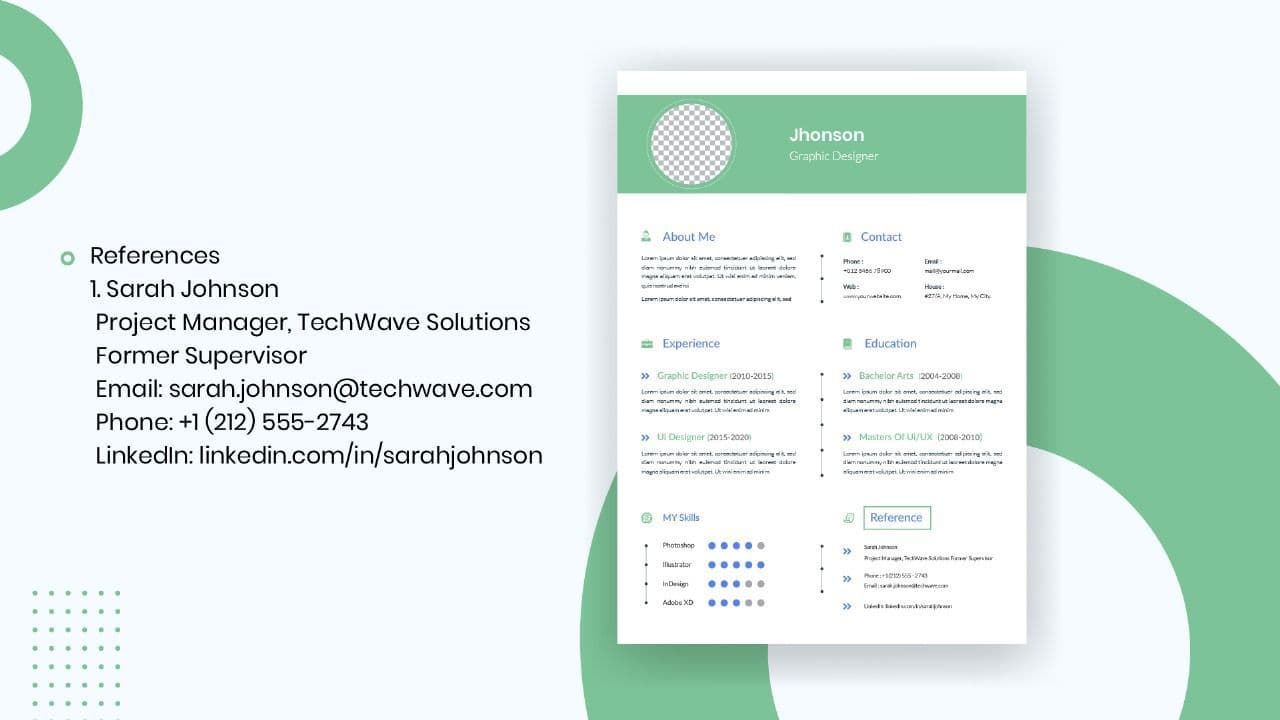
How to List References on a Resume in 2026
Learn the modern 2026 approach to listing references on your resume for maximum professionalism and recruiter impact.

Is Sound CV good for students and fresh graduates with no experience?
Sound CV is perfect for students and fresh graduates, helping them create professional resumes that highlight skills, projects, and potential even with little or no work experience.

Why Sound CV Is Different from Other AI Resume Builders
Sound CV stands out by creating job-focused, ATS-friendly resumes that highlight real achievements, not just generic content.
Resume Format for HR Job: Professional Guide and Sample Templates
A complete guide to the best resume format for HR jobs, with expert tips and sample templates to help you create a professional and job-ready resume.
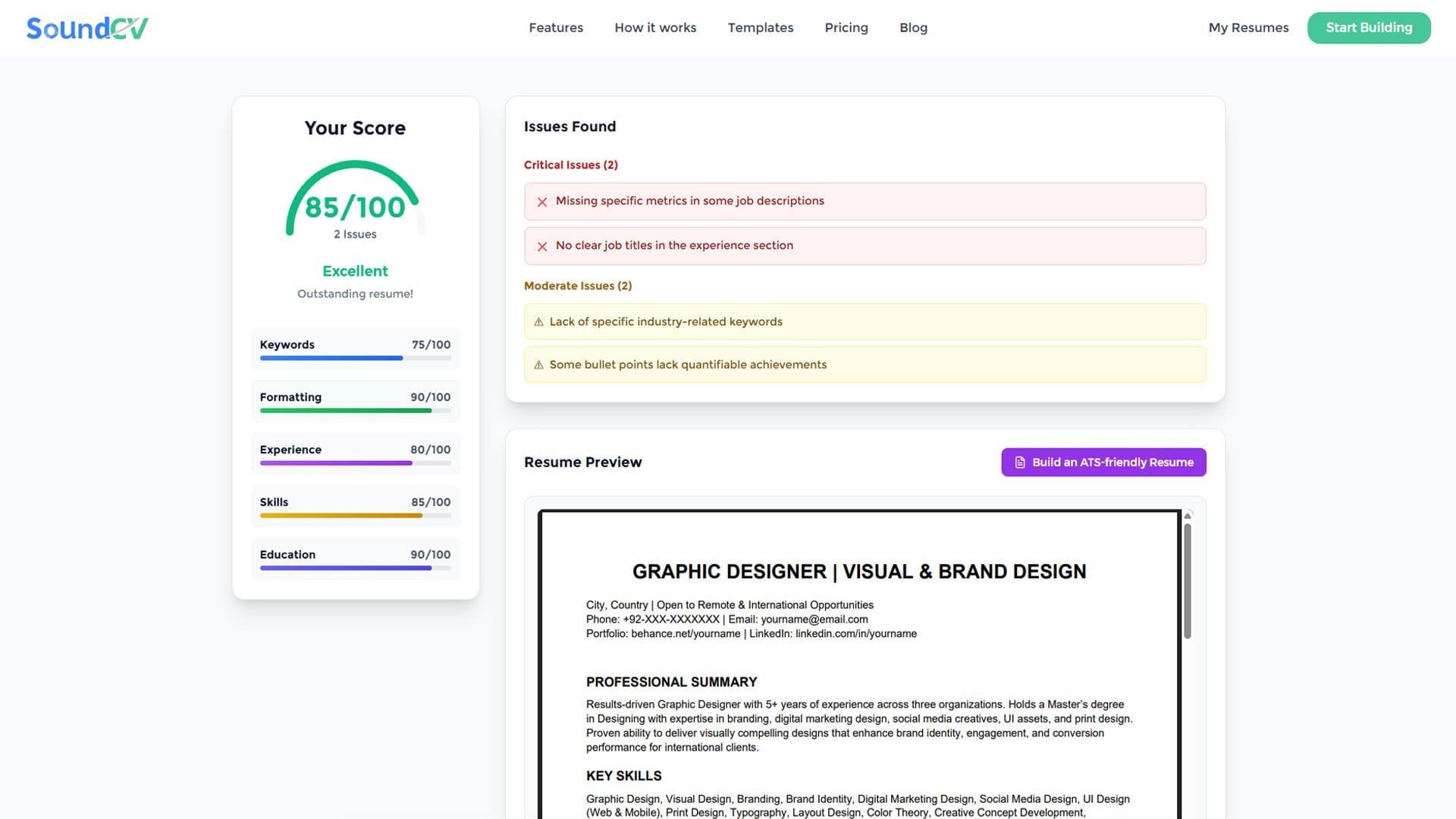
How Does the Sound CV Resume Score Checker Work?
The Sound CV Resume Score Checker analyzes your resume against ATS requirements, job-specific keywords, and structure to provide an instant, actionable score.

What Is a Sound CV? Features, Benefits, and How It Works
A Sound CV is an AI-powered resume that is tailored, ATS-optimized, and designed to showcase your skills and achievements to help you stand out to recruiters.