UK CV Format Template | Create a Professional Resume That Stands Out
A complete guide to the UK CV format, covering structure, formatting, ATS optimisation, and expert tips to stand out to employers.
Overview
This in-depth guide explains the correct UK CV format, essential sections, formatting rules, and ATS best practices to help job seekers create professional, recruiter-friendly CVs that meet UK hiring standards and improve interview chances.
Creating a CV for the UK job market involves more than simply listing your work experience. UK employers have clear expectations when it comes to CV structure, tone, and formatting, and using the wrong style can significantly reduce your chances of being shortlisted. Many candidates make the mistake of submitting US-style resumes, which often do not align with UK hiring standards, even when they are well qualified.
A strong UK CV focuses on clarity, professionalism, and relevance. Recruiters in the UK typically scan CVs quickly, so your information must be easy to read, logically structured, and tailored to the specific role you are applying for. Each section should serve a clear purpose and highlight your value effectively.
This guide explains the correct UK CV format, including essential sections, recommended formatting practices, and practical tips. By following these guidelines, you can create a professional CV that meets UK employer expectations and stands out in a competitive job market.
Key Points
- UK CVs differ significantly from US-style resumes in structure and expectations
- Ideal length is 1–2 pages, focused on relevance and achievements
- Clear structure and professional tone are essential
- Personal details should be minimal (no photo, age, or marital status)
- Work experience listed in reverse-chronological order
- ATS-friendly formatting improves shortlisting chances
- Tailoring your CV for each role is critical in the UK market
What Is a UK CV?
A UK CV (Curriculum Vitae) is a professional document used when applying for jobs in the United Kingdom. It provides a clear summary of your skills, work experience, education, and key achievements, allowing employers to quickly assess your suitability for a role. Unlike US resumes, which are typically limited to one page, UK CVs are usually one to two pages long, depending on your level of experience and the relevance of your background.
UK CVs place strong emphasis on professional experience and measurable achievements rather than personal information or creative design. Employers want to understand what you have done, what skills you bring, and how you can contribute to their organisation. Clear structure and readability are essential, as recruiters often review many applications in a short amount of time.
In the UK job market, certain elements commonly found in CVs elsewhere are avoided. Photos, age, date of birth, marital status, and other personal details are not required and are generally discouraged. Overly creative layouts, graphics, or unusual fonts are also not recommended unless you are applying for a design-specific role.
The focus of a UK CV is practical and professional. It highlights relevant experience, key skills, and accomplishments that demonstrate your value to an employer. A well-written UK CV is clear, concise, and tailored to the role, helping you stand out while meeting local hiring expectations.
Also Read : Single Page Resume Format: Craft a Concise and Impactful CV
Standard UK CV Format Explained
The standard UK CV format follows a clean, logical structure that recruiters are familiar with and expect to see. This clear layout helps employers quickly find the information they need and assess your suitability for a role without confusion. A typical UK CV begins with personal details, followed by a professional summary, key skills, work experience, and education. Each section flows naturally, making the document easy to read and scan.
UK CVs are generally one to two pages long, depending on your level of experience. They use a professional, neutral tone that focuses on skills, achievements, and responsibilities rather than personal opinions or creative language. Work experience is listed in reverse-chronological order, starting with the most recent role, so recruiters can immediately see your current position and level of expertise.
Another key feature of the UK CV format is the avoidance of unnecessary personal information. Details such as age, date of birth, marital status, and photographs are not required and should be excluded. This keeps the focus on professional merit and reduces distractions.
UK recruiters value clarity over creativity. A well-organized CV with clear headings, concise bullet points, and consistent formatting makes it easier for them to review your profile quickly and confidently.
Also Read : Which CV Format Is Best for UAE? Complete Guide for Job Seekers
Essential Sections in a UK CV
Personal Details
The personal details section is the first part of a UK CV and should be kept clear, concise, and professional. Its purpose is simply to provide recruiters with the information they need to contact you easily. This section appears at the top of your CV and should include only essential details such as your full name, phone number, professional email address, and your location. In most cases, listing your city and country is sufficient, and a full home address is not required.
It is important to avoid adding unnecessary personal information in a UK CV. Details such as age, date of birth, gender, nationality, marital status, or a photograph are not expected and are generally discouraged. Including this information does not improve your chances of being shortlisted and may even work against you by distracting from your professional qualifications.
UK employers focus on skills, experience, and achievements rather than personal background. Keeping your personal details section minimal helps maintain a professional tone and ensures your CV aligns with UK hiring standards. A clean and well-organized header also creates a positive first impression and sets the foundation for the rest of your CV, making it easier for recruiters to focus on your suitability for the role.
Also Read : Which Resume Format Is Best: PDF or Word? Complete 2026 Guide
Personal Profile / Professional Summary
The personal profile, also known as the professional summary, is a brief introduction at the top of your UK CV. Typically written in 3–4 concise lines, it gives employers a quick overview of who you are, what you do, and the value you can bring to their organisation. This section is often the first part recruiters read, so it should be clear, focused, and relevant to the role.
A strong UK-style personal profile highlights your current professional role or level of experience, along with your most important skills or areas of expertise. It should also reflect your career goals and show how they align with the position you are applying for. Avoid generic statements and tailor this section for each job to make it more impactful.
This summary sets the overall tone of your CV and helps recruiters quickly understand your suitability. When written effectively, it encourages them to continue reading and explore the rest of your application in detail.
Also Read : Which CV Format Is Best for Europe? Europass Guide for 2026 Job Seekers
Key Skills Section
The key skills section highlights your most relevant abilities. These can include technical skills, professional competencies, and role-specific expertise.
Best practices for this section:
- Use bullet points
- Focus on skills mentioned in the job description
- Balance technical and soft skills
This section is important for both recruiters and Applicant Tracking Systems (ATS), which scan CVs for relevant keywords.
Work Experience
The work experience section is the most important part of a UK CV. List your roles in reverse-chronological order, starting with your most recent position.
For each role, include:
- Job title
- Company name
- Employment dates
- Bullet points describing achievements
Focus on results and impact, not just responsibilities. Use action verbs and quantify achievements where possible to demonstrate value.
Education Section
Your education section should include:
- Degree or qualification
- Institution name
- Completion year
If you are a recent graduate, you may place education above work experience. For experienced professionals, education usually comes after experience.
Also Read : Most Effective Resume Format (2026) | Ultimate Job Seeker Guide
Optional Sections for a UK CV
Depending on your background, you may include optional sections such as:
- Certifications and professional training
- Projects relevant to the role
- Volunteering experience
- Publications or notable achievements
Only include optional sections if they add value and are relevant to the job.
Formatting Tips for a UK CV
Formatting plays a major role in how professional your CV appears. UK employers prefer clean, readable layouts.
Key formatting guidelines:
- Use professional fonts (e.g., Arial, Calibri)
- Font size: 10.5–12 for body text
- Consistent spacing and margins
- Clear section headings
Avoid graphics, icons, excessive colors, or creative layouts unless you are applying for a design-specific role.
Also Read : Top 5 Resume Format for Freshers: Best Layouts to Land Your First Job in 2026
ATS Optimization for UK CVs
Many UK employers use Applicant Tracking Systems to filter CVs before human review. To ensure ATS compatibility:
- Use standard section headings
- Avoid tables, images, and text boxes
- Include keywords naturally from the job description
- Save your CV as a PDF or DOCX unless stated otherwise
An ATS-friendly CV increases your chances of reaching the interview stage.
Common UK CV Mistakes to Avoid
Many candidates unknowingly hurt their chances by making avoidable mistakes, such as:
- Using a US-style resume format
- Including a photo or personal data
- Writing long paragraphs instead of bullet points
- Sending the same CV for every job
Tailoring your CV for each role is essential in the UK job market.
Also Read : Is It Bad to Use a Resume Builder? Pros, Cons & Expert Advice (2026)
UK CV Template Example (Structure)
A simple UK CV structure looks like this:
- Personal Details
- Personal Profile
- Key Skills
- Work Experience
- Education
- Optional Sections
This format works across industries and experience levels.
Tips to Make Your UK CV Stand Out
To stand out in the UK job market:
- Tailor your CV to each role
- Use action verbs and quantified achievements
- Keep language professional and concise
- Focus on relevance over length
A well-written CV shows professionalism, confidence, and attention to detail.
Also Read : Top 5 Resume Formats for Freshers in 2026 (Best Layouts)
Conclusion
Creating a strong UK CV is about following the right structure, using clear language, and presenting your experience in a way that aligns with UK employer expectations. By using the correct UK CV format template, focusing on achievements, and optimizing for ATS, you significantly improve your chances of standing out in competitive hiring processes.
Whether you are a graduate, experienced professional, or career switcher, a well-structured UK CV helps recruiters quickly understand your value. Invest time in tailoring your CV, keep it professional, and ensure every section adds purpose. A clear, focused CV is often the first step toward securing interviews and advancing your career in the UK job market.
FAQs
Frequently asked questions about this topic
Related Blogs
Explore more insights and guides you might like.
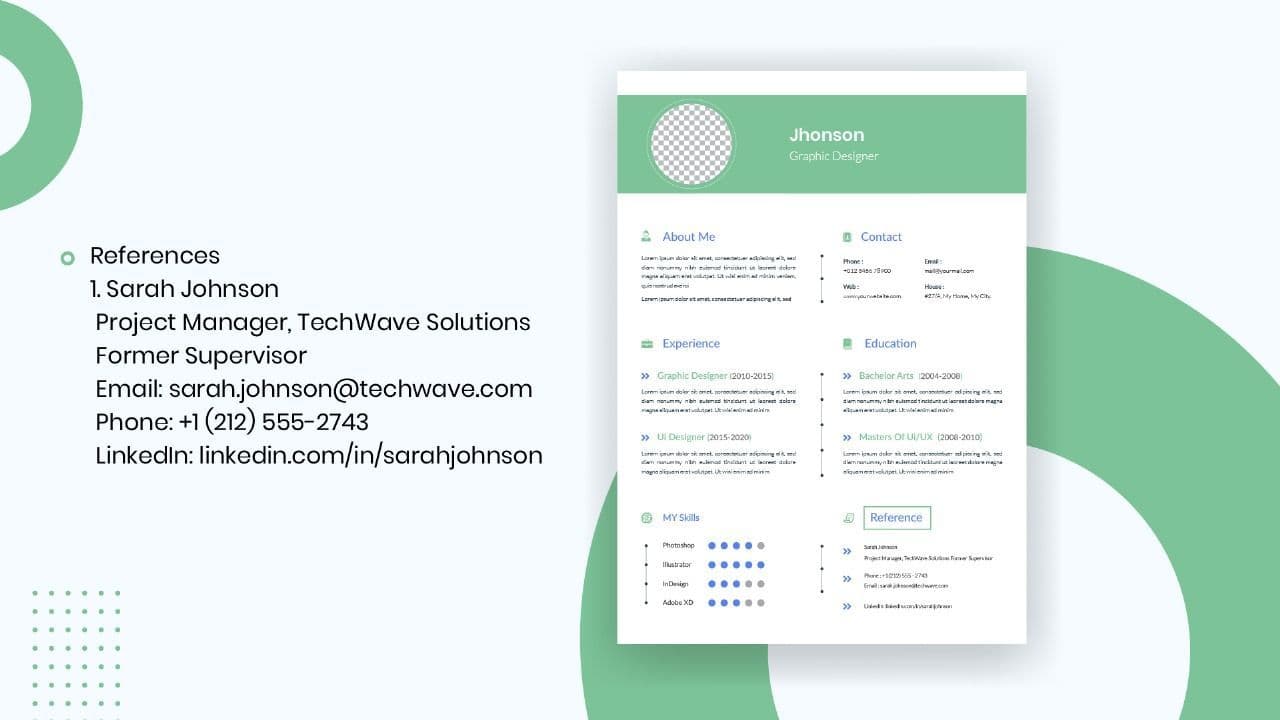
How to List References on a Resume in 2026
Learn the modern 2026 approach to listing references on your resume for maximum professionalism and recruiter impact.

Is Sound CV good for students and fresh graduates with no experience?
Sound CV is perfect for students and fresh graduates, helping them create professional resumes that highlight skills, projects, and potential even with little or no work experience.
Why Sound CV Is Different from Other AI Resume Builders
Sound CV stands out by creating job-focused, ATS-friendly resumes that highlight real achievements, not just generic content.

Resume Format for HR Job: Professional Guide and Sample Templates
A complete guide to the best resume format for HR jobs, with expert tips and sample templates to help you create a professional and job-ready resume.
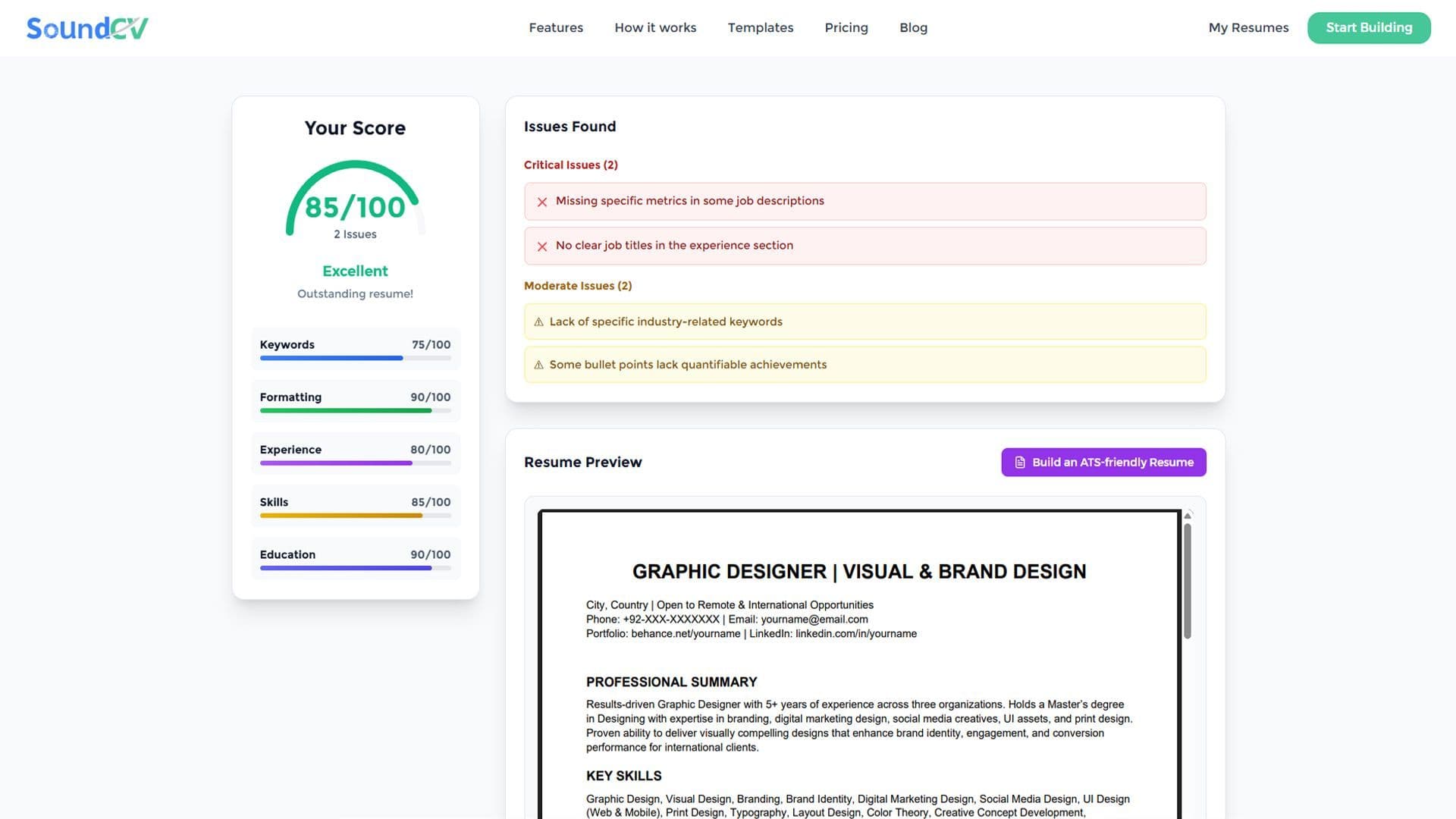
How Does the Sound CV Resume Score Checker Work?
The Sound CV Resume Score Checker analyzes your resume against ATS requirements, job-specific keywords, and structure to provide an instant, actionable score.

What Is a Sound CV? Features, Benefits, and How It Works
A Sound CV is an AI-powered resume that is tailored, ATS-optimized, and designed to showcase your skills and achievements to help you stand out to recruiters.