Single Page Resume Format: Craft a Concise and Impactful CV
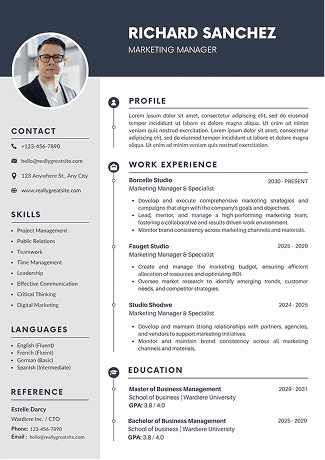
A single page resume format presents your skills, experience, and qualifications clearly on one page for quick and easy review by recruiters.
Overview
This blog explains why the single page resume format is preferred in modern hiring. It covers benefits, ideal candidates, essential sections, ATS optimization, formatting tips, and common mistakes, showing how a clear one-page resume helps recruiters quickly assess value and improves chances of selection.
Recruiters today spend only a few seconds scanning each resume. With hundreds of applications for a single role, clarity and relevance matter more than length. This is why the single page resume format has become the preferred choice for modern hiring. A well-structured one-page CV highlights your strengths quickly, communicates value clearly, and respects the recruiter’s time.
A single page resume is not about removing important information it is about prioritizing what matters most. When done correctly, it delivers a powerful snapshot of your skills, experience, and achievements without overwhelming the reader. This guide explains how to create a concise, impactful, and ATS-friendly single page resume that works across industries and experience levels.
What Is a Single Page Resume?
A single page resume is a professionally structured CV that presents all essential information on one clear, well-organized page. Its primary focus is on relevance, clarity, and measurable impact rather than lengthy descriptions or unnecessary details. Instead of listing everything you have ever done, a one-page resume highlights your most recent, valuable, and job-relevant experience, making it easier for recruiters to quickly assess your profile.
Also Read:Which CV Format Is Best for UAE?
Unlike traditional multi-page CVs, which often include outdated roles, repetitive information, or excessive explanations, a single page resume is designed for efficiency. It forces you to prioritize what truly matters—your skills, achievements, and qualifications that directly align with the role you are applying for. This focused approach improves readability and ensures that key information stands out immediately.
A single page resume typically emphasizes:
- Key achievements over routine responsibilities, showing the impact you made rather than what you were assigned to do
- Relevant skills instead of long, generic lists, helping recruiters see your strengths at a glance
- A clean, structured layout with clear sections, making the resume easy to scan
This format is especially effective when applying online, where Applicant Tracking Systems (ATS) are commonly used. Concise, keyword-optimized content increases the chances of your resume being accurately scanned and ranked. In today’s fast-paced hiring environment, a single page resume delivers maximum impact in minimal space, making it a powerful choice for modern job seekers.
Benefits of a Single Page Resume
A single page resume offers clear advantages for both job seekers and recruiters, making it one of the most effective formats in modern hiring. In a competitive job market where recruiters review hundreds of applications, a concise resume allows your profile to be understood quickly and efficiently. Instead of scrolling through multiple pages, recruiters can immediately see your most relevant skills, experience, and achievements.
One of the biggest benefits of a one-page CV is improved readability and focus. With limited space, you are encouraged to highlight only your strongest qualifications, ensuring that important information stands out. This focused presentation makes it easier for hiring managers to assess your suitability for a role within seconds.
Single page resumes are also highly ATS-friendly. Applicant Tracking Systems prefer clean layouts, clear section headings, and keyword-rich content. A one-page format reduces the risk of formatting errors and helps automated systems accurately scan and rank your resume. This increases your chances of passing initial screenings and reaching human recruiters.
Most importantly, a concise resume promotes clarity and impact. It pushes you to present achievements rather than listing routine responsibilities, quantify results wherever possible, and communicate your value clearly. By focusing on relevance and results, a single page resume captures attention quickly and leaves a strong, professional impression on recruiters.
Read More:Which Resume Format Is Best: PDF or Word?
Who Should Use a Single Page Resume?
A single page resume is a versatile format that works well for a wide range of job seekers across different career stages and industries. Its concise structure helps present key information clearly, making it especially effective in today’s fast-paced hiring environment.
Fresh graduates benefit greatly from one-page resumes because they allow a strong focus on education, skills, internships, academic projects, and relevant certifications. Instead of adding unnecessary filler, graduates can highlight their potential, technical knowledge, and readiness to enter the workforce in a clear and organized way.
Early-career and mid-level professionals also find single page resumes highly effective. This format helps them showcase their most recent roles, key responsibilities, and measurable achievements without overwhelming recruiters. By concentrating on recent experience, candidates can clearly demonstrate growth, impact, and job relevance.
Career switchers gain a strong advantage from one-page resumes as well. This format allows them to emphasize transferable skills, relevant accomplishments, and industry-aligned experience while minimizing unrelated past roles. It helps shift the focus toward what they can do now rather than where they started.
Even experienced professionals can successfully use a single page resume when applying for roles that prioritize skills, results, and clarity over lengthy career histories. When relevance is the priority, a well-crafted one-page resume delivers maximum impact with minimal distraction.
Essential Sections of a Single Page Resume
Header and Contact Information
The header of your resume is the first section recruiters notice, so it should be clean, professional, and easy to read. Include only essential contact details such as your full name, phone number, professional email address, and LinkedIn profile. These elements provide recruiters with quick access to your information and establish a polished, professional image.
Avoid adding unnecessary personal details like age, marital status, nationality, or a full home address unless an employer specifically requests them. Including too much personal information can clutter your resume and distract from your qualifications. A city and country are usually sufficient if location context is needed.
A well-structured header sets the tone for the rest of your resume. It creates a strong first impression, reflects professionalism, and ensures recruiters can contact you easily without searching. Keeping this section simple and well-organized helps your resume appear modern, focused, and aligned with current hiring standards.
Professional Summary
The professional summary sits at the top of your resume and should be no more than 3–4 lines. It should clearly state who you are, what you do, and the value you bring.
Focus on experience level, core skills, and key achievements. This section sets the tone for the entire resume and should be tailored for each role.
Skills Section
The skills section should be concise and relevant. Divide skills into technical and soft skills if needed, and prioritize those mentioned in the job description. Keyword optimization here is crucial for ATS performance.
Avoid generic skills and focus on abilities that demonstrate competence and job readiness.
Work Experience
Your work experience section should highlight achievements, not duties. Use bullet points and quantify results where possible. Focus on your most recent and relevant roles, usually the last 5–10 years.
Each bullet should answer one question: What impact did I make?
Education Section
Include your highest or most relevant qualification. Fresh graduates may place education higher on the resume, while experienced professionals can keep it brief at the bottom.
Also Read:Which CV Format Is Best for Europe?
Formatting Tips for a One-Page CV
Formatting plays a major role in keeping your resume readable and professional. Use a clean font, consistent spacing, and clear section headings. White space is your friend—it helps guide the reader’s eye and prevents clutter.
Bullet points are far more effective than long paragraphs. Keep margins balanced and avoid decorative elements that may confuse ATS systems.
How to Keep Your Resume to One Page
Staying within one page requires discipline. Remove outdated roles, irrelevant experience, and unnecessary personal details. Focus only on information that supports the role you are applying for.
Use concise language and action verbs. Combine similar points and avoid repeating skills across multiple sections. Tailoring your resume for each job helps ensure relevance while keeping length under control.
ATS Optimization for Single Page Resumes
ATS systems scan resumes for keywords, structure, and readability. To optimize your one-page resume:
- Use standard section headings
- Include keywords naturally throughout the resume
- Avoid tables, graphics, and complex layouts
- Save your resume as a PDF or DOCX unless stated otherwise
A well-optimized single page resume increases your chances of passing automated screenings.
Also Read:Is It Bad to Use a Resume Builder?
Common Mistakes to Avoid
Many candidates overcrowd their resumes with too much information, making them difficult to read. Generic summaries, weak bullet points, and poor keyword usage can also reduce effectiveness.
Another common mistake is prioritizing design over clarity. A resume should be professional and readable first, visually appealing second.
Single Page Resume Examples and Use Cases
Recruiters often prefer single page resumes for roles in technology, marketing, sales, operations, and entry-to-mid-level positions. Industry-specific examples show that clarity and relevance consistently outperform length.
In fast-paced hiring environments, a concise resume gives you a competitive advantage.
Tips to Make Your One-Page Resume Stand Out
Quantify achievements wherever possible. Numbers add credibility and impact. Tailor your resume for each role by adjusting keywords and focus areas.
Maintain visual balance, use strong action verbs, and ensure every line earns its place. A strong one-page resume tells a clear story of value.
Conclusion
A single page resume is more than a formatting choice it is a strategic tool that helps you communicate your value clearly, quickly, and effectively. By focusing on relevance, strong achievements, and ATS-friendly structure, you can create a CV that stands out in competitive job markets.
In today’s hiring landscape, how you present your experience matters as much as the experience itself. Tools like Sound CV make it easier to build polished, professional, and optimized single page resumes that align with modern hiring standards. With the right structure and the right tools, your resume can open doors faster and help you move forward in your career with confidence.
FAQs
Frequently asked questions about this topic
Related Blogs
Explore more insights and guides you might like.
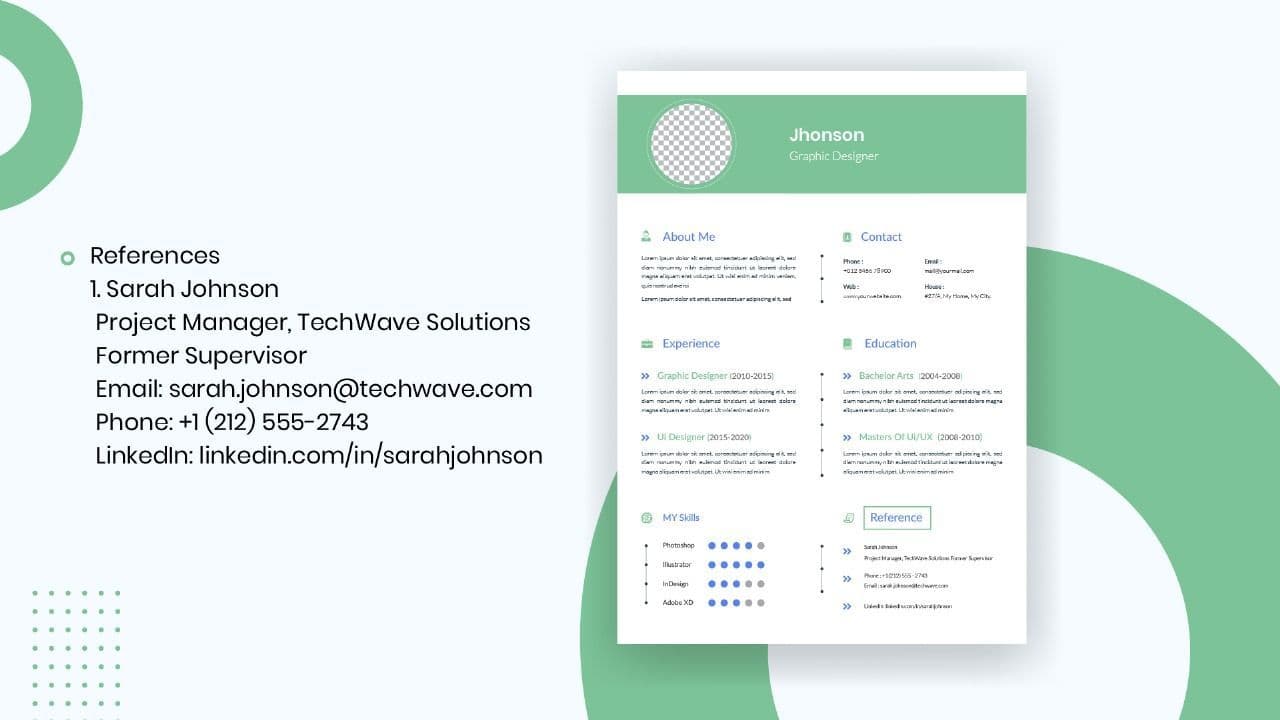
How to List References on a Resume in 2026
Learn the modern 2026 approach to listing references on your resume for maximum professionalism and recruiter impact.

Is Sound CV good for students and fresh graduates with no experience?
Sound CV is perfect for students and fresh graduates, helping them create professional resumes that highlight skills, projects, and potential even with little or no work experience.
Why Sound CV Is Different from Other AI Resume Builders
Sound CV stands out by creating job-focused, ATS-friendly resumes that highlight real achievements, not just generic content.
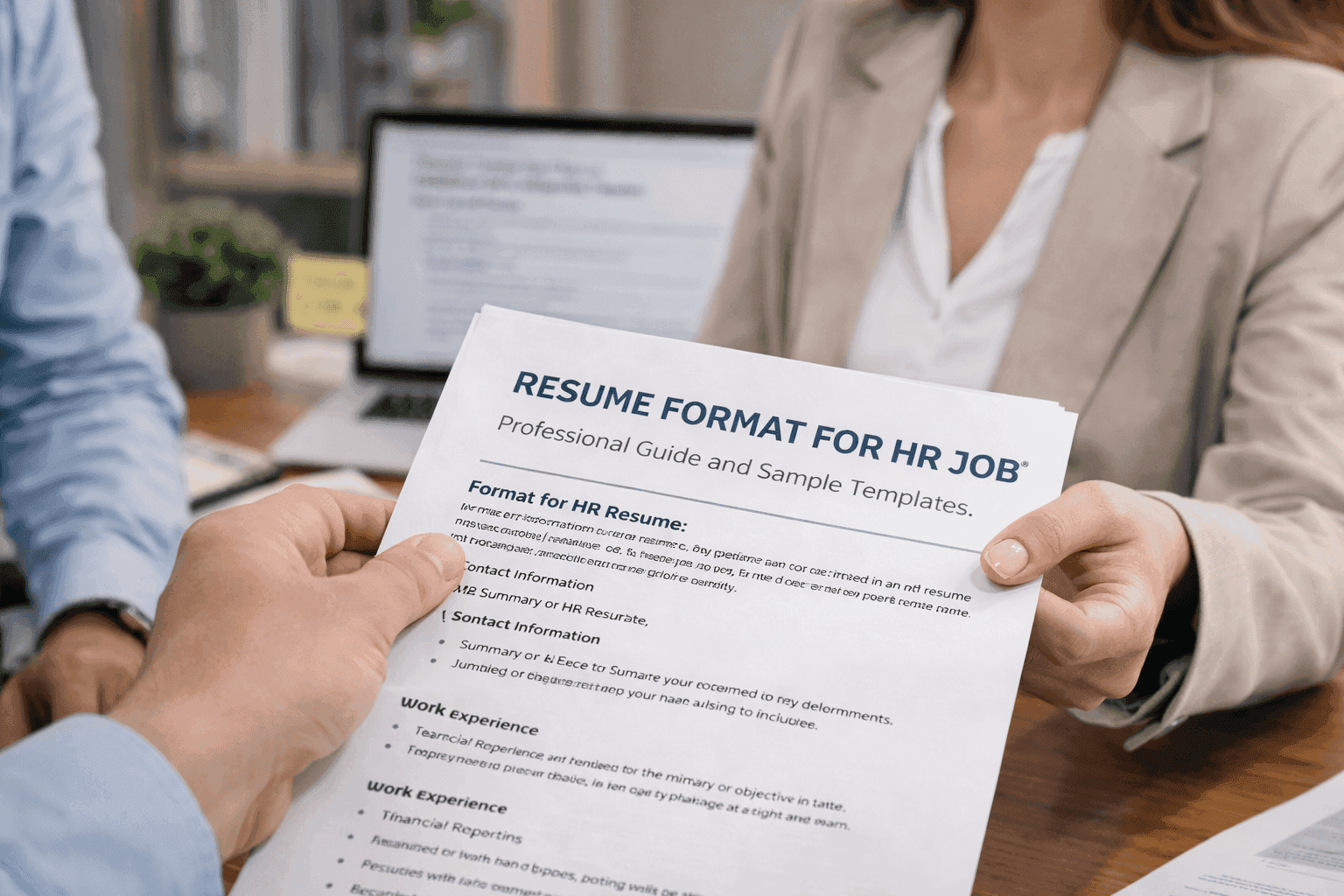
Resume Format for HR Job: Professional Guide and Sample Templates
A complete guide to the best resume format for HR jobs, with expert tips and sample templates to help you create a professional and job-ready resume.
How Does the Sound CV Resume Score Checker Work?
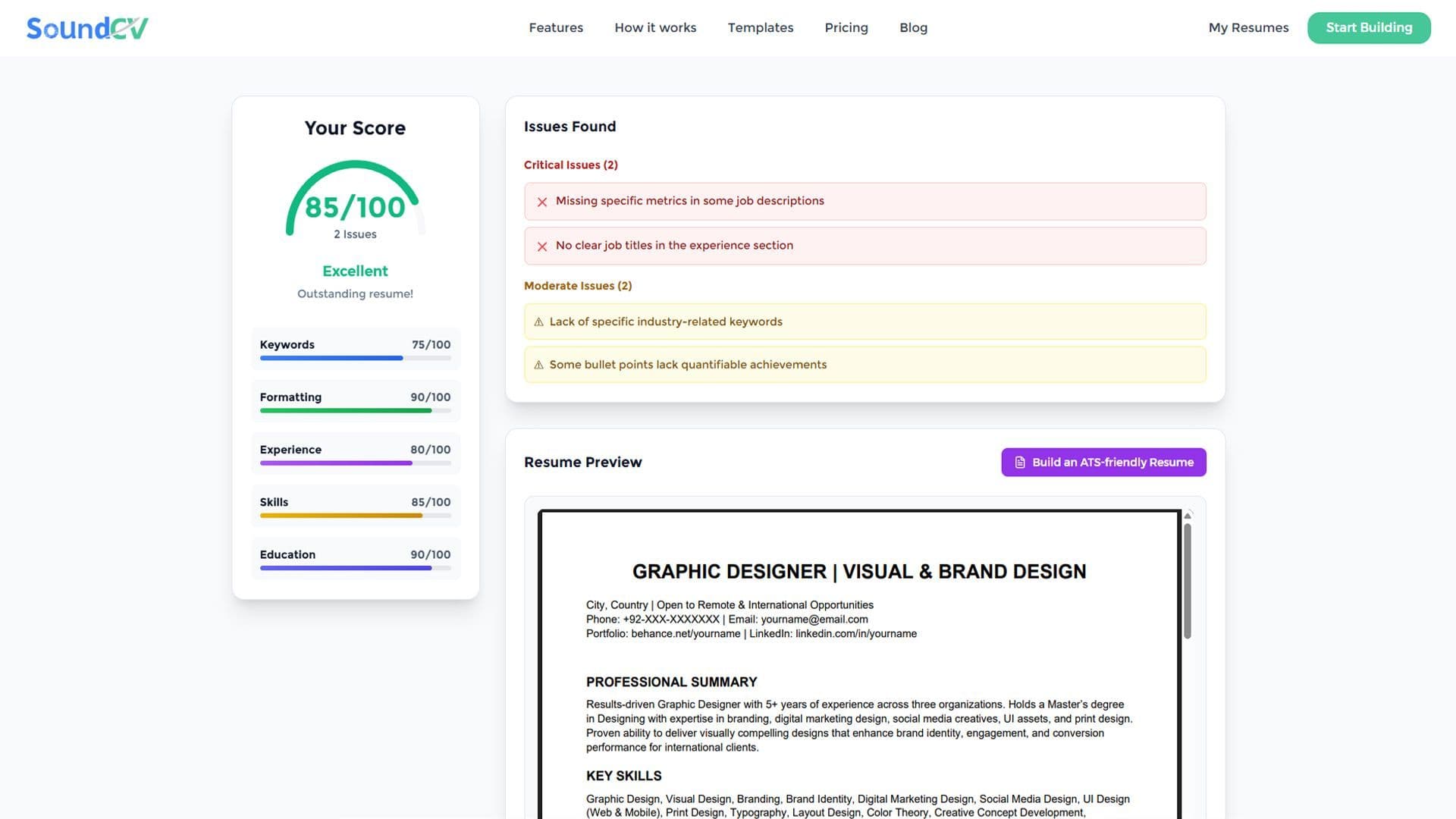
The Sound CV Resume Score Checker analyzes your resume against ATS requirements, job-specific keywords, and structure to provide an instant, actionable score.

What Is a Sound CV? Features, Benefits, and How It Works
A Sound CV is an AI-powered resume that is tailored, ATS-optimized, and designed to showcase your skills and achievements to help you stand out to recruiters.