Resume Format for Hotel Management | Skills, Experience & Examples
A complete guide to creating a professional hotel management resume that highlights hospitality skills, leadership experience, and ATS optimization.
Overview
This guide explains the ideal resume format for hotel management professionals, focusing on hospitality skills, leadership, guest service excellence, ATS optimization, and role-specific customization to help candidates stand out in competitive hotel and hospitality job markets.
The hotel and hospitality industry is highly competitive and service-driven. Whether you are applying for a front office role, hotel supervisor position, or a management-level job, your resume must reflect professionalism, leadership, and customer-focused expertise. Recruiters in hotel management look for candidates who can deliver exceptional guest experiences while efficiently managing operations.
A strong hotel management resume is not just a list of duties, it is a marketing document that highlights your skills, achievements, and ability to contribute to smooth hotel operations. This guide explains the ideal resume format for hotel management professionals and shows you how to structure your CV to stand out in a fast-paced hospitality environment.
Key Points
- Hotel management resumes must emphasize guest service, operations, and leadership
- Reverse-chronological format works best for hospitality roles
- Focus on achievements, not just responsibilities
- Balance soft skills (customer service, communication) with operational expertise
- Use quantifiable results (guest satisfaction, cost control, team size)
- Optimize resume for ATS systems using clear headings and keywords
- Tailor resumes for different roles like front office, supervisor, or manager
Understanding Hotel Management Resume Requirements
Hotel management resumes are distinct from general resumes because they focus heavily on service quality, operational efficiency, and people management. The hospitality industry is customer-driven, and recruiters look for candidates who can deliver excellent guest experiences while ensuring smooth daily operations. Your resume must reflect your ability to balance service expectations with operational responsibilities.
Hotel recruiters seek professionals who understand guest needs, can coordinate teams effectively, and are comfortable working in fast-paced environments. Strong customer service and communication skills are essential, as hotel managers interact with guests, staff, and vendors regularly. Attention to detail and operational efficiency are also critical, as even small errors can impact guest satisfaction and overall hotel performance.
Leadership and team management skills play a major role in hotel management roles. Employers want to see evidence that you can supervise staff, handle scheduling, provide training, and maintain service standards across departments. Additionally, problem-solving ability is highly valued, especially in high-pressure situations such as guest complaints, staff shortages, or operational disruptions.
Unlike many corporate roles, hotel management positions require a strong balance of soft skills and practical operational knowledge. Your resume should clearly demonstrate how you have handled guest interactions, managed teams, resolved issues, and maintained consistent service standards. Showing real examples of these responsibilities helps recruiters understand your impact and suitability for hospitality leadership roles.
Also Read : Single Page Resume Format: Craft a Concise and Impactful CV
Best Resume Format for Hotel Management
Choosing the right resume format is essential for hotel management professionals, as recruiters in the hospitality industry value clarity, structure, and practical experience. The reverse-chronological resume format is the most effective and widely accepted option for hotel management roles. This format presents your most recent position first, allowing recruiters to quickly understand your current responsibilities, experience level, and career progression. Since hiring managers often focus on recent roles, this structure helps highlight your most relevant experience immediately.
In hospitality, resumes are often reviewed quickly, especially during high-volume hiring periods. A clean and well-organized layout improves readability and ensures key information stands out. Clear section headings, concise bullet points, and logical flow help recruiters assess your suitability without effort.
For candidates applying to supervisory or management-level positions, a hybrid resume format can also be effective. This format combines a focused skills section with detailed work experience, allowing you to showcase leadership abilities, operational expertise, and hands-on experience at the same time. It works particularly well for professionals who want to emphasize management skills without downplaying operational roles.
Functional resumes, which focus primarily on skills and minimize work history, should be avoided in hotel management. Hospitality recruiters prefer transparency and proven real-world experience, making chronological or hybrid formats far more effective.
Also Read : Which CV Format Is Best for UAE? Complete Guide for Job Seekers
Essential Sections in a Hotel Management Resume
Header and Contact Information
Your resume header should be professional and simple. Include:
- Full name
- Phone number
- Professional email address
- LinkedIn profile (if available)
Avoid personal details such as age, marital status, or full home address. A clean header creates a strong first impression and ensures recruiters can contact you easily.
Professional Summary
The professional summary is one of the most important sections of a hotel management resume. Written in 3–4 lines, it should clearly describe your experience level, core strengths, and career focus.
A strong hospitality-focused summary includes:
- Your role or years of experience in hotel management
- Key strengths such as guest service, operations, or leadership
- The type of role you are targeting
This section sets the tone for your resume and encourages recruiters to read further.
Also Read : Which Resume Format Is Best: PDF or Word? Complete 2026 Guide
Key Skills Section
The skills section highlights your hospitality expertise and should be tailored to the role you are applying for. Focus on a mix of technical, operational, and soft skills.
Common hotel management skills include:
- Front office operations
- Guest relations and service excellence
- Team supervision and staff training
- Reservation systems and PMS software
- Conflict resolution and problem-solving
Use bullet points and align skills with job descriptions to improve ATS compatibility.
Work Experience
Your work experience section should clearly demonstrate your impact in previous hotel roles. List positions in reverse-chronological order and focus on achievements rather than daily duties.
Instead of writing:
- “Handled guest complaints”
Write:
- “Resolved guest concerns effectively, improving guest satisfaction scores and repeat bookings”
Use action verbs and quantify results wherever possible, such as:
- Guest satisfaction ratings
- Occupancy improvements
- Cost reductions
- Team performance improvements
Education and Certifications
Include your hotel management degree, diploma, or relevant qualifications. Also list hospitality-related certifications such as:
- Hotel management diplomas
- Food safety certifications
- Customer service or leadership training
Education and certifications strengthen your credibility and show commitment to professional growth.
Also Read : Which CV Format Is Best for Europe? Europass Guide for 2026 Job Seekers
How to Highlight Hospitality Skills Effectively
In hotel management, skills are just as important as experience, and in many cases, they are closely connected. Employers want to see not only what roles you have held, but how effectively you applied your skills to improve guest experiences and support smooth hotel operations. When highlighting hospitality skills on your resume, the focus should always be on impact rather than simple descriptions.
Customer service excellence is a core skill in hotel management. Instead of stating that you handled guests, show how your actions made a difference. Referencing positive guest feedback, satisfaction ratings, repeat bookings, or complaint resolution outcomes helps demonstrate your ability to deliver high-quality service.
Leadership skills are equally important, especially for supervisory and management roles. Highlight the size of the teams you managed, training programs you led, or improvements in staff performance, efficiency, or morale. These details show your ability to guide teams and maintain service standards.
Operational skills should also be clearly presented. Mention responsibilities such as staff scheduling, inventory control, budget support, or use of property management systems. Where possible, support these skills with measurable results, such as reduced costs, improved efficiency, or smoother daily operations. By linking skills to outcomes, your resume becomes more compelling and impactful for hospitality recruiters.
Also Read : Most Effective Resume Format (2026) | Ultimate Job Seeker Guide
ATS Optimization Tips for Hotel Management Resumes
Many hotels and hospitality groups rely on Applicant Tracking Systems (ATS) to screen resumes before they reach recruiters. To improve your chances of passing these systems, your resume must be simple, clear, and keyword-focused. Start by using standard section headings such as Professional Summary, Skills, Work Experience, and Education, as ATS software easily recognizes these formats.
Avoid using tables, graphics, icons, or decorative elements, as they can confuse ATS scanners and cause important information to be missed. Keep formatting clean and straightforward with consistent fonts and spacing. Including hospitality-specific keywords naturally throughout your resume is also essential. These keywords should reflect skills, tools, and responsibilities mentioned in the job description.
Finally, save your resume in a commonly accepted format such as PDF or DOCX, unless the employer specifies otherwise. An ATS-friendly resume ensures your qualifications are accurately scanned and ranked, significantly increasing your chances of being shortlisted for hotel management roles.
Also Read : Top 5 Resume Format for Freshers: Best Layouts to Land Your First Job in 2026
Common Resume Mistakes in Hotel Management
Hotel management candidates often make mistakes that reduce resume effectiveness, such as:
- Listing responsibilities without achievements
- Ignoring guest satisfaction metrics
- Using generic summaries
- Poor formatting and cluttered layouts
Avoid exaggeration and focus on real contributions. Clear, honest resumes perform better in hospitality recruitment.
Resume Examples for Hotel Management Roles
Different hotel roles require different emphasis. For example:
- Front office executives should highlight guest interaction and reservation systems
- Hotel supervisors should focus on team coordination and daily operations
- Assistant managers should emphasize leadership, reporting, and performance improvement
Tailoring your resume for each role increases relevance and impact.
Also Read : Is It Bad to Use a Resume Builder? Pros, Cons & Expert Advice (2026)
Tips to Make Your Hotel Management Resume Stand Out
To stand out in the hospitality industry:
- Tailor your resume for each job
- Quantify achievements wherever possible
- Use strong action verbs
- Maintain a clean, professional layout
Recruiters appreciate resumes that are easy to read, relevant, and focused on service quality and operational excellence.
Also Read : Top 5 Resume Formats for Freshers in 2026 (Best Layouts)
Conclusion
A strong hotel management resume is essential for showcasing your skills, experience, and professionalism in a competitive hospitality industry. By using the right resume format, highlighting service excellence, and focusing on achievements rather than duties, you can present yourself as a valuable asset to potential employers.
As hotel management professionals compete for roles that demand both leadership and customer service excellence, having a polished and optimized resume makes a real difference. Tools like SoundCV help you create professional, ATS-friendly resumes tailored to hospitality roles, allowing you to highlight your skills and experience with clarity and confidence. With the right structure and the right tools, your resume can open doors to better opportunities and career growth in hotel management.
FAQs
Frequently asked questions about this topic
Related Blogs
Explore more insights and guides you might like.
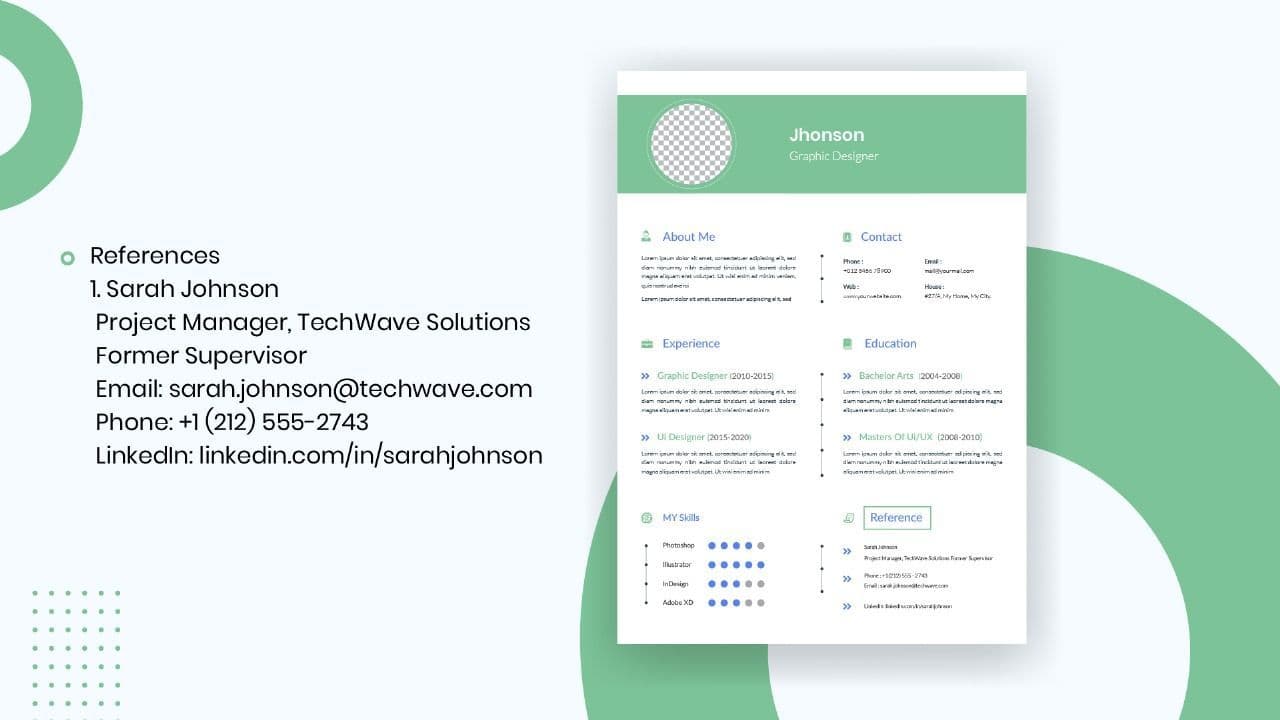
How to List References on a Resume in 2026
Learn the modern 2026 approach to listing references on your resume for maximum professionalism and recruiter impact.

Is Sound CV good for students and fresh graduates with no experience?
Sound CV is perfect for students and fresh graduates, helping them create professional resumes that highlight skills, projects, and potential even with little or no work experience.
Why Sound CV Is Different from Other AI Resume Builders
Sound CV stands out by creating job-focused, ATS-friendly resumes that highlight real achievements, not just generic content.
Resume Format for HR Job: Professional Guide and Sample Templates
A complete guide to the best resume format for HR jobs, with expert tips and sample templates to help you create a professional and job-ready resume.
How Does the Sound CV Resume Score Checker Work?
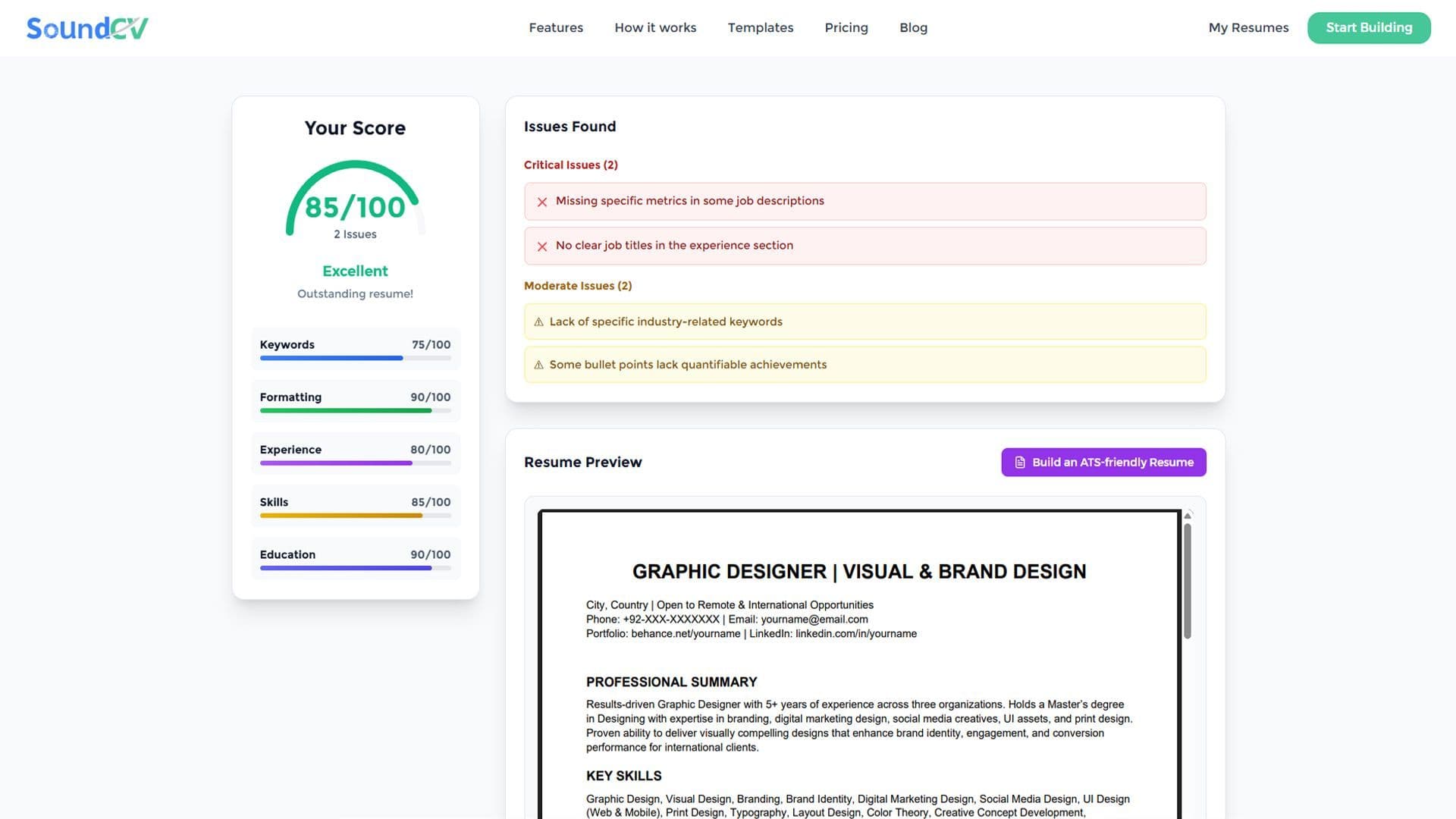
The Sound CV Resume Score Checker analyzes your resume against ATS requirements, job-specific keywords, and structure to provide an instant, actionable score.

What Is a Sound CV? Features, Benefits, and How It Works
A Sound CV is an AI-powered resume that is tailored, ATS-optimized, and designed to showcase your skills and achievements to help you stand out to recruiters.