Is a Cover Letter and Application Letter the Same? Key Differences Explained
Understand the difference between a cover letter and an application letter and learn when to use each for job applications.
Overview
Many job seekers confuse cover letters and application letters. This guide explains their differences, purposes, and when to use each to improve professionalism, follow hiring instructions correctly, and increase your chances of getting shortlisted.
Many job seekers use the terms cover letter and application letter interchangeably, assuming they refer to the same document. While both are used during the job application process and share a similar goal to introduce you to an employer they are not exactly the same. Each serves a distinct purpose, and using the wrong one can affect how professional and attentive your application appears to recruiters.
In today’s highly competitive job market, employers often receive hundreds of applications for a single role. Because of this, recruiters value clarity, relevance, and correct formatting more than ever. Submitting the appropriate type of letter shows that you understand hiring expectations and can follow instructions carefully. A mismatch, on the other hand, may create confusion or reduce your chances of being shortlisted.
This guide is designed to remove that confusion. It clearly explains what a cover letter is, what an application letter is, how the two differ in structure and purpose, and when each should be used. By understanding these distinctions, you can present your qualifications more effectively and make a stronger first impression with potential employers.
Key Points
Cover letters and application letters are not the same
Cover letters support resumes; application letters may replace them
Tone, length, and structure differ significantly
Employers expect different formats in different hiring contexts
Using the correct letter improves professionalism and shortlisting
What Is a Cover Letter?
A cover letter is a short, personalized document that is submitted alongside your resume or CV when applying for a job. Its primary purpose is to introduce you to the employer and briefly explain why you are a strong and suitable candidate for the position. While your resume lists your qualifications, a cover letter tells your story and highlights how your experience aligns with the employer’s needs.
A cover letter does not replace a resume; instead, it supports and enhances it. It draws attention to your most relevant skills, achievements, and experiences and connects them directly to the job you are applying for. This allows you to explain your motivation for the role, demonstrate your understanding of the position, and show how you can add value to the organization. A well-written cover letter helps recruiters see the person behind the resume.
Cover letters are commonly used in modern hiring processes, including online job applications, Applicant Tracking System (ATS)-based recruitment, email applications, and corporate or international hiring. Many employers may not require a cover letter, but submitting one can still give you an advantage, especially for competitive roles.
Typically, a cover letter is limited to one page and written in a professional yet conversational tone. It is always customized for the specific role and employer rather than reused for multiple applications. Instead of repeating your resume word for word, a strong cover letter complements it by providing context, clarity, and personality, helping you make a strong first impression.
Also Read : Resume Format for Hotel Management | Skills, Experience & Examples
What Is an Application Letter?
An application letter is a more formal and detailed document used to apply for a job, especially when a resume is not required or when formal procedures are followed. In many cases, the application letter itself serves as the primary document explaining your qualifications.
Unlike a cover letter, an application letter often includes:
- A detailed explanation of your background
- Skills and experience written in paragraph form
- Reasons for applying
- A formal request for consideration
Application letters are commonly used in:
- Government job applications
- Academic or teaching positions
- Traditional or offline job postings
- Situations where employers explicitly ask for an “application letter”
An application letter is usually longer and more formal than a cover letter and may include information that would normally appear in a resume.
Also Read : UK CV Format Template | Create a Professional Resume That Stands Out
Is a Cover Letter and Application Letter the Same?
The short answer is no a cover letter and an application letter are not the same, although they are closely related and often confused. Both documents are used during the job application process and share the same overall goal: to convince an employer that you are a suitable candidate for the position. Because they are written in a professional tone and tailored to a specific role, many job seekers assume they serve the same purpose.
The main difference lies in how each letter is used. A cover letter is designed to support your resume or CV. It works as an introduction that highlights your most relevant skills, experience, and achievements, while encouraging the employer to review your resume in detail. It is brief, focused, and directly connected to the resume it accompanies.
An application letter, on the other hand, is often a standalone document. In many cases, it replaces the resume or expands on it in greater detail. Application letters are usually more formal and descriptive, explaining your qualifications, background, and interest in the role within the body of the letter itself. They are commonly used in traditional, academic, or government job applications.
In summary, a cover letter complements your resume, while an application letter often takes its place or provides a more detailed overview. Understanding this difference helps you choose the right document for the right situation and present your application more effectively.
Also Read : Single Page Resume Format: Craft a Concise and Impactful CV
Key Differences Between a Cover Letter and an Application Letter
Length and Detail
A cover letter is concise and focused, usually limited to one page. An application letter is often longer and more detailed.
Tone and Style
Cover letters are slightly conversational and targeted. Application letters are formal and structured, often following traditional letter-writing conventions.
Structure
Cover letters follow a modern business format aligned with ATS systems. Application letters often follow formal letter layouts with detailed paragraphs.
Usage
Cover letters are common in private sector, corporate, and international jobs. Application letters are common in government, academic, or traditional hiring contexts.
Also Read : Which CV Format Is Best for UAE? Complete Guide for Job Seekers
When Should You Use a Cover Letter?
You should use a cover letter in several common job application situations, especially in modern hiring environments. A cover letter is appropriate when applying through online job portals, as many employers expect one to accompany your resume, even if it is listed as optional. It is also recommended when submitting your resume via email, as it serves as a professional introduction and provides context for your application.
Cover letters are particularly important when applying to corporate or multinational companies, where recruiters value clear communication and role-specific motivation. They are also widely used in ATS-based recruitment systems, where a well-written, keyword-aligned cover letter can strengthen your overall application and support your resume.
If a job posting specifically asks for a cover letter, submitting one is essential. Failing to include it in such cases may signal a lack of attention to detail or failure to follow instructions.
While cover letters are sometimes optional in modern hiring, submitting a strong, tailored cover letter can significantly improve your chances of standing out especially for competitive roles. It allows you to explain your interest, highlight relevant skills, and demonstrate professionalism beyond what a resume alone can show.
Also Read : Which Resume Format Is Best: PDF or Word? Complete 2026 Guide
When Should You Use an Application Letter?
You should use an application letter when:
- The employer specifically asks for an application letter
- Applying for government or public sector jobs
- Applying for academic or teaching roles
- No resume is requested
- Applying through traditional or offline methods
In these cases, submitting a cover letter instead of an application letter may be seen as not following instructions.
Cover Letter vs Application Letter: Quick Comparison
Common Mistakes Job Seekers Make
One common mistake is using a cover letter when an application letter is required, or vice versa. Another mistake is writing generic letters that are not tailored to the job.
Many candidates also repeat their resume word for word in a cover letter, which reduces its effectiveness. Others write overly long letters that recruiters do not have time to read.
Failing to follow instructions in the job posting is one of the fastest ways to get rejected.
Also Read : Which CV Format Is Best for Europe? Europass Guide for 2026 Job Seekers
Can One Letter Replace the Other?
In some cases, a well-written cover letter can act as an application letter, especially for private sector roles where flexibility exists. However, the reverse is not always true.
When employers clearly ask for an application letter, it is best to follow that instruction exactly. When unsure, reviewing the job description carefully usually provides the answer.
The safest approach is to adapt your letter to the employer’s expectation, not force one format everywhere.
Also Read : Most Effective Resume Format (2026) | Ultimate Job Seeker Guide
Conclusion
So, is a cover letter and an application letter the same? Not exactly. While both aim to present you as a strong candidate, they serve different purposes and are used in different hiring contexts. Understanding when to use each one can significantly improve your job application success.
In today’s ATS-driven hiring world, clarity, structure, and relevance matter more than ever. Tools like Sound CV help job seekers create ATS-friendly resumes and tailored cover letters by aligning content with job descriptions and recruiter expectations. Whether you are writing a cover letter or preparing an application letter, using the right structure and keywords just like Sound CV does can help your application stand out and get noticed.
Choosing the right letter is not just about formatting, it's about strategy.
FAQs
Frequently asked questions about this topic
Related Blogs
Explore more insights and guides you might like.
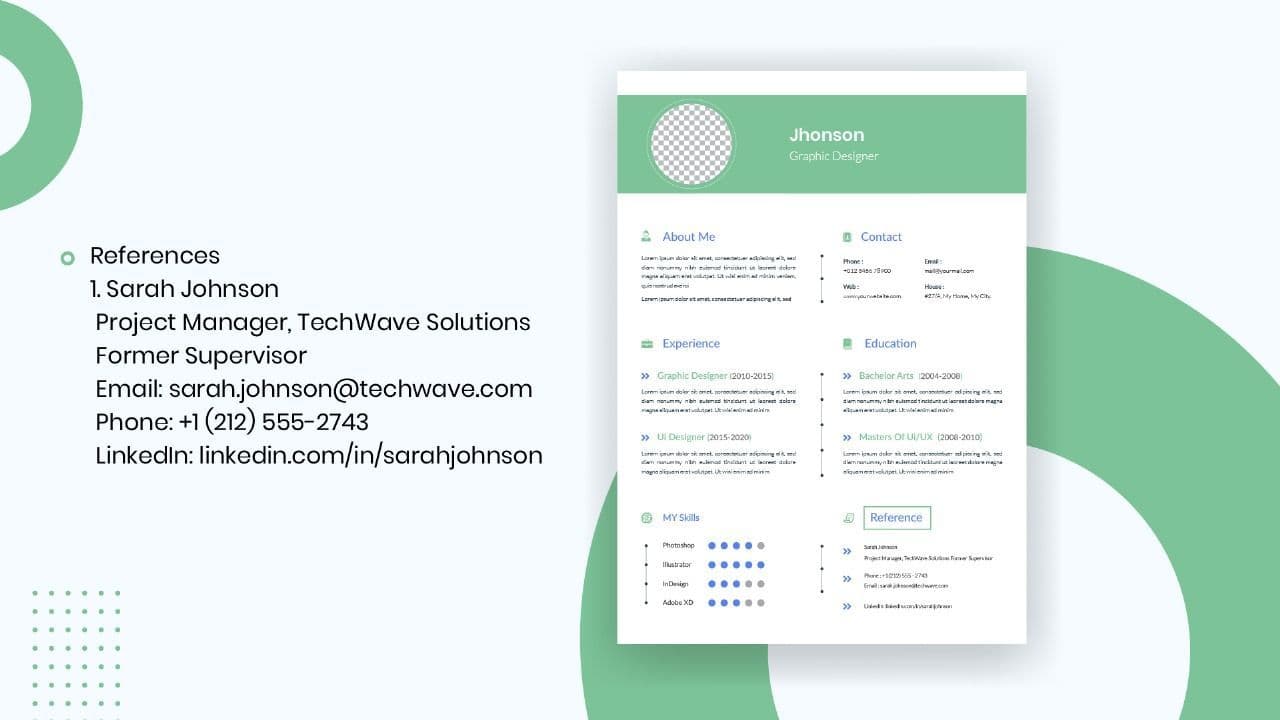
How to List References on a Resume in 2026
Learn the modern 2026 approach to listing references on your resume for maximum professionalism and recruiter impact.

Is Sound CV good for students and fresh graduates with no experience?
Sound CV is perfect for students and fresh graduates, helping them create professional resumes that highlight skills, projects, and potential even with little or no work experience.
Why Sound CV Is Different from Other AI Resume Builders
Sound CV stands out by creating job-focused, ATS-friendly resumes that highlight real achievements, not just generic content.
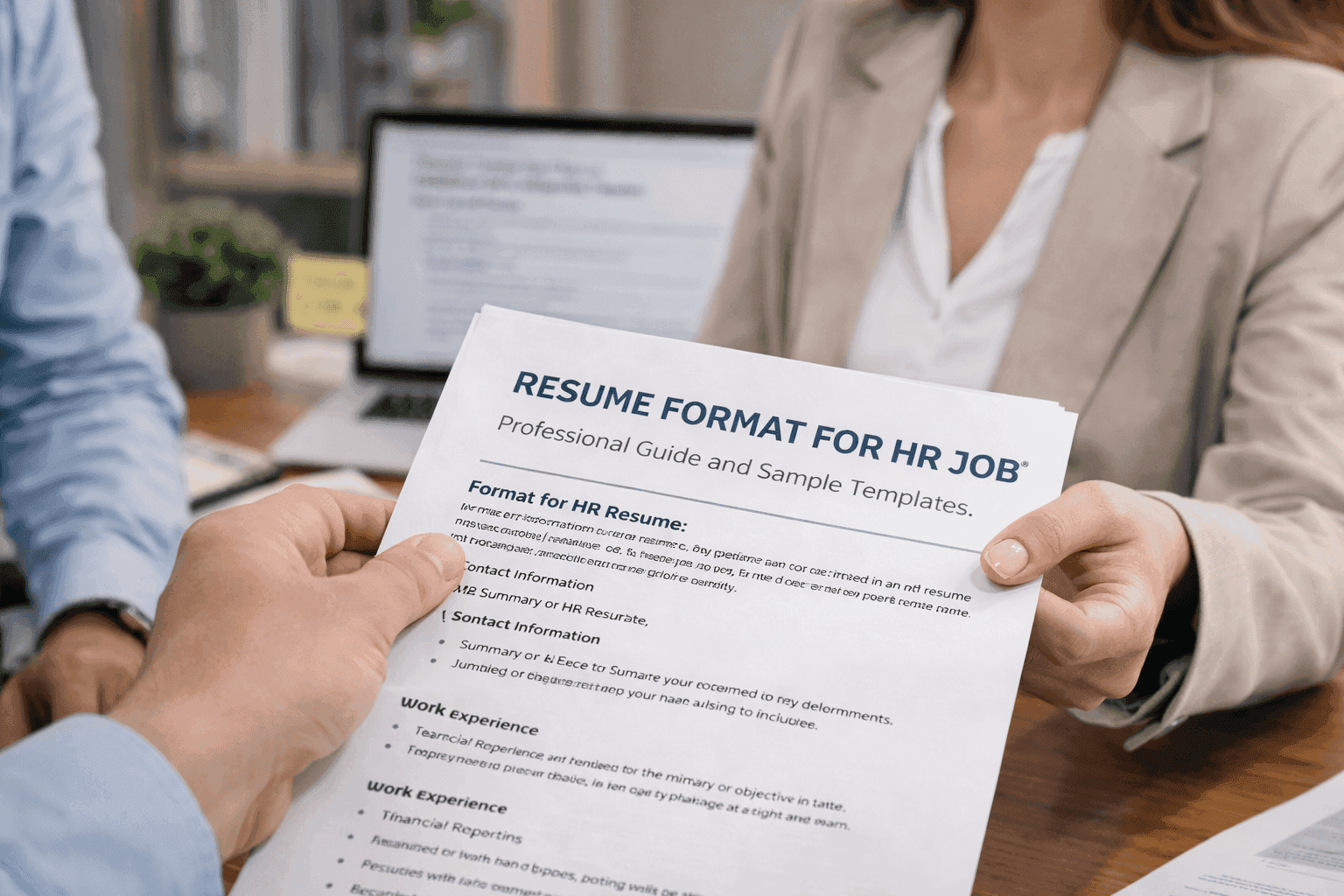
Resume Format for HR Job: Professional Guide and Sample Templates
A complete guide to the best resume format for HR jobs, with expert tips and sample templates to help you create a professional and job-ready resume.
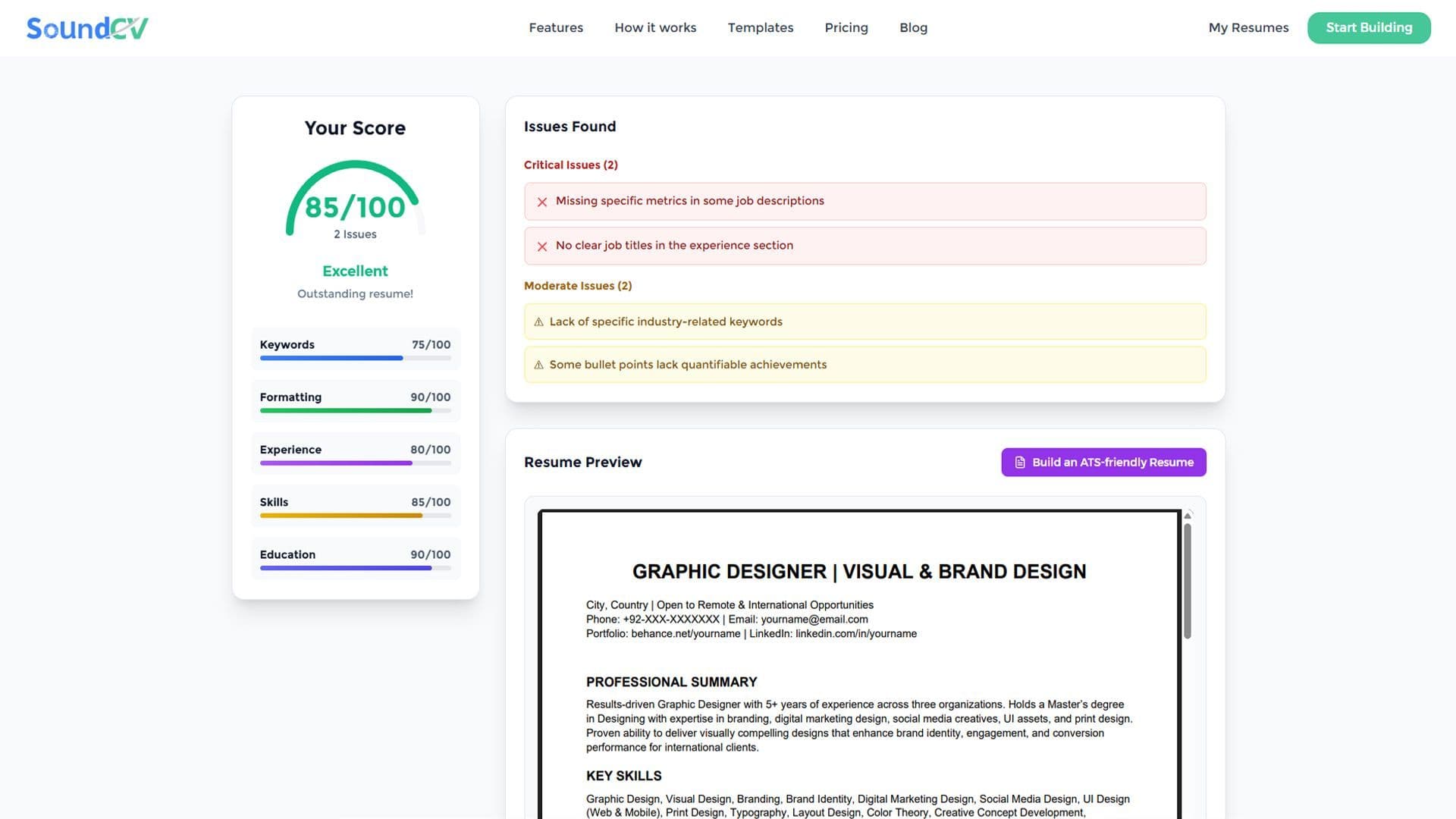
How Does the Sound CV Resume Score Checker Work?
The Sound CV Resume Score Checker analyzes your resume against ATS requirements, job-specific keywords, and structure to provide an instant, actionable score.
What Is a Sound CV? Features, Benefits, and How It Works
A Sound CV is an AI-powered resume that is tailored, ATS-optimized, and designed to showcase your skills and achievements to help you stand out to recruiters.