Top AI Skills Employers Want on Your Resume in 2026
Top AI skills employers want on resumes, including AI tools, automation, prompt engineering, and real examples to stand out.
Overview
Artificial intelligence skills are now essential for modern jobs. This guide explains the top AI skills employers want on your resume, including AI tools, automation, prompt engineering, data literacy, and machine learning basics. Learn how to list AI skills correctly, avoid common mistakes, and use real examples to improve hiring chances.
Artificial intelligence is transforming every industry from marketing and finance to healthcare and software engineering. Because of this rapid adoption, employers are increasingly looking for candidates who understand AI technologies, can work with AI tools, or can adapt to AI-driven workflows. Whether you’re an entry-level professional trying to stay relevant or an experienced worker looking to upgrade your resume, showcasing AI skills can significantly improve your hiring potential.
But with so many AI tools, technologies, and buzzwords everywhere, it can be confusing to know what employers actually want. Do you need to learn coding? Should you focus on AI productivity tools? Or do hiring managers prefer technical skills like machine learning and data science?
This guide breaks down the top AI skills employers are actively searching for today. Whether you're in tech, business, creative fields, or administrative roles, understanding and adding these skills to your resume can give you a major competitive advantage.
Key Points
AI skills are now required across almost every industry
Employers value AI productivity tools and automation experience
Prompt engineering is a high-demand, non-technical AI skill
Data literacy and AI-assisted decision-making boost employability
Showing results matters more than listing AI buzzwords
1. AI Productivity & Automation Tools
This is the most in-demand AI skill category for non-technical roles. Employers want people who can work smarter, save time, and automate tasks.
Popular tools employers value:
- ChatGPT
- Jasper AI
- Notion AI
- Canva AI
- Microsoft Copilot
- Google Gemini
- Descript (AI video editing)
- Zapier Automation
- Midjourney / DALL·E (AI images)
Why employers want this skill:
AI tools help teams:
- Write faster
- Automate repetitive tasks
- Improve accuracy
- Boost productivity
- Reduce manual workload
If you can show that you use AI to speed up workflows, you instantly become more valuable.
Sample resume bullet:
“Used ChatGPT and Notion AI to automate reporting tasks, reducing weekly admin work by 30%.”
Also Read : What Is the Purpose of a Resume? (Complete Guide 2026)
2. Prompt Engineering
Prompt engineering is one of the fastest-growing AI skills. It refers to the ability to write clear, effective prompts for AI tools to produce accurate results.
Why it's important:
AI tools only work well when guided correctly.
Employers want candidates who know how to:
- Give structured prompts
- Break tasks into steps
- Generate consistent outputs
- Troubleshoot AI errors
- Improve results with iteration
Sample resume bullet:
“Developed precise prompts to improve AI-generated content quality, reducing editing time by 40%.”
Also Read : Can AI Help You Write a Better Resume? Benefits, Tools & Tips
3. Data Literacy & Understanding AI Outputs
AI uses data to generate results. Employers want people who understand:
- How to read dashboards
- How to analyze AI-generated insights
- How to identify data errors
- How AI models make decisions
- Bias, accuracy, and reliability issues
You don’t need to be a data scientist, just being “data literate” makes you a stronger candidate.
Sample resume bullet:
“Interpreted AI-driven analytics to support marketing decisions and improve campaign performance.”
Also Read : How to List Publications on a Resume (Examples & Format Guide)
4. Machine Learning Basics
For technical and semi-technical roles, basic ML knowledge is highly valuable. Even if you’re not building models, employers want people who understand:
- What machine learning is
- How algorithms work (at a high level)
- Training vs. testing data
- Model accuracy & evaluation
- Common ML use cases
Relevant resume keywords:
- Supervised learning
- Unsupervised learning
- Regression
- Classification
- Clustering
- Neural networks
- Feature engineering
Sample resume bullet:
“Applied basic ML principles to assist in model evaluation and improve prediction accuracy.”
Also Read : ATS Full Form in Resume: Resume Guide with Examples (2026)
5. Natural Language Processing (NLP)
NLP powers tools like ChatGPT, chatbots, voice assistants, and text analytics.
NLP skills employers look for:
- Text classification
- Sentiment analysis
- Chatbot training
- Large language model usage
- Text summarization
- Keyword extraction
Where NLP is used:
- Marketing
- HR automation
- Customer support
- Content writing
- Research
- SaaS platforms
Sample resume bullet:
“Used NLP tools to analyze customer feedback and identify trends that improved product updates.”
Also Read : First Job Resume Examples with Samples & Writing Tips
6. AI-Assisted Content Creation
In marketing, design, social media, writing, and video production, AI-powered creativity is a major advantage.
Skills employers value:
- AI writing (ChatGPT, Jasper)
- AI image generation (Midjourney, DALL·E)
- AI video editing (Descript, Runway)
- AI slide/template creation
- AI-powered SEO content
- AI social media automation
Sample resume bullet:
“Created SEO-optimized content using AI writing tools, increasing organic traffic by 50% in 3 months.”
Also Read : Free Resume Template for Freshers With Expert Writing Tips
7. AI-Based Data Analysis
Businesses want people who can analyze data using AI-based dashboards and tools.
Popular tools:
- Power BI (AI-driven insights)
- Google Analytics AI features
- Tableau AI
- Excel AI functions
- CRM analytics tools (HubSpot, Salesforce)
Why it’s valuable:
Companies need people who turn data into decisions.
Sample resume bullet:
“Used AI-powered analytics dashboards to track customer behavior and improve conversion rates.”
Also Read : How to Write a Resume with Project Details (Examples & Tips)
8. Automation & Workflow Optimization
AI helps automate repetitive tasks. Employers want candidates who can build or manage automated workflows using tools like:
- Zapier
- Make.com
- n8n
- Notion automation
- Email automation
- CRM automation
Sample resume bullet:
“Built automated workflows using Zapier, saving 10+ hours per week.”
Also Read : How to Add Certifications in Resume: Complete Guide with Examples
9. AI Ethics & Responsible AI Use
Companies care about transparency, fairness, and responsible use of AI.
Even basic knowledge of AI ethics is a strong resume booster.
Skills include:
- Understanding AI bias
- Privacy & data protection
- Ethical data collection
- Safe usage practices
- Responsible prompt design
Sample resume bullet:
“Ensured ethical AI usage by reviewing outputs for accuracy, bias, and data privacy compliance.”
Also Read : ATS Friendly Resume Template (Free Template + Pro Tips)
10. AI Collaboration & Human-AI Interaction
AI isn’t replacing humans, it's changing how humans work with AI systems.
Employers want people who know how to:
- Use AI as a teammate
- Validate AI results
- Combine human creativity with AI automation
- Improve workflows using AI assistance
- Provide oversight on AI-generated work
Sample resume bullet:
“Collaborated with AI tools to streamline documentation and enhance team productivity.”
Also Read : Biodata Format for Job with Free Template and Pro Tips
11. Basic Coding for AI (Optional but Powerful)
Not required for every job but extremely valuable for technical roles.
Helpful coding skills include:
- Python
- SQL
- Basic APIs
- TensorFlow or PyTorch (beginner level)
- Pandas / NumPy
- Jupyter Notebooks
Sample resume bullet:
“Wrote basic Python scripts to preprocess data and automate repetitive analysis tasks.”
Also Read : How Does the Sound CV Resume Score Checker Work?
12. AI Tools for Business Operations
In business, operational, and administrative roles, knowing AI tools is a major advantage.
Useful tools include:
- CRM AI features
- AI scheduling assistants
- AI email drafting tools
- AI project management tools
- AI tools for customer service
Sample resume bullet:
“Used AI tools to automate scheduling and reduce administrative workload by 40%.”
Also Read : Customer Service Skills: Complete Guide (2026)
13. AI in Marketing & Sales
If you're applying for marketing or sales roles, AI skills are now essential.
Important skills:
- AI SEO tools (Surfer, Writesonic, SEMrush AI)
- AI ad optimization
- Chatbot handling
- Customer behavior prediction
- AI lead scoring
- Personalized email generation
Sample resume bullet:
“Used AI-powered SEO and ad optimization tools to reduce campaign costs by 20%.”
Also Read : Harvard CV Format (Free Template + Pro Tips) | 2026 Resume Guide
14. AI Skill Keywords to Add to Your Resume
Here are strong AI-related keywords you can include:
- Prompt engineering
- AI content creation
- AI workflow automation
- Machine learning fundamentals
- NLP (Natural Language Processing)
- Data analysis with AI tools
- ChatGPT-powered writing
- AI-assisted research
- AI-assisted design
- AI productivity tools
- AI-powered analytics
- Ethical AI practices
- Predictive analytics
- AI-driven customer insights
Using these strategically boosts ATS compatibility.
Also Read : What Are Interpersonal Skills: Definition and Examples
15. How to Add AI Skills to Your Resume (Correct Format)
Option 1: Add Them in the Skills Section
Example:
AI Skills:
- Prompt engineering
- AI content creation
- ChatGPT automation
- AI-powered analytics
Option 2: Add Them in Your Experience Section
Example:
“Used ChatGPT to draft documentation, reducing writing time by 50%.”
Option 3: Create an ‘AI Tools’ Section
Example:
AI Tools:
ChatGPT, Midjourney, Copilot, Notion AI, Zapier, Google Gemini, Runway ML.
Option 4: Add Certifications
Example:
- Google AI Essentials
- Microsoft AI Fundamentals
- Coursera AI for Everyone
16. Mistakes to Avoid When Listing AI Skills
- Don’t list tools you never used
- Don’t exaggerate technical knowledge
- Don’t use buzzwords without context
- Don’t only list tools show results
- Don’t copy AI-generated phrases word-for-word
- Avoid saying you “let AI do your job”
Instead, show how AI helped you improve performance.
Also Read : What Are Analytical Skills: Definition, Examples & FAQs (2026)
Conclusion
Adding AI skills to your resume is no longer optional, it's essential. Employers across every industry want candidates who can work confidently with AI tools, improve productivity, automate tasks, analyze data, and adapt to new technology. Whether you're in marketing, tech, customer service, sales, admin, finance, or creative roles, AI skills make you stand out from competitors instantly.
You don’t need to be a programmer or data scientist. Even basic skills like prompt engineering, using ChatGPT for writing, AI-assisted design, AI workflow automation, or AI-powered analytics can significantly boost your resume’s value. When you combine these skills with real achievements and measurable results, you give employers clear proof that you understand modern tools and can contribute to an AI-powered workplace.
The future of work belongs to people who know how to collaborate with AI not replace it. By learning the right skills and using them wisely, you’ll stay competitive, improve your job prospects, and position yourself as a forward-thinking professional ready for the jobs of tomorrow.
FAQs
Frequently asked questions about this topic
Related Blogs
Explore more insights and guides you might like.
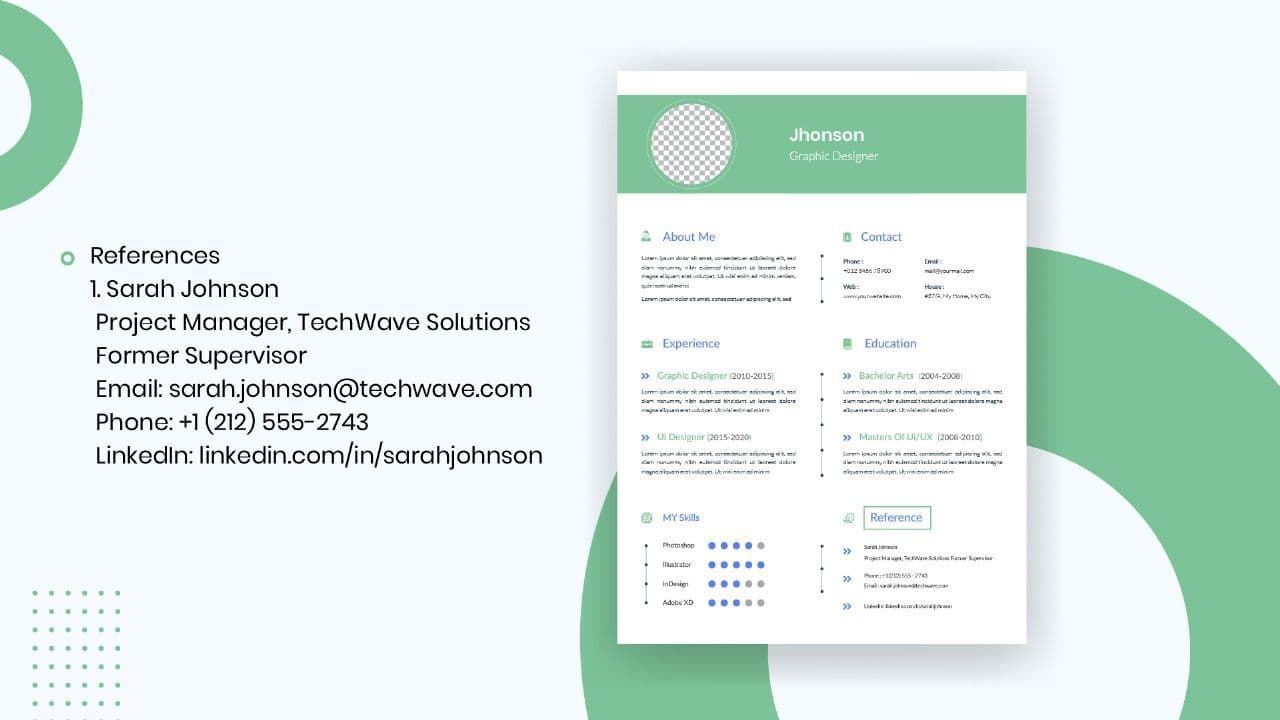
How to List References on a Resume in 2026
Learn the modern 2026 approach to listing references on your resume for maximum professionalism and recruiter impact.

Is Sound CV good for students and fresh graduates with no experience?
Sound CV is perfect for students and fresh graduates, helping them create professional resumes that highlight skills, projects, and potential even with little or no work experience.
Why Sound CV Is Different from Other AI Resume Builders
Sound CV stands out by creating job-focused, ATS-friendly resumes that highlight real achievements, not just generic content.
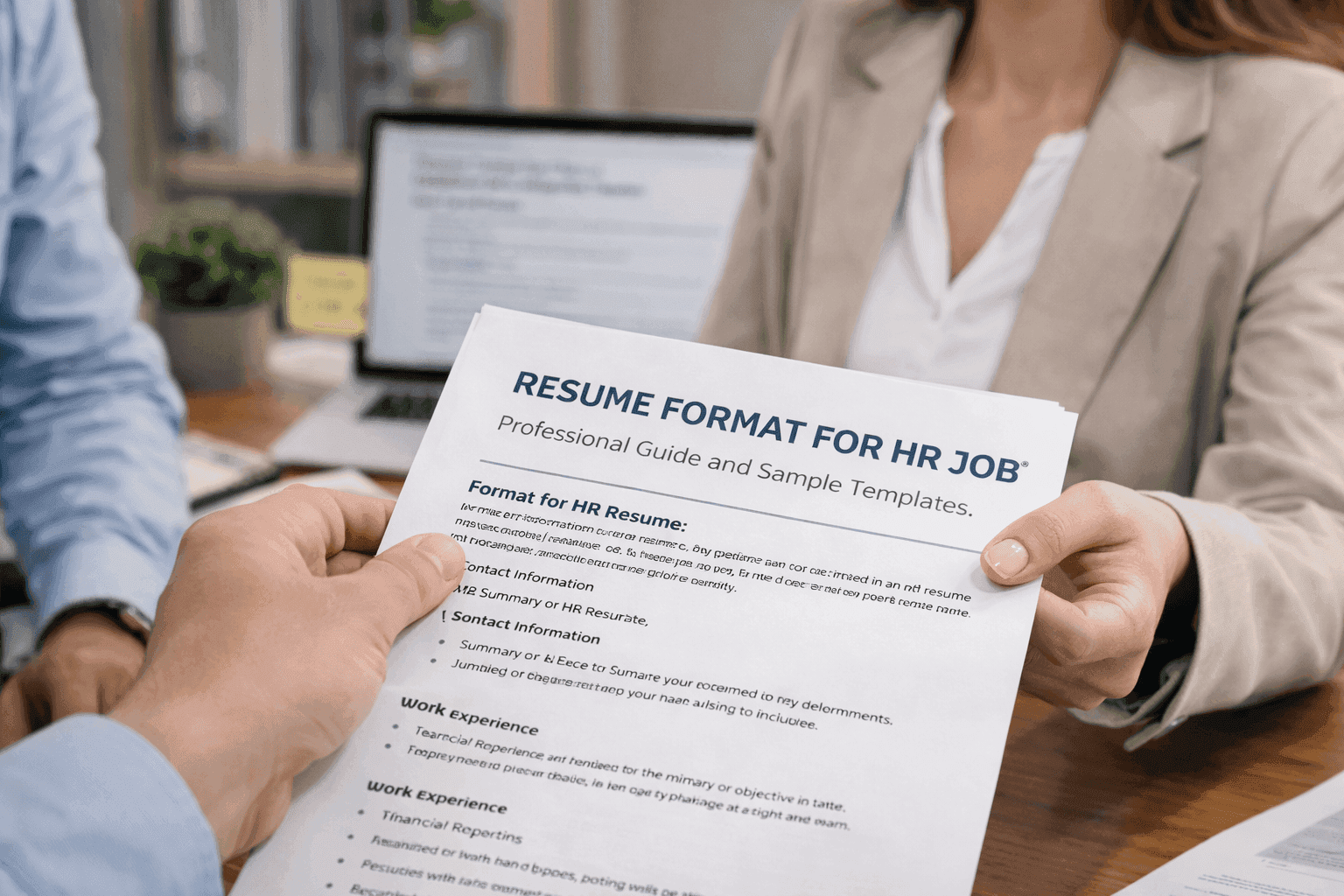
Resume Format for HR Job: Professional Guide and Sample Templates
A complete guide to the best resume format for HR jobs, with expert tips and sample templates to help you create a professional and job-ready resume.
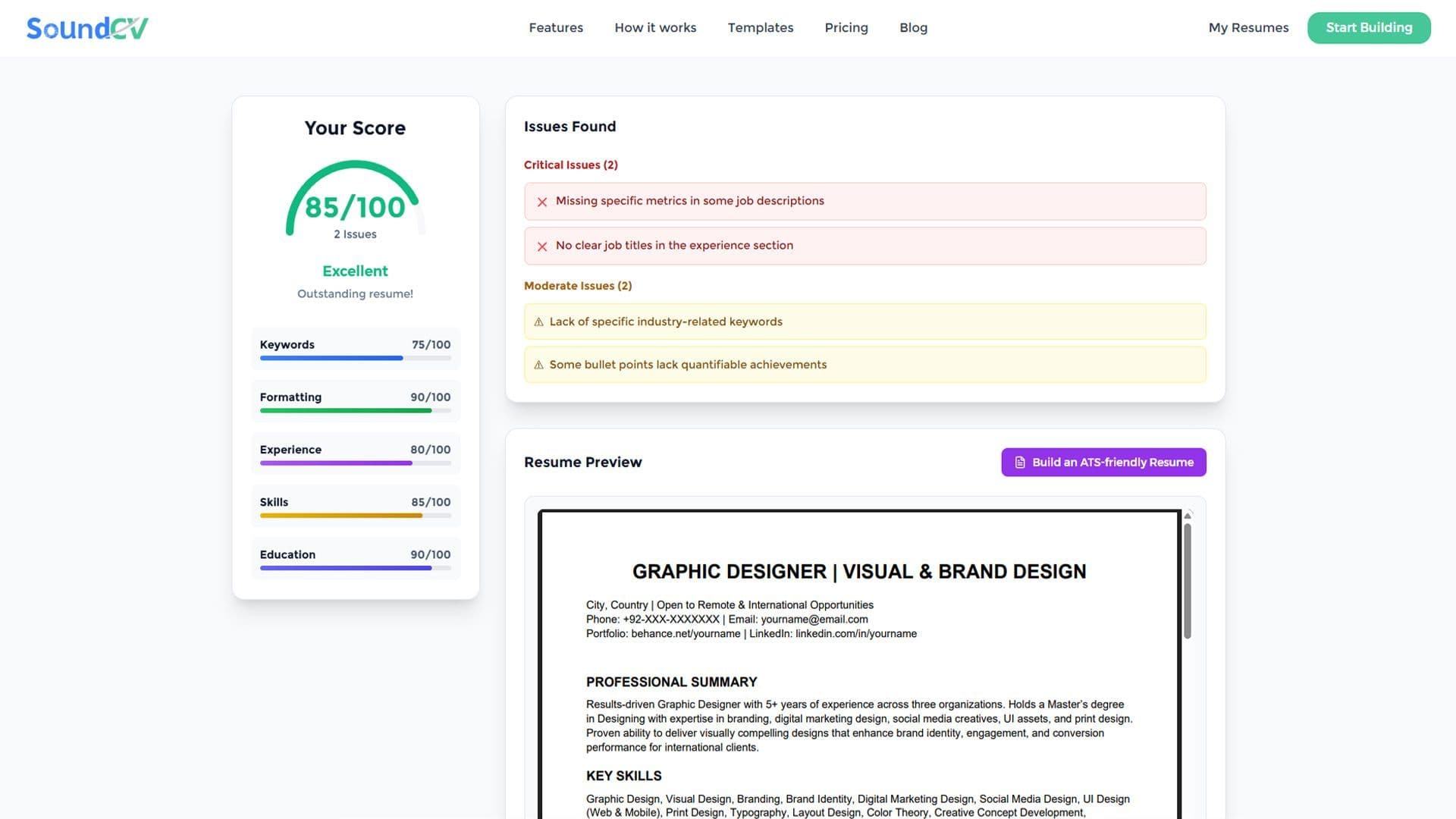
How Does the Sound CV Resume Score Checker Work?
The Sound CV Resume Score Checker analyzes your resume against ATS requirements, job-specific keywords, and structure to provide an instant, actionable score.
What Is a Sound CV? Features, Benefits, and How It Works
A Sound CV is an AI-powered resume that is tailored, ATS-optimized, and designed to showcase your skills and achievements to help you stand out to recruiters.