Biodata Format for Job with Free Template and Pro Tips
A complete guide to the best biodata format for jobs, including a free template and expert tips to help you get shortlisted faster.
Overview
A well-structured biodata format for a job helps you create a strong first impression and improves your chances of getting shortlisted. This guide explains what a job biodata is, how it differs from a resume or CV, and provides simple templates, examples, tips, and common mistakes to avoid. With Sound CV, creating a professional, ATS-friendly biodata becomes quick and easy.
When applying for a job, your biodata is often the first document employers review to understand who you are, your background, qualifications, and suitability for the role. A well-structured biodata format for a job can instantly create a positive first impression and increase your chances of shortlisting. Whether you are a fresher or an experienced professional, using the right biodata format helps present your personal, educational, and professional details clearly and professionally.
In this guide, you’ll get a free biodata template, multiple biodata examples, and expert writing tips to create a job-winning biodata. You’ll also learn the difference between biodata, CV, and resume so you know when to use which one.
Key Points
A job biodata is usually a one-page document that highlights personal, educational, and basic professional details.
Using the right biodata format for a job helps create a strong first impression and speeds up recruiter screening.
Biodata is commonly used for freshers, government jobs, internships, and entry-level roles in South Asia.
A clear structure and simple formatting improve readability and ATS compatibility.
Always include job-relevant skills and experience, avoiding unnecessary personal information.
Customizing your biodata for each role increases your shortlisting chances.
What is a Biodata for a Job?
Biodata (short for biographical data) is a one-page structured document that highlights an individual’s personal information, education, skills, experience, and other relevant details for employment. It is commonly used in South Asian countries including India, Pakistan, Bangladesh, Nepal, and Sri Lanka.
Unlike a resume, which focuses on skills and achievements, a biodata includes more personal and background details to give a quick overview of the candidate.
Also Read:What Are Analytical Skills: Definition and Examples
Importance of a Good Biodata Format for Job Applications
Using a clear and professional biodata format for a job application is essential because it helps recruiters quickly understand your background and suitability for the role. A well-structured biodata creates a strong and positive first impression, making your profile appear organized and credible from the start.
A good biodata format ensures that your personal, educational, and professional details are easy to read and well-arranged, allowing employers to find key information without effort. This clarity saves valuable time during the screening process, especially when recruiters are reviewing multiple applications.
Most importantly, a professionally formatted biodata reflects your discipline, attention to detail, and clarity of thought, all of which are qualities employers look for in candidates. By using the right format, you increase your chances of getting noticed, shortlisted, and invited for the next stage of the hiring process.
Also Read:What Is a Sound CV?
Employers often receive hundreds of job applications, so a well-designed biodata format can help you stand out and get noticed faster.
Difference Between Biodata, Resume, and CV
Quick Tip:If you are applying for entry-level or government jobs in South Asia, a biodata format for the job works best. For international corporate roles, a resume or CV is recommended.
What to Include in a Job Biodata Format
A standard biodata format for job should include the following:
1. Personal Information
- Full Name
- Father’s/Husband’s Name
- Date of Birth
- Gender
- Nationality
- Marital Status
- Contact Details
- Address
2. Educational Qualifications
List in reverse chronological order:
| Qualification | Institution | Year | Marks/Grade |
3. Work Experience
(If you have experience; if not, mention internships or projects)
Include:
- Company Name
- Job Title
- Duration
- Key Responsibilities
4. Skills & Strengths
Mention job-relevant skills, not generic ones.
5. Personal Details (Optional)
- Languages Known
- Hobbies & Interests
- Permanent Address
6. Declaration
A simple statement to confirm authenticity of details.
Also Read:Technical Skills for a Resume: Examples & Tips
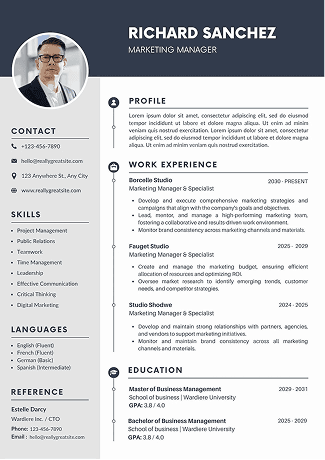
Simple Biodata Format for Job just copy the template and use it
BIODATA
Name:
Date of Birth:
Gender:
Marital Status:
Nationality:
Contact Number:
Email:
Address:
Educational Qualification:
- [Degree/Board] – [Institute Name] – [Year] – [Percentage/Grade]
- [Degree/Board] – [Institute Name] – [Year] – [Percentage/Grade]
Work Experience (if any):
- Company Name:
Designation:
Duration:
Key Responsibilities:
Skills:
-
-
Languages Known:
-
-
Hobbies:
-
-
Declaration:
I hereby declare that all the details mentioned above are true and correct to the best of my knowledge.
Date:
Place:
Signature:
Biodata Format for Job Application
Use this version if applying to corporate or private sector jobs:
PROFESSIONAL BIODATA
Personal Information:
Name:
Phone:
Email:
Location:
LinkedIn (Optional):
Career Objective:
A 2–3 line statement highlighting your career goals and value to the company.
Educational Background:
[Degree] – [Specialization] – [Institute] – [Year] – [Grade]
Experience:
Job Title – Company Name – Location – Duration
• Key Achievement/Responsibility
• Key Achievement/Responsibility
Skills:
• Technical Skills
• Soft Skills
Certifications & Training:
Languages:
Declaration:
I hereby declare that the information provided is accurate and complete.
Date:
Signature:
Also Read:Top 20 AI Resume Builders for Fresh Graduates and Job Seekers
Biodata Format for Government Job Application
GOVERNMENT JOB BIODATA FORMAT
Name:
Father’s Name:
Mother’s Name:
DOB:
Nationality:
Religion:
Category (General/OBC/SC/ST):
Language Proficiency:
Permanent Address:
Correspondence Address:
Academic Profile:
[Qualification, Institution, Board/University, Year, Marks]
Experience:
[List in detail with verified documents]
Additional Information:
• Aadhaar No/PAN No (Optional)
• Domicile State
• Nationality Certificate Details
Declaration:
I declare that the facts given above are true to the best of my knowledge.
Date:
Signature:
Pro Tips to Make Your Biodata Stand Out
Keep It One Page
A one-page biodata is short, precise, and easy to scan. Recruiters prefer concise documents that highlight key information quickly without unnecessary details.
Tailor It to the Job
Avoid using the same biodata for every application. Slightly customize your content for each role by matching skills, keywords, and experience with the job description.
Use Job-Relevant Skills Only
Focus on skills that directly support the position. Avoid generic words like “hardworking” or “team player” unless you back them up with clear achievements or results.
Proofread Before Sending
Small grammar, spelling, or formatting mistakes can hurt your chances. Always review your biodata carefully or use a smart tool like Sound CV to check for errors before applying.
Also Check Out Resume Related Blog:
Common Mistakes to Avoid
Writing long paragraphs
Recruiters usually scan a biodata in a few seconds. Long paragraphs make it hard to read. Use short sentences and bullet points to highlight important information.
Adding unnecessary personal details
Details such as age, marital status, religion, height, weight, or ID numbers are not required unless specifically requested. Focus only on job-related information.
Weak formatting or messy layout
Poor formatting, inconsistent fonts, or unclear headings can reduce your chances. A clean, well-structured layout makes your biodata easy to read and ATS-friendly.
Including unrelated hobbies and skills
Hobbies or skills that are not relevant to the job only add clutter. Include only those skills and experiences that support the position you’re applying for.
Pro Tip:A strong job biodata should be clear, professional, and relevant. If it doesn’t add value to your application, leave it out.
Conclusion
A well-designed biodata format for a job helps you make a strong first impression and improves your chances of getting shortlisted. With Sound CV, you can create a professional, ATS-friendly biodata in minutes. Whether you are a fresher or applying for government, private, or corporate roles, choosing the right biodata format is essential. Use the samples and simple biodata formats provided by Sound CV above to structure your biodata professionally and effectively.
FAQs
Frequently asked questions about this topic
Related Blogs
Explore more insights and guides you might like.

Signs Your Interview Went Bad: How to Spot the Red Flags
Not sure how your interview went? Here are the key signs it may have taken a wrong turn and what they mean for you.
Resignation Letter Format 2026: 10 Free Templates and Samples
The exact resignation letter format for 2026, plus ten free templates and samples you can copy in minutes.
JavaScript Interview Questions and Answers: Complete Guide for Developers
Learn resignation letter format with 7 free templates for different situations. Write professional, clear, and effective resignation letters easily.

Python Interview Questions and Answers (Complete Guide for Beginners & Experts)
Comprehensive Python interview questions and answers guide covering basics, advanced concepts, and expert tips to help you land your dream job.

Words to Describe Yourself: Best Examples for Resume & Interview
Learn powerful words to describe yourself for resumes and interviews with examples, tips, and strategies to stand out professionally
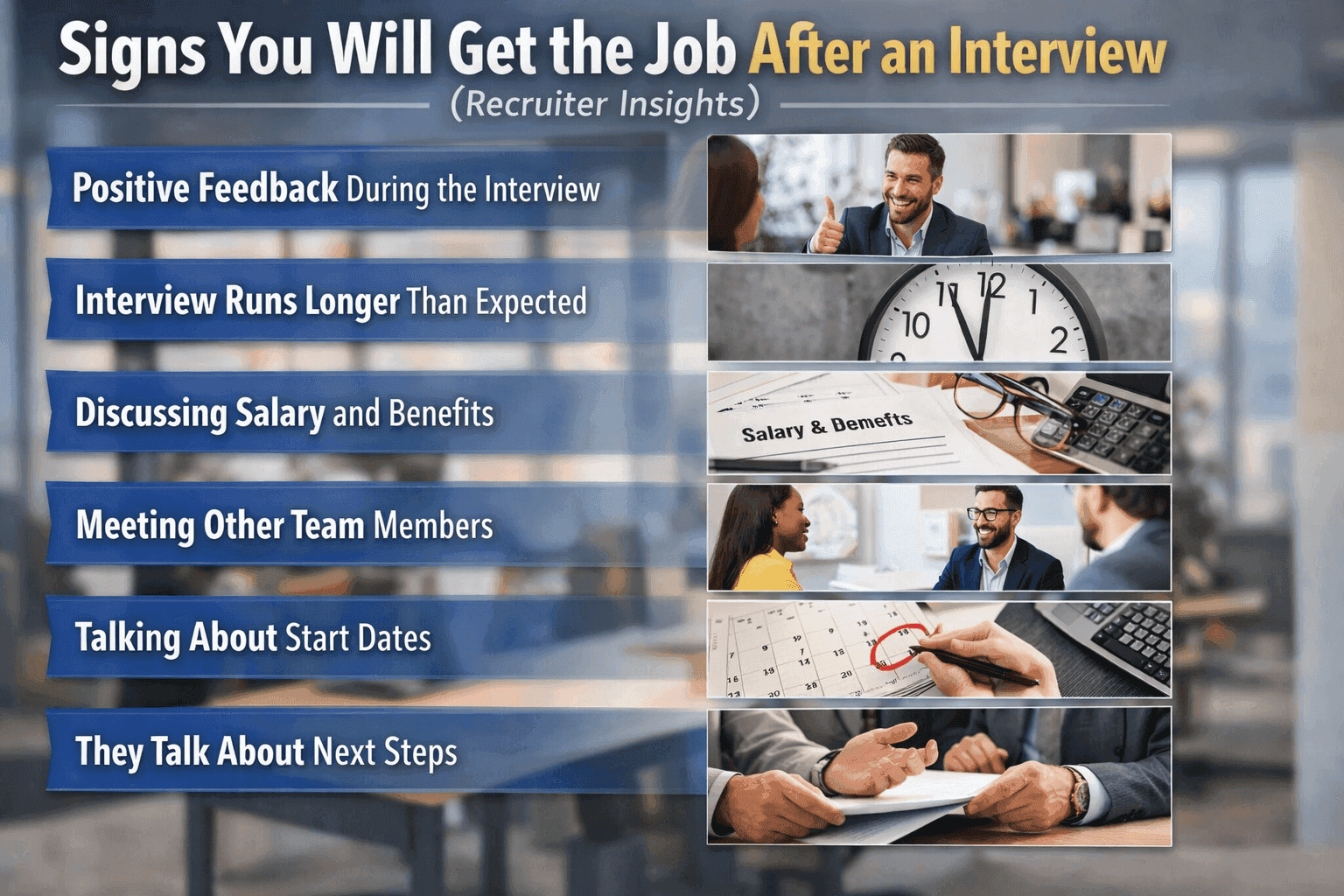
Signs You Will Get the Job After an Interview (Recruiter Insights)
Learn the most reliable signs you will get the job after an interview and how to understand recruiter signals.