What Are Analytical Skills: Definition, Examples & FAQs (2026)
Analytical skills are the ability to evaluate information, identify patterns, and make logical, data-driven decisions. They are essential for problem-solving, strategic thinking, and career success across all industries.
Overview
Analytical skills refer to the ability to collect, interpret, and evaluate information to solve problems and make data-driven decisions. These skills form the foundation of critical thinking and are essential in today’s fast-paced, data-focused work environment. Professionals with strong analytical abilities can break down complex issues, recognize trends, assess risks, and transform insights into actionable strategies. From analyzing sales performance and customer behavior to diagnosing technical issues or improving healthcare outcomes, analytical skills apply across nearly every role and industry. Employers value analytical thinkers because they enhance efficiency, support innovation, and enable smarter decision-making. Developing and effectively showcasing analytical skills on your resume can significantly boost your career prospects and professional credibility.
In every industry from business and technology to healthcare and marketing professionals are expected to solve problems, interpret data, and make sound decisions. These abilities all stem from one essential strength: analytical skills.
So, what are analytical skills, and why do employers value them so highly? In this comprehensive guide, we’ll break down the definition of analytical skills, provide real-world examples, and explain how you can develop and demonstrate them effectively in your career.
Key Points
Analytical skills enable professionals to evaluate data, identify patterns, and make informed decisions
Highly valued across industries including business, technology, healthcare, marketing, and education
Core components include critical thinking, data analysis, problem-solving, research, and attention to detail
Essential for decision-making, innovation, efficiency, and strategic planning
Can be developed through practice, data tools, research, and continuous learning
Strong analytical skills significantly improve employability and career growth in 2025 and beyond
Best showcased on resumes using measurable achievements and real-world outcomes
What Is Meant by Analytical Skills?
Analytical skills refer to the ability to collect, interpret, and analyze information to make logical and well-informed decisions. These skills help you identify problems, evaluate possible solutions, and choose the most effective path forward.
In simple terms, analytical skills allow you to think critically, understand complex issues, and draw meaningful conclusions based on facts rather than assumptions.
Professionals with strong analytical skills can:
- Evaluate data and trends
- Detect patterns or inconsistencies
- Solve problems using evidence
- Make strategic and data-driven decisions
Why Analytical Skills Matter in the Workplace
In 2025 and beyond, analytical thinking has become one of the most sought-after skills in the job market. Employers value analytical thinkers because they can adapt to challenges, interpret data-driven insights, and make informed decisions that improve performance and outcomes.
Here’s why analytical skills are critical:
- Problem-Solving: Helps professionals find practical, creative solutions.
- Decision-Making: Enables logical reasoning and risk evaluation before taking action.
- Efficiency: Improves workflow by identifying gaps or bottlenecks.
- Innovation: Encourages data-backed experimentation and new ideas.
From engineers to HR professionals, analytical skills are universally applicable and essential for both leadership and entry-level roles.
Types of Analytical Skills
Analytical skills include a broad range of cognitive abilities that work together to help you analyze information effectively. Let’s explore the key types:
1. Critical Thinking
This is the ability to evaluate facts objectively and form sound judgments. It involves questioning assumptions and analyzing arguments before making conclusions.
Example: Reviewing multiple vendor proposals before choosing the most cost-effective one.
2. Data Analysis
Interpreting data to make decisions or draw insights is a crucial part of analytical thinking.
Example: A business analyst examining quarterly sales reports to identify declining product trends.
3. Research Skills
Research involves collecting relevant information from credible sources, verifying its accuracy, and presenting it clearly.
Example: A student gathering academic studies for a thesis or report.
4. Problem-Solving
Problem-solving requires identifying the cause of a challenge and determining actionable solutions.
Example: An IT technician troubleshooting why a system keeps crashing.
5. Communication of Insights
Being analytical isn’t just about understanding data it’s about explaining it clearly. Strong communicators can translate complex findings into easy-to-understand information.
Example: A manager presenting performance results to non-technical team members.
6. Attention to Detail
Analytical thinkers notice small discrepancies or patterns others might overlook.Example: An accountant catching a decimal error in financial statements.
What Are Analytical Skills Examples?
If you’re wondering what are analytical skills examples, here are some practical, job-related instances that show how analytical thinking applies in different roles:
In Business
- Conducting SWOT analysis to identify company strengths and weaknesses
- Forecasting sales using statistical data
- Analyzing customer feedback to improve service
In Marketing
- Measuring campaign performance using Google Analytics
- Studying audience behavior to personalize content
- Testing ad variations (A/B testing) to increase conversions
In Data Science & IT
- Writing SQL queries to extract key data
- Debugging code errors to improve system performance
- Applying machine learning models to identify patterns
In Healthcare
- Diagnosing patient conditions using medical history data
- Evaluating treatment outcomes
- Conducting research on new medical procedures
In Education
- Assessing student performance trends
- Analyzing test results for curriculum improvement
How to Develop Analytical Skills
If you want to strengthen your analytical abilities, start with these practical steps:
1. Practice Problem-Solving Daily
Tackle puzzles, brain games, or case studies that challenge logical reasoning.
2. Learn Data Tools
Familiarize yourself with Excel, Power BI, or Google Analytics tools that help you analyze and visualize data effectively.
3. Read and Research Regularly
Developing a habit of reading reports, articles, and case studies enhances your comprehension and critical analysis.
4. Ask “Why” and “How” Questions
Curiosity is the foundation of analytical thinking. Instead of accepting information at face value, dig deeper to understand the underlying cause.
5. Take Online Courses
Enroll in analytics, logic, or problem-solving courses from platforms like Coursera, Udemy, or LinkedIn Learning.
6. Learn to Visualize Data
Communicating insights visually through charts or infographics helps convey findings clearly to others.
How to Showcase Analytical Skills on a Resume
Employers love to see analytical skills supported by achievements. Here’s how to highlight them effectively:
A. In the Skills Section:
List specific analytical tools or techniques:
“Data Analysis (Excel, Tableau), Critical Thinking, Problem-Solving, Research and Reporting.”
B. In the Experience Section:
Use action verbs and measurable results:
“Analyzed customer retention data to identify trends, leading to a 20% increase in repeat sales.”
C. In the Summary Section:
Demonstrate analytical thinking in your professional profile:
“Analytical marketing strategist with 5+ years of experience leveraging data-driven insights to optimize digital campaigns.”
Real-Life Example
Here’s a quick illustration of how analytical skills are applied in the workplace:
Scenario: A company’s sales dropped by 15% last quarter.
Analytical Approach:
- Collect data on sales, marketing efforts, and customer feedback.
- Identify patterns (e.g., fewer repeat purchases).
- Evaluating potential causes pricing, competition, or product quality.
- Test solutions, such as promotional discounts or feedback surveys.
Result: The company implements a targeted campaign that boosts sales by 25% within three months.
This shows how analytical thinking transforms information into action and measurable results.
Conclusion
Analytical skills are among the most valuable and transferable abilities you can develop in your career. They help you think logically, evaluate situations objectively, and make smart, data-driven decisions.
By understanding what analytical skills are and how to apply them, you’ll strengthen your professional credibility and problem-solving power. Employers in 2025 want analytical thinkers who can transform data into insight and challenges into opportunities.
Next Step: Create your professional resume highlighting your top analytical and technical skills easily with SoundCV the AI-powered resume builder that helps you stand out in every application.
FAQs
Frequently asked questions about this topic
Related Blogs
Explore more insights and guides you might like.
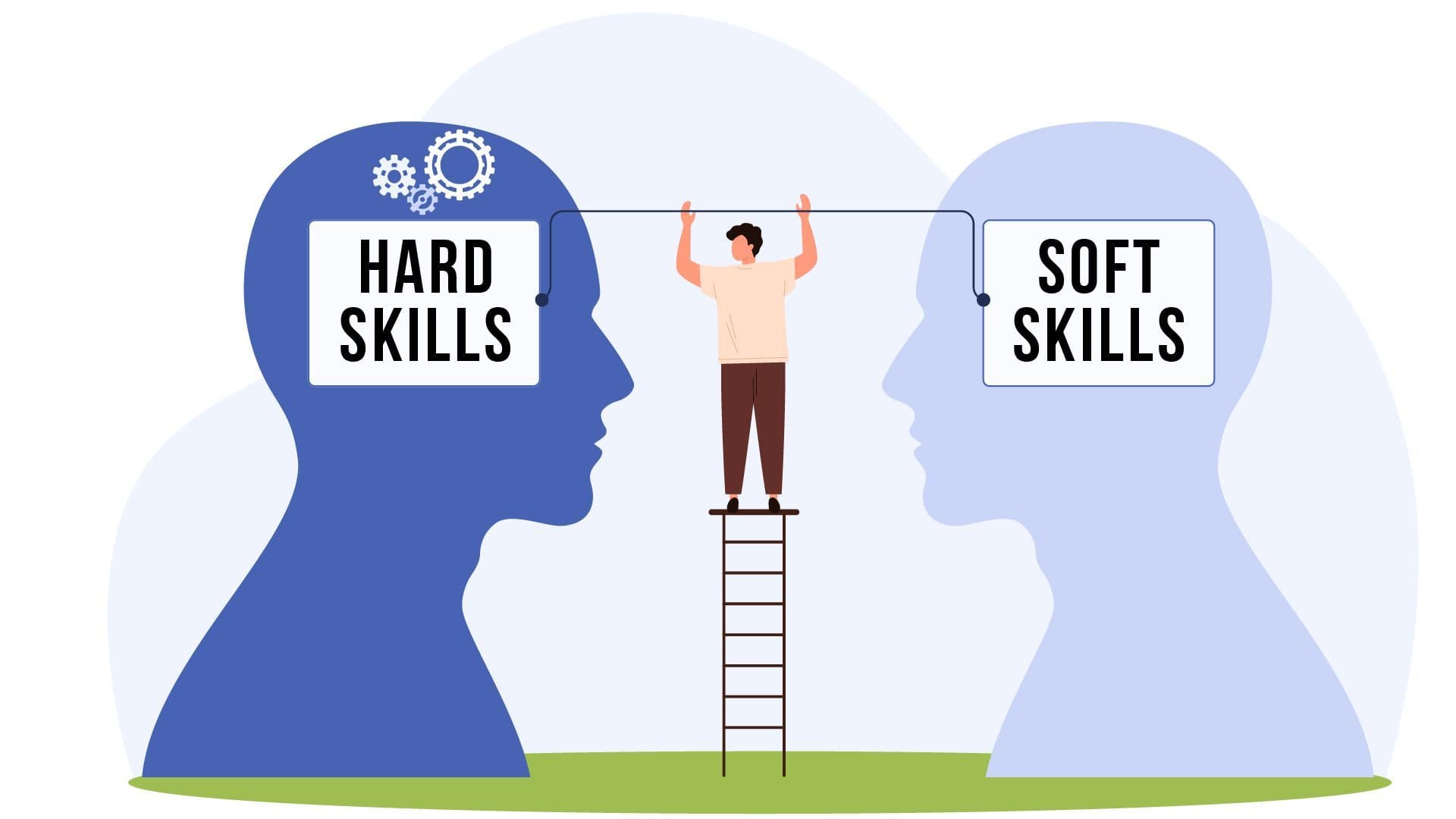
Hard Skills vs Soft Skills: Key Differences, Examples & Use Cases (2025)
Hard skills and soft skills play equally important roles in career success. While hard skills demonstrate your technical expertise and job readiness, soft skills reflect how effectively you work with others, solve problems, and adapt to change. This guide explains the key differences between hard skills vs soft skills, provides real-world examples, and shows how to highlight both on your resume to stand out in today’s competitive job market.
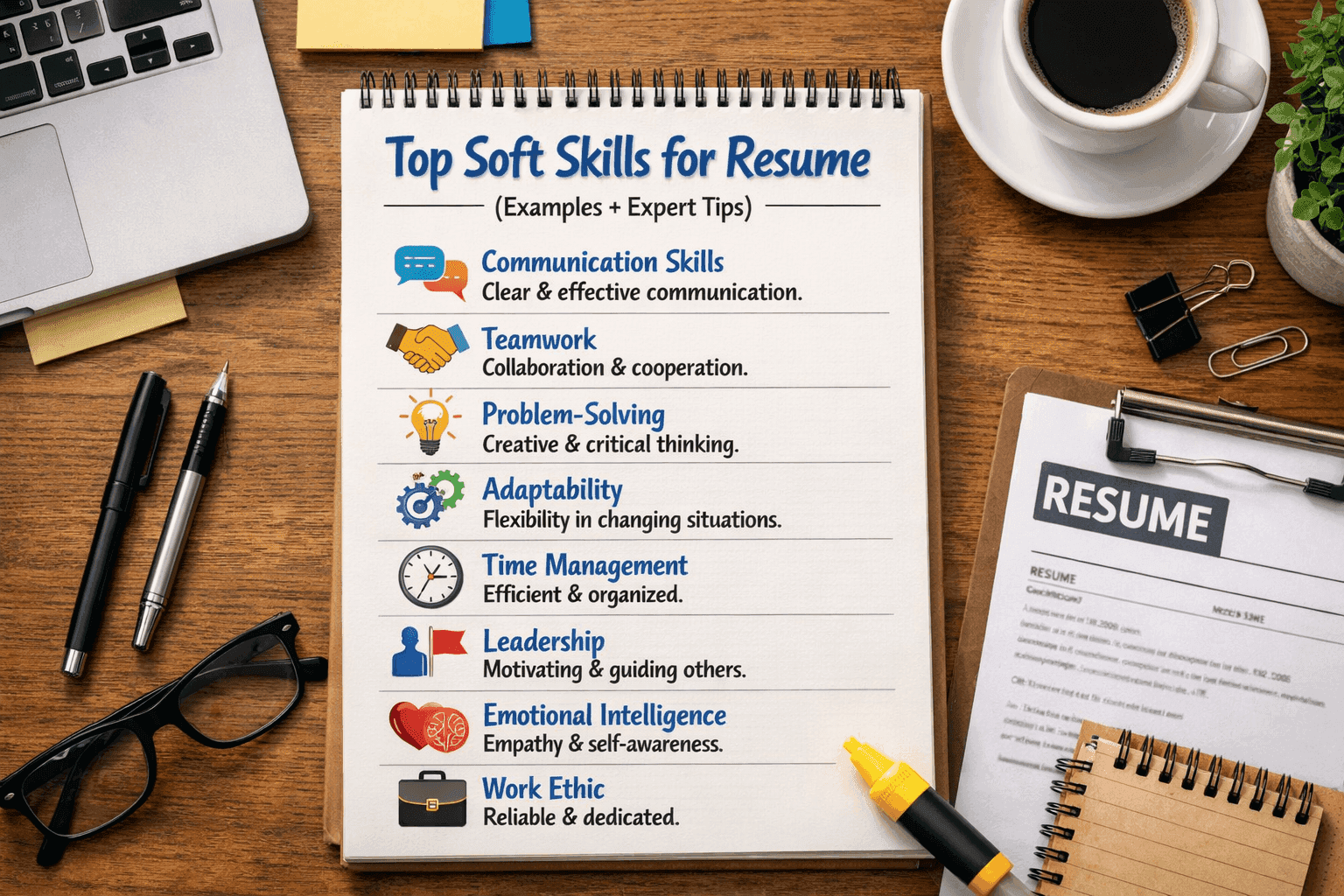
Top Soft Skills for Resume in 2026 (Examples + Expert Tips)
Learn the best soft skills for resume success in 2026 with examples, expert tips, and proven strategies to stand out.

Communication Skills Examples: Examples, Samples & Writing Tips (2025)
Learn communication skills examples for resumes and interviews with writing tips, real samples, and strategies to present your skills effectively.
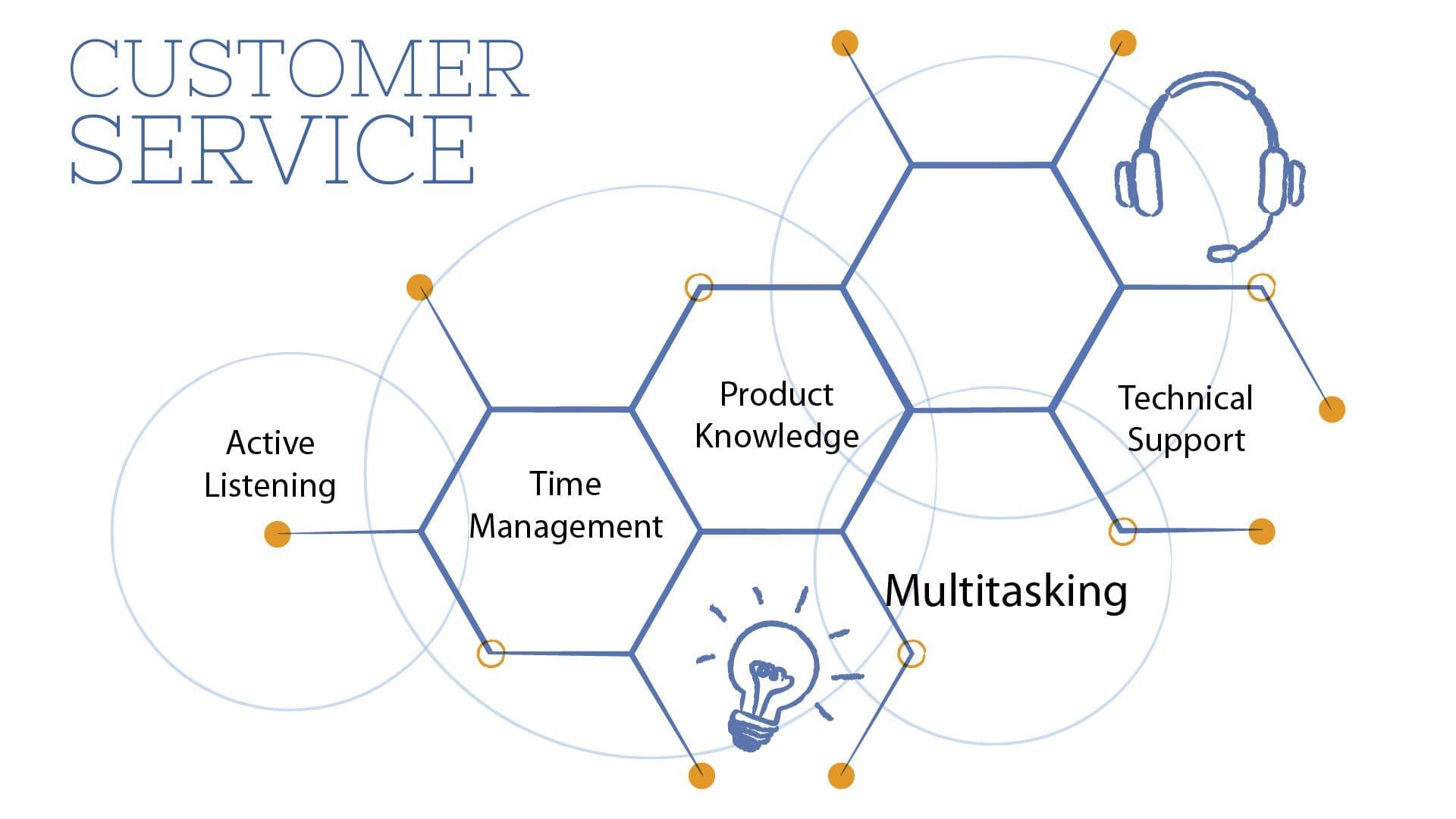
Customer Service Skills: Complete Guide (2026)
Customer service skills drive trust, satisfaction, and loyalty by combining communication, empathy, and problem-solving to deliver exceptional customer experiences in 2026.

Graphic Design Skills: Complete Guide & Resume Tips (2025)
Graphic design skills blend creativity, technical expertise, and strategic thinking to produce visuals that communicate effectively across print, digital, and interactive platforms. In 2025, designers must master modern tools, understand brand communication, and adapt to emerging technologies like AI, motion design, and immersive media.
How to List References on a Resume in 2026
Learn the modern 2026 approach to listing references on your resume for maximum professionalism and recruiter impact.