What Are Interpersonal Skills: Definition and Examples
Interpersonal skills are the abilities that help you communicate effectively, work well with others, and build positive relationships in personal and professional settings.
Overview
Interpersonal skills are essential for workplace success, helping professionals communicate clearly, collaborate effectively, and build strong relationships. This blog explains the meaning of interpersonal skills, why employers value them, key examples, and practical ways to improve and showcase them on a resume. It also compares interpersonal and intrapersonal skills and offers tips for standing out to recruiters.
In today’s fast-paced professional world, technical knowledge isn’t enough to succeed. Employers want people who can communicate effectively, collaborate with others, and build positive relationships. These abilities are known as interpersonal skills the traits that make you easy to work with and reliable in any team setting.
Whether you’re applying for your first job or aiming for a leadership role, understanding what interpersonal skills are and how to demonstrate them on your resume can make a lasting impression.
Key Points:
Interpersonal skills are essential workplace abilities that focus on communication, collaboration, and relationship-building.
Employers value interpersonal skills as much as technical knowledge in modern work environments.
These skills include communication, empathy, teamwork, adaptability, and conflict resolution.
Strong interpersonal skills help build trust, improve productivity, and boost team morale.
They play a major role in career growth, leadership opportunities, and interview success.
Interpersonal skills can be developed through active listening, feedback, emotional awareness, and teamwork.
Showcasing interpersonal skills on a resume improves ATS performance and recruiter interest.
Interpersonal skills differ from intrapersonal skills, which focus on self-management and reflection.
What Do You Mean by Interpersonal Skills?
In simple terms, interpersonal skills are the behaviors and qualities that help you interact with others effectively. They involve emotional intelligence, communication, empathy, and teamwork.
These skills determine how well you can:
- Communicate ideas clearly.
- Build trust and cooperation.
- Resolve conflicts smoothly.
- Support and motivate teammates.
In short, interpersonal skills are the foundation of healthy workplace relationships and effective collaboration.
Also Read:What Are Analytical Skills: Definition and Examples
What Is the Meaning of Interpersonal Skills?
The meaning of interpersonal skills can be described as the “people skills” that help you connect with others whether it’s a colleague, client, or manager. They go beyond what you say and include how you behave, listen, and respond.
A person with strong interpersonal skills can adapt to different personalities, handle pressure calmly, and maintain professionalism even in challenging situations.
Key Characteristics of Interpersonal Skills:
- Emotional awareness and empathy
- Strong communication and listening habits.
- Respect, patience, and adaptability.
- Ability to collaborate and negotiate effectively.
These traits are invaluable for career growth, team success, and leadership.
Why Are Interpersonal Skills Important?
No matter how strong your technical abilities are, success at work depends on how well you interact with others. Interpersonal skills shape daily communication, teamwork, and professional relationships, making them essential in every role and industry.
Build Stronger Relationships
Strong interpersonal skills help you earn trust, respect, and credibility. These qualities are essential for effective teamwork, long-term collaboration, and leadership roles. Employees who can connect genuinely with colleagues and clients often create lasting professional networks and stronger partnerships.
Improve Communication and Productivity
Clear communication reduces misunderstandings, errors, and delays. When teams communicate effectively, tasks are completed faster and with better outcomes. Sharing feedback constructively, giving clear instructions, and actively listening also contribute to smoother project execution.
Enhance Career Opportunities
Employers actively seek candidates with strong people skills. Interpersonal strengths such as collaboration, empathy, and conflict handling often influence hiring, promotions, and leadership selection. Professionals who demonstrate these skills are more likely to be trusted with high-responsibility roles and client-facing tasks.
Boost Team Morale
Positive interactions create a supportive work environment where employees feel heard and appreciated, leading to higher motivation and job satisfaction. Celebrating successes, acknowledging contributions, and encouraging open dialogue strengthen team cohesion.
Support Remote and Hybrid Work
In 2026, with remote and hybrid work becoming standard, interpersonal skills like clear messaging, emotional awareness, and respectful collaboration are essential for maintaining strong team connections across digital platforms. Tools like video calls, messaging apps, and collaborative platforms require professionals to be proactive in communication and engagement.
Reduce Workplace Conflict
Employees with good interpersonal skills handle disagreements professionally, helping prevent conflicts from escalating and keeping teams focused on solutions. Skills like negotiation, empathy, and problem-solving allow colleagues to find common ground and maintain a positive work atmosphere.
Foster Personal Growth
Developing interpersonal skills also boosts self-confidence, emotional intelligence, and adaptability. This not only improves workplace performance but enhances your ability to handle challenges, learn from feedback, and grow as a professional.
Strengthen Leadership Abilities
Leaders with strong interpersonal skills can motivate, inspire, and guide their teams effectively. They are better equipped to delegate tasks, resolve disputes, and cultivate a culture of respect and collaboration.
Also Read:What Is a Sound CV?
Examples of Interpersonal Skills
Here are some of the most valued interpersonal skills examples employers look for on a resume or during interviews:
1. Communication
The ability to convey ideas clearly, whether in writing, meetings, or presentations.
Example: Explaining complex ideas to a client in simple terms.
2. Active Listening
Paying full attention when others speak, asking questions, and responding thoughtfully.
Example: Taking notes during team discussions to show engagement.
3. Teamwork
Working effectively with others toward a shared goal.
Example: Collaborating across departments to deliver a product on time.
4. Empathy
Understanding and sharing the feelings of others to build trust.
Example: Supporting a coworker under stress by offering help.
5. Conflict Resolution
Managing disagreements professionally and finding win-win solutions.
Example: Mediating a discussion between two team members with opposing ideas.
6. Leadership
Guiding and motivating people toward success.
Example: Leading a small team through a challenging project while maintaining morale.
7. Adaptability
Adjusting quickly to new situations or work environments.
Example: Learning new tools or workflows during company transitions.
8. Negotiation
Reaching mutually beneficial agreements without conflict.
Example: Negotiating project deadlines to meet both client and internal needs.
9. Positive Attitude
Maintaining optimism even during difficult times.
Example: Encouraging teammates when facing setbacks.
10. Networking
Building relationships that support professional growth.
Example: Attending industry events and connecting with potential mentors.
Also Read:Technical Skills for a Resume: Examples & Tips
How to Improve Your Interpersonal Skills
You can strengthen your interpersonal skills with consistent effort and self-awareness. Here’s how:
1. Practice Active Listening
Listen more than you speak. Acknowledge others’ ideas and respond thoughtfully.
2. Ask for Feedback
Constructive feedback from managers or colleagues helps identify improvement areas.
3. Work on Emotional Intelligence
Recognize your emotions and learn to manage them before reacting impulsively.
4. Communicate Clearly and Respectfully
Keep your tone professional and avoid jargon. Focus on clarity and respect.
5. Participate in Team Activities
Working with diverse people enhances your adaptability and teamwork skills.
6. Stay Calm Under Pressure
Managing stress effectively helps maintain professionalism and good judgment.
Over time, these habits help you build stronger professional relationships and make you a better communicator and leader.
Also Read:Top 20 AI Resume Builders for Fresh Graduates and Job Seekers
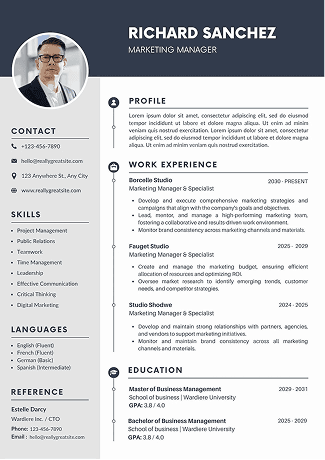
How to Showcase Interpersonal Skills on a Resume
Including interpersonal skills in your resume helps employers recognize your people-focused strengths.
1. Add Them to the Skills Section
List key traits like communication, teamwork, and leadership.
Example:
- Communication and Collaboration
- Conflict Resolution
- Empathy and Adaptability
2. Use Them in Your Summary
Customer-focused marketing specialist skilled in collaboration, active listening, and cross-team leadership.
3. Show Them Through Experience
Use bullet points in your job descriptions to demonstrate these skills in action:
- Led a 5-member team to deliver projects 15% ahead of schedule.
- Resolved client concerns quickly through clear communication and empathy.
This approach shows, rather than tells, that you possess strong interpersonal abilities.
Also Check Out Resume Related Blog:
Interpersonal vs. Intrapersonal Skills
Both are essential for success, but interpersonal skills directly influence how others perceive you in collaborative settings.
Conclusion
Interpersonal skills are the backbone of career success. They help you connect, lead, and grow in any work environment. When employers ask “what are interpersonal skills?”, they’re looking for individuals who can collaborate effectively, communicate clearly, and adapt gracefully to challenges.
In short, your interpersonal abilities are what turn good professionals into great team players and leaders.
💡 Pro Tip: Create a professional, ATS-friendly resume that highlights your interpersonal strengths using Sound CV AI Resume Builder it analyzes your resume and provides personalized feedback instantly.
FAQs
Frequently asked questions about this topic
Related Blogs
Explore more insights and guides you might like.

Signs Your Interview Went Bad: How to Spot the Red Flags
Not sure how your interview went? Here are the key signs it may have taken a wrong turn and what they mean for you.
Resignation Letter Format 2026: 10 Free Templates and Samples
The exact resignation letter format for 2026, plus ten free templates and samples you can copy in minutes.
JavaScript Interview Questions and Answers: Complete Guide for Developers
Learn resignation letter format with 7 free templates for different situations. Write professional, clear, and effective resignation letters easily.
Python Interview Questions and Answers (Complete Guide for Beginners & Experts)
Comprehensive Python interview questions and answers guide covering basics, advanced concepts, and expert tips to help you land your dream job.

Words to Describe Yourself: Best Examples for Resume & Interview
Learn powerful words to describe yourself for resumes and interviews with examples, tips, and strategies to stand out professionally
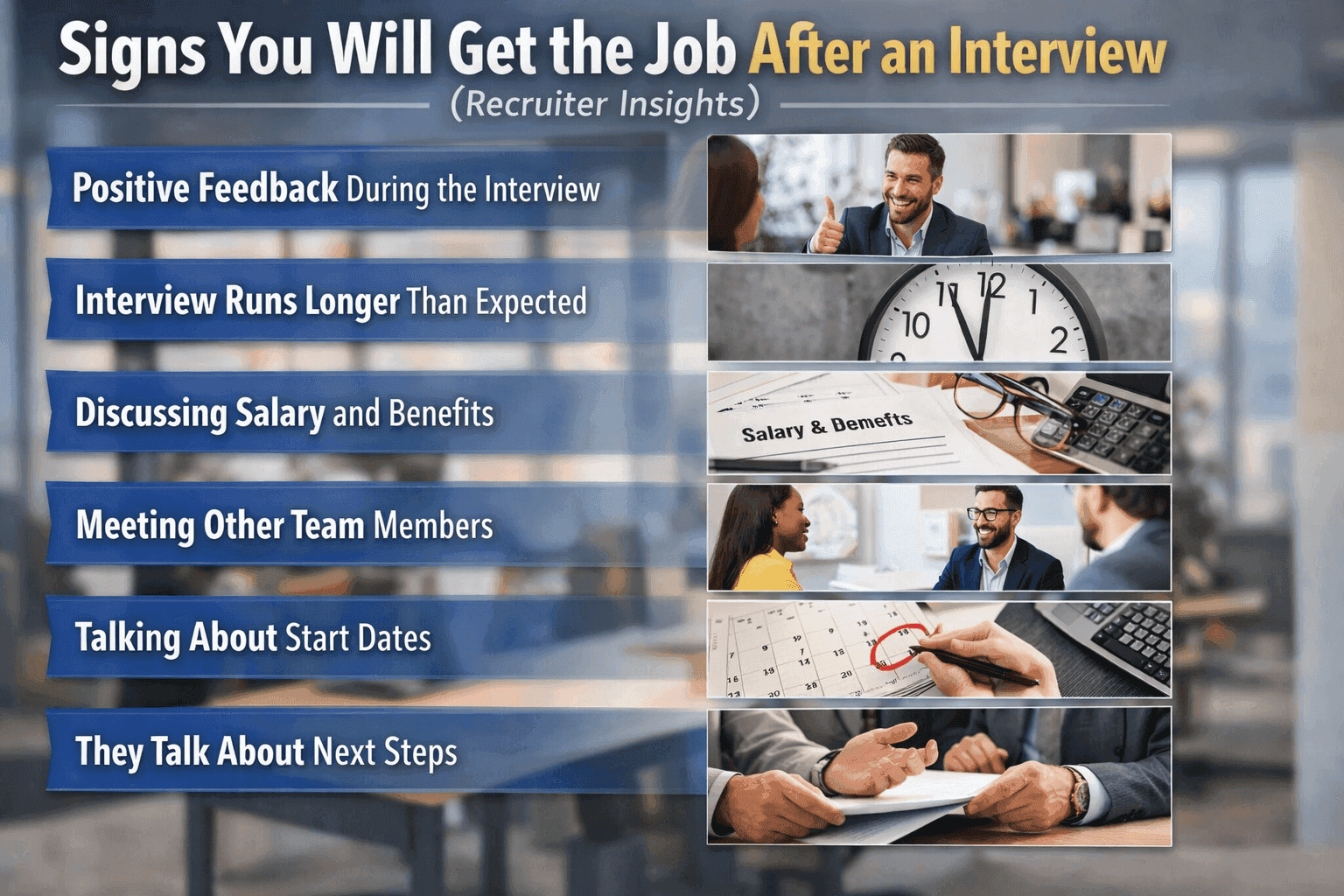
Signs You Will Get the Job After an Interview (Recruiter Insights)
Learn the most reliable signs you will get the job after an interview and how to understand recruiter signals.