Customer Service Skills: Complete Guide (2026)
Customer service skills drive trust, satisfaction, and loyalty by combining communication, empathy, and problem-solving to deliver exceptional customer experiences in 2026.
Overview
In 2026, customer service skills are a key competitive advantage for professionals and businesses. Skills like communication, empathy, problem-solving, and adaptability help deliver fast, effective support and build trust. Strong customer service improves customer satisfaction, strengthens brand loyalty, and boosts career growth across industries by creating positive, lasting customer experiences.
In 2026, customer experience is everything. No matter how innovative your product is, your success depends on how well your team serves customers. That’s why developing strong customer service skills has never been more important.
Whether you’re starting a career as a customer service representative or upgrading your customer service skills resume, this complete guide covers the most essential skills, examples, and expert tips to help you deliver exceptional support and build lasting relationships.
Key Points
Customer service skills are essential for career growth and business success in 2026
Strong communication, empathy, and active listening improve customer satisfaction
Problem-solving and adaptability help resolve issues efficiently across channels
Product knowledge builds trust and speeds up issue resolution
Time management and teamwork ensure consistent service quality
Showcasing customer service skills with metrics strengthens your resume
Exceptional customer experience drives brand loyalty and retention
What Are Customer Service Skills?
Customer service skills are the abilities and traits that allow professionals to interact effectively with customers, resolve issues, and create positive experiences. These skills combine communication, empathy, patience, and problem-solving all aimed at ensuring customer satisfaction.
In simpler terms, these are the skills that help you turn an unhappy customer into a loyal one, manage tough situations with grace, and represent your company’s brand in a positive light.
These skills are not only crucial for traditional call centers but also for roles in sales, retail, hospitality, tech support, and even remote online chat assistance.
Why Customer Service Skills Matter in 2026
In 2026, customer expectations are higher than ever. With social media, live chat, and AI-driven support, users expect fast, friendly, and effective service 24/7.
Companies now compete not just on product quality but on customer experience. Studies show that 78% of consumers are willing to switch brands after just one poor service interaction.
That’s why mastering the skills required for customer service is a game-changer. Exceptional service builds trust, improves brand reputation, and turns satisfied customers into vocal brand advocates.
Also Read : Harvard CV Format (Free Template + Pro Tips) | 2026 Resume Guide
Top 10 Essential Customer Service Skills
Let’s explore the most important customer service representative skills every professional should master in 2025.
1. Communication Skills
Clear and confident communication is at the heart of excellent service.
A good representative can explain solutions simply, listen carefully, and use positive language.
Examples:
Explaining technical steps in easy-to-understand terms.
Using a friendly and professional tone in emails or chats.
2. Empathy
Empathy means understanding how a customer feels and showing genuine concern.
When customers feel heard and valued, they’re more likely to stay loyal even when things go wrong.
Example:
“I completely understand how frustrating that must be. Let’s fix it right away.”
3. Patience
In customer service, you’ll often deal with frustrated or confused customers. Patience helps you stay calm, professional, and solution-oriented.
Why It Matters:
- Builds trust and comfort.
- Prevents escalation of issues.
- Demonstrates professionalism under pressure.
Example:
Taking the time to explain the same process twice without showing irritation.
4. Problem-Solving
Great representatives are great problem-solvers. They can quickly assess a situation, identify the issue, and find the best solution.
Why It Matters:
- Reduces response time.
- Improves customer satisfaction.
- Builds confidence in the brand.
Example:
“Let me find an alternative solution that works for you today.”
5. Product Knowledge
You can’t help customers effectively if you don’t know your product inside out. Understanding your company’s offerings builds credibility and speeds up problem resolution.
Tips:
- Stay updated on product changes and updates.
- Practice explaining features in simple terms.
Example:
“That issue can be resolved by updating to the latest version. Let me guide you through it.”
6. Adaptability
Every customer and situation is different. Adaptability helps you handle various personalities, tools, and unexpected challenges smoothly.
Why It Matters:
- Keeps you calm during fast-paced or changing environments.
- Helps manage multiple communication channels (chat, email, phone).
Example:
Switching from live chat support to a video call when a customer needs visual help.
7. Time Management
Customer service often requires handling multiple requests simultaneously. Effective time management ensures no customer feels ignored.
Tips:
- Prioritize urgent tickets first.
- Use CRM tools to track and respond efficiently.
Example:
Responding to 15+ inquiries per hour without compromising quality.
8. Positive Attitude
Positivity goes a long way in customer service. A friendly, upbeat tone can instantly turn a tense conversation into a productive one.
Example:
“I’m happy to help you with that. Let's solve this together!”
Why It Matters:
- Reduces stress for both parties.
- Creates memorable customer experiences.
9. Teamwork
Customer service is rarely a solo effort. Teamwork ensures smooth handovers between departments and consistent service quality.
Example:
Collaborating with the tech team to resolve a customer’s issue faster.
10. Active Listening
One of the most overlooked skills required for customer service is truly listening.
Customers often share hints or emotional cues that help you understand their needs better.
Example:
Repeating key points to confirm understanding:
“Just to confirm, your issue started after the latest update, correct?”
Also Read : What Are Interpersonal Skills: Definition and Examples
How to Showcase Customer Service Skills on Your Resume
Your customer service skills resume should highlight both technical and interpersonal strengths. Here’s how to do it effectively:
1. Create a Dedicated Skills Section
List your top abilities under a clear heading such as “Key Customer Service Skills.”
Example:
Key Customer Service Skills:
• Active Listening and Empathy
• Problem-Solving and Critical Thinking
• Time Management and Multitasking
• Product Knowledge and Technical Support
• Communication and Interpersonal Skills
2. Use Action-Oriented Bullet Points
In your experience section, show how you’ve applied these skills in real situations:
- “Handled 50+ customer inquiries daily while maintaining a 98% satisfaction rate.”
- “Resolved billing issues within 24 hours, improving retention by 15%.”
- “Collaborated with product teams to improve customer feedback workflows.”
3. Include Metrics
Quantify your impact wherever possible to stand out.
Bonus: Customer Service Representative Skills Template
Here’s a quick customer service resume template to help you structure your experience:
[Your Name]
[Your Contact Info] | [LinkedIn Profile] | [Email Address]
Professional Summary:
Friendly and solution-oriented customer service professional with [X years] of experience in [industry]. Skilled in communication, problem-solving, and empathy. Proven ability to manage customer relationships and maintain high satisfaction ratings.
Key Skills:
- Active Listening and Empathy
- Communication and Collaboration
- Time Management and Organization
- Problem-Solving and Adaptability
- Product Knowledge and Technical Support
Professional Experience:
Customer Service Representative – [Company Name]
Month Year – Present
- Responded to customer inquiries via chat, email, and phone, maintaining 95% satisfaction rate.
- Collaborated with cross-functional teams to resolve escalated cases within SLA.
- Trained 3 new hires on CRM systems and communication protocols.
Education:
[Degree], [Institution], [Graduation Year]
Also Check Out Resume Related Blog:
- 30+ Best Resume Fonts to Use in 2026
- Area of Interest in Resume | 100+ Examples & Tips
- 200+ Job Title in Resume That Pass ATS & Get Noticed
- Strength in Resume: 300+ Examples and Tips 2026
- Top Soft Skills to Include in Your Resume With 100+ Examples
- 10 Resume Headline Examples to Stand Out in 2026
- Resume Summary for Freshers: Best Examples & Tips 2026
- Canada Format Resume Free Template + Pro Tips
- Student First Job Resume Format for Freshers with Free Template
- Chronological Resume Format Free Template
Conclusion
Strong customer service skills are the foundation of every great business. From empathy and communication to problem-solving and adaptability, these abilities help professionals build trust and loyalty in every interaction.
If you’re updating your customer service skills resume for 2026, focus on showing real examples, measurable results, and a human touch because in the end, great service is not just about solving problems, it’s about making people feel valued.
Optimize My Resume with Sound CV .
FAQs
Frequently asked questions about this topic
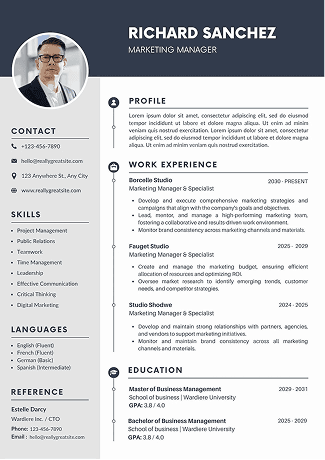
Related Blogs
Explore more insights and guides you might like.
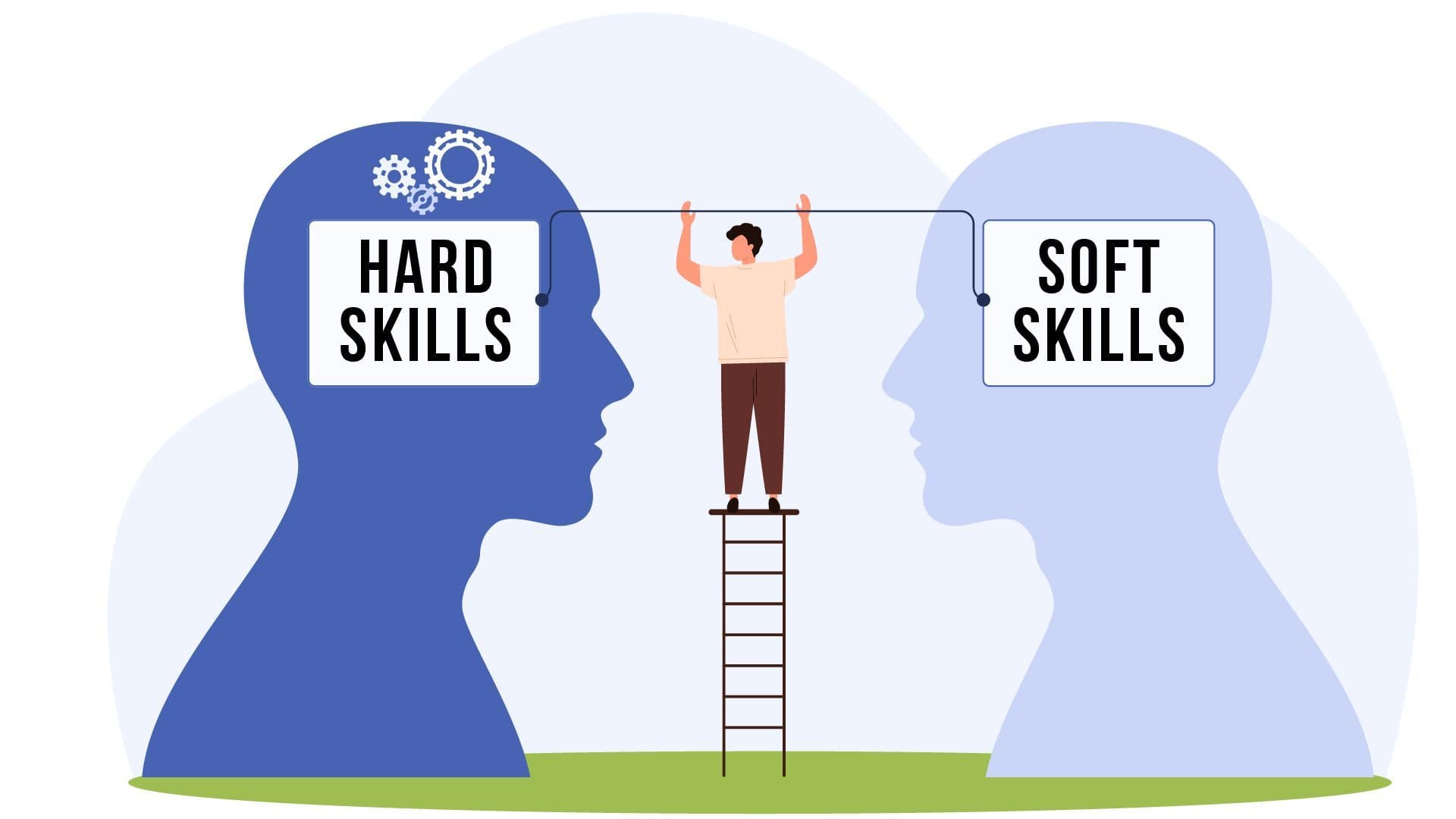
Hard Skills vs Soft Skills: Key Differences, Examples & Use Cases (2025)
Hard skills and soft skills play equally important roles in career success. While hard skills demonstrate your technical expertise and job readiness, soft skills reflect how effectively you work with others, solve problems, and adapt to change. This guide explains the key differences between hard skills vs soft skills, provides real-world examples, and shows how to highlight both on your resume to stand out in today’s competitive job market.
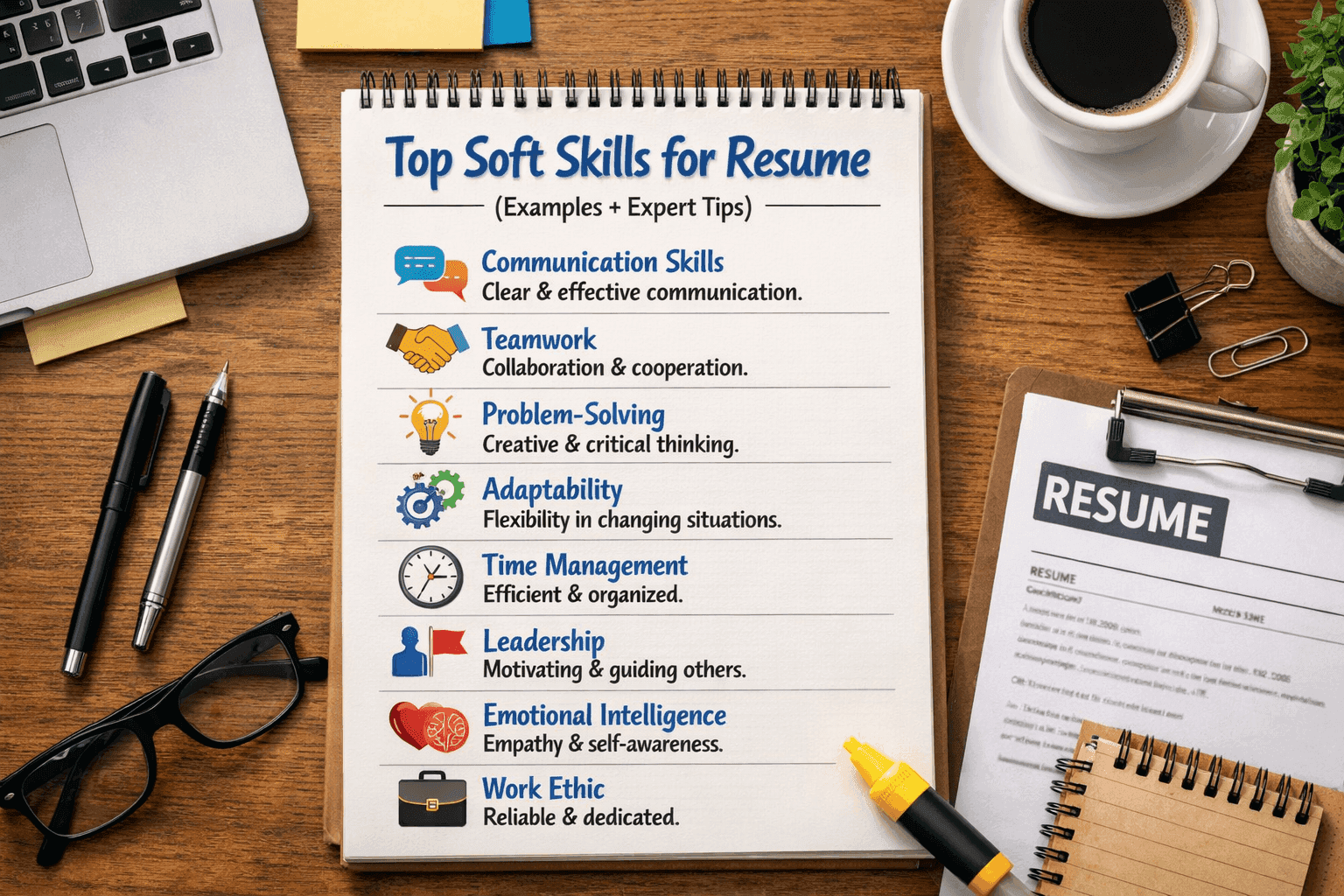
Top Soft Skills for Resume in 2026 (Examples + Expert Tips)
Learn the best soft skills for resume success in 2026 with examples, expert tips, and proven strategies to stand out.
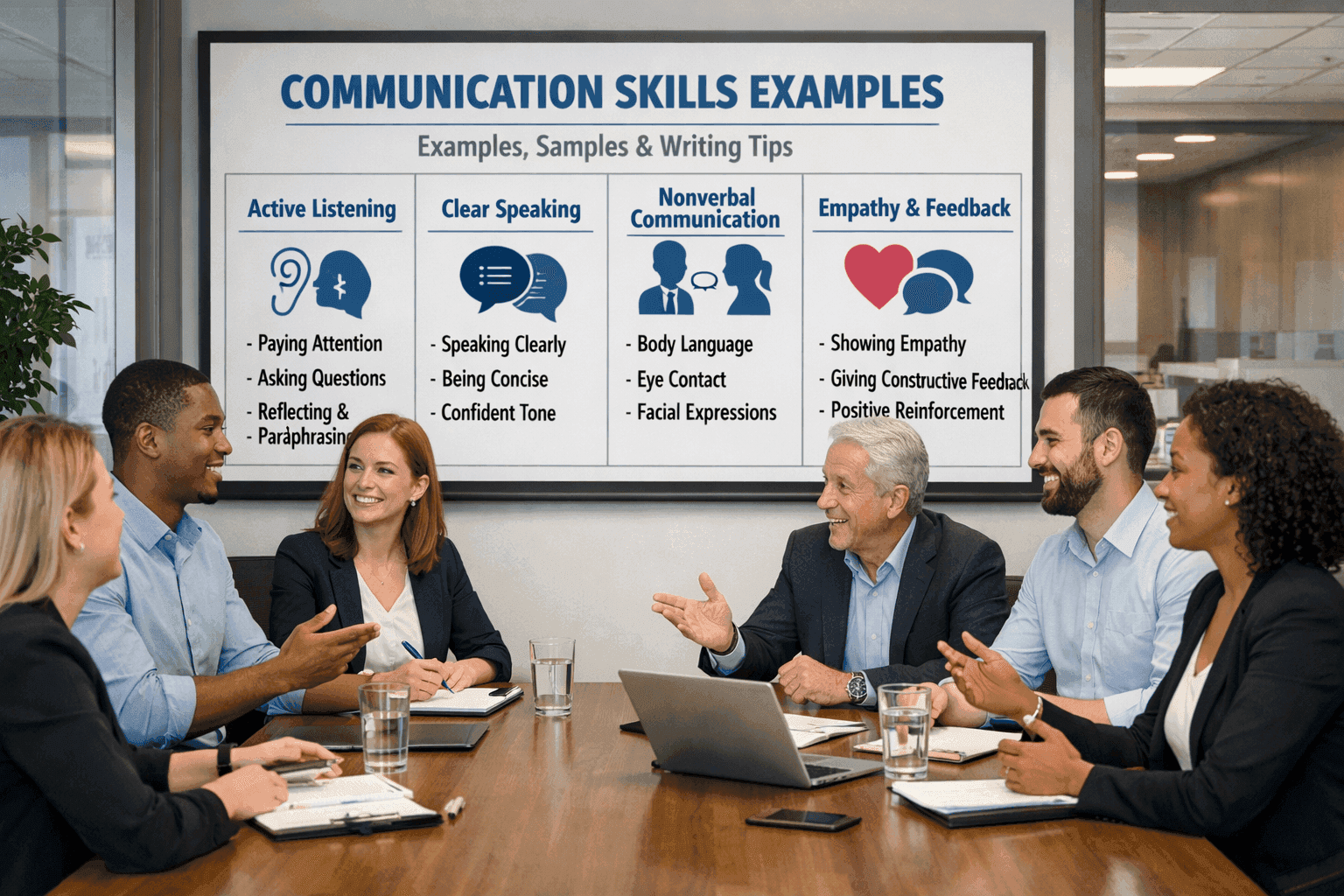
Communication Skills Examples: Examples, Samples & Writing Tips (2025)
Learn communication skills examples for resumes and interviews with writing tips, real samples, and strategies to present your skills effectively.

What Are Analytical Skills: Definition, Examples & FAQs (2026)
Analytical skills are the ability to evaluate information, identify patterns, and make logical, data-driven decisions. They are essential for problem-solving, strategic thinking, and career success across all industries.
Graphic Design Skills: Complete Guide & Resume Tips (2025)
Graphic design skills blend creativity, technical expertise, and strategic thinking to produce visuals that communicate effectively across print, digital, and interactive platforms. In 2025, designers must master modern tools, understand brand communication, and adapt to emerging technologies like AI, motion design, and immersive media.
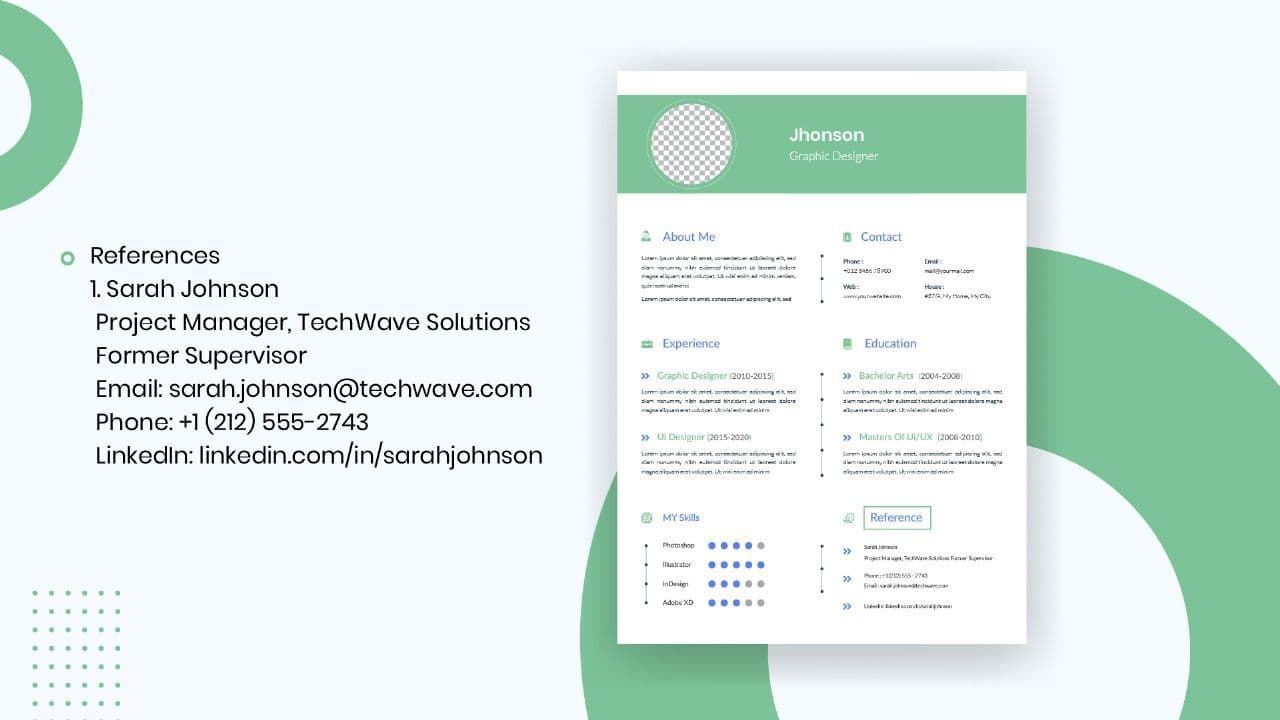
How to List References on a Resume in 2026
Learn the modern 2026 approach to listing references on your resume for maximum professionalism and recruiter impact.