Personal Details in Resume: Complete Guide 2026
Learn what personal details to include in a 2026 resume, plus simple examples to help you format them the right way
Overview
A strong resume isn’t just about skills and experience. The right personal details help recruiters identify you and decide if you’re a good fit. Add essentials like your name, phone number, email, and city. Optional items include LinkedIn, certifications, or a portfolio. Avoid irrelevant details such as religion and date of birth. Keep everything formatted clearly and professionally.
Found the perfect job on LinkedIn or Indeed? Great. Now your resume needs to back you up. You've highlighted your skills, experience, and education, but there's one section that still confuses you... personal details in a resume.
You may be asking yourself: How much personal information should I put on my resume? What's required, what's optional, and what could hurt your chances?
And having such questions is totally justified. You don't want to miss something important, but you also don't want to add unnecessary details and look unprofessional.
If that's you, don't worry. Thousands of job seekers are fighting the same battle. This guide will show you which personal details to include on your resume and which to avoid.
So, without further ado, let's jump into it.
Why should you include personal details in your resume?
Before we move to the crux of the topic, let's understand why you must include personal details in your resume.
Some of the primary reasons behind adding personal information on a resume are:
Identification
Personal details tell the hiring manager who they are reaching out to. Think of it this way: hundreds of candidates apply for a single job. How will a hiring manager figure out who they are contacting… and how to get in touch?
Misinformation or completely missing personal information on a resume means there is no way for a hiring manager to identify you and get in touch. Even if you're perfect for the role, leaving out your personal details can shut the door on your chances.
Also Read:How to Write LinkedIn Profile in Resume
Impress Hiring Managers
Don't get us wrong. When we are saying impressing hiring managers, we're not talking about your name or contact info here. We mean with your skills, certifications, or portfolio.
Yes. Providing extra information about why you may be the best candidate for the position increases your chances of getting hired. Let's clarify this with an example.
Suppose you've applied for a developer role in an organization. Who do you think they would prefer: A candidate who has demonstrated their skills by linking a portfolio of relevant projects and adding certifications relevant to the role, or one who misses these details?
Definitely the candidate who gives recruiters extra context and demonstrates why they are the best fit for the position.
Also Read:Good CV Examples for Your First Job
What personal details should you add to your resume?
Now that we have gone over the importance of adding personal details in a resume, let's look at some information that you must add to your resume.
Some personal details that you should include on your resume are:
Full name
It goes without saying that you must include your full name. Your name is your professional brand. It should appear right at the top of your resume. You can draw attention to it by bolding it or using a slightly bigger font.
Phone number
The easiest way for a recruiter to contact you is by using your phone number. Always include it near your name and other contact details. You can also set up a voicemail. But be very professional with the outgoing message.
The next thing to add to your resume is your email address. You may also want to hyperlink it so recruiters can simply click on it and send you an email. Also, don't use your work email or number. Create a separate email for job applications.
Pro Tip: Use a professional email address. Don't use emails like aestheticprince420@gmail.com.
Location
Some jobs require you to be on-site. Alternatively, there are some companies that promote remote work. So, whether you should add your location really boils down to the job requirement.
Add your location if the role requires you to be on-site. It lets recruiters know where you live and can help with scheduling interviews or planning relocation (if necessary).
Pro Tip: No need to add your full address. Simply add your city and state.
These are some of the most important personal details in a resume that you can't skip.
Also Read:Resume Summary for Freshers with Best Examples
What personal details are optional in your resume?
It is always nice to give hiring managers more context about your experience, skills, and achievements. It helps you stand out from the rest of the competition.
For that, you may want to include:
Portfolio
A portfolio is a link to your previous work. Adding it to your resume is a great way to show hiring managers your capabilities and what you have done in the past. Sure, you can list your skills and talk about the projects. But where is the proof? That's exactly why a portfolio exists.
LinkedIn Link
A LinkedIn link is also optional on your resume. Your resume cannot cover everything… your education, endorsements, recommendations, projects, and more.
A LinkedIn profile can have it all and provide a more detailed context about your professional presence.
Certifications
You can also put certifications on your resume. Certifications are proof that you've mastered specific knowledge or skills. Make sure that these certifications are relevant to the position for which you are applying.
Also Check Out Our Other Resume Related Blogs:
What personal details should be avoided in your resume?
Now comes the most important part: Which personal details to skip on your resume? Dumping everything onto your resume can make it look unprofessional. It could hurt your chances of getting hired. Definitely not something anyone would want.
Here are some personal details that should not be on your resume:
- Date of Birth
- Marital Status
- Religion
Your religion and date of birth aren't relevant to recruiters. Avoiding these personal details keeps your resume professional and helps recruiters focus on the important information.
Also Read:Skills in Resume for Freshers with No Experience
Tips for Formatting the Personal Details in a Resume
You are already halfway there just by including the necessary personal details and leaving out the unnecessary ones in your resume.
But there is more because how you format those details also matters. It makes your resume more plain and skimmable. Some tips for formatting your resume are below:
- List personal details at the top.
- Your work experience should be in reverse chronological order (most recent first).
- You should focus on numbers and impact wherever possible.
- Use clear headings, consistent fonts, and bullet points to make it more readable.
- Every detail you mention should be relevant to the role.
Conclusion
Personal details are important to have on your resume, but not all of them. Identifying and adding only the relevant ones increases your chances of getting hired. Use the must-have personal details and formatting tips mentioned above to make sure your resume stands out. You can also create a professional resume easily with Sound CV for better results.
FAQs
Frequently asked questions about this topic
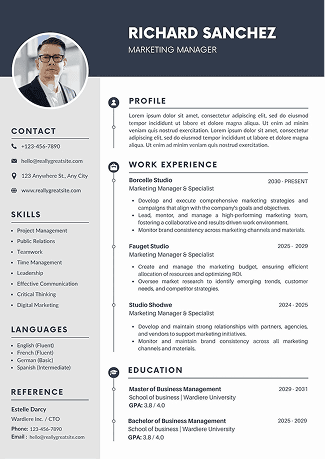
Related Blogs
Explore more insights and guides you might like.
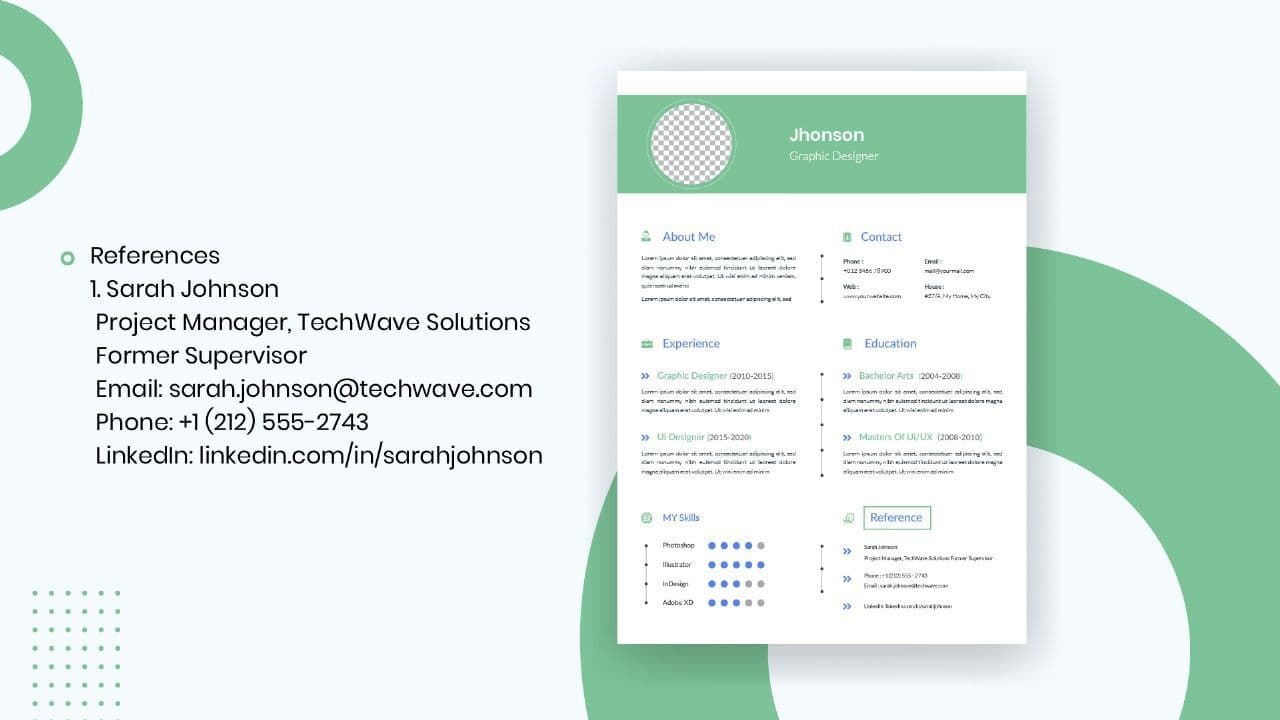
How to List References on a Resume in 2026
Learn the modern 2026 approach to listing references on your resume for maximum professionalism and recruiter impact.

Is Sound CV good for students and fresh graduates with no experience?
Sound CV is perfect for students and fresh graduates, helping them create professional resumes that highlight skills, projects, and potential even with little or no work experience.
Why Sound CV Is Different from Other AI Resume Builders
Sound CV stands out by creating job-focused, ATS-friendly resumes that highlight real achievements, not just generic content.
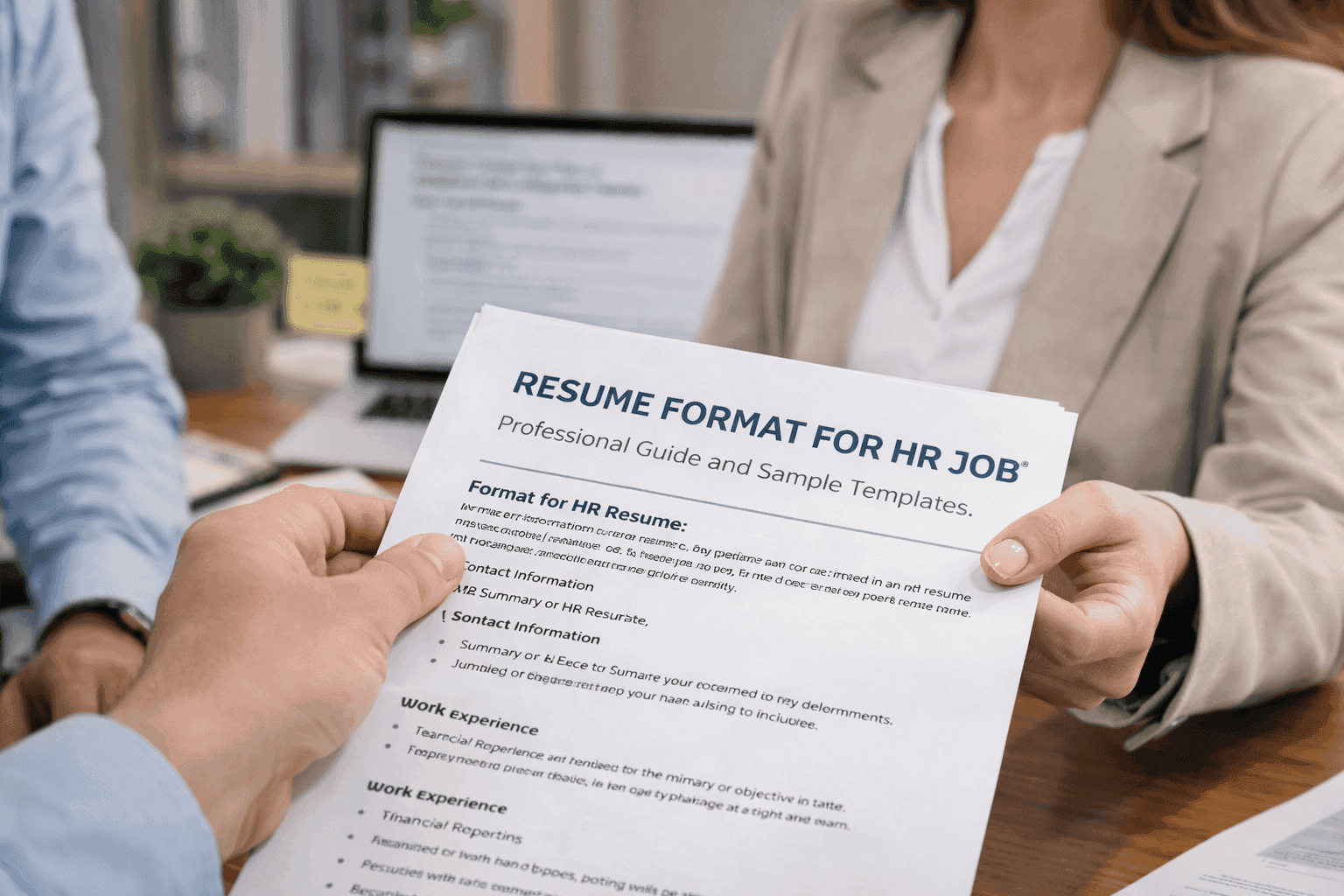
Resume Format for HR Job: Professional Guide and Sample Templates
A complete guide to the best resume format for HR jobs, with expert tips and sample templates to help you create a professional and job-ready resume.
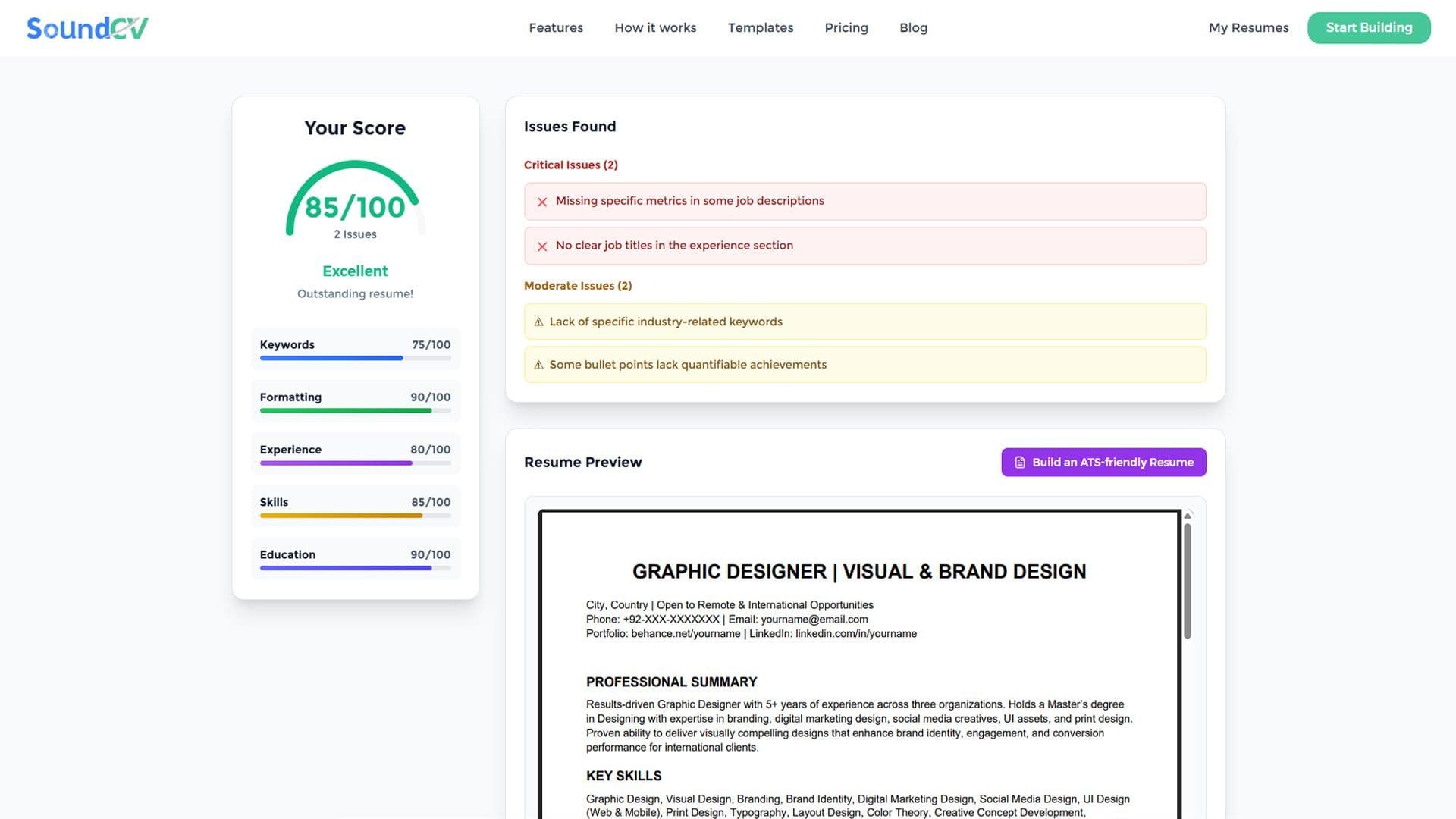
How Does the Sound CV Resume Score Checker Work?
The Sound CV Resume Score Checker analyzes your resume against ATS requirements, job-specific keywords, and structure to provide an instant, actionable score.

What Is a Sound CV? Features, Benefits, and How It Works
A Sound CV is an AI-powered resume that is tailored, ATS-optimized, and designed to showcase your skills and achievements to help you stand out to recruiters.