What is the Difference Between Application and Cover Letter
Learn the key difference between an application and a cover letter when to use each, what to include, and stand out to employers in 2026
Overview
This guide explains the key differences between application letters and cover letters, their purposes, and when to use each. It provides examples across industries, step-by-step writing tips, and common mistakes to avoid. Learn how to craft effective, professional letters that highlight your skills, showcase your personality, and increase your chances of landing an interview.
When applying for a job, you may encounter terms like application letter and cover letter. Many job seekers assume they are the same, but there are subtle distinctions that can influence how employers perceive you. Understanding the difference between application and cover letter is crucial to presenting yourself professionally and increasing your chances of landing the job.
In this guide, we’ll break down the application letter vs cover letter debate, explain their purposes, share formatting tips, provide examples, and give you practical advice on how to write an application and cover letter effectively.
What is an Application Letter?
An application letter is a standalone document that highlights your interest in a specific job. Unlike a resume, which lists your qualifications, the application letter explains why you are a strong fit for the role.
Key Features of an Application Letter
- Functions as a formal request for employment.
- Provides detailed information about your skills and experiences.
- Often includes academic qualifications and achievements.
- More comprehensive than a cover letter.
Example scenario: A teacher applying to a school may submit an application letter outlining their qualifications, teaching philosophy, and relevant experience.
Also Read:Good CV Examples for Your First Job
What is a Cover Letter?
A cover letter is typically submitted alongside a resume. It complements the resume by emphasizing key skills and explaining how they align with the job requirements.
Key Features of a Cover Letter:
- Acts as a summary introduction to your resume.
- Highlights specific experiences that match the role.
- Tailored for each position you apply for.
- Concise usually one page.
Example scenario: A marketing professional may submit a resume with a cover letter that emphasizes campaign results or digital expertise relevant to the role.
Also Read:Resume Summary for Freshers with Best Examples
Difference Between Application and Cover Letter
While they may appear similar, the difference between application and cover letter lies in their purpose, content, and usage.
In short: An application letter is more comprehensive, while a cover letter is more targeted.
Application Letter vs Cover Letter: When to Use Each
- Application Letter: When the employer specifically requests a detailed job application or in industries like education, government, and research.
- Cover Letter: When applying to corporate roles or jobs where the resume is the main document, and the letter only introduces and supports it.
By knowing the application letter vs cover letter distinction, you can adapt your approach depending on the employer’s expectations.
Also Check Out Our Other Resume Related Blogs:
Cover Letter and Application Letter Examples
Application Letter Example for Teaching Position
Dear Hiring Manager,
I am writing to formally apply for the position of Mathematics Teacher at Green Valley High School. With a Master’s degree in Mathematics and five years of teaching experience, I have successfully developed engaging lesson plans and improved student performance by 20%. I am eager to bring my expertise and passion for education to your institution.
Sincerely,
[Your Name]
Application Letter Example for Software Developer
Dear [Hiring Manager’s Name],
I am writing to apply for the Software Developer position at [Company Name]. With a Bachelor’s degree in Computer Science and 3 years of experience in web and mobile app development, I have successfully built scalable applications using JavaScript, Python, and React. I am confident that my skills in coding, problem-solving, and teamwork make me a strong fit for your team. I look forward to the opportunity to discuss how I can contribute to [Company Name].
Sincerely,
[Your Name]
Application Letter Example for Marketing Executive
Dear [Hiring Manager’s Name],
I am interested in the Marketing Executive role at [Company Name]. With 4 years of experience in digital marketing, social media campaigns, and content strategy, I have helped brands increase engagement and sales. My expertise in SEO, PPC, and market analysis allows me to develop effective marketing strategies. I would be excited to bring my skills and creativity to your marketing team.
Best regards,
[Your Name]
Application Letter Example for Graphic Designer
Dear [Hiring Manager’s Name],
I am applying for the Graphic Designer position at [Company Name]. Over the past 5 years, I have worked on creating visual identities, illustrations, and UI designs for both print and digital platforms. I am proficient in Adobe Creative Suite and Figma, and I thrive in collaborative environments where creativity meets business goals. I am eager to contribute my design expertise to your team.
Sincerely,
[Your Name]
Application Letter for Customer Service Representative
Dear [Hiring Manager’s Name],
I am applying for the Customer Service Representative position at [Company Name]. I have 2 years of experience handling customer inquiries, resolving complaints, and maintaining high satisfaction ratings. I am skilled in communication, problem-solving, and CRM software. I am confident I can provide excellent support to your customers and be a valuable member of your team.
Sincerely,
[Your Name]
Also Read:Skills in Resume for Freshers with No Experience
Cover Letter Example for Marketing Position
Dear Hiring Manager,
I am excited to apply for the Marketing Specialist role at Bright Media. In my previous role, I managed social media campaigns that grew engagement by 40% and increased brand visibility across platforms. I believe my creative approach and data-driven mindset align perfectly with the requirements of this position.
Sincerely,
[Your Name]
Cover Letter Example for Data Analyst
Dear [Hiring Manager’s Name],
I am excited to apply for the Data Analyst position at [Company Name]. With a strong background in data visualization, SQL, and Python, I help turn complex data into actionable insights. I am particularly drawn to your company’s commitment to data-driven decisions and would love to contribute to projects that drive measurable results.
Sincerely,
[Your Name]
Cover Letter Example for HR Coordinator
Dear [Hiring Manager’s Name],
I am writing to apply for the HR Coordinator role at [Company Name]. I have experience managing recruitment, employee onboarding, and HR administration. I enjoy building positive workplace environments and supporting teams to thrive. I am eager to bring my organizational skills and enthusiasm to your HR department.
Best regards,
[Your Name]
Cover Letter Example for Content Writer
Dear [Hiring Manager’s Name],
I am interested in the Content Writer position at [Company Name]. Over the past 3 years, I have created engaging blog posts, articles, and social media content that increased audience engagement. I am passionate about crafting content that informs and connects with readers, and I would love to contribute my skills to your content team.
Sincerely,
[Your Name]
Cover Letter Example for Sales Executive
Dear [Hiring Manager’s Name],
I am excited to apply for the Sales Executive role at [Company Name]. With 4 years of experience in B2B sales, I have consistently met and exceeded targets through strong client relationships and strategic approaches. I am confident my skills in negotiation and market analysis can help drive growth at [Company Name].
Best regards,
[Your Name]
Cover Letter Example for Healthcare Assistant
Dear [Hiring Manager’s Name],
I am applying for the Healthcare Assistant position at [Company Name]. I have experience supporting patients, assisting nurses, and ensuring a clean, safe environment. I am compassionate, detail-oriented, and committed to improving patient care. I would be honored to bring my dedication and skills to your healthcare team.
Sincerely,
[Your Name]
These cover letter and application letter examples highlight how the tone, length, and focus differ.
What are the steps for writing an application letter?
- Header: Include your contact details and the employer’s information.
- Salutation: Use “Dear [Hiring Manager’s Name].”
- Introduction: State the job you’re applying for.
- Body Paragraphs: Explain qualifications, experiences, and achievements in detail.
- Conclusion: Express interest and request an interview.
What are the steps for writing a cover letter?
Header: Include your name, contact info, date, and the employer’s details.
Greeting: Address the hiring manager by name if possible.
Opening Paragraph: Introduce yourself and mention the job you’re applying for.
Middle Paragraph(s): Highlight your relevant skills, experiences, and achievements. Show how you fit the role.
Closing Paragraph: Express enthusiasm, mention next steps, and thank the reader.
Sign-Off: Use a professional closing like “Sincerely,” followed by your name.
By following these steps, you’ll master how to write an application and cover letter effectively for any job.
Common Mistakes to Avoid
When preparing either letter, avoid these errors:
- Being too generic: Always tailor to the job.
- Repeating your resume: Add context, don’t copy.
- Ignoring keywords: Use terms from the job posting.
- Skipping proofreading: Typos harm professionalism.
Understanding the difference between application and cover letter helps you avoid these pitfalls and create a stronger impression.
Importance in the Job Application Process
Employers receive dozens of resumes daily. Strong application and cover letters help you:
- Stand out among other candidates.
- Showcase professional communication skills.
- Connect your experience with the employer’s needs.
- Demonstrate initiative and attention to detail.
For job seekers, these documents are not just formalities they’re tools to market yourself effectively.
Conclusion
The difference between application and cover letter may seem minor, but it plays a big role in how employers perceive your candidacy. An application letter serves as a detailed document outlining qualifications, while a cover letter works as a concise introduction to your resume.
By understanding application letter vs cover letter, using the right examples, and following proven steps for how to write application and cover letter, you’ll position yourself as a confident, well-prepared applicant.
Need professional resume and cover letter templates? Explore Sound CV ATS-friendly designs to make your job application stand out.
FAQs
Frequently asked questions about this topic
Related Blogs
Explore more insights and guides you might like.
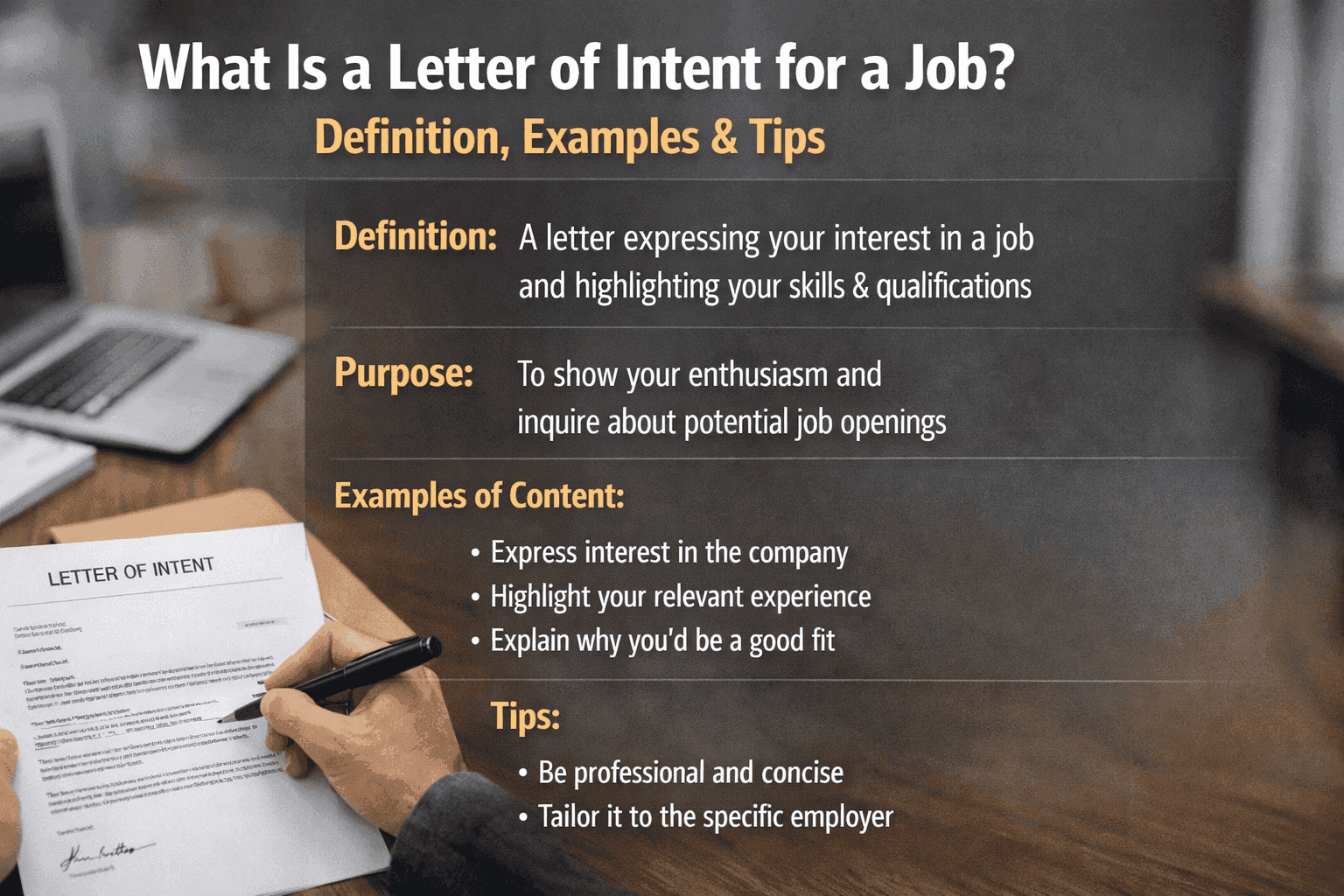
What Is a Letter of Intent for a Job? Definition, Examples & Writing Tips
Learn what a letter of intent for a job is, when to use it, and how to write one with examples.
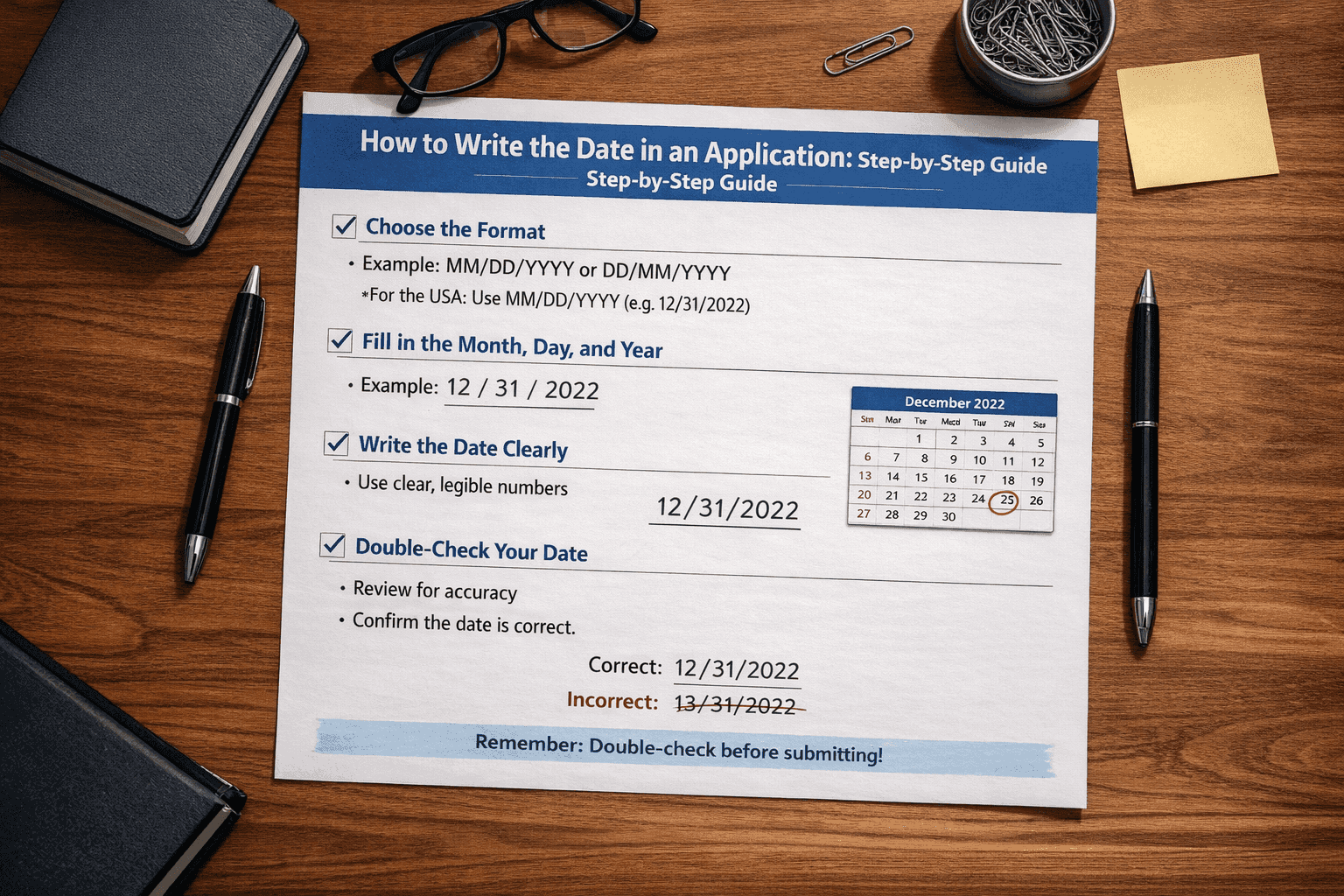
How to Write the Date in an Application (Step-by-Step Guide)
Learn how to write the date in an application correctly with proper formats, placement, examples, and professional writing tips.

How to Make a Cover Letter That Actually Gets Interviews
Learn how to write a standout cover letter that grabs attention and gets you more interviews.
Cover Note for Resume: Samples, Examples & Writing Guide
Learn how to write a strong cover note for your resume with examples, structure tips, and ideal length guidance.
The Ultimate Guide to Crafting an Effective Cover Letter Header
Learn how to craft a professional, well-formatted cover letter header that creates strong first impressions and supports ATS compatibility.
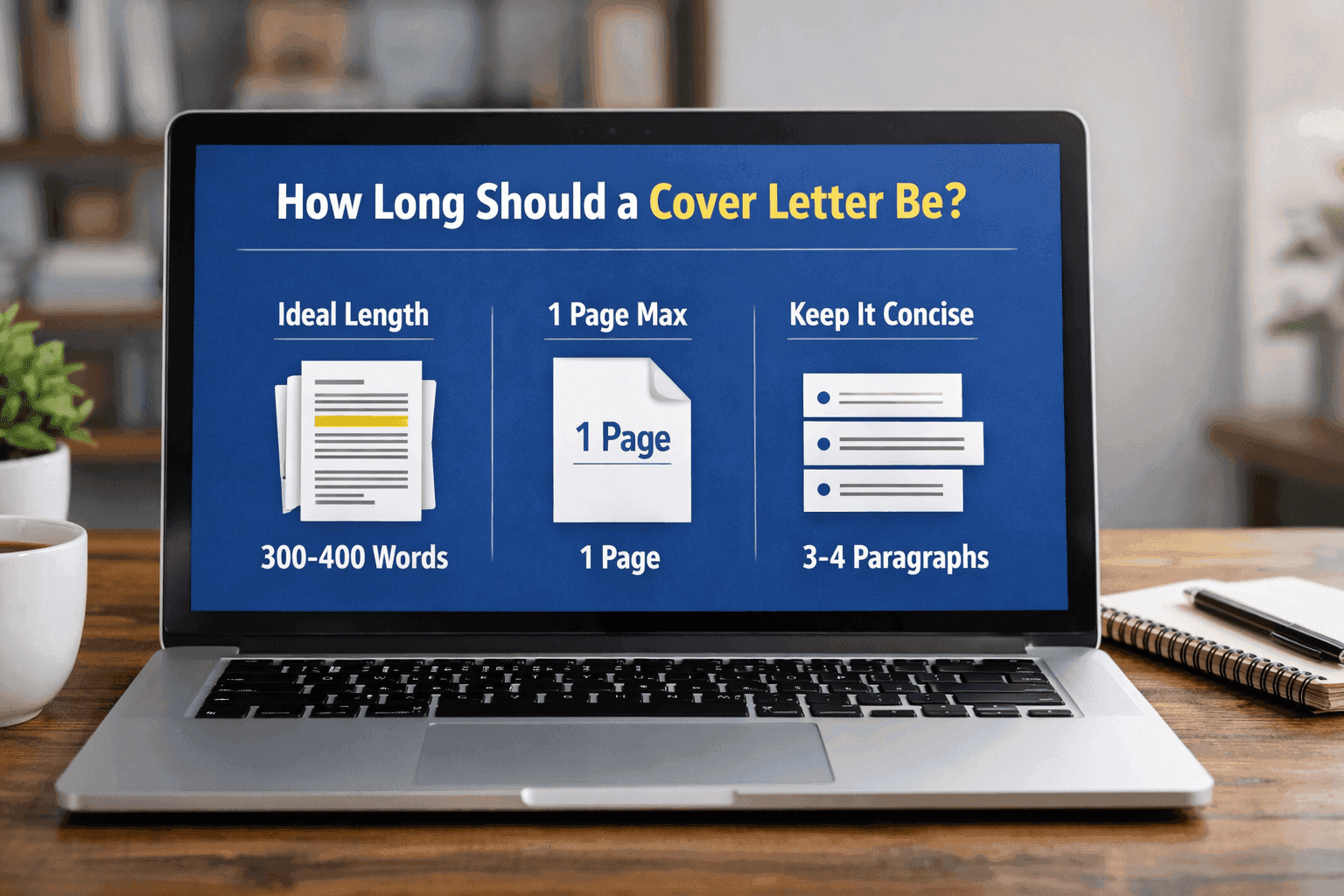
How Long Should a Cover Letter Be?
Learn the ideal cover letter length, structure, and formatting tips to write concise, recruiter-friendly applications that get noticed.