Strength in Resume: 300+ Examples and Tips 2026
Discover 300+ examples and expert tips to showcase your strengths effectively in your 2026 resume.
Overview
Highlighting strengths in a resume is key to standing out in 2025. This guide covers how freshers and experienced professionals can showcase personal and technical skills, leadership, and achievements. With 300+ examples, tips, and formatting advice, you’ll learn to align strengths with job requirements, create ATS-friendly resumes, and provide evidence that impresses recruiters and boosts your career prospects.
When applying for jobs in 2025, a resume is no longer just a summary of qualifications—it reflects your professional identity. One of the most essential elements recruiters check is your strengths in your resume. Why? Because it shows not only what you've accomplished but also what you're capable of contributing in a new role.
In this guide, we'll explain how to write strengths in a resume for fresher and experienced professionals, provide a list of strengths in a resume, and show the best ways to showcase your abilities so your resume stands out in 2025.
What Does Strength in a Resume Mean?
Strengths in a resume refer to your personal and professional qualities that demonstrate your ability to perform effectively. They go beyond job titles and academic achievements, highlighting soft skills, technical expertise, and workplace traits.
Examples include: problem-solving, leadership, adaptability, teamwork, time management, and communication. Unlike responsibilities, strengths illustrate how you work and the qualities that make you a valuable employee.
Also Read:Hobbies for Resume: Best Examples & How to List
How to Write Strengths in a Resume
Writing your strengths in a resume effectively is about showing recruiters your value, not just listing generic traits. Here's a step-by-step guide:
1. Identify Your Core Strengths
Reflect on your achievements, experiences, and skills. Ask yourself:
- What tasks do I excel at?
- Which skills do colleagues or mentors praise me for?
- What challenges have I successfully handled?
Use this insight to create a list of personal and professional qualities relevant to your target job.
2. Align Strengths with the Job Role
Carefully read the job description and match your strengths to the skills and qualities the employer seeks. For example:
- If the job requires teamwork, include strengths like collaboration or communication.
- If the role is technical, highlight strengths such as coding, data analysis, or project management.
3. Use Specific Examples
Instead of vague terms like "hardworking," provide measurable achievements:
- Weak: "Good at problem-solving"
- Strong: "Resolved customer complaints 30% faster by implementing a new workflow."
This shows recruiters exactly how your strengths contribute in real scenarios.
4. Categorize Your Strengths
Organize your strengths under headings for clarity:
- Soft Skills: Communication, leadership, adaptability
- Technical Skills: Programming, digital marketing, data analysis
- Workplace Traits: Time management, detail-oriented, multitasking
This structure makes your strengths easy to read and ATS-friendly.
5. Place Strengths Strategically
Strengths can appear in multiple parts of your resume:
- Dedicated Strengths Section: List 4–6 key strengths.
- Resume Summary/Objective: Integrate top strengths in a sentence.
- Work Experience: Highlight strengths through achievements in bullet points.
6. Keep It Concise and Relevant
Avoid overloading your resume. Focus on qualities most relevant to the role and back each strength with evidence.
Examples:
- "Led a team of five to complete a project ahead of schedule, demonstrating leadership and time management skills."
- "Created a digital marketing campaign that increased engagement by 40%, showcasing creativity and analytical thinking."
Also Read:30+ Best Resume Fonts that you must try
Why Strengths Matter in 2025 Resumes
Recruiters increasingly rely on applicant tracking systems (ATS) and behavioral assessments to screen candidates. Listing your strengths in resume strategically can:
- Make your resume more ATS-friendly by including relevant keywords.
- Help recruiters match your skills with job requirements quickly.
- Differentiate yourself from candidates with similar experience.
- Provide talking points during interviews.
Your strength in a CV reflects how you'll add value to a company from day one.
How to Identify Your Strengths for a Resume
Before listing them, try these steps:
- Self-Reflection: Think about projects, internships, or achievements where you excelled.
- Feedback from Others: Ask mentors, peers, or colleagues about your top strengths.
- Job Description Analysis: Align your strengths with keywords and requirements in the posting.
Strengths in a Resume for Fresher Candidates
Fresh graduates often struggle with what to include. For a strong resume for a fresher, focus on transferable skills and qualities gained from education, internships, or extracurricular activities.
Examples:
- Quick learner and adaptable
- Strong teamwork and collaboration
- Excellent communication skills
- Enthusiastic and self-motivated
- Analytical thinking and problem-solving
Sample Format for Fresher Resume Strengths:
Strengths
- Adaptable and eager to learn new technologies
- Strong presentation and public speaking skills
- Effective time management and organizational abilities
Strengths for Experienced Professionals
For mid-level or senior candidates, focus on leadership, impact, and domain expertise.
Examples:
- Strategic decision-making
- Leadership and team management
- Advanced technical proficiency
- Project management expertise
- Conflict resolution skills
Sample Format for Experienced Resume Strengths:
Core Strengths
- Proven leadership in managing cross-functional teams
- Strong analytical and problem-solving skills
- Expertise in digital marketing and campaign optimization
Personal Skills and Strengths in a Resume:
Your personal skills are not just a bonus; they are what make you a valuable team member and professional. Including these in your resume can make a significant difference in how potential employers perceive you. Including personal skills highlights your soft skills, traits, and qualities that make you a valuable team member and professional.
Key Personal Skills to Include:
- Communication Skills: Ability to express ideas clearly and present information confidently.
- Adaptability: Willingness to learn and handle change smoothly.
- Problem-Solving: Finding creative solutions and resolving issues efficiently.
- Leadership: Guiding teams and taking initiative.
- Teamwork: Collaborating and contributing positively.
- Time Management: Organizing tasks effectively to meet deadlines.
- Critical Thinking: Analyzing situations logically to make informed decisions.
- Work Ethic: Reliability, dedication, and commitment to quality.
How to Showcase Personal Skills:
- Resume Summary: Include 2–3 personal skills in a sentence.
- Example: "Results-oriented professional with strengths in communication, problem-solving, and team collaboration."
- Strengths Section: List 4–6 key personal skills under a dedicated heading.
- Work Experience: Demonstrate personal skills through achievements.
- Example: "Led a cross-department team to complete a product launch, demonstrating leadership and teamwork skills."
Tips:
- Be specific and provide examples.
- Tailor skills to the job description.
- Avoid generic terms without context, like "hardworking."
Also Read:Area of Interest in Resume | 100+ Examples
300+ Examples of Strengths for Your Resume
When applying for jobs in 2025, highlighting your strengths on a resume is more important than ever. Strengths show recruiters not only what you've accomplished but also what you can bring to a new role. They include a mix of soft skills, technical abilities, leadership qualities, and personal traits that make you an ideal candidate.
Below is a comprehensive list of strengths you can include in your resume to stand out, whether you are a fresher or an experienced professional. Use the ones that best match your experience and the job you're applying for to create a strong impression on hiring managers.
Communication Skills
- Clear communicator
- Active listener
- Persuasive speaker
- Presentation skills
- Written communication
- Storytelling
- Public speaking
- Interpersonal communication
- Cross-functional collaboration
- Negotiation
- Email etiquette
- Conflict resolution communication
- Client communication
- Report writing
- Meeting facilitation
- Listening with empathy
- Cross-cultural communication
- Team briefing
- Training and mentoring communication
- Influencing skills
Leadership & Management
- Team leadership
- Project management
- Decision-making
- Delegation
- Strategic planning
- Conflict management
- Performance management
- Motivational leadership
- Goal setting
- Budget management
- Resource allocation
- Change management
- Risk management
- Process improvement
- Coaching and mentoring
- Crisis management
- Talent development
- Vision setting
- Empowering teams
- Cross-departmental leadership
Analytical & Problem-Solving
- Critical thinking
- Data analysis
- Troubleshooting
- Research and evaluation
- Process improvement
- Risk assessment
- Decision analysis
- Root cause analysis
- Problem identification
- Creative problem solving
- Strategic analysis
- Data-driven insights
- Pattern recognition
- Logical reasoning
- Scenario planning
- Forecasting
- SWOT analysis
- KPI measurement
- Quality control
- Evidence-based decision-making
Technical & Digital Skills
- SEO optimization
- Web development
- Programming/coding
- Data visualization
- Software proficiency (MS Office, Google Workspace)
- Photoshop & Illustrator
- Figma / UI design tools
- AI & automation tools
- Cloud computing
- Cybersecurity awareness
- Database management
- HTML/CSS
- WordPress management
- Digital analytics (Google Analytics)
- CRM software
- Email marketing tools
- Social media marketing
- E-commerce tools
- Video editing
- UX/UI design
Personal Traits & Work Ethic
- Adaptable
- Flexible
- Reliable
- Punctual
- Self-motivated
- Positive attitude
- Resilient
- Attention to detail
- Organizational skills
- Time management
- Proactive approach
- Accountability
- Integrity
- Patience
- Dependable
- Consistency
- Initiative-taking
- Professionalism
- Commitment
- Focused
Teamwork & Collaboration
- Team player
- Mentoring
- Coaching colleagues
- Cross-functional collaboration
- Networking
- Relationship building
- Conflict management within teams
- Supporting colleagues
- Knowledge sharing
- Team motivation
- Peer support
- Interdepartmental collaboration
- Collaboration under pressure
- Active participation in discussions
- Brainstorming facilitation
- Collaborative problem solving
- Empathy in teams
- Flexibility to team needs
- Constructive feedback
- Open-mindedness
Creativity & Innovation
- Creative thinking
- Innovation mindset
- Design thinking
- Ideation
- Content creation
- Artistic sense
- Brainstorming new ideas
- Prototype design
- Experimentation
- Out-of-the-box thinking
- Strategic innovation
- Product design creativity
- Process innovation
- Storytelling creativity
- Visual design skills
- Creative solutions under pressure
- Marketing creativity
- Campaign design innovation
- Brand identity development
- UX/UI innovation
Customer & Client Focus
- Customer-centric mindset
- Client relationship management
- Empathy for customer needs
- Customer service excellence
- Problem-solving for clients
- Complaint handling
- User experience focus
- Customer satisfaction measurement
- Retention strategy
- Service orientation
- Negotiation with clients
- Understanding client requirement
- Consultation skills
- Trust-building
- Conflict resolution with clients
- Managing expectations
- Tailored solutions
- Feedback implementation
- Account management
- Post-service follow-up
Learning & Growth
- Quick learner
- Continuous improvement
- Open to feedback
- Self-development
- Adaptation to new technologies
- Upskilling
- Knowledge acquisition
- Personal growth mindset
- Curiosity-driven learning
- Learning from mistakes
- Attending workshops
- Taking certifications
- On-the-job learning
- Reflective practice
- Knowledge sharing
- Skill diversification
- Research orientation
- Staying updated with trends
- Problem-based learning
- Peer learning
Organizational & Planning
- Scheduling and planning
- Event coordination
- Task prioritization
- Goal-oriented
- Process planning
- Resource management
- Time allocation
- Project scheduling
- Meeting deadlines
- Workflow optimization
- Documentation
- Reporting
- Strategic scheduling
- Operational planning
- Calendar management
- Performance tracking
- Milestone setting
- Agenda preparation
- Logistics management
- Process standardization
Research & Innovation
- Competitor analysis
- Trend analysis
- Product research
- Customer research
- Data-driven innovation
- Testing and evaluation
- Knowledge synthesis
- Forecasting trends
- Feasibility analysis
- Process experimentation
- Hypothesis testing
- Usability research
- Industry benchmarking
- Information gathering
- Critical evaluation
- Scientific reasoning
- Technological research
- Field studie
- Innovation implementation
- Market research
Sales & Marketing Skills
- Lead generation
- Sales strategy
- Digital marketing
- Content marketing
- Email campaigns
- Social media strategy
- Brand promotion
- Customer engagement
- Market segmentation
- Ad campaigns
- SEO content creation
- PPC campaigns
- Conversion optimization
- Affiliate marketing
- Customer retention
- Influencer collaboration
- E-commerce marketing
- Storytelling for brands
- Copywriting
- Product positionin
Technical Problem-Solving
- IT troubleshooting
- Software debugging
- System optimization
- Network management
- Cloud solutions
- Process automation
- Code optimization
- Technical documentation
- Algorithm development
- Technical analysis
- Hardware/software integration
- Technical support
- System upgrades
- QA testing
- Software deployment
- Database queries
- Technical risk assessment
- Error identification
- Solution architecture
- Performance testing
Digital & Social Media
- Social media management
- Analytics tracking
- Engagement strategy
- Influencer marketing
- Paid ad campaigns
- Content scheduling
- Online branding
- Video content creation
- Community management
- Social listening
- Trend monitoring
- Hashtag strategy
- Platform optimization
- Campaign analysis
- Cross-platform content
- Viral marketing strategies
- User engagement optimization
- Digital storytelling
- Multimedia content creation
- Conversion tracking
Also Read:Interview Questions for Teachers with Answers Full Guide
Interpersonal & Emotional Intelligence
- Empathy
- Self-awareness
- Conflict resolution
- Emotional regulation
- Relationship management
- Team motivation
- Positive influence
- Patience
- Tactfulness
- Collaboration
- Negotiation
- Persuasion
- Cultural sensitivity
- Diplomacy
- Stress management
- Listening
- Recognition of strengths in others
- Adaptability
- Inclusiveness
- Active support
Extra Strengths for Modern Roles
- AI literacy
- Remote work management
- Multitasking
- Data privacy awareness
- Sustainability focus
- Cross-functional agility
- Multilingual ability
- Agile methodology understanding
- Scrum/Kanban knowledge
- Digital collaboration tools (Slack, Trello, Asana)
- Video conferencing skills
- Cloud document collaboration
- E-learning facilitation
- Tech trend adaptability
- Creative software utilization
Also Read:200+ Job Title in Resume That Pass ATS
How to Format Strength in a Resume or CV
- Dedicated Strengths Section: Simple list under headers like Core Strengths
- Skills Section: Combine soft and technical skills naturally
- Resume Summary/Objective: Example: "Results-driven professional with strengths in leadership, strategic planning, and data-driven decision-making."
- Integrated into Work Experience: Example: "Led a team of five to complete a project ahead of schedule, demonstrating leadership and time management strengths."
Global Resume Trends for Strengths in 2025
- USA/Canada: Strengths are woven into skills and achievements.
- Europe: Employers expect a mix of soft and technical strengths.
- Asia: Teamwork, adaptability, and problem-solving are highly valued.
- Middle East: Leadership and professional loyalty are emphasized.
Also Read:How to Make a CV for Internship
Common Mistakes to Avoid
- Being Too Generic: Avoid words like "hardworking" without context.
- Overloading the List: Limit to 4–6 key strengths.
- Not Matching Job Role: Align strengths with job requirements.
- Exaggerating: Recruiters may test you on your claims.
Personalizing Your Strengths with Examples
- Weak: "Strong leadership skills"
- Better: "Led a 10-person team on a product launch, generating $1M revenue in Q1"
- Weak: "Good at problem-solving"
- Better: "Solved recurring client support issues by implementing a new CRM workflow, reducing response time by 30%"
Conclusion
Highlighting your strengths in a resume is crucial to making a strong impression in 2025. For freshers, emphasize transferable skills like adaptability, communication, and quick learning. For experienced professionals, focus on achievements, leadership, and domain expertise. Use a clear format, tailor your strengths to each job, and provide evidence to back up your claims. With Sound CV, you can showcase your strengths effectively—proving your ability to succeed and stand out in a competitive job market.
FAQs
Frequently asked questions about this topic
Related Blogs
Explore more insights and guides you might like.
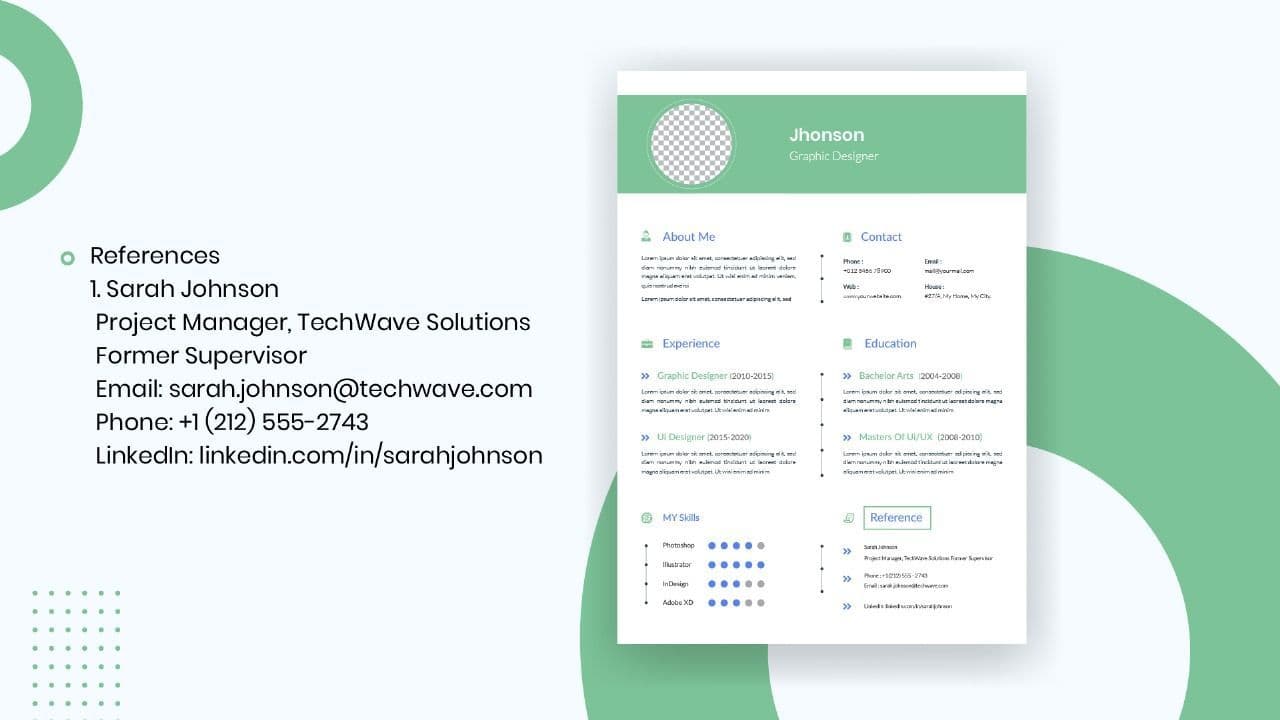
How to List References on a Resume in 2026
Learn the modern 2026 approach to listing references on your resume for maximum professionalism and recruiter impact.
Is Sound CV good for students and fresh graduates with no experience?
Sound CV is perfect for students and fresh graduates, helping them create professional resumes that highlight skills, projects, and potential even with little or no work experience.
Why Sound CV Is Different from Other AI Resume Builders
Sound CV stands out by creating job-focused, ATS-friendly resumes that highlight real achievements, not just generic content.
Resume Format for HR Job: Professional Guide and Sample Templates
A complete guide to the best resume format for HR jobs, with expert tips and sample templates to help you create a professional and job-ready resume.
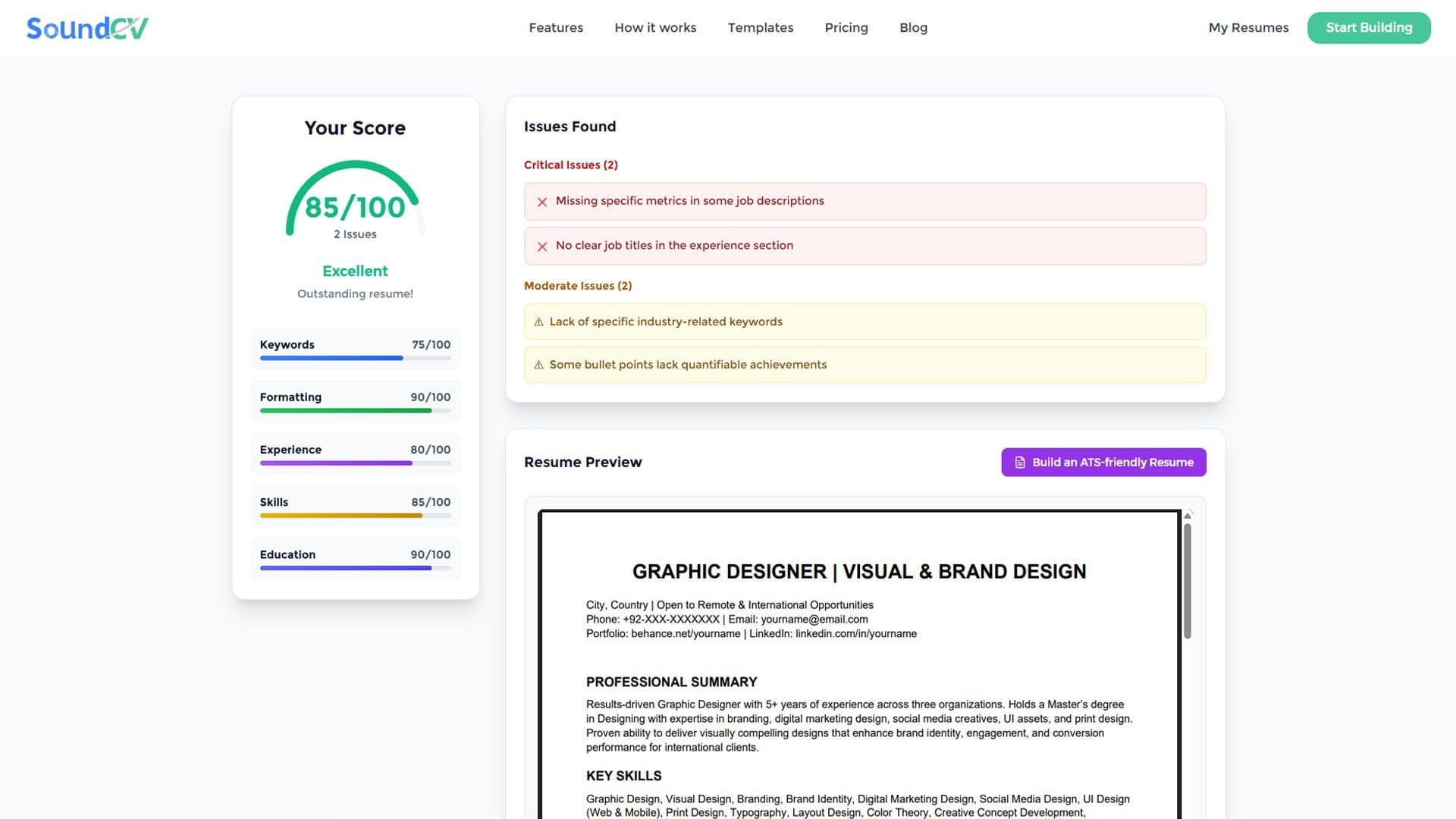
How Does the Sound CV Resume Score Checker Work?
The Sound CV Resume Score Checker analyzes your resume against ATS requirements, job-specific keywords, and structure to provide an instant, actionable score.

What Is a Sound CV? Features, Benefits, and How It Works
A Sound CV is an AI-powered resume that is tailored, ATS-optimized, and designed to showcase your skills and achievements to help you stand out to recruiters.