What Is a Letter of Intent for a Job? Definition, Examples & Writing Tips
Learn what a letter of intent for a job is, when to use it, and how to write one with examples.
Overview
A letter of intent for a job helps professionals express interest in working for a company before positions are advertised. This guide explains its definition, differences from cover letters, writing steps, examples, and expert tips to help job seekers stand out.
If you're exploring new career opportunities, networking proactively, or trying to stand out before a job is even posted, you may have come across the question: What Is a Letter of Intent for a Job?
Many job seekers confuse a letter of intent with a cover letter. Others aren’t sure when to send one or whether it’s necessary at all.
The truth is, a well-written letter of intent can position you strategically before competitors even know an opportunity exists.
In this comprehensive guide, you’ll learn:
- What a letter of intent for a job is
- When to use it
- How it differs from a cover letter
- How to write one step-by-step
- Real examples for different career levels
- Tips to make yours stand out
- Common mistakes to avoid
Let’s start with the basics.
What Is a Letter of Intent for a Job?
A letter of intent for a job is a professional document that expresses your interest in working for a specific company even if no job opening is currently advertised. It highlights your skills, experience, and long-term interest in contributing to the organization.
Unlike a cover letter, which responds to a posted job listing, a letter of intent is proactive. It introduces you to an employer and positions you for future opportunities.
In Simple Terms:
A letter of intent says:
“I’m interested in working for your company. Here’s the value I bring. I’d love to explore opportunities with you.”
It demonstrates initiative, confidence, and long-term career thinking.
Also Read : How to Make a Student Resume (Complete 2026 Guide)
When Is a Letter of Intent Used?
Understanding what is a letter of intent for a job also means understanding when to send one.
Here are the most common scenarios:
1. No Job Is Posted (Proactive Outreach)
You admire a company and want to be considered for future roles.
2. Networking Referrals
A connection recommends you reach out to a hiring manager.
3. Relocation
You’re moving to a new city and want to explore opportunities before arrival.
4. Internal Career Moves
You’re applying for a role within your current company.
5. Executive or Academic Roles
Senior-level or academic hiring often involves letters of intent before formal interviews.
In each case, the letter is about positioning—not responding.
Also Read : HR Executive Resume Guide With Format, Skills, and Examples
Letter of Intent vs Cover Letter: What’s the Difference?
A major source of confusion is the difference between these two documents.
Key Distinction
A cover letter answers:
“Why am I right for this job?”
A letter of intent answers:
“Why am I interested in contributing to your organization?”
That difference shapes the tone and structure.
Also Read : How to List Publications on a Resume (Examples & Format Guide)
Why a Letter of Intent Can Give You an Advantage
Many roles are filled before they’re ever advertised. By sending a letter of intent:
- You enter the hiring pipeline early
- You build direct connections with decision-makers
- You reduce competition
- You demonstrate initiative
Hiring managers appreciate candidates who show genuine interest instead of mass-applying online.
When done correctly, a letter of intent signals professionalism and strategic thinking.
Also Read : Management Consultant Resume Guide (Format, Examples & ATS Tips)
How to Write a Letter of Intent for a Job (Step-by-Step)
Now that we’ve answered what is a letter of intent for a job, let’s walk through exactly how to write one.
Step 1: Research the Company Thoroughly
Before writing anything:
- Study the company’s mission
- Review leadership profiles
- Check recent press releases
- Analyze growth areas
- Identify challenges or expansion plans
Your letter should reflect alignment not generic admiration.
Example:
Weak:
“I admire your company’s success.”Strong:
“I’m particularly impressed by your recent expansion into AI-driven analytics and your focus on scalable enterprise solutions.”
Specificity signals sincerity.
Also Read : How to Write a Data Scientist Resume That Impresses Recruiters
Step 2: Start With a Strong Introduction
Your opening paragraph should:
- Introduce yourself
- State your professional background
- Clearly express interest in the company
Example:
“I am a data analyst with five years of experience in fintech, and I am writing to express my interest in contributing to your growing analytics team at [Company Name].”
Keep it direct and professional.
Also Read : How Freshers Can Build a Strong Data Analyst Resume | ATS Guide for Beginners
Step 3: Highlight Relevant Skills and Value
This section should focus on impact, not responsibilities.
Instead of listing tasks, showcase measurable achievements.
Example:
- Increased revenue by 28% through targeted marketing campaigns
- Reduced operational costs by $150,000 annually
- Led cross-functional teams of 12 employees
Tie your experience to the company’s needs.
Also Read : Customer Service Resume Keywords for ATS Success in 2026
Step 4: Express Long-Term Interest
Since this isn’t tied to a specific job posting, clarify that you’re open to exploring opportunities.
Example:
“I would welcome the opportunity to discuss how my background in strategic operations could support your upcoming growth initiatives.”
This keeps the door open.
Also Read : Reverse Chronological Resume Format Guide (2026)
Step 5: Close Professionally
Your closing should:
- Express appreciation
- Invite conversation
- Include your contact information
Example:
“Thank you for your time and consideration. I look forward to the opportunity to connect.”
Letter of Intent Format & Structure
Here is the standard layout:
Your Name
Your Address
Your Email
Your Phone Number
Date
Hiring Manager’s Name
Company Name
Company Address
Dear [Hiring Manager’s Name],
Paragraph 1 – Introduction & Interest
Paragraph 2 – Skills & Achievements
Paragraph 3 – Alignment & Closing
Sincerely,
Your Name
Keep it to one page. Clear. Professional. Focused.
Also Read : SEO Executive Resume Templates & Tips for Every Experience Level (ATS Guide)
Letter of Intent Examples
Below are sample letters tailored to different career situations.
Example 1: Corporate Professional
Dear Ms. Thompson,
I am a marketing strategist with over seven years of experience in B2B SaaS growth, and I am writing to express my interest in contributing to your innovative team at Apex Digital Solutions.
In my current role, I led multi-channel campaigns that increased qualified lead generation by 42% year-over-year. I also managed a $500,000 annual budget and improved conversion rates through data-driven optimization strategies.
I am particularly impressed by your company’s recent expansion into global markets and would welcome the opportunity to support your continued growth initiatives.
Thank you for your time and consideration.
Sincerely,
Jordan Lee
Example 2: Career Changer
Dear Hiring Manager,
As a former educator transitioning into corporate training, I am excited about the opportunity to contribute to your employee development initiatives.
Over eight years of teaching, I designed curriculum programs that improved student performance by 30%. I believe my skills in communication, instructional design, and leadership translate directly to corporate learning environments.
I would appreciate the opportunity to explore how my background can support your team’s talent development goals.
Sincerely,
Maria Santos
Example 3: Recent Graduate
Dear Mr. Patel,
I recently graduated with a degree in Computer Science and am eager to contribute to your software engineering team.
Through internships and academic projects, I developed scalable web applications and collaborated with cross-functional teams. I am particularly drawn to your company’s focus on user-centered product development.
I would welcome the chance to discuss potential opportunities.
Sincerely,
David Kim
Example 4: Internal Promotion
Dear Ms. Johnson,
I am writing to formally express my interest in contributing to the strategic planning department.
During my four years in operations, I reduced process inefficiencies by 18% and led initiatives that improved cross-department collaboration.
I am enthusiastic about continuing to grow within the organization and contributing at a higher strategic level.
Sincerely,
Alex Morgan
Also Read : Supply Chain Manager Resume Guide: Format, Skills & ATS Tips
Tips to Make Your Letter Stand Out
If you truly understand a letter of intent for a job, you know it’s about positioning.
Here’s how to elevate yours:
1. Personalize It
Mention specific projects or achievements of the company.
2. Keep It Concise
One page maximum.
3. Use Metrics
Quantifiable results build credibility.
4. Show Cultural Fit
Align with company values.
5. Avoid Repeating Your Resume
Summarize impact, don’t duplicate bullet points.
6. Follow Up Strategically
Send a polite follow-up email within 1–2 weeks.
Also Read : Digital Marketing Resume Tips & Examples to Get Interviews
Common Mistakes to Avoid
Being Too Generic
Avoid templates that could apply to any company.
Focusing Only on What You Want
Employers care about what you can offer.
Writing Too Much
Clarity beats length.
Forgetting to Attach Your Resume
Always include it unless instructed otherwise.
Sending It to a Generic Email
Try to find a specific hiring manager.
Also Read : Entry-Level Software Tester Resume: Sample, Format & ATS Tips for Freshers
Strategic Takeaways
Now that you understand what is a letter of intent for a job, here are the core principles:
- It’s proactive, not reactive.
- It focuses on long-term value.
- It demonstrates initiative.
- It opens doors before job listings appear.
- It strengthens professional positioning.
When written thoughtfully, it becomes a networking and branding tool—not just a document.
Also Read : Quality Analyst Resume Guide (2026) | ATS-Friendly QA Resume Tips
Final Thoughts
A letter of intent is more than a formality. It’s a strategic move.
Instead of waiting for job postings, you can position yourself early. You can build relationships. You can show initiative. And you can differentiate yourself in competitive industries.
However, alignment is critical. Your letter of intent and resume must tell a consistent story, skills, achievements, and positioning should match seamlessly.
Before sending your application, make sure your resume supports your message clearly and effectively. Platforms like Sound CV can help analyze your resume structure, keyword optimization, and overall alignment to ensure your professional brand is strong across every document.
When your letter of intent is clear, strategic, and supported by a strong resume, you don’t just apply for opportunities, you create them.
FAQs
Frequently asked questions about this topic
Related Blogs
Explore more insights and guides you might like.
What is the Difference Between Application and Cover Letter
Learn the key difference between an application and a cover letter when to use each, what to include, and stand out to employers in 2026
How to Write the Date in an Application (Step-by-Step Guide)
Learn how to write the date in an application correctly with proper formats, placement, examples, and professional writing tips.
How to Make a Cover Letter That Actually Gets Interviews
Learn how to write a standout cover letter that grabs attention and gets you more interviews.
Cover Note for Resume: Samples, Examples & Writing Guide
Learn how to write a strong cover note for your resume with examples, structure tips, and ideal length guidance.

The Ultimate Guide to Crafting an Effective Cover Letter Header
Learn how to craft a professional, well-formatted cover letter header that creates strong first impressions and supports ATS compatibility.
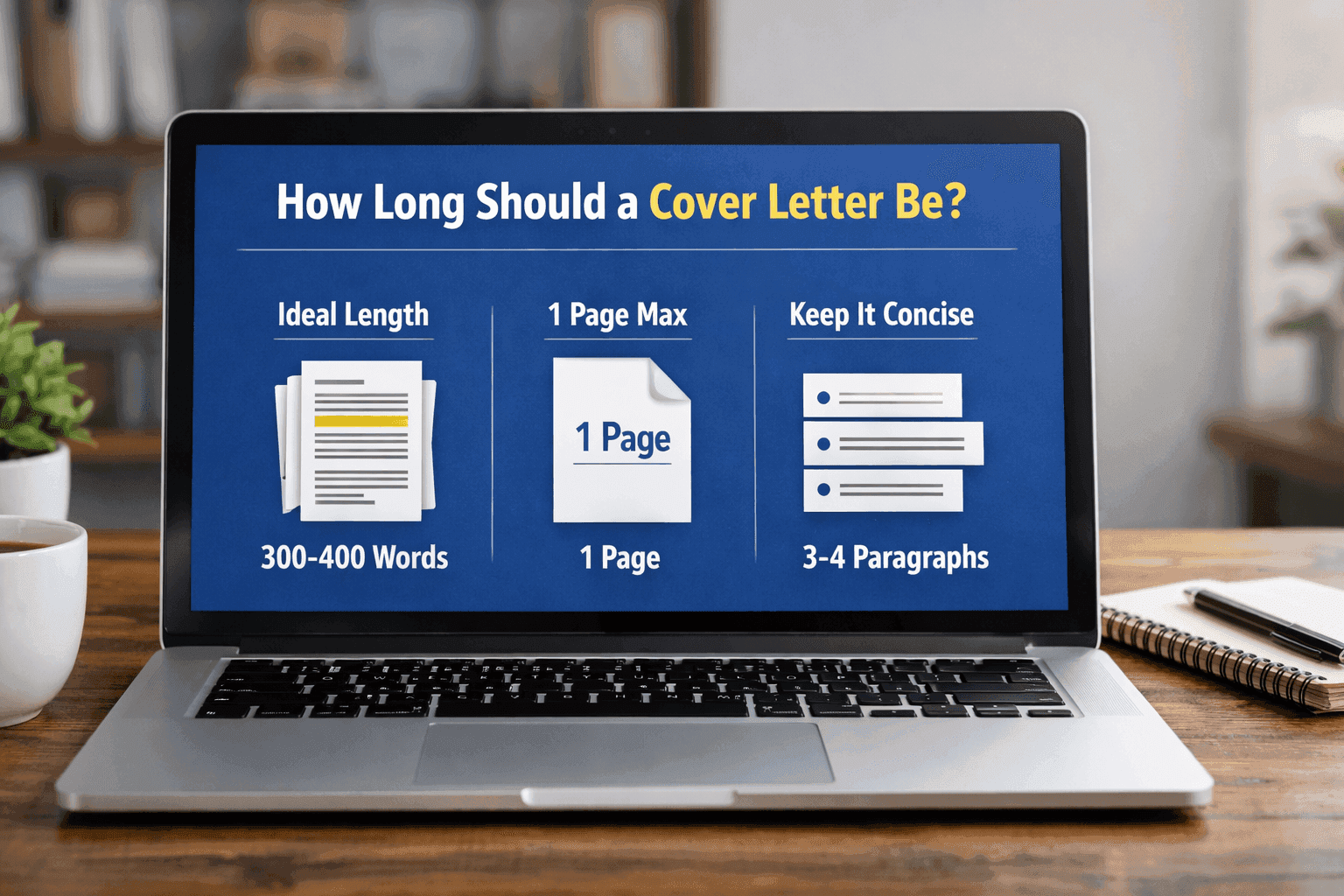
How Long Should a Cover Letter Be?
Learn the ideal cover letter length, structure, and formatting tips to write concise, recruiter-friendly applications that get noticed.