Entry-Level Software Tester Resume: Sample, Format & ATS Tips for Freshers
Learn how to write an ATS-friendly entry-level software tester resume with examples, formatting tips, and fresher-focused strategies.
Overview
This comprehensive guide explains how to build an entry-level software tester resume that stands out. Learn formatting best practices, ATS optimization strategies, essential skills, project presentation tips, and customization techniques to help freshers secure QA interviews faster.
Breaking into software testing can be challenging for fresh graduates and career starters. Entry-level roles attract a large number of applicants, many with similar educational backgrounds and limited professional experience. In such a competitive environment, your software tester resume becomes the most important tool for getting noticed.
Recruiters hiring for junior QA or software tester roles are not expecting years of experience. Instead, they look for strong fundamentals, clear understanding of testing concepts, attention to detail, and a willingness to learn. Unfortunately, many freshers fail to present these qualities effectively on their resumes. Common issues include generic summaries, poorly structured resumes, and long lists of tools without context.
Additionally, most companies use Applicant Tracking Systems (ATS) to screen resumes. If your resume is not properly formatted or lacks relevant keywords, it may never reach a recruiter.
This guide will show you exactly how to create an entry-level software tester resume that highlights your skills, projects, and potential so you can turn applications into interview calls.
Key Points
- Why entry-level software tester resumes require ATS optimization
- Understanding junior QA roles and recruiter expectations
- Best resume formats for freshers (reverse-chronological vs hybrid)
- How to write a strong resume summary without experience
- Essential manual testing and QA skills to include
- How to showcase projects and internships effectively
- Certifications that strengthen fresher profiles
- Customizing resumes for manual vs automation roles
- Common mistakes to avoid in QA resumes
- Final checklist before submitting your resume
Understanding the Role of an Entry-Level Software Tester
Before writing your resume, it is important to clearly understand what employers expect from an entry-level software tester. Software testers, often referred to as QA testers, play a critical role in the software development process by ensuring that applications work as intended, meet business and technical requirements, and deliver a smooth user experience. Even at the junior level, testers are responsible for maintaining quality and identifying issues before products reach users.
At the entry level, software testers typically focus on core quality assurance tasks. These include understanding software requirements and translating them into test cases, executing manual tests to validate functionality, and carefully observing system behavior. Identifying, documenting, and reporting bugs in a clear and structured manner is a key responsibility, as is verifying fixes once developers resolve reported issues. Entry-level testers also support the broader QA process by assisting senior testers, following testing guidelines, and contributing to test documentation.
Recruiters do not expect fresh graduates or junior candidates to be experts in automation tools or advanced testing frameworks. However, they do expect a solid understanding of testing fundamentals. This includes knowledge of the Software Development Life Cycle (SDLC) and Software Testing Life Cycle (STLC), familiarity with different types of testing, awareness of the defect lifecycle, and the ability to create basic test cases. Understanding these concepts demonstrates that you are prepared to work in a real testing environment.
In addition to technical knowledge, entry-level software testers are expected to possess strong observation skills, logical thinking, and clear communication. Testers must notice small details, think critically about possible edge cases, and explain issues clearly to developers and stakeholders. A strong willingness to learn and adapt is also highly valued.
Your software tester resume should reflect this balance of foundational knowledge, practical understanding, and learning mindset. By clearly showing your grasp of testing responsibilities and your readiness to grow on the job, you position yourself as a strong candidate for entry-level QA roles.
Also Read : Resume Format for Web Developer: Modern Templates & ATS Tips for 2026
Choosing the Right Resume Format for Entry-Level Testers
Choosing the right resume format is an important step for entry-level software testers, as it directly affects how recruiters and Applicant Tracking Systems (ATS) evaluate your application. A clear and well-structured format helps highlight your skills, training, and learning potential, even if you have limited professional experience.
For most entry-level software testers, the reverse-chronological format is the best option. This format places your most recent education, training programs, internships, or projects at the top of the resume. It allows recruiters to quickly see what you have learned recently, the tools you are familiar with, and how your skills are developing. This format is also highly compatible with ATS software, making it a safe and effective choice.
A hybrid format can also work well for freshers. This approach lets you highlight technical skills, certifications, and testing projects before listing your education and internships. It is especially useful if you have completed hands-on testing projects, online courses, or QA certifications that demonstrate practical knowledge. By placing these sections higher, you draw attention to your readiness for the role.
Functional resumes should generally be avoided. They focus heavily on skills while hiding timelines, which can raise concerns for recruiters and often cause problems for ATS systems.
In terms of length, entry-level software tester resumes should typically be limited to one page. Keep your resume clean, simple, and easy to scan. Clear headings, consistent formatting, and logical section order improve both ATS performance and recruiter readability, increasing your chances of being shortlisted.
Also Read : Resume for Software Developer Fresher: Step-by-Step Guide + Examples
Writing a Strong Entry-Level Software Tester Resume Summary
Your resume summary is the first section recruiters read, making it a critical part of your software tester resume. For freshers, the goal is to highlight skills, knowledge, and learning mindset rather than experience.
A strong entry-level tester summary should include:
- Your career objective or role
- Core testing skills or knowledge
- Tools or concepts you are familiar with
Example:
Detail-oriented entry-level software tester with a strong understanding of manual testing, SDLC, and defect lifecycle. Experienced in writing test cases and reporting bugs through academic and personal projects. Eager to contribute to quality assurance teams and continuously learn automation tools.
Avoid vague statements like “seeking a challenging role.” Instead, focus on what you bring to the role and how your skills align with testing responsibilities.
Tailor your summary using keywords from job descriptions to improve ATS compatibility.
Also Read : Resume for Java Developer Fresher: Winning CV Guide
Key Skills to Include on an Entry-Level Software Tester Resume
The skills section is essential for ATS screening and recruiter evaluation. Skills should be relevant, structured, and honest.
Manual Testing Skills
- Test case design
- Test execution
- Bug reporting and tracking
- Regression testing
- Smoke and sanity testing
Automation and Tools (Basic Level)
- Selenium (basic understanding)
- TestNG or JUnit (introductory level)
- Postman (API testing basics)
- JIRA or similar bug-tracking tools
Testing Concepts
- SDLC and STLC
- Defect lifecycle
- Black-box testing
- Functional and non-functional testing
Soft Skills for QA Roles
- Attention to detail
- Analytical thinking
- Communication
- Team collaboration
Only list skills you genuinely understand. Recruiters may ask about them during interviews.
Also Read : Best Resume Format for Engineering Students (ATS-Friendly Guide)
Showcasing Projects, Internships, and Training
For freshers, projects and training are the most important part of a software tester resume. They demonstrate practical exposure and learning effort.
Academic and Personal Projects
Include projects where you:
- Tested a web or mobile application
- Created test cases
- Identified and reported defects
Example:
Performed manual testing on an e-commerce demo website. Designed and executed 50+ test cases, identified UI and functional defects, and documented bugs using JIRA.
Internships and Trainee Roles
If you completed a QA internship or training program, highlight:
- Testing responsibilities
- Tools used
- Team collaboration
This shows recruiters that you understand real-world testing workflows.
Also Read : ATS-Friendly Resume Format for IT Engineers in 2026
Entry-Level Software Tester Resume Sample (Structure)
A typical entry-level software tester resume includes:
- Resume Summary
- Skills
- Projects / Internships
- Education
- Certifications
What makes a strong resume sample effective is clarity, relevance, and honesty. Recruiters prefer simple resumes that clearly show testing fundamentals over flashy designs.
Also Read : Resume for Government Job – How to Write an ATS-Friendly CV
Education, Certifications, and Courses
Education is especially important for entry-level roles. Include:
- Degree name
- Institution
- Graduation year
Relevant certifications can strengthen your profile, such as:
- Manual testing certification
- Software testing courses
- Automation fundamentals
Online platforms and training institutes are acceptable if the learning is relevant and practical.
Optimizing Your Resume for ATS
Most software tester resumes are filtered through ATS before reaching recruiters. Optimization is essential.
ATS best practices:
- Use standard headings (Summary, Skills, Projects, Education)
- Avoid tables, icons, and graphics
- Match keywords from job descriptions
- Keep formatting simple
For example, if a job description mentions “manual testing” and “test case design,” those exact terms should appear in your resume.
Also Read : Best Resume Format for Mechanical Engineers (ATS-Friendly Examples)
Customizing Your Resume for Different Tester Roles
Entry-level testing roles can vary. Some focus purely on manual testing, while others expect basic automation knowledge.
Customize your resume by:
- Emphasizing manual testing for manual tester roles
- Highlighting automation basics for automation trainee roles
- Adjusting project descriptions to match job requirements
Customization significantly improves interview chances.
Common Mistakes in Entry-Level Software Tester Resumes
Avoid these frequent mistakes:
- Listing tools without understanding them
- Writing generic objectives
- Poor grammar or spelling errors
- Overloading technical jargon
- Ignoring ATS requirements
A simple, focused resume always performs better than a cluttered one.
Also Read : Resume Format for Engineering Students - Skills, Projects & ATS Tips
Resume Checklist Before Applying
Before submitting your resume, ensure:
- Clear and consistent formatting
- Relevant testing keywords included
- Honest skill representation
- Grammar and spelling checked
- ATS-friendly structure
A final review can make a big difference.
Also Read : How to Sell a Product in an Interview (Step-by-Step Guide for Freshers)
Conclusion
A strong software tester resume is not about experience it is about potential, clarity, and fundamentals. By focusing on testing concepts, showcasing projects, optimizing for ATS, and customizing your resume for each role, you significantly improve your chances of getting interview calls as a fresher.
Recruiters hiring entry-level testers look for candidates who understand the basics and show a genuine interest in quality assurance. A well-structured resume helps you stand out even with limited experience.
Just as fresh professionals use tools like Sound CV to structure, optimize, and present their skills clearly for recruiters, aspiring software testers should approach resume building strategically. The right structure and focus can turn learning efforts into real job opportunities.
With the right resume, your journey into software testing starts with confidence not confusion.
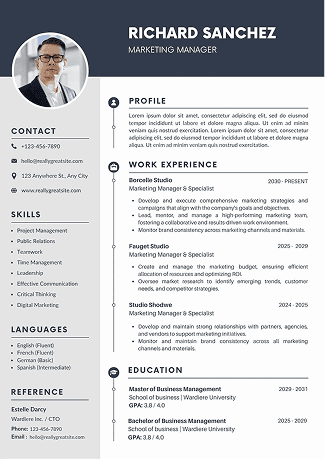
Related Blogs
Explore more insights and guides you might like.
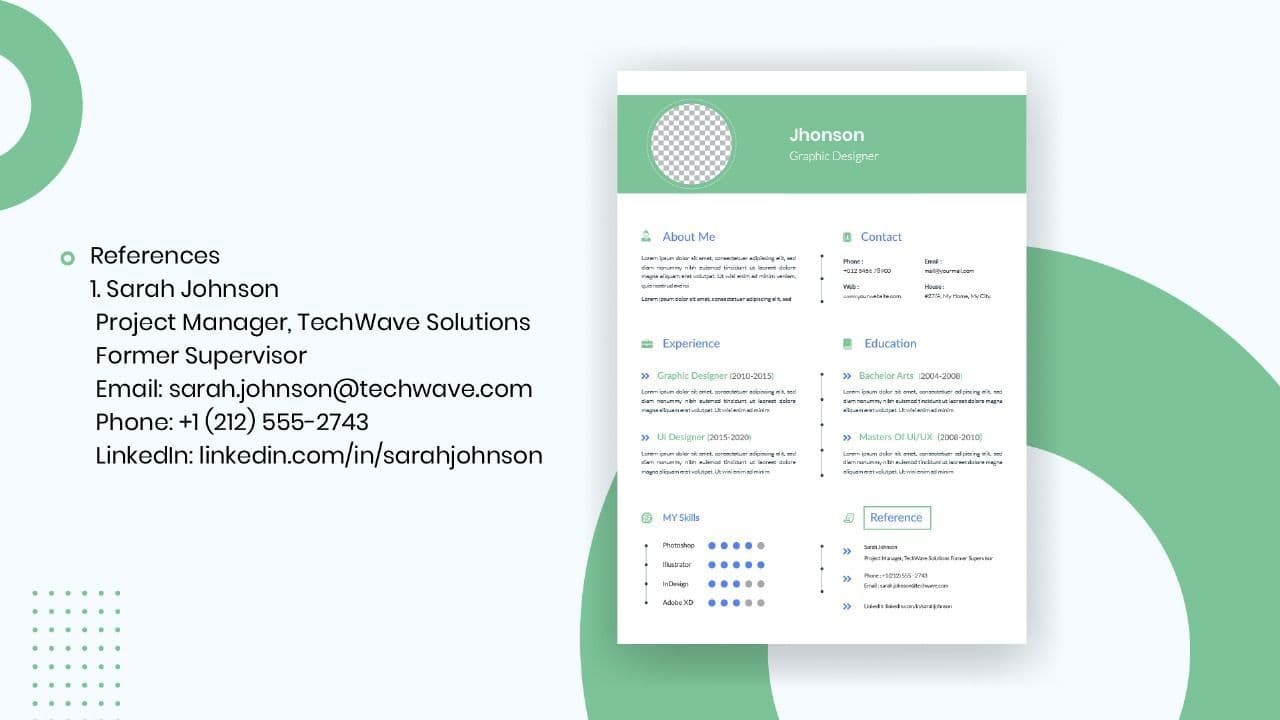
How to List References on a Resume in 2026
Learn the modern 2026 approach to listing references on your resume for maximum professionalism and recruiter impact.

Is Sound CV good for students and fresh graduates with no experience?
Sound CV is perfect for students and fresh graduates, helping them create professional resumes that highlight skills, projects, and potential even with little or no work experience.
Why Sound CV Is Different from Other AI Resume Builders
Sound CV stands out by creating job-focused, ATS-friendly resumes that highlight real achievements, not just generic content.
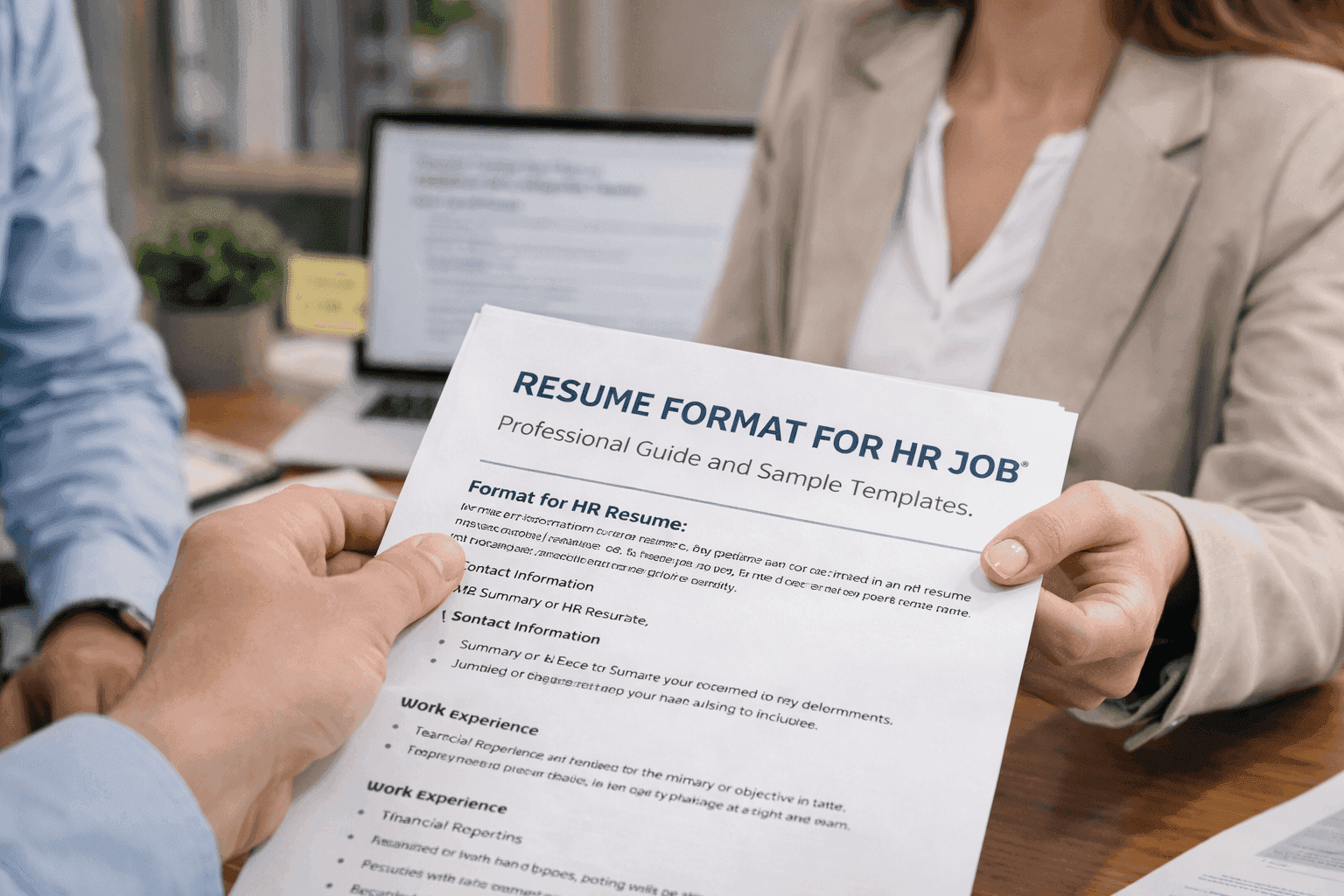
Resume Format for HR Job: Professional Guide and Sample Templates
A complete guide to the best resume format for HR jobs, with expert tips and sample templates to help you create a professional and job-ready resume.
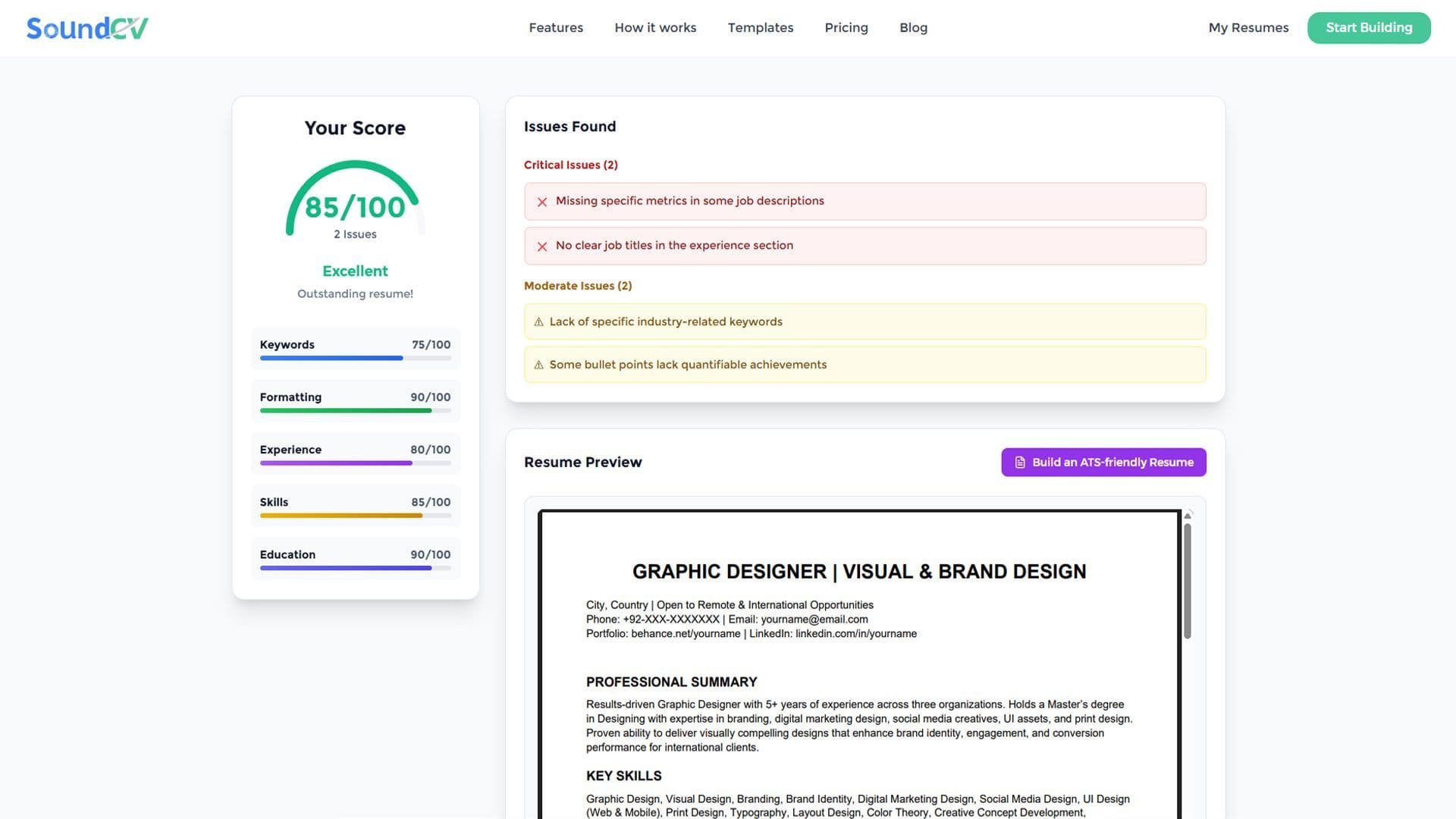
How Does the Sound CV Resume Score Checker Work?
The Sound CV Resume Score Checker analyzes your resume against ATS requirements, job-specific keywords, and structure to provide an instant, actionable score.

What Is a Sound CV? Features, Benefits, and How It Works
A Sound CV is an AI-powered resume that is tailored, ATS-optimized, and designed to showcase your skills and achievements to help you stand out to recruiters.