Digital Marketing Resume Tips & Examples to Get Interviews
Create a powerful digital marketing resume that highlights results, passes ATS screening, and increases your chances of landing interviews.
Overview
Discover expert tips to craft a high-performing digital marketing resume. Learn how to showcase results, optimize for ATS, highlight key skills, and customize your profile to stand out and secure more interviews in today’s competitive job market.
Digital marketing is one of the fastest-growing career fields, but it is also one of the most competitive. For every open role, recruiters receive dozens or even hundreds of applications from candidates with similar certifications, tools, and campaign experience. In this environment, a strong digital marketing resume is essential to stand out and secure interviews.
Unlike traditional roles, digital marketing is highly results-driven. Recruiters are not just interested in what tools you know; they want to see proof of performance. Traffic growth, lead generation, conversion rates, return on ad spend, and engagement metrics matter far more than generic job descriptions.
Additionally, most companies use Applicant Tracking Systems (ATS) to filter resumes before a recruiter reviews them. If your resume lacks relevant keywords, clear structure, or measurable results, it may be rejected automatically.
This guide will show you how to craft a digital marketing resume that highlights your skills, showcases real impact, passes ATS screening, and positions you as a strong candidate whether you are a fresher, a specialist, or a senior marketer.
Key Points
- Digital marketing resumes must focus on results, not responsibilities.
- Use reverse-chronological format for better readability and ATS compatibility.
- Add a strong summary with experience level, specialization, and measurable achievements.
- Include core skills like SEO, PPC, Social Media, Content, and Email Marketing.
- Mention tools such as Google Analytics, Google Ads, Meta Ads, SEMrush, Ahrefs.
- Showcase experience using the formula: Action + Channel + Result.
- Freshers should highlight projects, internships, and certifications.
- Optimize resume with job-specific keywords to pass ATS screening.
- Customize resume for different roles (SEO, PPC, SMM, Content).
- Avoid common mistakes like generic summaries, buzzwords, and listing tools without results.
- Keep formatting simple, clean, and ATS-friendly.
- A performance-driven resume increases chances of interviews and career growth.
Understanding the Role of a Digital Marketer
Before writing an effective resume, it is essential to understand what employers truly expect from a digital marketer. While digital marketing roles can differ by company size, industry, and goals, they all share a common focus: driving online growth, increasing visibility, and generating meaningful conversions that support business objectives.
At a foundational level, digital marketers are responsible for planning, executing, and managing online campaigns across various channels. This includes monitoring performance data, analyzing user behavior, and using insights to optimize content, advertisements, and overall strategy. Increasing brand visibility, engagement, and lead generation through digital platforms is a core part of the role, regardless of specialization.
Digital marketing includes several distinct areas of expertise. Search Engine Optimization (SEO) focuses on improving organic visibility and search rankings. Pay-Per-Click Advertising (PPC) involves managing paid campaigns and optimizing cost efficiency. Social Media Marketing (SMM) centers on audience engagement and brand presence across social platforms. Content marketing emphasizes creating valuable, relevant content to attract and retain users, while email marketing focuses on nurturing leads and building long-term relationships.
Expectations for digital marketers vary by experience level. Entry-level professionals are typically expected to understand core concepts, tools, and basic performance metrics. Familiarity with platforms like Google Analytics, social media tools, or ad dashboards is often sufficient at this stage. Mid-level marketers are expected to execute campaigns independently, optimize performance, and demonstrate measurable results such as traffic growth, lead generation, or improved conversion rates. Senior digital marketers take on a more strategic role, focusing on campaign planning, budget management, team leadership, and return on investment (ROI).
A strong digital marketing resume should clearly communicate your area of specialization, experience level, and most importantly the business impact of your work. Showing how your efforts contributed to growth, engagement, or revenue helps employers quickly see your value as a digital marketer.
Also Read : HR Executive Resume Guide With Format, Skills, and Examples
Choosing the Right Resume Format for Digital Marketing Roles
Resume format plays a major role in readability and ATS compatibility.
Reverse-Chronological Format
This is the most recommended format for digital marketers. It highlights your most recent roles and achievements first, making it easy for recruiters to see your current skills and campaign experience.
Hybrid Format
A hybrid format works well for freshers, freelancers, or career switchers. It allows you to highlight key skills, certifications, and projects before listing work experience.
Resume Length
- Entry-level digital marketers: 1 page
- Experienced marketers: 1–2 pages
Avoid functional resumes, as they often hide timelines and raise red flags. Keep your resume clean, structured, and easy to scan.
Also Read : Entry-Level Software Tester Resume: Sample, Format & ATS Tips for Freshers
Writing an Effective Digital Marketing Resume Summary
Your resume summary is one of the most important sections of your digital marketing resume because it creates the first impression for recruiters. In just a few lines, it should clearly communicate who you are as a digital marketer, what you specialize in, and the results you have achieved. A well-crafted summary helps hiring managers quickly understand your value and encourages them to read the rest of your resume.
A strong digital marketing resume summary includes three key elements. First, state your role and experience level so recruiters can immediately assess your seniority. Whether you are an entry-level marketer, a specialist, or a senior professional, this context is essential. Second, highlight your marketing focus or specialization. Digital marketing covers many areas, such as SEO, PPC, social media marketing, content marketing, and email marketing. Clearly mentioning your focus ensures your profile aligns with the role requirements. Third, include one or two measurable achievements that demonstrate the impact of your work. Numbers and results add credibility and help differentiate you from other candidates.
For example, an effective summary might read:
Results-driven digital marketer with 5+ years of experience in SEO and paid advertising. Increased organic traffic by 60% and reduced cost per lead by 25% through data-driven campaign optimization.
Avoid generic statements like “creative marketer” or “marketing enthusiast,” as they do not communicate real value. Instead, focus on specific outcomes, tools, and strategies that are relevant to the position you are applying for. It is also important to tailor your summary for each job application. Aligning your language with keywords from the job description improves Applicant Tracking System (ATS) optimization and increases the chances of your resume being shortlisted. A focused, results-oriented summary sets a strong foundation for a successful digital marketing resume.
Also Read : Project Manager Resume: Examples, Skills & ATS Writing Tips
Essential Skills to Include on a Digital Marketing Resume
Your skills section helps both recruiters and ATS systems evaluate your profile.
Core Digital Marketing Skills
- SEO and keyword research
- Google Ads and PPC campaigns
- Social media marketing
- Content strategy and optimization
- Email marketing
Tools and Platforms
- Google Analytics and Search Console
- Google Ads and Meta Ads Manager
- SEO tools (Ahrefs, SEMrush, Ubersuggest)
- CMS platforms (WordPress, Webflow)
Soft Skills Recruiters Value
- Analytical thinking
- Communication
- Creativity with data focus
- Collaboration
Group skills logically and only list tools you have actually used.
Also Read : The Ultimate Guide to Crafting an Effective Cover Letter Header
Showcasing Work Experience With Measurable Results
This is the most important section of your digital marketing resume. Recruiters want to see results, not responsibilities.
Use this structure:
Action + Channel + Result
Instead of:
“Managed social media accounts”
Write:
“Managed Instagram and Facebook campaigns, increasing engagement by 45% and generating 300+ monthly leads”
Use metrics such as:
- Traffic growth
- Conversion rates
- ROI and ROAS
- Cost per lead
Numbers make your experience credible and impactful.
Also Read : What Is the Purpose of a Cover Letter? Why It Still Matters in 2026
Highlighting Projects, Internships, and Freelance Work
For freshers and freelancers, projects are critical.
Include:
- Personal websites or blogs
- Client campaigns
- Internship work
Example:
Executed SEO strategy for a personal blog, increasing organic traffic from 0 to 15,000 monthly visitors in six months.
Projects show initiative, hands-on skills, and real-world learning.
Also Read : Resume Format for HR Job: Professional Guide and Sample Templates
Digital Marketing Resume Examples
Entry-Level Digital Marketer
Focus on internships, certifications, and projects. Emphasize learning ability and basic campaign execution.
Mid-Level Digital Marketer
Highlight independent campaign ownership, optimization, and measurable growth.
Senior Digital Marketer
Demonstrate strategic planning, budget management, leadership, and ROI-driven decisions.
What makes these examples effective is clarity, relevance, and results—not flashy design.
Education, Certifications, and Training
Include:
- Degree (if relevant)
- Digital marketing certifications
- Online courses
Certifications such as Google Ads, Analytics, HubSpot, or Meta Blueprint strengthen credibility—especially for freshers.
Optimizing Your Digital Marketing Resume for ATS
ATS optimization is essential.
Best practices:
- Use standard headings
- Avoid graphics and tables
- Match keywords from job descriptions
- Keep formatting simple
If a role mentions “SEO audits” or “Google Ads optimization,” those exact terms should appear naturally in your resume.
Also Read : How Long Should a Cover Letter Be?
Customizing Your Resume for Different Digital Marketing Roles
Not all digital marketing roles are the same.
Customize your resume for:
- SEO-focused roles
- PPC-focused roles
- Social media or content roles
- Agency vs in-house positions
Adjust your summary, skills, and experience emphasis for each role.
Common Digital Marketing Resume Mistakes
Avoid these mistakes:
- Listing tools without results
- Overusing buzzwords
- Weak summaries
- Ignoring ATS
- Poor formatting
A focused resume always performs better.
Resume Checklist Before Applying
Before applying, ensure:
- Clear formatting
- Relevant keywords included
- Quantified achievements
- Grammar and spelling checked
- ATS-friendly layout
Also Read : Resume Format for College Students: Easy Guide with Samples
Conclusion
A strong digital marketing resume is not just a list of tools it is a performance document. By focusing on measurable results, structuring your resume for ATS, and tailoring it to each role, you significantly improve your chances of landing interviews.
In today’s data-driven marketing landscape, recruiters want clarity, relevance, and proof of impact. When your resume clearly shows how you drive traffic, leads, and conversions, it becomes a powerful career asset.
Just as professionals use platforms like Sound CV to structure, optimize, and present their experience in a way that aligns with recruiter expectations, digital marketers should treat their resumes with the same strategic mindset. The right structure and metrics can turn strong skills into real opportunities.
With the right resume, you don’t just apply for digital marketing roles you compete confidently for them.
FAQs
Frequently asked questions about this topic
Related Blogs
Explore more insights and guides you might like.
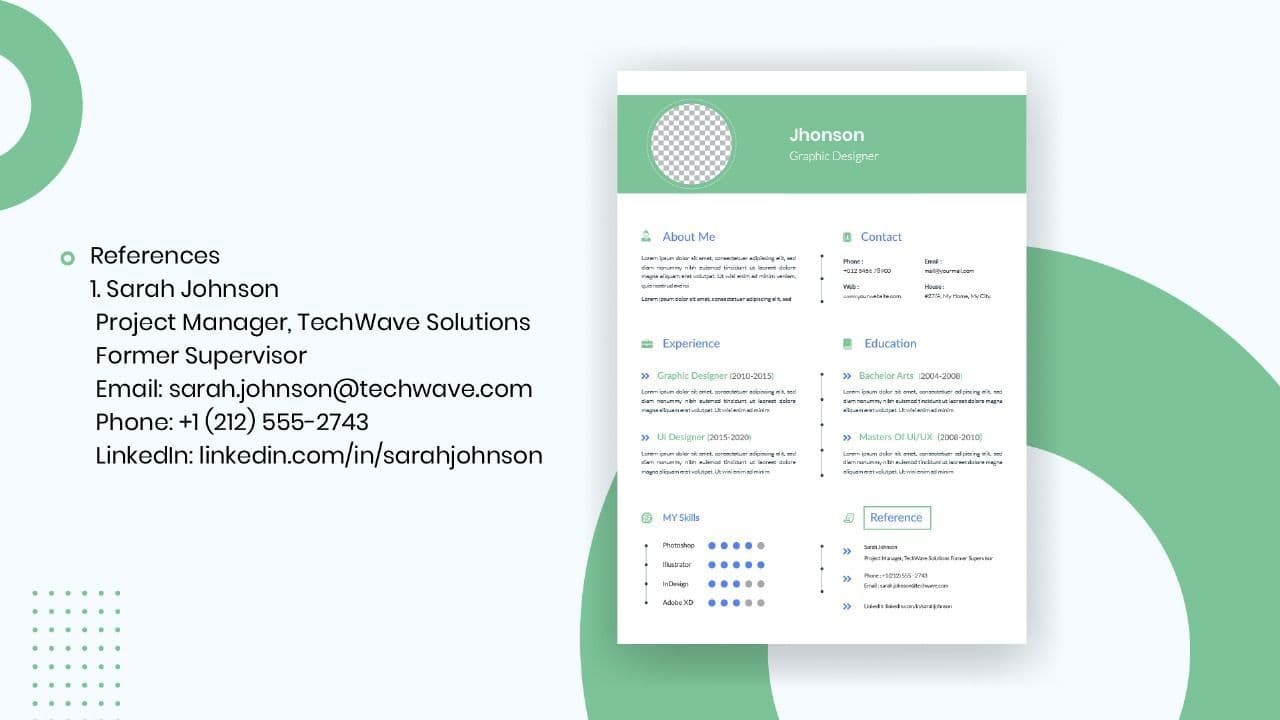
How to List References on a Resume in 2026
Learn the modern 2026 approach to listing references on your resume for maximum professionalism and recruiter impact.

Is Sound CV good for students and fresh graduates with no experience?
Sound CV is perfect for students and fresh graduates, helping them create professional resumes that highlight skills, projects, and potential even with little or no work experience.
Why Sound CV Is Different from Other AI Resume Builders
Sound CV stands out by creating job-focused, ATS-friendly resumes that highlight real achievements, not just generic content.
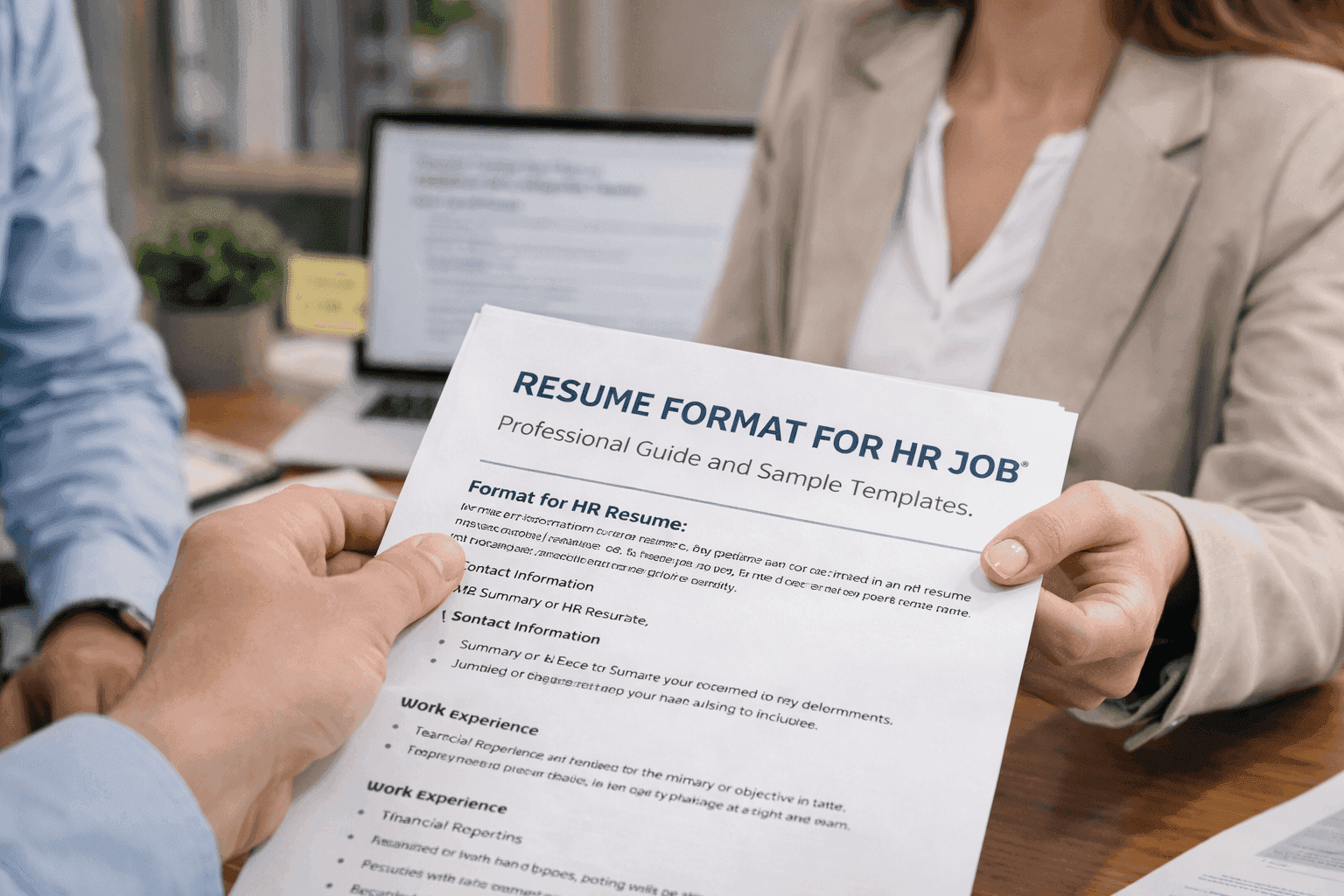
Resume Format for HR Job: Professional Guide and Sample Templates
A complete guide to the best resume format for HR jobs, with expert tips and sample templates to help you create a professional and job-ready resume.
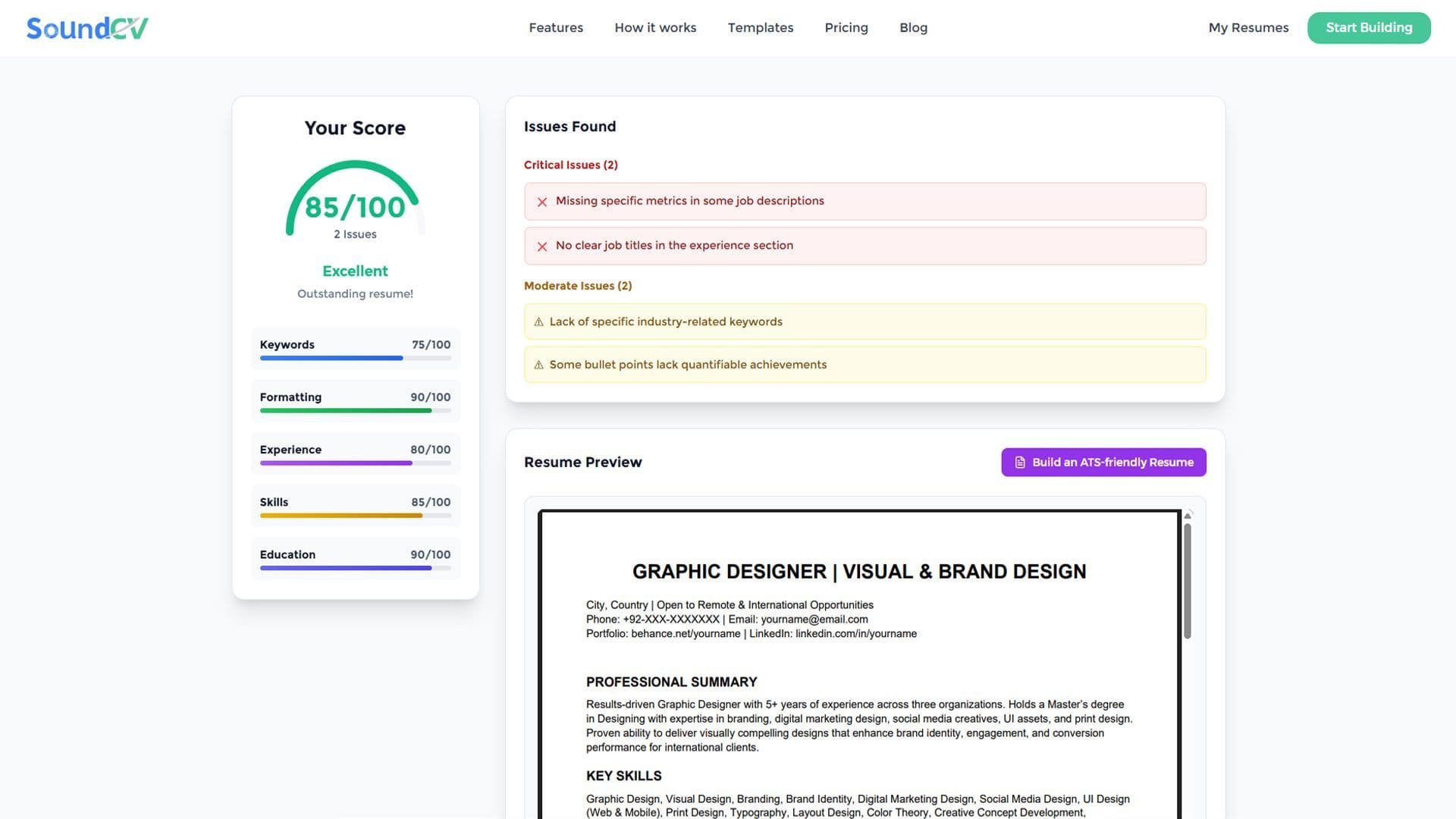
How Does the Sound CV Resume Score Checker Work?
The Sound CV Resume Score Checker analyzes your resume against ATS requirements, job-specific keywords, and structure to provide an instant, actionable score.

What Is a Sound CV? Features, Benefits, and How It Works
A Sound CV is an AI-powered resume that is tailored, ATS-optimized, and designed to showcase your skills and achievements to help you stand out to recruiters.