The Ultimate Guide to Crafting an Effective Cover Letter Header
Learn how to format a professional cover letter header with the right contact details, alignment, and structure to make a strong first impression.
Overview
This article explains why the cover letter header is critical in shaping first impressions. It outlines essential elements such as contact details, date, and employer information, along with formatting best practices and ATS tips. The guide also highlights common mistakes and provides situation-based advice to help candidates create a professional, accurate, and well-structured header.
When applying for a job, most candidates focus heavily on the body of their cover letter while overlooking one of the most important elements the cover letter header. This small section sits at the very top of your application, yet it sets the tone for everything that follows. Recruiters often form their first impression before reading a single sentence of your letter, and that impression is shaped largely by how professional, accurate, and well-structured your header appears.
A strong cover letter header communicates organization, attention to detail, and professionalism. A weak or incorrect header, on the other hand, can instantly reduce credibility, even if the rest of your application is well written. This guide explains exactly how to craft an effective cover letter header, what to include, how to format it, and how to avoid common mistakes.
Why the Cover Letter Header Matters
First impressions play a decisive role in the hiring process, and the cover letter header is often the very first element a recruiter notices. In most recruitment scenarios, hiring managers review dozens or even hundreds of applications within a limited time frame. Before they read a single sentence about your skills or experience, they see your name, contact details, and the overall presentation of your application. The cover letter header serves as the initial visual and informational cue that shapes their perception.
A well-crafted cover letter header immediately signals professionalism. It shows that you understand formal communication standards and respect the hiring process.
Clear and accurate contact information allows recruiters to quickly identify who you are and how to reach you, which is especially important in fast-paced hiring environments. When these details are presented neatly and consistently, they create a sense of order and reliability.
On the other hand, a poorly prepared header can raise red flags. Missing phone numbers, outdated email addresses, incorrect company names, or inconsistent formatting may suggest carelessness or a lack of attention to detail.
For roles where professionalism and accuracy are valued, such mistakes can negatively impact your chances before your qualifications are even considered.
Because the cover letter header appears before the greeting and the main body of the letter, it quietly sets expectations for everything that follows.
Recruiters often form an initial judgment within seconds, and a clean, accurate, and well-structured header helps create confidence right away. It reassures the reader that the candidate is organized, detail-oriented, and serious about the opportunity.
What Is a Cover Letter Header?
A cover letter header is the section placed at the top of your cover letter that contains essential identification and contact information.
Its main purpose is to clearly communicate who you are, when the letter was written, and who the letter is addressed to. This information helps recruiters quickly understand the context of your application before reading the main content.
Although a cover letter header may look similar to a resume header, it serves a different function. A resume header is designed to highlight your personal brand and make your profile easy to recognize. In contrast, a cover letter header follows professional correspondence standards.
It is more formal in structure and closely aligns with traditional business letter conventions, reinforcing professionalism and clarity.
A properly written cover letter header helps recruiters identify the candidate quickly and verify contact details without confusion.
It also provides important context, such as the timing of the application and the intended recipient, which can be especially helpful during high-volume hiring processes. By presenting this information clearly, the header supports efficiency and accuracy.
Most importantly, the cover letter header establishes a professional tone before the reader reaches the greeting or body of the letter. A clean, accurate, and well-organized header sets positive expectations and prepares the recruiter to read the rest of your cover letter with confidence.
Also Read:SQL Developer Resume for Freshers That Gets Interviews
Essential Elements of a Cover Letter Header
An effective cover letter header includes three core components: your contact information, the date, and the employer’s contact information.
Your Contact Information
Your contact details should be placed at the top of the cover letter header and written clearly and professionally.
Include:
- Full name
- Phone number
- Professional email address
- Location (city and country)
Your email address should be simple and professional, ideally based on your name. Avoid nicknames or informal handles. Including your location helps recruiters understand your availability, especially for on-site or region-specific roles.
Optional additions include a LinkedIn profile or professional portfolio link, provided they are relevant and up to date.
Date Formatting
The date shows when the cover letter was written and adds formality to the document. It is usually placed below your contact information.
Common formatting styles include:
- March 15, 2026
- 15 March 2026
Choose one format and remain consistent. Avoid numeric-only dates, as they can appear informal or ambiguous in international applications.
Also Read:Python Developer Resume for Freshers
Employer’s Contact Information
Including the employer’s contact details demonstrates attention to detail and personalization.
Include:
- Hiring manager’s name if you have
- Company name
- Company address or city
If the hiring manager’s name is not listed in the job posting, you may omit the address and proceed directly to the greeting. However, whenever possible, addressing the letter to a specific person strengthens professionalism.
Professional Greeting and Salutation
After the cover letter header, the greeting connects your header to the body of the letter.
Best practices include:
- Using the hiring manager’s name when available
- Using “Dear Hiring Manager” only when necessary
- Avoiding casual greetings like “Hi” or “Hello”
A professional greeting reinforces the formal tone established by the header and shows respect for the reader.
Check Out Our Other Industry Related Resume Guides:
Resume Format for Business Development Executive
Winning Resume Headlines for Fresher Software Developers
Salesforce Developer Resume for 2 Years Experience: Sample & Tips
Resume Format for Experienced Software Developer: Best Practices and Examples
Resume for Power BI Developer: How to Write an Effective CV
Resume for Chartered Accountant Fresher: Format, Tips, and Sample
Resume For Bank Job Format
Resume Format For Civil Engineer Fresher
Resume Format for College Students: Easy Guide with Samples
How Long Should a Cover Letter Be
Resume Format for HR Job: Professional Guide and Sample Templates
what is the purpose of a cover letter
Cover Letter Header Formatting Best Practices
Formatting is just as important as content when it comes to the cover letter header.
Font Type and Size
Use professional fonts such as Calibri, Arial, or Times New Roman. Font size should typically be between 10.5 and 12 points.
Alignment
Left-aligned headers are the most widely accepted and ATS-friendly. Centered headers can work in modern layouts but should remain simple and uncluttered.
Spacing and Margins
Maintain consistent spacing between sections. Avoid crowding the header or pushing content too far down the page. Standard margins (1 inch) work best.
Matching Resume Design
Your cover letter header should visually align with your resume header. Matching fonts and spacing creates a cohesive and professional application package.
Cover Letter Header Examples
Traditional Cover Letter Header Example
Best for corporate, legal, finance, and government roles.
- Left-aligned
- Full employer address
- Formal date format
Modern Cover Letter Header Example
Suitable for remote, tech, or startup roles.
- Simplified employer details
- Clean spacing
- Professional but minimal design
Email Cover Letter Header Format
Email cover letters do not require full physical addresses. Instead:
- Subject line replaces part of the header
- Contact information appears in the email signature
Understanding the context of your application helps you choose the right format.
Common Cover Letter Header Mistakes to Avoid
Many candidates unintentionally weaken their applications through small header errors.
Common mistakes include:
- Missing phone number or email
- Incorrect company or hiring manager name
- Inconsistent fonts or spacing
- Overdesigned headers with icons or graphics
Because the cover letter header is about clarity, simplicity is always better than creativity.
Cover Letter Header for Different Situations
Fresh Graduates
Focus on clarity and accuracy. Include education-linked email addresses only if they sound professional.
Experienced Professionals
Include LinkedIn profiles and ensure job titles and branding are consistent with resumes.
Career Changers
Headers should remain neutral and professional, allowing the body to explain transitions.
International Job Applications
Use internationally accepted date formats and include country names in location details.
ATS-Friendly Cover Letter Header Tips
Many companies use Applicant Tracking Systems (ATS) to scan applications.
To ensure ATS compatibility:
- Avoid tables, images, and icons
- Use plain text formatting
- Stick to standard section order
- Keep contact details readable
An ATS-friendly cover letter header ensures your application is parsed correctly before human review.
Quick Checklist for an Effective Cover Letter Header
Before submitting your application, confirm:
- All contact details are correct
- Formatting matches your resume
- Employer information is accurate
- Tone is professional and formal
A final review of your header can prevent avoidable mistakes.
Final Thoughts: Make Your Cover Letter Header Work for You
The cover letter header may be small, but its impact is significant. It introduces you before you speak, sets expectations, and signals professionalism. A clear, accurate, and well-formatted header supports everything that follows in your cover letter.
By paying attention to structure, formatting, and accuracy, you create a strong foundation for your application. When recruiters see a polished cover letter header, they are more likely to read the rest of your letter with confidence.
Modern job seekers also benefit from tools that simplify professional formatting. Platforms like SoundCV help candidates create consistent, ATS-friendly resumes and cover letters with perfectly structured headers, reducing errors and saving time.
In competitive job markets, details matter. A strong cover letter header ensures your application starts on the right note—professional, organized, and ready to be taken seriously.
FAQs
Frequently asked questions about this topic
Related Blogs
Explore more insights and guides you might like.
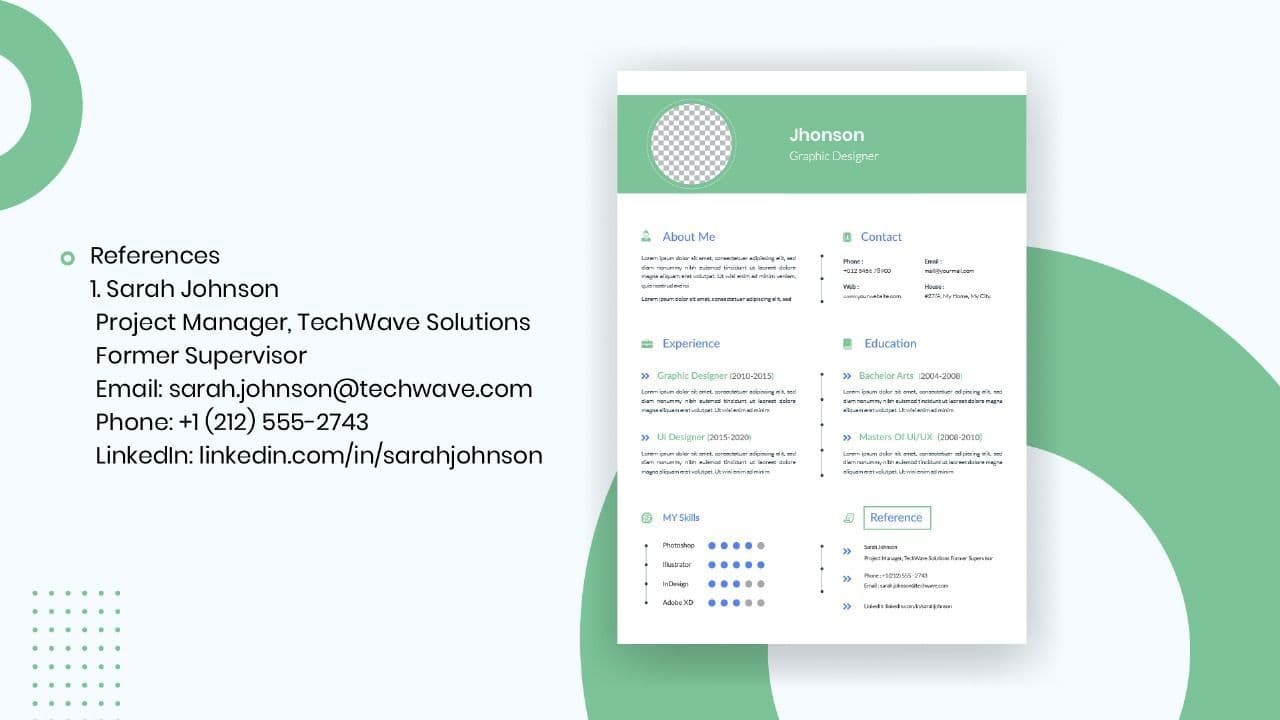
How to List References on a Resume in 2026
Learn the modern 2026 approach to listing references on your resume for maximum professionalism and recruiter impact.

Is Sound CV good for students and fresh graduates with no experience?
Sound CV is perfect for students and fresh graduates, helping them create professional resumes that highlight skills, projects, and potential even with little or no work experience.
Why Sound CV Is Different from Other AI Resume Builders
Sound CV stands out by creating job-focused, ATS-friendly resumes that highlight real achievements, not just generic content.
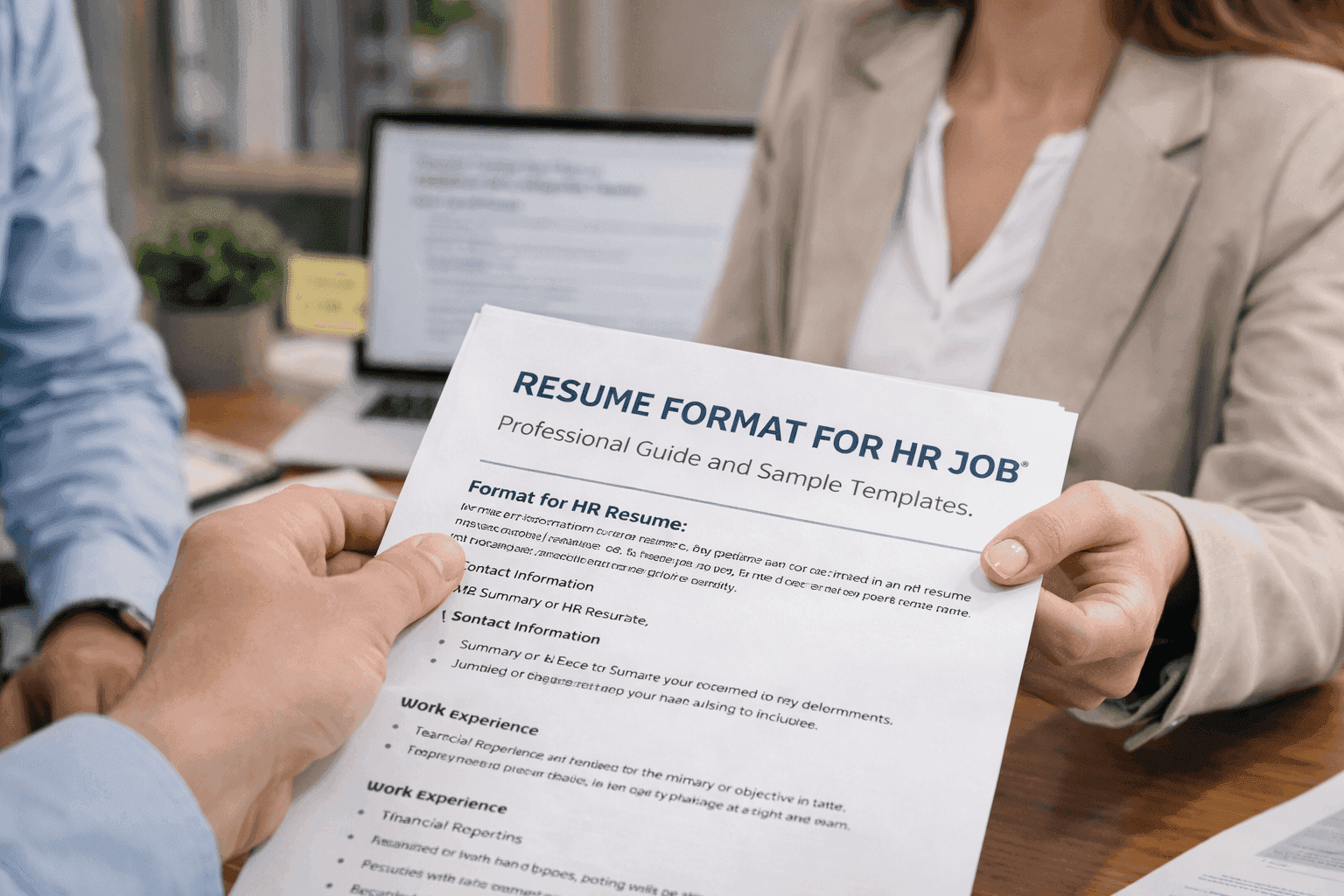
Resume Format for HR Job: Professional Guide and Sample Templates
A complete guide to the best resume format for HR jobs, with expert tips and sample templates to help you create a professional and job-ready resume.
How Does the Sound CV Resume Score Checker Work?
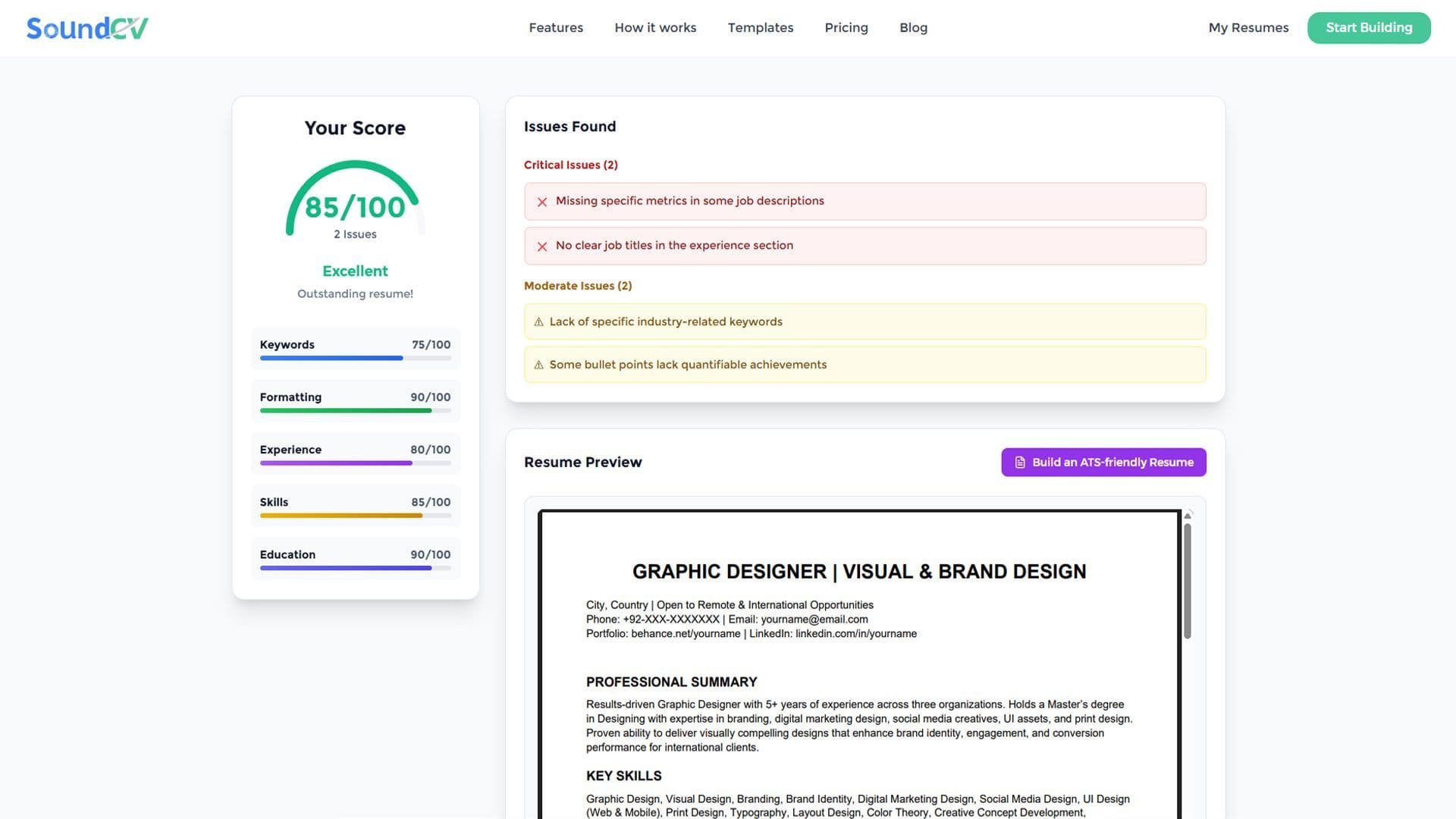
The Sound CV Resume Score Checker analyzes your resume against ATS requirements, job-specific keywords, and structure to provide an instant, actionable score.

What Is a Sound CV? Features, Benefits, and How It Works
A Sound CV is an AI-powered resume that is tailored, ATS-optimized, and designed to showcase your skills and achievements to help you stand out to recruiters.