What Is the Purpose of a Cover Letter? Why It Still Matters in 2026
Understand the purpose of a cover letter and how it helps you explain motivation, showcase value, and stand out to recruiters.
Overview
Discover what is the purpose of a cover letter and why it remains essential in modern hiring. Learn how it supports your resume, explains your motivation, highlights your value, and helps you stand out from other candidates in competitive job markets.
In today’s competitive job market, many job seekers ask a common question: what is the purpose of a cover letter? With online applications, ATS systems, and quick hiring cycles, some candidates assume cover letters are outdated. However, for recruiters and hiring managers, a well-written cover letter still plays an important role in evaluating candidates beyond what a resume alone can show.
A resume lists facts skills, experience, education. A cover letter adds meaning to those facts. It explains intent, motivation, and fit. This guide breaks down exactly why cover letters still matter, how they support resumes, and how different candidates can use them strategically.
Key Points
- A cover letter introduces you beyond your resume
- Explains your motivation for applying to a specific role
- Connects your skills and experience to employer needs
- Helps you stand out in competitive job markets
- Demonstrates communication and professionalism
- Provides context for career gaps or transitions
- Shows genuine interest and effort
- Supports recruiters in evaluating role fit
- Important for freshers, experienced professionals, and career changers
- Works best when tailored and concise
Why Cover Letters Still Matter
Cover letters continue to matter because hiring decisions are not based on qualifications alone. While resumes outline skills, experience, and education, recruiters also look for alignment between a candidate and the role. In many hiring processes, recruiters receive dozens or even hundreds of resumes that appear very similar on paper. A cover letter helps candidates stand out by adding context, personality, and intention to their application.
A well-written cover letter allows candidates to demonstrate communication skills and explain their interest in a specific role or organization. It shows that the application is thoughtful rather than generic. Recruiters often use cover letters to assess how well a candidate understands the role and whether they can clearly express ideas an essential skill in almost every profession. This human element is something a resume alone cannot fully capture.
Although some employers may not formally require a cover letter, many still read them when narrowing down candidates or making final hiring decisions. In competitive roles, where multiple applicants meet the basic qualifications, a strong cover letter can become the deciding factor. It helps recruiters see not just what a candidate has done, but why they are a good fit for the team and the company’s goals.
Rather than being redundant, a good cover letter complements the resume by providing clarity and explanation. It connects skills to real-world impact and addresses any questions that might arise from the resume, such as career transitions or gaps. Understanding what is the purpose of a cover letter allows candidates to use it strategically instead of treating it as a formality. When written with intention, a cover letter remains a powerful tool in modern hiring.
Also Read : Resume Format for Web Developer: Modern Templates & ATS Tips for 2026
What Is a Cover Letter?
A cover letter is a professional document submitted along with a resume that introduces the candidate and explains their interest in a specific role. It allows applicants to speak directly to the employer and present their qualifications in a more personalized and meaningful way. While a resume provides a structured overview of skills, experience, and education, a cover letter adds context and intent to that information.
Unlike a resume, which is factual and concise, a cover letter is narrative and explanatory. It focuses on the “why” behind the application why the candidate is interested in the role, why their background is relevant, and why they would be a strong fit for the organization. This narrative approach helps employers understand motivation, communication style, and alignment with the role beyond what bullet points can convey.
Cover letters are commonly required for corporate and professional roles, where communication and professionalism are essential. They are also frequently requested for competitive job openings, where employers need additional insight to differentiate between qualified candidates. Senior or specialized positions often require cover letters to explain experience and leadership impact. Applications submitted without referrals also benefit from cover letters, as they provide a direct introduction to the hiring team.
Even when a cover letter is optional, submitting a well-written one can significantly strengthen an application. It demonstrates effort, interest, and professionalism, helping candidates stand out and present a complete picture of their suitability for the role.
Also Read : Resume for Software Developer Fresher: Step-by-Step Guide + Examples
The Core Purpose of a Cover Letter
At its core, the purpose of a cover letter is to connect the candidate to the role in a meaningful way.
Introducing Yourself Beyond the Resume
A resume does not explain who you are it only shows what you have done. A cover letter introduces you as a professional, highlighting your interests, values, and career direction.
Explaining Motivation for Applying
Employers want to know why you chose them. A cover letter explains what attracted you to the role or company and shows that your application is intentional, not generic.
Connecting Experience to the Role
A cover letter bridges the gap between your resume and the job description. It explains how your skills and experience directly relate to the employer’s needs.
This is the heart of what is the purpose of a cover letter creating relevance.
Also Read : Resume for Java Developer Fresher: Winning CV Guide
How a Cover Letter Supports Your Resume
A resume presents information. A cover letter explains it.
Adding Context to Skills and Experience
Instead of listing skills, a cover letter shows how you’ve applied them and why they matter for the role.
Explaining Career Gaps or Transitions
If your resume includes gaps, career changes, or unconventional paths, a cover letter provides space to explain them clearly and positively.
Highlighting Relevant Achievements
A cover letter allows you to spotlight one or two key achievements that align closely with the job, rather than listing everything.
Together, the resume and cover letter tell a complete story.
Also Read : Best Resume Format for Engineering Students (ATS-Friendly Guide)
What Recruiters Look for in a Cover Letter
Recruiters read cover letters to evaluate more than just qualifications listed on a resume. They look for clear communication skills and the ability to express ideas professionally and concisely. A strong cover letter also shows alignment with the role and the company, helping recruiters see whether the candidate understands the position and its expectations. Professional tone and clear structure are important signals of maturity and attention to detail. Most importantly, recruiters value genuine interest and effort, which indicate that the application is thoughtful rather than generic. A well-written cover letter demonstrates role awareness and effective communication both essential skills in any workplace.
Purpose of a Cover Letter for Different Candidates
Cover Letter Purpose for Fresh Graduates
For fresh graduates, the cover letter is often more important than the resume.
It helps them:
- Show enthusiasm and motivation
- Highlight education and transferable skills
- Compensate for limited experience
A well-written cover letter can demonstrate readiness and learning potential.
Cover Letter Purpose for Experienced Professionals
For experienced candidates, the cover letter focuses on:
- Demonstrating impact and results
- Explaining career progression
- Aligning experience with leadership or strategic needs
It allows experienced professionals to frame their experience strategically rather than listing responsibilities.
Cover Letter Purpose for Career Changers
Career changers benefit greatly from cover letters.
A cover letter helps them:
- Explain the reason for transition
- Connect past experience to new roles
- Reduce recruiter uncertainty
Without a cover letter, career changes may appear unclear or risky.
Also Read : ATS-Friendly Resume Format for IT Engineers in 2026
When a Cover Letter Makes the Biggest Difference
Cover letters are especially valuable in:
- Competitive job markets
- Senior or specialized roles
- Applications without internal referrals
- Roles requiring communication or leadership
In these situations, a resume alone may not be enough to stand out.
Common Misunderstandings About Cover Letters
Many job seekers avoid cover letters due to misconceptions.
“Recruiters Don’t Read Cover Letters”
Some recruiters skim, but many read cover letters especially when deciding between similar candidates.
“Cover Letters Just Repeat Resumes”
Poor cover letters do. Good ones add insight and relevance.
“One Generic Cover Letter Works Everywhere”
Generic cover letters are easy to spot and often ignored. Tailoring matters.
Understanding these myths clarifies what is the purpose of a cover letter.
Also Read : Resume for Government Job – How to Write an ATS-Friendly CV
What a Cover Letter Should Not Do
A cover letter should not:
- Repeat resume content word-for-word
- Be overly long or personal
- Use vague or generic language
- Focus on what the candidate wants instead of what they offer
Its role is clarity, not excess detail.
How to Use a Cover Letter Strategically
To use a cover letter effectively:
- Tailor it for each role
- Match tone with company culture
- Keep it concise and focused
- Highlight value, not history
A strategic cover letter strengthens the entire application.
Quick Checklist: Does Your Cover Letter Serve Its Purpose?
Before submitting, ask:
- Does it clearly introduce me?
- Does it explain why I’m applying?
- Does it connect my experience to the role?
- Is it professional and concise?
If yes, your cover letter is doing its job.
Also Read : Best Resume Format for Mechanical Engineers (ATS-Friendly Examples)
Conclusion
So, what is the purpose of a cover letter? It is to humanize your application, explain your motivation, and connect your experience directly to the employer’s needs. A cover letter is not a repetition of your resume, it is the narrative that gives your resume meaning.
In a hiring process where many candidates look similar on paper, a strong cover letter can provide the clarity and confidence recruiters need to move you forward. Whether you are a fresher, an experienced professional, or a career changer, the cover letter remains a powerful tool when used correctly.
Modern job seekers can also benefit from tools that simplify this process. Platforms like SoundCV help candidates create well-structured resumes and tailored cover letters that align with recruiter expectations, ensuring clarity, professionalism, and relevance without guesswork.
In the end, a cover letter’s purpose is simple but powerful: to tell your story clearly, professionally, and persuasively before the interview even begins.
FAQs
Frequently asked questions about this topic
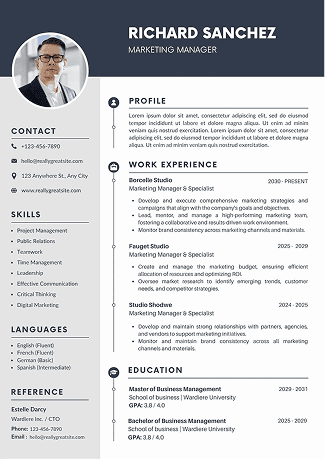
Related Blogs
Explore more insights and guides you might like.
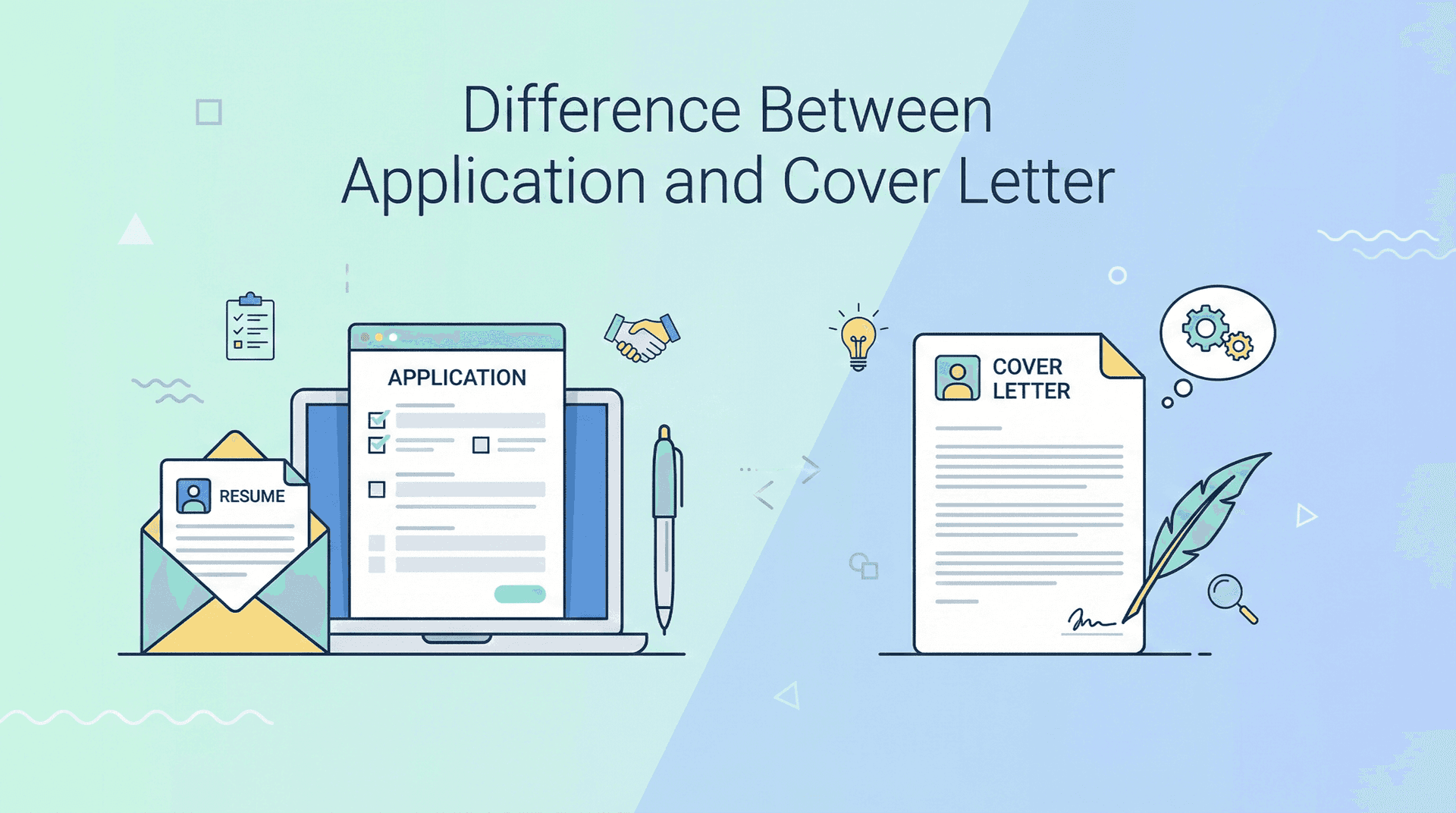
What is the Difference Between Application and Cover Letter
Learn the key difference between an application and a cover letter when to use each, what to include, and stand out to employers in 2026
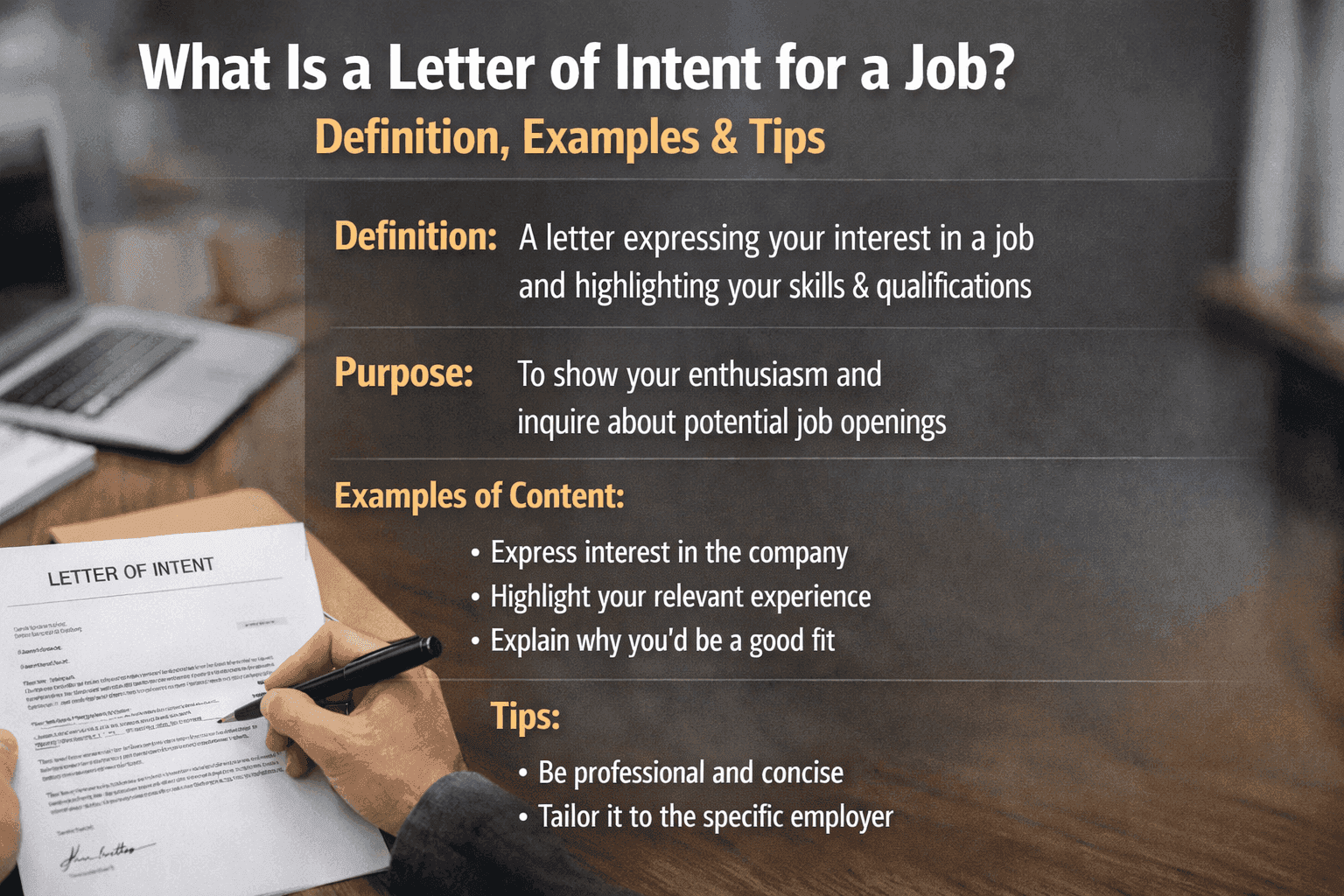
What Is a Letter of Intent for a Job? Definition, Examples & Writing Tips
Learn what a letter of intent for a job is, when to use it, and how to write one with examples.
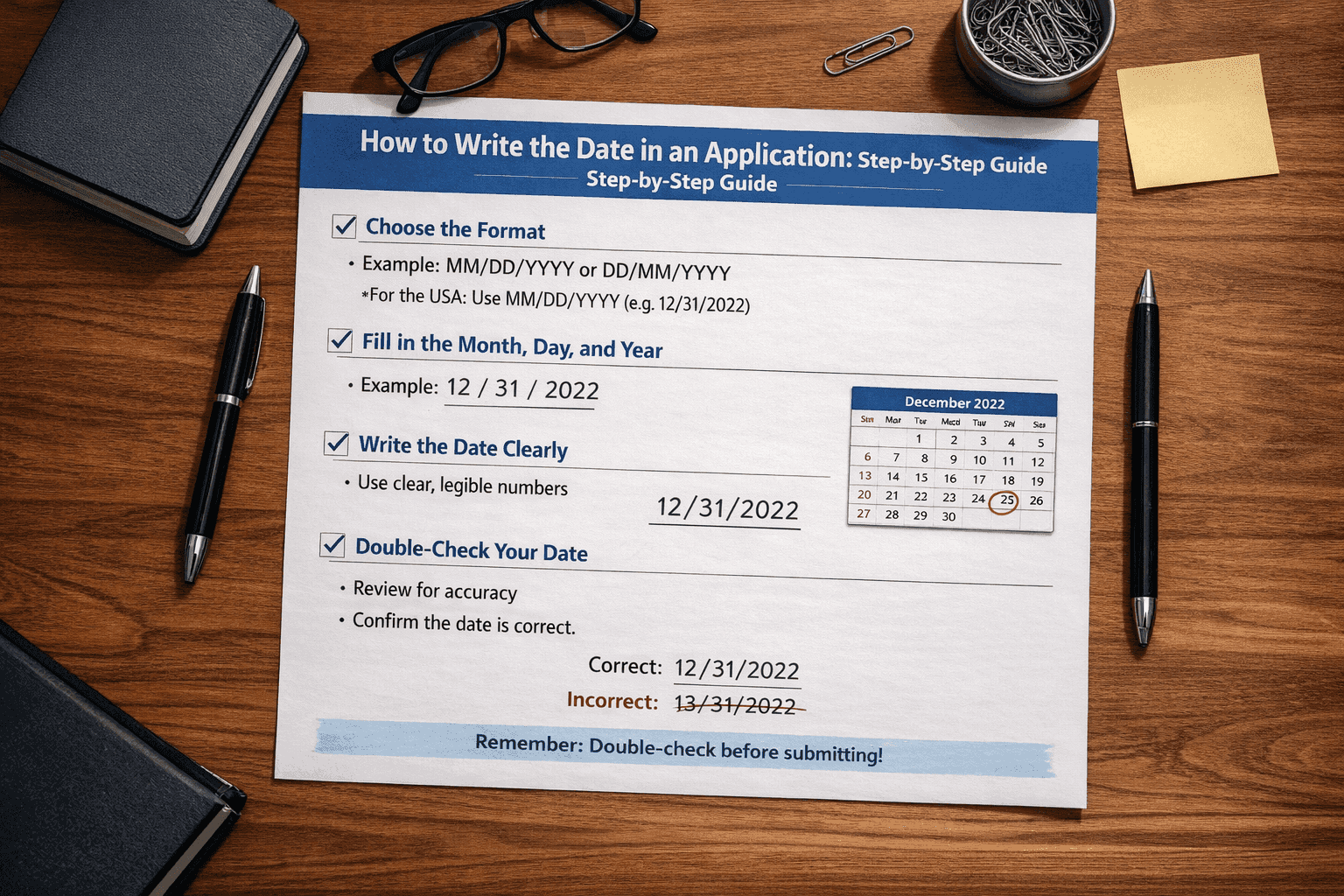
How to Write the Date in an Application (Step-by-Step Guide)
Learn how to write the date in an application correctly with proper formats, placement, examples, and professional writing tips.
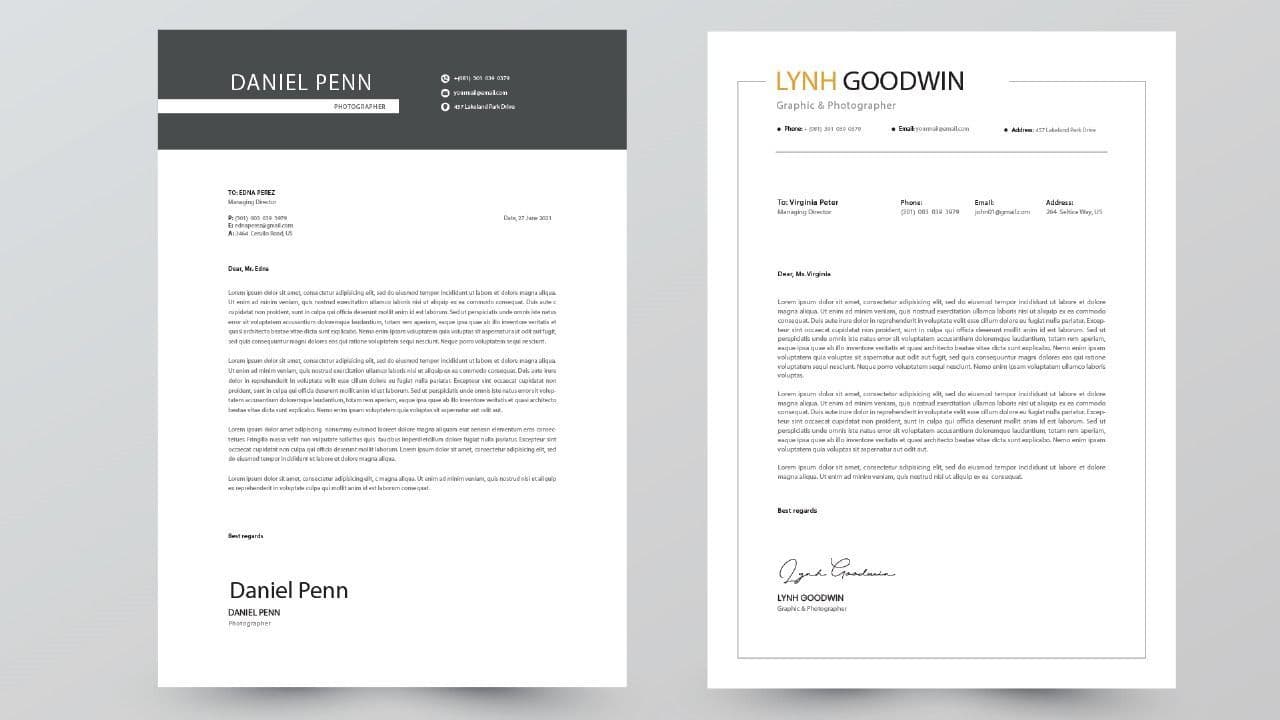
How to Make a Cover Letter That Actually Gets Interviews
Learn how to write a standout cover letter that grabs attention and gets you more interviews.
Cover Note for Resume: Samples, Examples & Writing Guide
Learn how to write a strong cover note for your resume with examples, structure tips, and ideal length guidance.
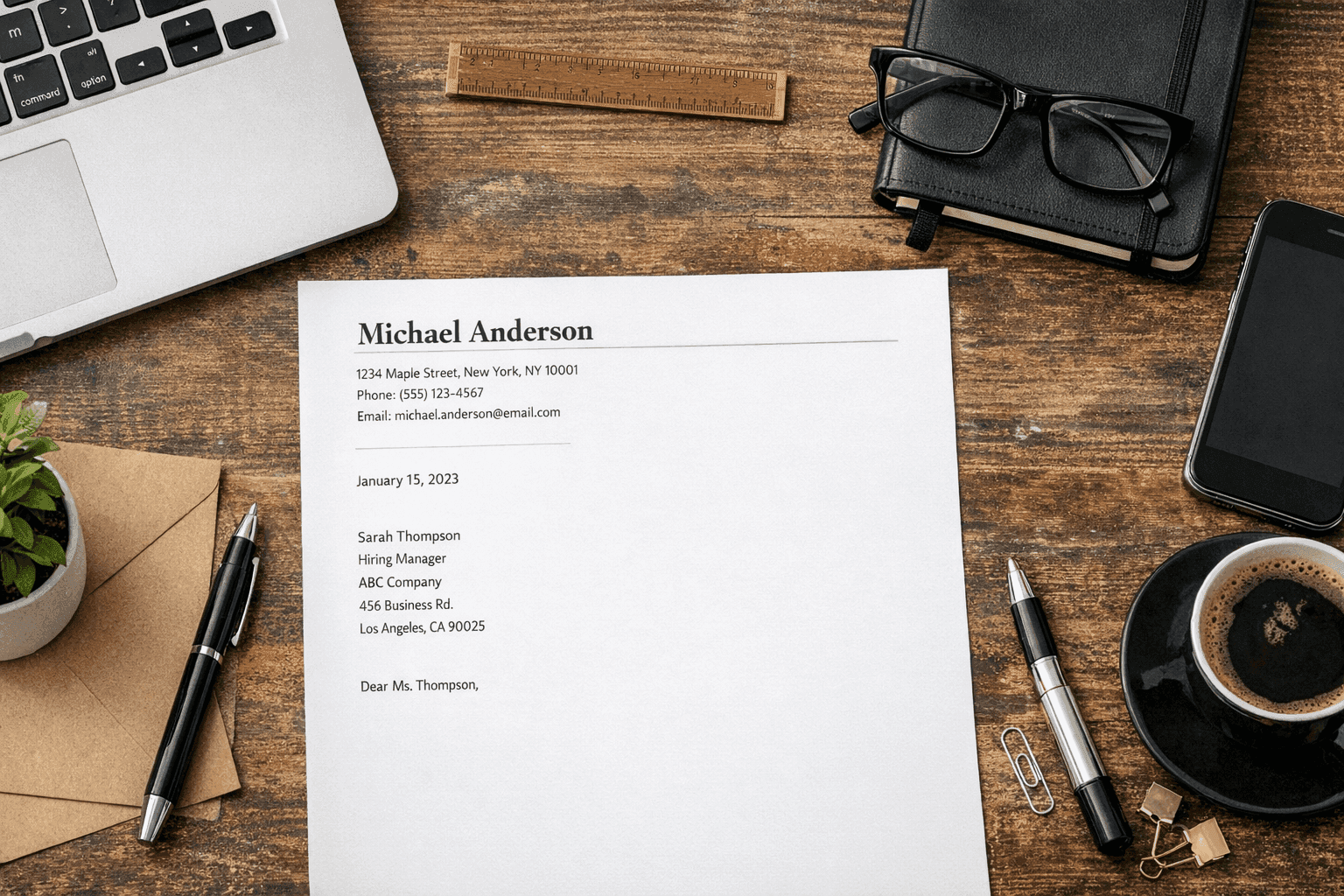
The Ultimate Guide to Crafting an Effective Cover Letter Header
Learn how to craft a professional, well-formatted cover letter header that creates strong first impressions and supports ATS compatibility.