How Long Should a Cover Letter Be?
Learn the ideal cover letter length, structure, and formatting tips to write concise, recruiter-friendly applications that get noticed.
Overview
Discover how long a cover letter should be, including ideal word count, structure breakdown, and formatting tips. Learn what recruiters expect and how to keep your cover letter concise, impactful, and aligned with modern hiring standards in 2026.
One of the most common questions job seekers ask is how long should a cover letter be. Despite changing hiring trends and increasing automation, cover letters remain an important part of many job applications. However, recruiters today have limited time. They want clarity, relevance, and professionalism without unnecessary length.
A cover letter that is too long may never be fully read. One that is too short may fail to communicate value. The ideal length strikes a balance between detail and brevity. This guide explains exactly how long a cover letter should be, why length matters, and how to structure a cover letter that recruiters actually read.
Key Points
- Ideal cover letter length is 250–400 words
- Should always fit on one page
- Use 3–4 short paragraphs
- Avoid repeating resume content
- Tailor content to the specific job role
- Recruiters typically spend less than 1 minute reviewing
- Freshers: 250–300 words recommended
- Experienced professionals: 300–400 words
- Keep formatting clean with proper white space
- Every sentence should add value
Why Cover Letter Length Matters
Cover letters are designed to support your resume, not duplicate it. While your resume outlines your skills, experience, and qualifications, the cover letter explains why you are a strong fit for a specific role. Because recruiters often review a high volume of applications in a limited amount of time, cover letter length plays a critical role in whether your message is read and understood.
Recruiters typically scan applications quickly, sometimes spending only a few seconds on each one. A well-sized cover letter respects their time while still delivering relevant information. When the length is appropriate, recruiters can easily identify your motivation, key strengths, and alignment with the role without feeling overwhelmed.
A cover letter that is too long often works against you. Important points can become buried under unnecessary details, long explanations, or repeated information from the resume. As a result, recruiters may stop reading halfway through or skip the cover letter entirely. On the other hand, a cover letter that is too short may appear generic or rushed. It can fail to demonstrate genuine interest in the role or show how your experience connects to the employer’s needs.
Length directly influences readability, engagement, and overall impact. A concise cover letter with clear structure and purposeful content is more likely to hold a recruiter’s attention and leave a positive impression. It allows you to communicate confidence and professionalism without overexplaining.
Understanding how long a cover letter should be helps you strike the right balance between detail and brevity. By keeping your message focused, relevant, and well-organized, you ensure that your cover letter adds real value to your application and supports your resume effectively.
Also Read : Resume Format for Web Developer: Modern Templates & ATS Tips for 2026
What Recruiters Expect from a Cover Letter
Recruiters do not expect a cover letter to tell your entire career story. Instead, they look for a clear and concise explanation of three key points: who you are as a professional, why you are applying for the role, and what value you can bring to the organization. A strong cover letter focuses on relevance rather than volume, helping recruiters quickly understand your suitability for the position.
In most hiring situations, recruiters spend less than a minute reviewing a cover letter. During that short time, they scan for alignment with the job requirements, evidence of relevant skills, and clarity in communication. A cover letter that gets straight to the point is far more effective than one filled with generic statements, long explanations, or repeated resume content. Recruiters want to see that you understand the role and have taken the time to tailor your application.
Clear structure is one of the most important expectations. Well-organized paragraphs with a logical flow make the letter easy to read and understand. Recruiters also value specific skills and achievements that directly relate to the role, rather than broad or vague claims. Mentioning a few relevant accomplishments or strengths shows focus and professionalism.
Tone matters as well. A professional, confident tone signals maturity and respect for the hiring process. Overly casual language, excessive enthusiasm, or exaggerated claims can reduce credibility. At the same time, the cover letter should feel genuine and personalized, not robotic or overly formal.
Brevity with purpose is what recruiters appreciate most. Every sentence should add value and support your application. Meeting these expectations requires the right length long enough to communicate relevance, but short enough to keep the recruiter engaged and interested.
Also Read : Resume for Software Developer Fresher: Step-by-Step Guide + Examples
Ideal Cover Letter Length Explained
So, how long should a cover letter be in practical terms? In most hiring situations, the ideal cover letter length falls between 250 and 400 words. This range provides enough space to introduce yourself, explain your interest in the role, and highlight relevant skills without overwhelming the reader. Cover letters that exceed 450 words are generally considered too long and risk losing the recruiter’s attention.
Paragraph structure also plays an important role in maintaining the right length. A well-written cover letter typically consists of three to four short paragraphs, each with a clear purpose. The opening paragraph introduces who you are and why you are applying. The middle paragraph or paragraphs focus on your most relevant skills, experience, and achievements. The closing paragraph reinforces your interest and includes a polite call to action. Keeping paragraphs short and focused improves readability and keeps the letter engaging.
Another key guideline is the one-page rule. A cover letter should always fit on a single page, regardless of your level of experience. Even for senior professionals, exceeding one page rarely adds value and can appear unfocused or repetitive. Recruiters expect clarity and efficiency, not lengthy explanations.
The purpose of a cover letter is not to restate everything in your resume. Instead, it should highlight the most relevant points and explain how your background aligns with the role. The goal is to communicate impact, motivation, and fit without unnecessary detail. A concise, well-structured cover letter respects the recruiter’s time while clearly presenting your value.
Also Read : Resume for Java Developer Fresher: Winning CV Guide
Standard Cover Letter Structure and Length Breakdown
Understanding structure helps control length naturally.
Header and Greeting
Length: Minimal (2–3 lines)
This includes:
- Your contact details
- Date
- Employer details
- Professional greeting
Keep this clean and professional. Avoid unnecessary formatting.
Opening Paragraph
Ideal length: 60–80 words
Purpose:
- Introduce yourself
- Mention the role you’re applying for
- Briefly state why you’re interested
This paragraph should grab attention quickly. Avoid long background stories.
Middle Paragraph(s)
Ideal length: 120–200 words (combined)
This is the core of your cover letter. Focus on:
- Relevant skills
- Key achievements
- How your experience matches the job
Use examples, but keep them concise. This is not a resume rewrite.
Closing Paragraph
Ideal length: 40–60 words
Purpose:
- Reinforce interest
- Express enthusiasm
- Include a polite call to action
End confidently, not aggressively.
Also Read : Best Resume Format for Engineering Students (ATS-Friendly Guide)
Cover Letter Length for Different Experience Levels
Fresh Graduates and Entry-Level Candidates
For freshers, the ideal length is 250–300 words.
Focus on:
- Education
- Internships or projects
- Transferable skills
- Willingness to learn
Avoid overexplaining academic details.
Experienced Professionals
Experienced candidates can go slightly longer 300–400 words but only if content remains relevant.
Focus on:
- Key accomplishments
- Leadership or impact
- Role-specific expertise
Avoid listing job responsibilities already covered in the resume.
Also Read : ATS-Friendly Resume Format for IT Engineers in 2026
Cover Letter Length by Job Type
Corporate and Professional Roles
- Stick to 300–400 words
- Formal tone
- Clear structure
Creative Roles
- Can be slightly shorter (250–350 words)
- Focus on storytelling, not length
Technical and IT Roles
- 250–350 words
- Emphasize problem-solving and outcomes
- Avoid technical overload
Regardless of role, clarity matters more than length.
Also Read : Resume for Government Job – How to Write an ATS-Friendly CV
Common Mistakes That Make Cover Letters Too Long
Many cover letters exceed ideal length due to avoidable mistakes:
- Repeating resume content
- Including personal life details
- Using generic phrases (“hard-working,” “team player”)
- Explaining every job in detail
- Overusing long sentences
Each sentence should earn its place.
Also Read : Best Resume Format for Mechanical Engineers (ATS-Friendly Examples)
When a Short Cover Letter Works Better
Sometimes, shorter is smarter.
A 150–200 word cover letter may be effective when:
- Applying through online portals
- Applying for high-volume roles
- Submitting a referral-based application
- The job posting explicitly requests brevity
Short cover letters should still be structured and intentional.
Also Read : Resume Format for Engineering Students - Skills, Projects & ATS Tips
Formatting Tips to Keep Your Cover Letter Concise
Formatting plays a major role in perceived length.
Best practices:
- Font size: 10.5–12
- Professional fonts (Calibri, Arial, Times New Roman)
- Short paragraphs (2–3 lines max)
- Adequate white space
Avoid dense text blocks they feel longer than they are.
Also Read : How to Sell a Product in an Interview (Step-by-Step Guide for Freshers)
Sample Ideal-Length Cover Letter (Overview)
An effective cover letter typically:
- Fits on one page
- Uses 3–4 short paragraphs
- Contains ~300 words
- Focuses on relevance, not repetition
This structure works because it aligns with how recruiters read.
Also Read : Sample Cover Letter for IT Internship (Freshers & Students)
Quick Cover Letter Length Checklist
Before submitting, ask:
- Is it under one page?
- Is every paragraph relevant?
- Are sentences concise?
- Does it add value beyond the resume?
If the answer to any is “no,” revise.
Also Read : Which CV Format Is Best for Europe? Europass Guide for 2026 Job Seekers
Conclusion
So, how long should a cover letter be? In most cases, 250–400 words on a single page is the ideal length. This range allows you to explain your value clearly without overwhelming the reader.
A great cover letter is not about saying more it’s about saying the right things efficiently. Recruiters appreciate candidates who respect their time and communicate with purpose. By keeping your cover letter concise, structured, and role-focused, you significantly increase your chances of being noticed.
Just as cover letters benefit from the right length and structure, modern job seekers also benefit from tools that help streamline the application process. Platforms like SoundCV help candidates create optimized resumes and cover letters that follow recruiter-friendly standards, ensuring clarity, ATS compatibility, and the ideal length without guesswork.
In today’s competitive job market, precision matters. Keep your cover letter short, focused, and impactful and let your value speak clearly.
FAQs
Frequently asked questions about this topic
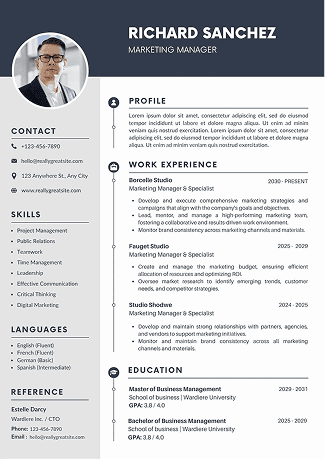
Related Blogs
Explore more insights and guides you might like.
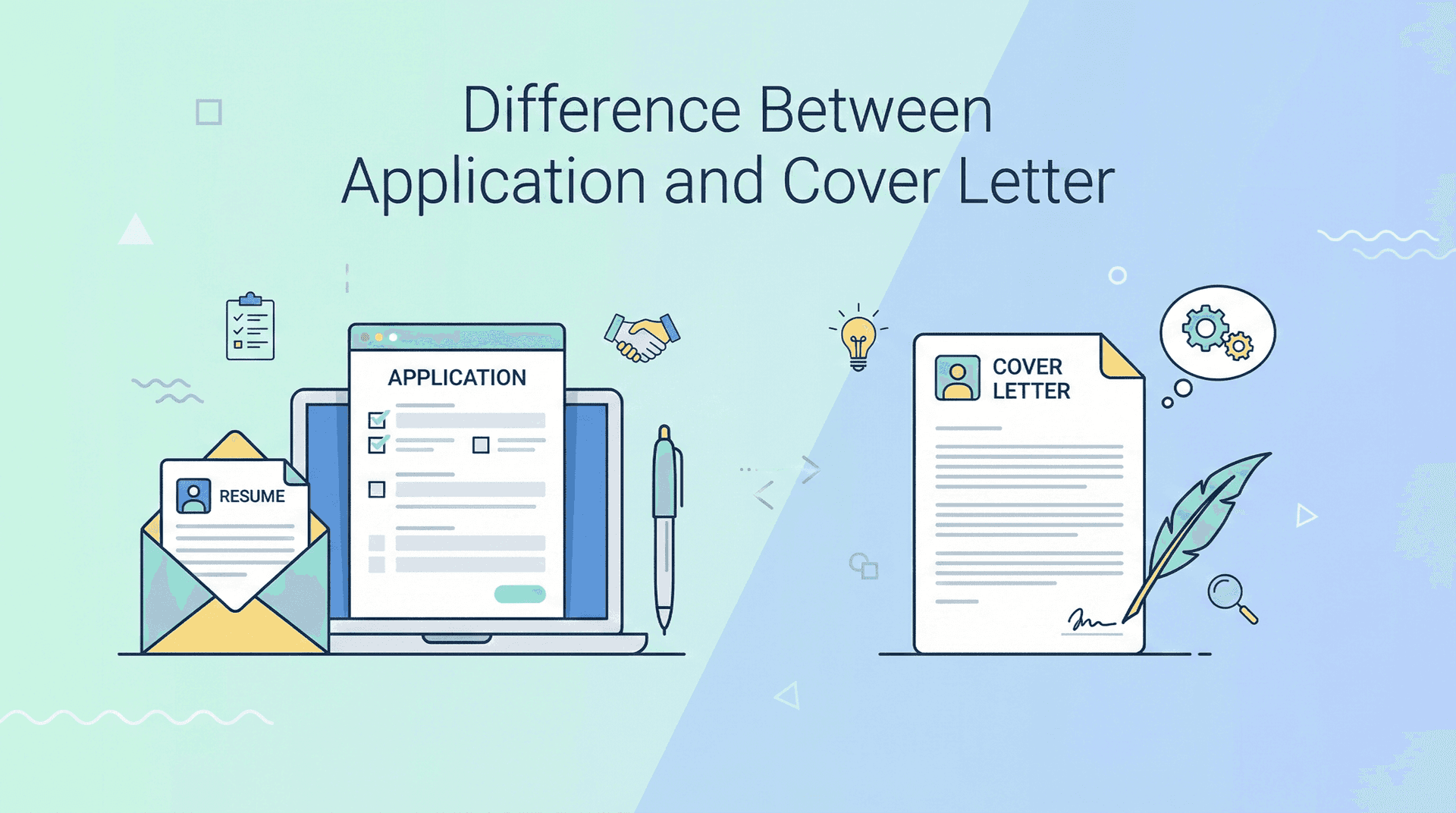
What is the Difference Between Application and Cover Letter
Learn the key difference between an application and a cover letter when to use each, what to include, and stand out to employers in 2026
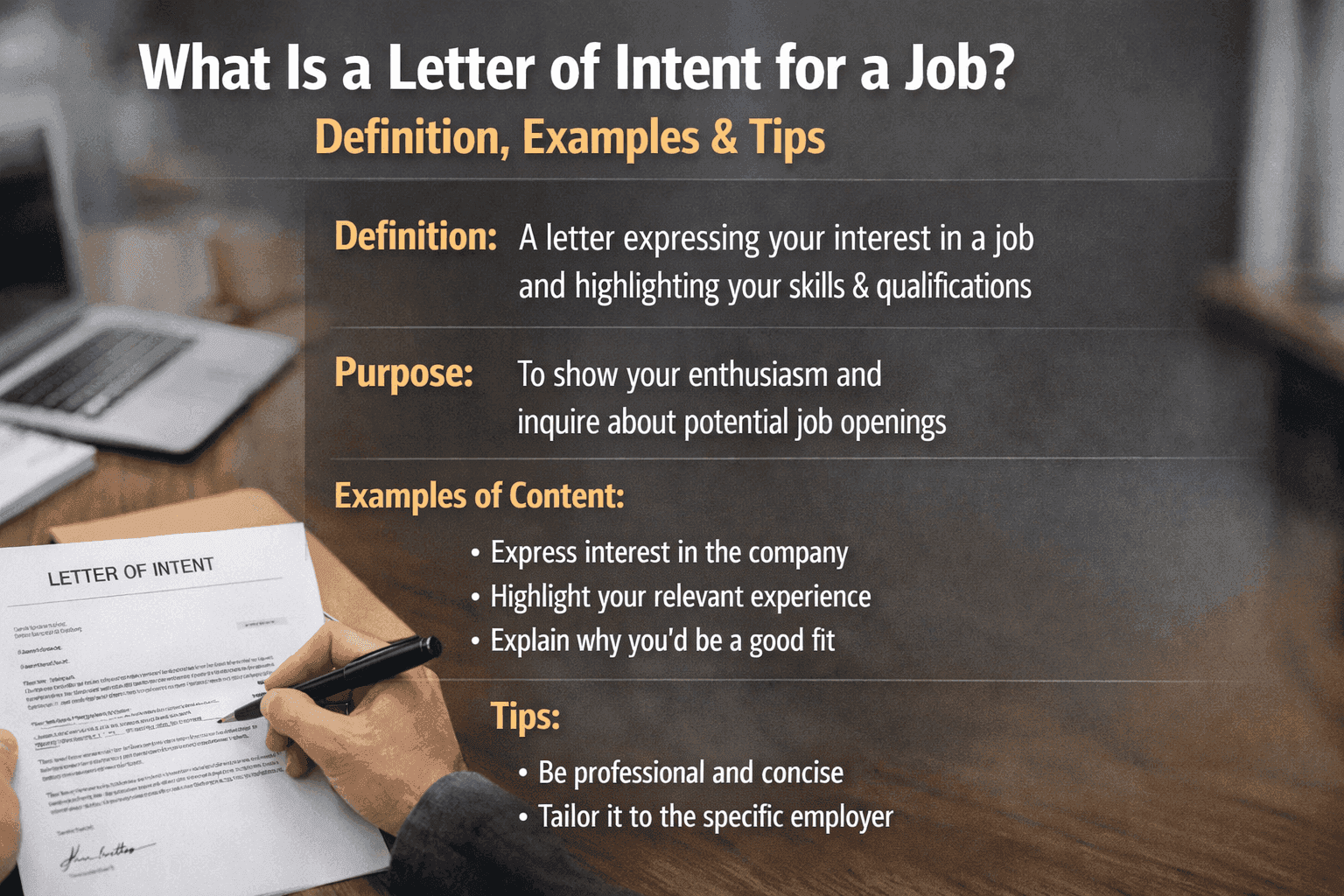
What Is a Letter of Intent for a Job? Definition, Examples & Writing Tips
Learn what a letter of intent for a job is, when to use it, and how to write one with examples.
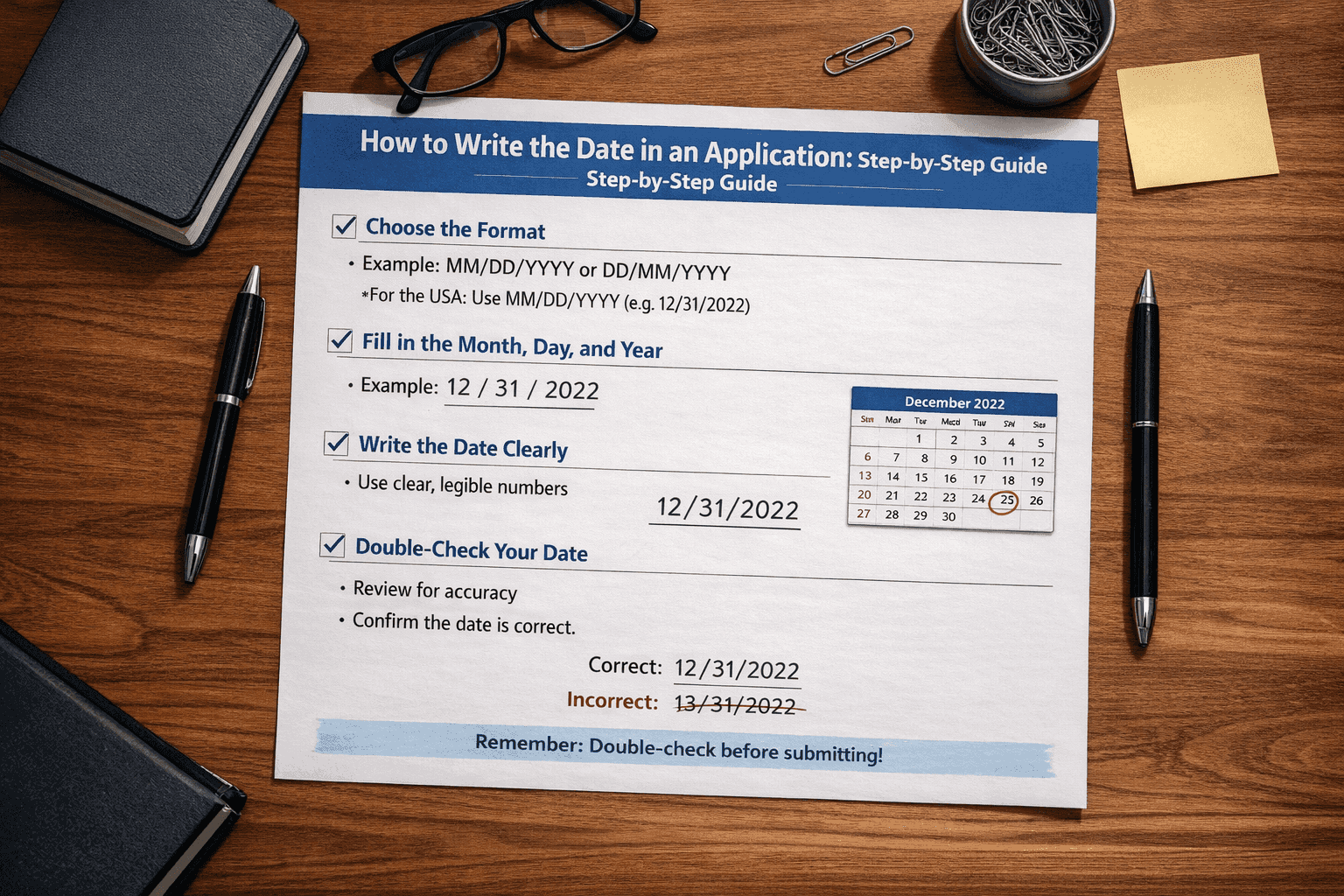
How to Write the Date in an Application (Step-by-Step Guide)
Learn how to write the date in an application correctly with proper formats, placement, examples, and professional writing tips.
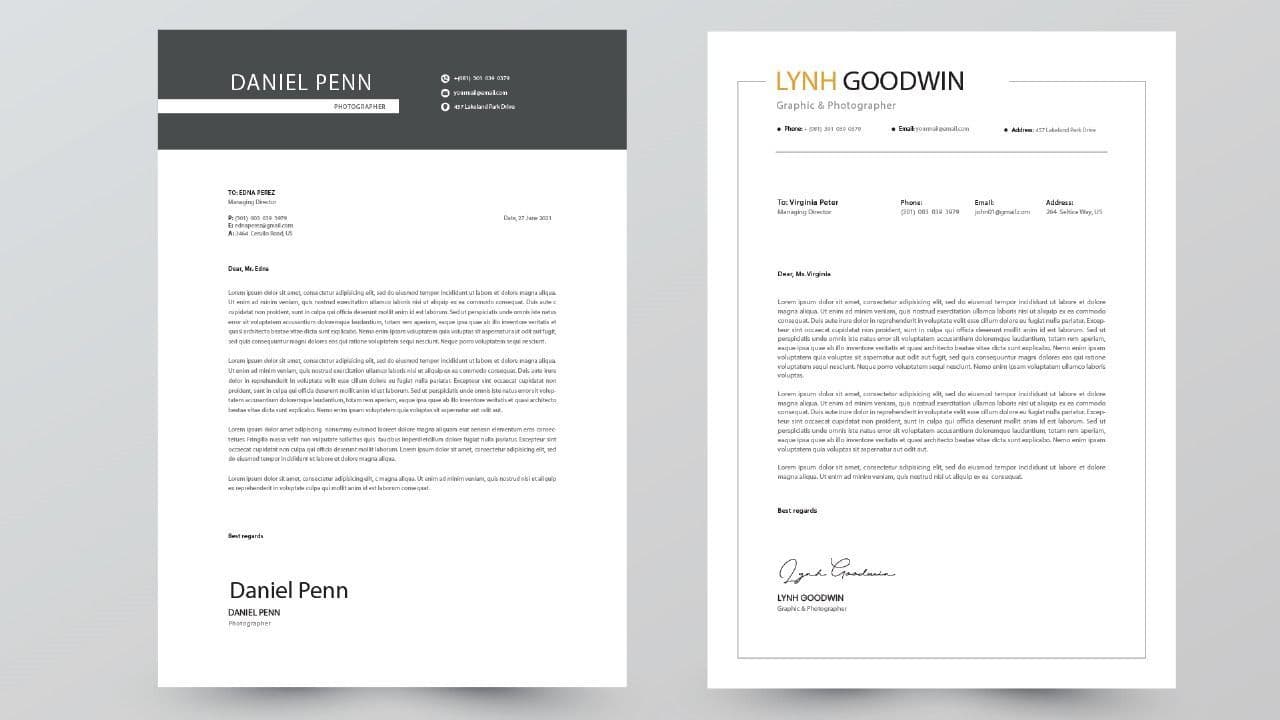
How to Make a Cover Letter That Actually Gets Interviews
Learn how to write a standout cover letter that grabs attention and gets you more interviews.
Cover Note for Resume: Samples, Examples & Writing Guide
Learn how to write a strong cover note for your resume with examples, structure tips, and ideal length guidance.
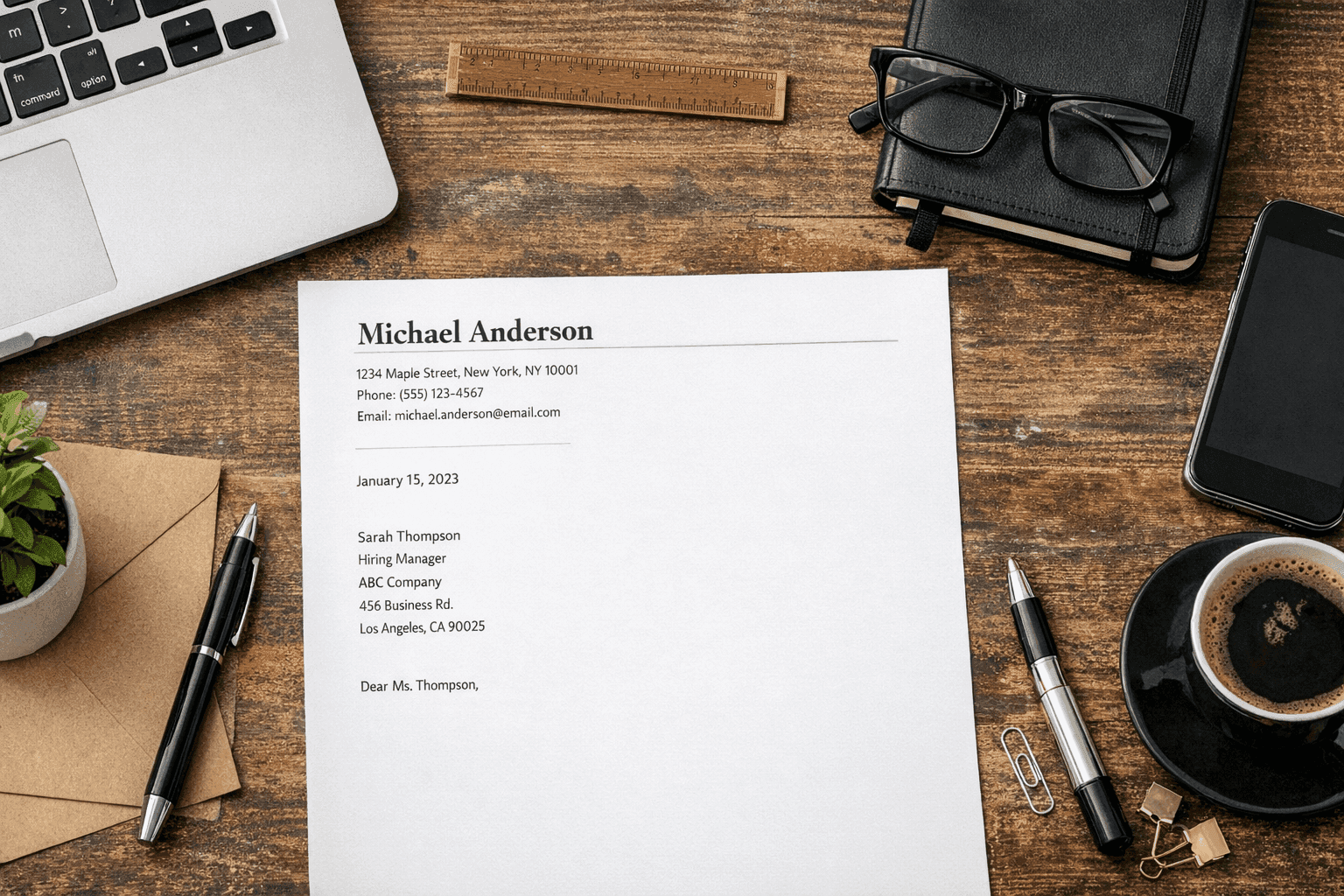
The Ultimate Guide to Crafting an Effective Cover Letter Header
Learn how to craft a professional, well-formatted cover letter header that creates strong first impressions and supports ATS compatibility.