Words to Describe Yourself on a Resume (2026 ATS-Optimized Examples)
A 2026 guide to powerful resume words that improve ATS ranking, highlight skills, and help recruiters notice your value faster.
Overview
Learn the best words to describe yourself on a resume in 2026. This guide covers ATS-friendly adjectives, power words by career type, soft skills recruiters search for, weak words to avoid, and how to place descriptors correctly. Perfect for modern job seekers using AI-screened hiring systems.
In 2026, resumes are no longer reviewed only by human recruiters. Most applications now pass through ATS (Applicant Tracking Systems), AI resume screening tools, and skill-matching algorithms before reaching real employers. This change has made word choice more important than ever. The way you describe yourself can determine whether your resume is shortlisted or rejected within seconds.
Recruiters look for clear, relevant, skill-focused language that demonstrates value rather than vague personality traits. Simple phrases like “hard worker” or “team player” are now considered weak because they lack proof and keyword alignment. In modern resumes, every descriptive word must support your job fit, reflect required competencies, and match employer search terms.
This guide teaches you how to choose the strongest words to describe yourself on a resume for 2026. You’ll learn:
- What makes a word powerful enough to pass ATS filters
- Which professional adjectives recruiters prefer this year
- Best self-description words by career type
- Soft skill keywords employers actively search for
- Overused words to avoid
- How to place descriptive words correctly on your resume
With the right language, your resume becomes not just a document but a personal branding tool designed to attract interview calls.
Why Choosing the Right Self-Description Words Matters
Words shape how recruiters and hiring systems perceive your professional value. In 2026, resumes are no longer reviewed by humans alone; most must first pass through ATS (Applicant Tracking Systems) that scan applications for exact keyword matches taken directly from job descriptions. Even highly qualified candidates can be overlooked when their resumes use vague, generic, or mismatched wording that fails to align with employer search terms. This makes word choice a critical factor in whether your resume is seen at all.
Recruiters themselves also rely on fast visual scanning techniques. Within seconds, they look for competency indicators, specific adjectives and action phrases that signal capability, leadership, adaptability, or technical expertise. Weak or outdated descriptors like “hard-working” or “honest” do not clearly communicate outcomes or skills, reducing the strength of your professional image. Strong, targeted words immediately position you as confident and capable.
Using the right self-description words helps you achieve multiple key goals. They improve keyword matching for ATS systems, increasing the chances that your resume ranks higher in screening filters. They also create strong first impressions, establish credibility, and present your strengths clearly without relying on exaggerated or boastful claims. Professional descriptors allow you to showcase personality traits such as adaptability or leadership while remaining evidence-based and results-focused.
Most importantly, powerful resume words do more than enhance style; they communicate real value. When carefully selected and paired with measurable achievements, descriptive language transforms your resume into a focused personal branding tool that speaks both to automated systems and human recruiters alike.
Also Read : Best Resume Action Verbs for 2026 (ATS-Optimized Guide)
What Makes a Word Powerful on a Resume?
Not every word works effectively on a resume. In today’s hiring landscape, where resumes are screened by ATS software and time-pressed recruiters, only specific types of words create real impact. The most powerful resume words share four important qualities that make them both searchable and persuasive.
First, strong words are action-oriented. They highlight contribution and capability rather than personality labels. Words like strategic, results-driven, proactive, and analytical immediately signal that you take initiative and produce outcomes, helping recruiters visualize your potential impact.
Second, powerful words must be job-relevant. Your descriptors should connect directly to the skills required for the role. For example, tech professionals benefit from words such as methodical, data-driven, or innovative, while leadership or management candidates should use terms like directive, visionary, or performance-focused. Relevance increases ATS keyword alignment and recruiter recognition.
Third, strong words are evidence-supported. Descriptors should always appear alongside proven achievements rather than standing alone. A phrase like “Analytical improved workflow efficiency by 17%” transforms a simple adjective into a concrete value statement.
Finally, avoid clichés that sound generic and provide no measurable meaning. Phrases such as “hard-working” or “team player” fail to distinguish you from thousands of other candidates.
Ultimately, powerful resume words communicate unique professional value clearly, specifically, and credibly making your profile both searchable and compelling.
Also Read : How to Use ChatGPT to Write a Resume: A Complete Step-by-Step Guide
Professional Words to Describe Yourself (General Use)
These words fit most modern resumes when paired with achievements:
Personality Traits
- Adaptable
- Reliable
- Resilient
- Focused
- Resourceful
Work Ethic Descriptors
- Self-motivated
- Disciplined
- Accountable
- Consistent
- Proactive
Leadership Adjectives
- Influential
- Strategic
- Decisive
- Visionary
- Empowering
Teamwork Qualities
- Collaborative
- Supportive
- Communicative
- Inclusive
- Cooperative
Creativity Traits
- Innovative
- Imaginative
- Original
- Solution-focused
- Conceptual
Also Read : Top AI Skills Employers Want on Your Resume in 2026
Strong Words by Career Type
Entry-Level / Freshers
New professionals should highlight learning ability and reliability:
- Eager
- Organized
- Teachable
- Detail-focused
- Committed
- Curious
- Methodical
Example:
Motivated marketing graduate with strong analytical and communication abilities.
Corporate Professionals
Corporate candidates should emphasize strategy and execution:
- Strategic
- Efficient
- Performance-driven
- Structured
- Reliable
- Driven
- Results-oriented
Example:
Results-driven operations administrator optimizing daily production workflows.
Tech & IT Roles
Technology resumes require skill-aligned descriptors:
- Analytical
- Innovative
- Detail-precise
- Problem-solving
- Logical
- Data-focused
- Scalable
Example:
Analytical full-stack developer designing scalable web platforms.
Creative Professionals
Creative fields value originality:
- Artistic
- Versatile
- Visionary
- Expressive
- Conceptual
- Brand-focused
- Design-oriented
Example:
Visionary graphic designer specializing in storytelling visuals.
Sales & Marketing
Sales role keywords emphasize persuasion and growth:
- Persuasive
- Results-focused
- Strategic
- Growth-driven
- Client-centric
- Dynamic
- Negotiation-skilled
Example:
Dynamic sales consultant leveraging value-based selling techniques.
Management & Leadership
Executives must highlight:
- Visionary
- Decision-driven
- Performance-focused
- Transformational
- Mentor-oriented
- Goal-directed
Example:
Strategic operations manager leading multi-region growth initiatives.
Also Read : What Is the Purpose of a Resume? (Complete Guide 2026)
Soft Skills Words Recruiters Look for in 2026
Recruitment now prioritizes behavioral adaptability.
Top soft skill keywords for 2026:
- Adaptability
- Emotional intelligence
- Collaboration
- Logical thinking
- Communication clarity
- Leadership presence
- Learning agility
Example:
Emotionally intelligent supervisor enhancing team morale and retention.
Companies want professionals who think critically and adapt quickly not static task-doers.
Also Read : Can AI Help You Write a Better Resume? Benefits, Tools & Tips
Power Words ATS Loves
ATS software prioritizes performance and accomplishment words:
High-impact verbs:
- Achieved
- Developed
- Optimized
- Coordinated
- Streamlined
- Implemented
- Led
Power adjectives:
- Productivity-driven
- Revenue-focused
- Solution-oriented
- Performance-based
- Growth-aligned
Example:
Implemented productivity-driven processes that increased output by 22%.
Also Read : How to List Publications on a Resume (Examples & Format Guide)
Weak or Overused Words to Avoid
Avoid terms that lack evidence or are generic:
Hard-working
Honest
Responsible
Team player
Detail-oriented (without proof)
Dedicated
Replace weak words with measured impact statements:
“Dedicated worker”
“Committed contributing members reducing operational delays by 15%.”
Also Read : ATS Full Form in Resume: Resume Guide with Examples (2026)
How to Use Self-Description Words Correctly
Placement matters as much as word choice.
Professional Summary
Best place for identity descriptors:
Creative UX designer blending innovation with user-centered strategy.
Core Skills Section
List skill-descriptor combinations:
- Strategic planning
- Data-driven analysis
- Client-focused communication
Experience Section
Pair adjectives + results:
Developed targeted marketing strategies boosting lead conversions by 26%.
Cover Letters
Expand soft skills with stories:
My collaborative leadership style helped align cross-functional teams.
LinkedIn Headline
Boost keyword visibility:
Data-driven growth marketer | CRM optimization expert
Also Read : First Job Resume Examples with Samples & Writing Tips
Matching Words to Job Descriptions
To maximize ATS ranking:
Keyword Mirroring Technique
- Identify adjectives + verbs in the job listing.
- Replace generic resume terms with those exact keywords.
- Match industry terms naturally.
JD keyword → “Strategic planning”
Resume replacement → “Strategic planning lead in regional operations”
This technique boosts keyword compatibility while remaining natural-language readable.
Examples of Resume Self-Descriptions
Summary Examples
- Strategic digital marketer driving engagement campaigns.
- Client-centric business development consultant expanding revenue channels.
- Analytical operations supervisor optimizing warehouse logistics.
Skills Examples
- Collaborative leadership style
- Data-driven reporting expertise
- Customer experience optimization
Achievement Bullets
- Optimized workflow efficiencies by 19%.
- Developed onboarding training for 30+ interns.
- Coordinated marketing launch exceeding ROI expectations.
Step-by-Step: How to Choose the Best Resume Words
Step 1 — Analyze Job Keywords
Highlight verbs and adjectives used repeatedly.
Step 2 — Identify Your Strengths
List real achievements linked to those skills.
Step 3 — Upgrade Generic Language
Replace weak words with performance adjectives.
Step 4 — Pair Words with Metrics
Every descriptor should support evidence.
Step 5 — ATS Alignment Test
Paste your resume and job ad into an ATS scanner tool and adjust mismatched frequencies.
Conclusion
In 2026, the words you use to describe yourself on a resume can directly affect both ATS screening results and recruiter interest. Choosing role-specific, performance-focused descriptors helps communicate your value clearly while improving keyword match scores that determine shortlist visibility.
Generic traits should be replaced with strong action-based words supported by measurable achievements. When adjectives align with your skills and industry expectations, your resume becomes a powerful personal branding tool rather than a static document. Tailoring language to each job posting ensures that your strengths resonate with both automated systems and human reviewers. With thoughtful word selection, consistency, and evidence-backed descriptions, your resume will stand out confidently positioning you for more interviews and better career opportunities.
Create Your ATS-Optimized Resume with SoundCV
Create keyword-perfect resumes instantly using SoundCV, the AI-powered builder that matches your experience with recruiter-approved descriptors for modern hiring systems.
Start building resumes that speak the right language every time.
FAQs
Frequently asked questions about this topic
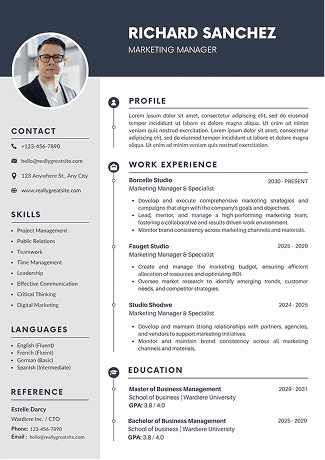
Related Blogs
Explore more insights and guides you might like.
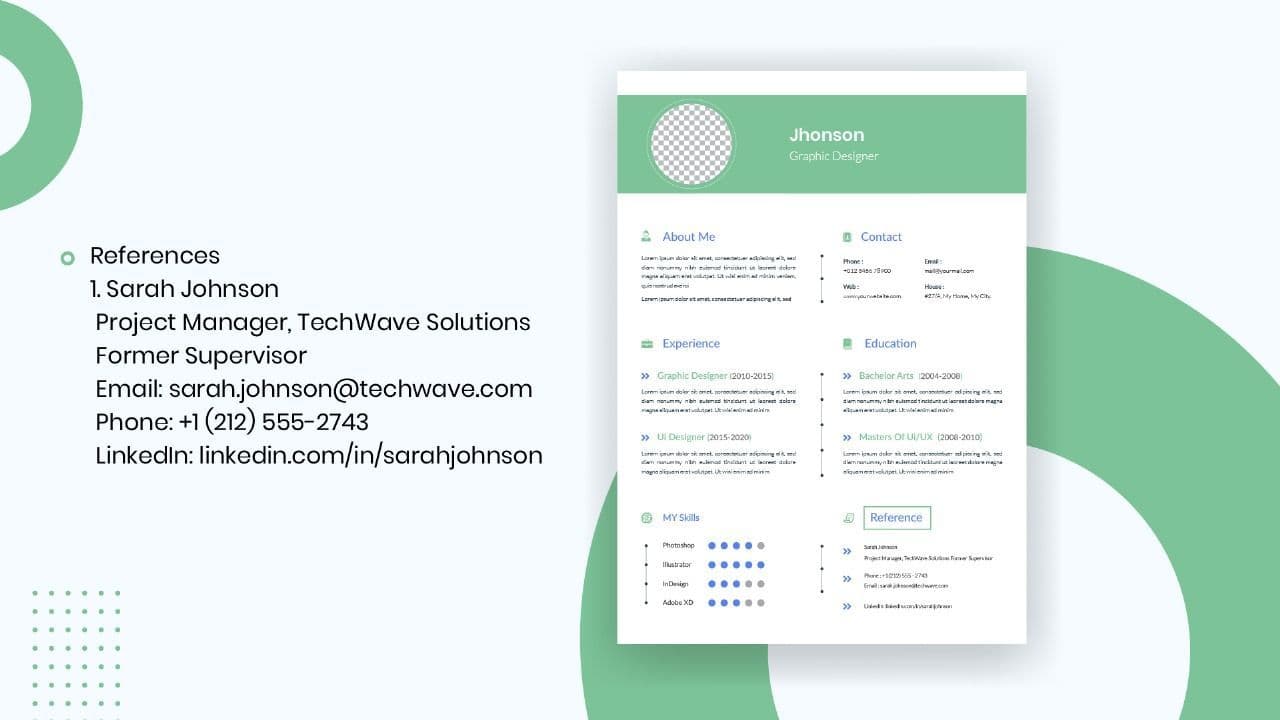
How to List References on a Resume in 2026
Learn the modern 2026 approach to listing references on your resume for maximum professionalism and recruiter impact.

Is Sound CV good for students and fresh graduates with no experience?
Sound CV is perfect for students and fresh graduates, helping them create professional resumes that highlight skills, projects, and potential even with little or no work experience.
Why Sound CV Is Different from Other AI Resume Builders
Sound CV stands out by creating job-focused, ATS-friendly resumes that highlight real achievements, not just generic content.
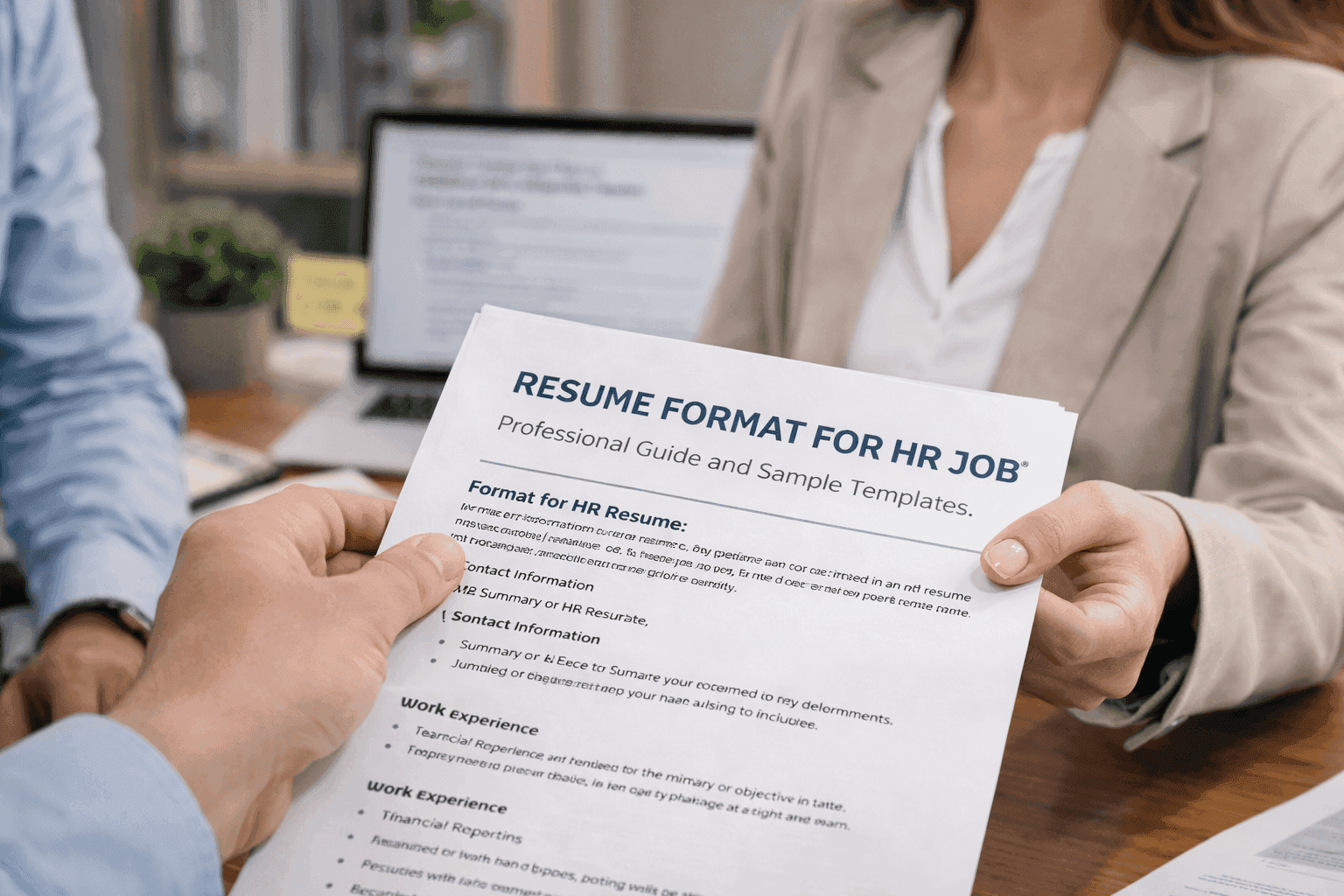
Resume Format for HR Job: Professional Guide and Sample Templates
A complete guide to the best resume format for HR jobs, with expert tips and sample templates to help you create a professional and job-ready resume.
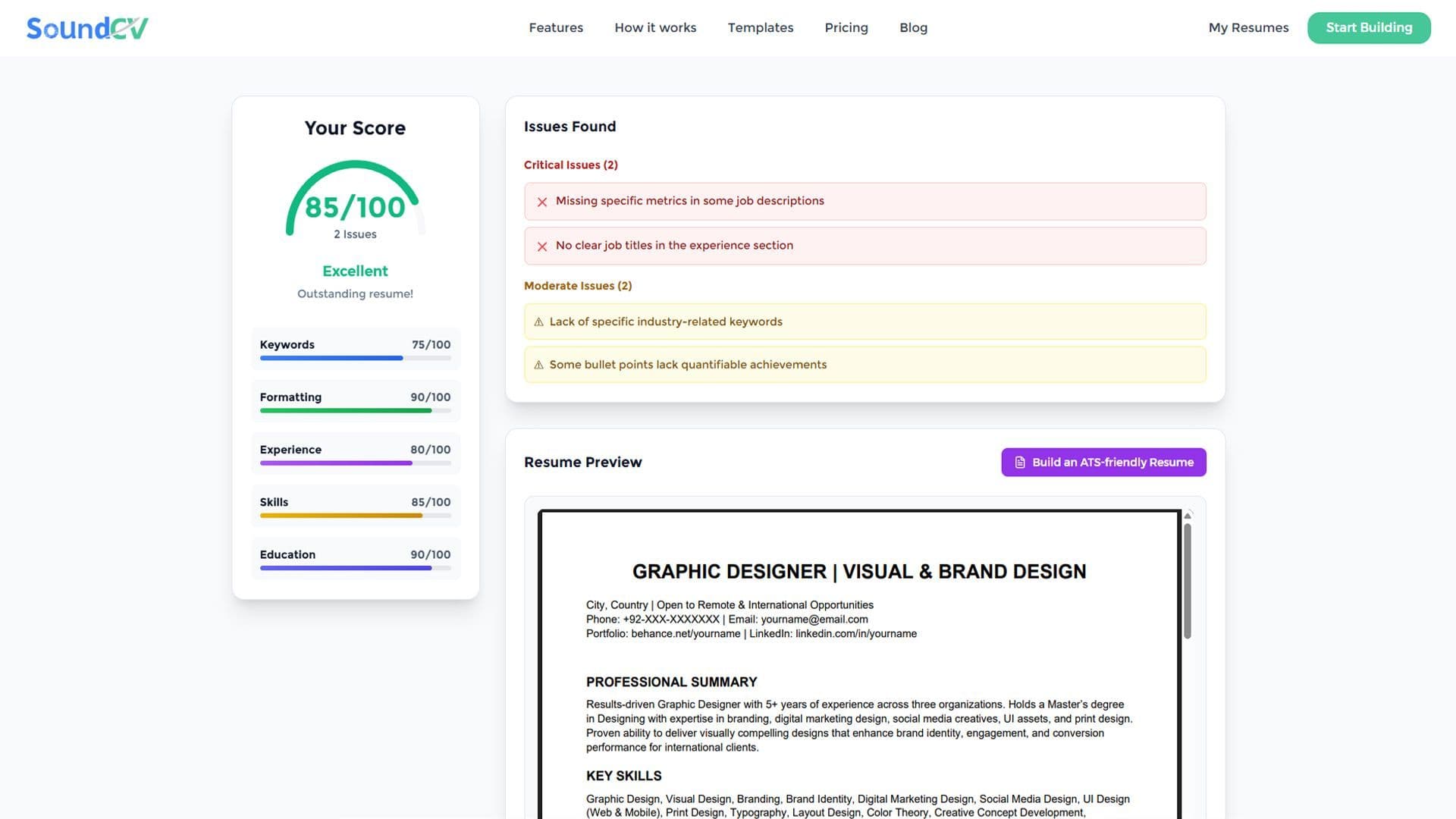
How Does the Sound CV Resume Score Checker Work?
The Sound CV Resume Score Checker analyzes your resume against ATS requirements, job-specific keywords, and structure to provide an instant, actionable score.
What Is a Sound CV? Features, Benefits, and How It Works
A Sound CV is an AI-powered resume that is tailored, ATS-optimized, and designed to showcase your skills and achievements to help you stand out to recruiters.