Architecture Resume Guide: Format, Skills & Tips to Impress Employers
Learn how to build a professional architecture resume with the right format, skills, and ATS-friendly structure to impress recruiters.
Overview
This Architecture Resume Guide explains the best format, essential sections, technical skills, and design tips to help architects create ATS-friendly resumes. Learn how to highlight projects, experience, and creativity to stand out and increase your chances of landing interviews.
An Architecture Resume is not just a summary of education and experience it is a reflection of how you think, design, and communicate. Architecture firms receive hundreds of applications, and recruiters often spend only a few seconds scanning each resume. This makes structure, clarity, and relevance more important than visual flair alone.
Many architects struggle with resumes because they either overdesign them or overload them with technical details. Others rely too heavily on portfolios, assuming resumes matter less. In reality, your resume is often the first filter before your portfolio is even opened.
A strong architecture resume balances professionalism with creativity. It clearly communicates your skills, experience, and design thinking while remaining easy to scan and ATS-friendly. This guide walks you through everything from format to skills to help you create an architecture resume that truly impresses.
Key Points
- Use reverse-chronological format for clarity
- Keep layout clean and ATS-friendly
- Include portfolio link in header
- Write a concise professional summary
- Highlight project impact, not duties
- Balance technical and design skills
- Add certifications and licenses
- Tailor resume for each role
- Avoid heavy graphics and overdesign
- Proofread and test ATS compatibility
Understanding the Purpose of an Architecture Resume
An architecture resume has one clear purpose: to convince recruiters that you are worth interviewing. It is not meant to replace your portfolio, but to work alongside it as a supporting document. While your portfolio showcases your design creativity and visual thinking, your resume provides the structure and context that help employers understand your professional value quickly.
Recruiters often spend only a few seconds scanning each application, which is why your architecture resume must communicate essential information at a glance. They use it to assess your educational background, including your architecture degree and academic foundation. They also look closely at your technical and design skills, such as your proficiency in software tools, design methods, and architectural processes.
Your project experience is another key factor. Recruiters want to know what types of projects you have worked on, your role in those projects, and how your experience aligns with their work. In addition, your resume helps them identify your career level whether you are a student, fresher, junior architect, or experienced professional as well as your area of specialization, such as residential design, commercial projects, interior architecture, or urban planning.
An effective architecture resume aligns your qualifications with the specific needs of the firm you are applying to. Whether the role is in a design studio, construction firm, or planning office, your resume should clearly demonstrate relevance. When written with clarity and intention, it acts as a strong introduction, encouraging recruiters to explore your portfolio and invite you for the next step.
Also Read : MBA Resume Format in 2026: How to Craft an ATS-Optimized MBA Resume
Best Architecture Resume Format (What Works Today)
Choosing the right format is one of the most important steps in creating a strong architecture resume. The format you use directly affects how easily recruiters can scan your experience, skills, and career progression. Today, the most effective architecture resumes prioritize clarity, structure, and relevance.
The reverse-chronological format is the most widely accepted and recommended option. This format lists your most recent experience first, making it easy for recruiters to see where you are currently working and how your career has developed over time. It works well for both fresh graduates and experienced architects because it clearly highlights internships, professional roles, and project involvement in a logical order.
The functional format, which focuses primarily on skills rather than work history, is generally not recommended for architecture roles. Architecture is a field where hands-on experience and project exposure matter greatly. Functional resumes can raise concerns for recruiters and are best avoided unless you have significant career gaps or are making a major career shift that requires explanation.
The hybrid format combines elements of both skills and experience sections. This format works well for architects transitioning into new roles or specializations, as it allows you to highlight relevant skills while still presenting a clear work history.
When it comes to length, one page is ideal for fresh graduates and early-career architects. Experienced architects with extensive project histories can use up to two pages. Regardless of length, clarity always matters more than how much space you use.
Also Read : Winning Business Development Manager Resume: Step-by-Step Guide (ATS Tips)
Essential Sections of an Architecture Resume
A well-structured architecture resume is built from clearly defined sections that allow recruiters to quickly understand your background and potential. Each section plays a specific role in presenting your qualifications in a professional and organized way.
The header and contact information should appear at the top of your resume. Include your full name, professional title, phone number, email address, current location, and a link to your online portfolio. This information should be easy to find and neatly formatted, as it is the first thing recruiters look for.
Next is the professional summary or objective. This is a short paragraph that highlights your design focus, experience level, and key strengths. It sets the tone for your resume and helps recruiters quickly understand who you are as an architect.
The education section is especially important in architecture. List your architecture degree, the institution you attended, and your graduation year. If relevant, you may also include honors, distinctions, or key academic achievements.
Your work experience section should highlight architecture roles, internships, and relevant positions. Focus on your responsibilities, project involvement, and contributions rather than listing generic duties.
The skills section should include a balanced mix of technical skills, such as software proficiency, and professional skills, such as communication and teamwork.
Include certifications and licenses to add credibility, such as architectural registrations, LEED certifications, or recognized software credentials. Finally, awards and competitions are optional but valuable if they demonstrate achievement, recognition, or published work relevant to architecture.
Also Read : How to Write a Data Scientist Resume That Impresses Recruiters
Writing a Strong Architecture Resume Summary
Your summary should answer one question: Why should we hire you?
For freshers:
- Emphasize education, internships, and design interests
For experienced architects:
- Highlight years of experience, project types, and leadership
Use keywords naturally and keep it concise. A strong summary sets the tone for the entire Architecture Resume.
Also Read : Quality Analyst Resume Guide (2026) | ATS-Friendly QA Resume Tips
Showcasing Architecture Experience Effectively
Avoid generic job descriptions. Focus on impact and contribution.
Instead of:
Worked on residential projects
Write:
Contributed to residential design projects from concept development to construction documentation using AutoCAD and Revit.
Use action verbs and, where possible, include outcomes such as project scale, client type, or collaboration.
Also Read : English Teacher Resume Guide With Format and Examples
Architecture Skills That Impress Recruiters
Technical Skills
- AutoCAD
- Revit
- SketchUp
- Rhino
- BIM workflows
- Lumion, V-Ray, Enscape
Design & Professional Skills
- Concept development
- Space planning
- Sustainable design principles
- Client coordination
- Team collaboration
Balance tools with thinking skills. Recruiters value both.
Also Read : Digital Marketing Resume Tips & Examples to Get Interviews
How to Include Architecture Projects on Your Resume
Projects are the backbone of an architecture career.
Include:
- Project title
- Your role
- Tools used
- Type of project (academic or professional)
Link your portfolio clearly but avoid overcrowding the resume with visuals.
Education Section: What Matters Most
Include:
- Degree name
- University
- Graduation year
Add GPA only if it is strong or required. Mention key studios or coursework if relevant.
Also Read : HR Executive Resume Guide With Format, Skills, and Examples
Certifications, Licenses, and Software Proficiency
Certifications add credibility:
- Architectural registrations
- LEED or sustainability certifications
- Software certifications
Indicate proficiency levels honestly.
Resume Design Tips for Architects
- Keep layout clean and readable
- Avoid heavy graphics that break ATS compatibility
- Use consistent spacing and typography
- White space improves readability
A visually balanced Architecture Resume reflects design maturity.
Also Read : Entry-Level Software Tester Resume: Sample, Format & ATS Tips for Freshers
Common Architecture Resume Mistakes to Avoid
- Overdesigning the resume
- Listing tools without context
- Ignoring ATS optimization
- Typos and inconsistent formatting
Your resume should look professional before it looks creative.
Tailoring Your Resume for Different Architecture Roles
Different roles require different emphasis:
- Junior architect: education and software
- Senior architect: leadership and projects
- Interior roles: materials and space planning
- Urban planning: research and analysis
Always tailor your resume.
Also Read : Project Manager Resume: Examples, Skills & ATS Writing Tips
Final Checklist Before Submitting Your Architecture Resume
- Proofread carefully
- Match job keywords
- Test ATS readability
- Check portfolio links
A final review can make the difference between rejection and interview.
Also Read : The Ultimate Guide to Crafting an Effective Cover Letter Header
Conclusion
Creating an effective Architecture Resume is about clarity, structure, and storytelling. Your resume should communicate not just what tools you use, but how you think, design, and contribute to projects.
For architects who want to present their skills professionally and stand out in competitive markets, tools like Sound CV make the process easier and smarter. Sound CV helps architects structure their resumes, optimize them for ATS, and highlight both technical expertise and creative strengths with confidence.
Whether you’re a student, fresher, or experienced architect, combining strong content with the right resume tools ensures your architecture resume opens doors before your portfolio even speaks.
FAQs
Frequently asked questions about this topic
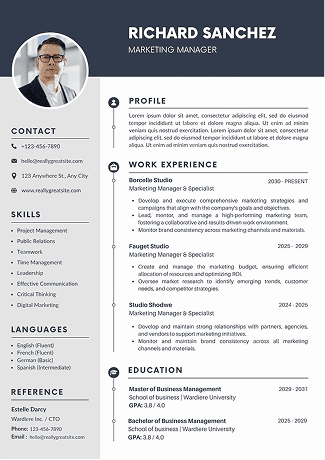
Related Blogs
Explore more insights and guides you might like.
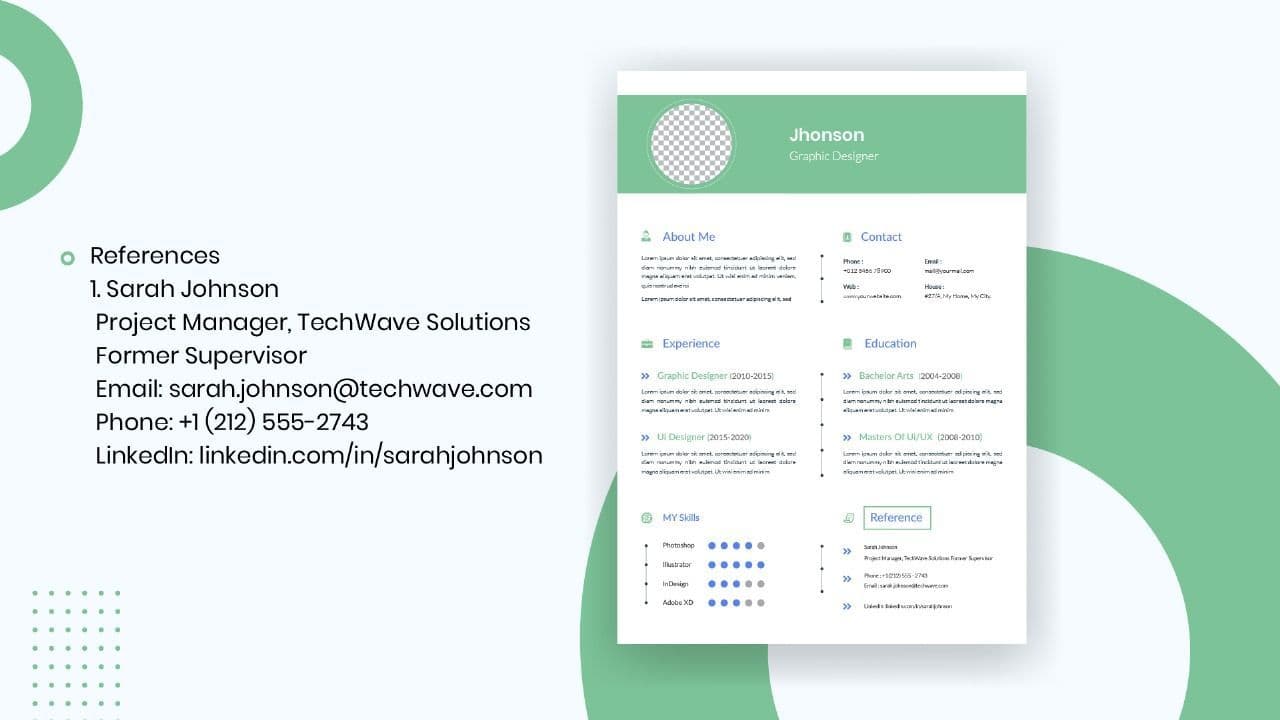
How to List References on a Resume in 2026
Learn the modern 2026 approach to listing references on your resume for maximum professionalism and recruiter impact.

Is Sound CV good for students and fresh graduates with no experience?
Sound CV is perfect for students and fresh graduates, helping them create professional resumes that highlight skills, projects, and potential even with little or no work experience.
Why Sound CV Is Different from Other AI Resume Builders
Sound CV stands out by creating job-focused, ATS-friendly resumes that highlight real achievements, not just generic content.
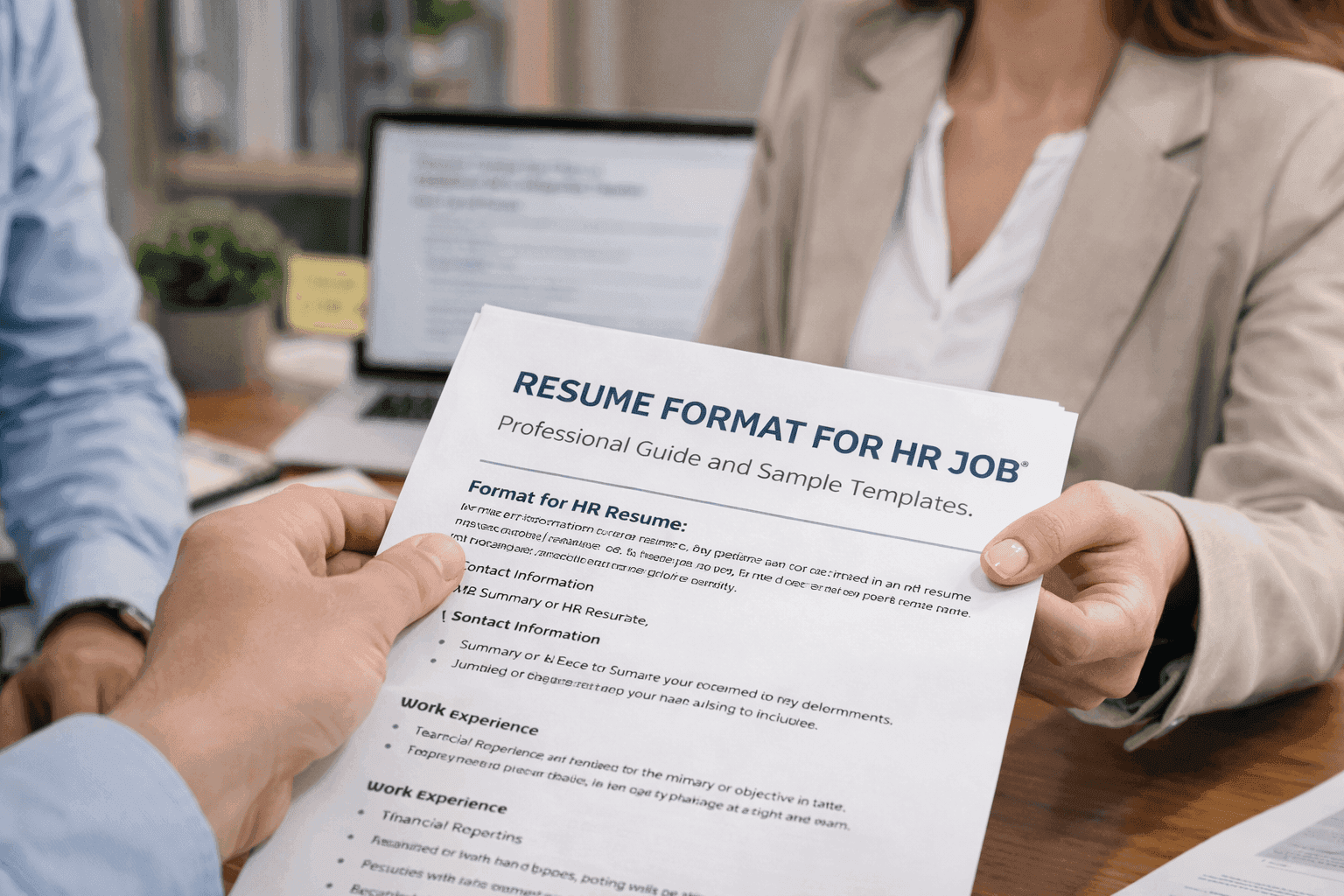
Resume Format for HR Job: Professional Guide and Sample Templates
A complete guide to the best resume format for HR jobs, with expert tips and sample templates to help you create a professional and job-ready resume.
How Does the Sound CV Resume Score Checker Work?
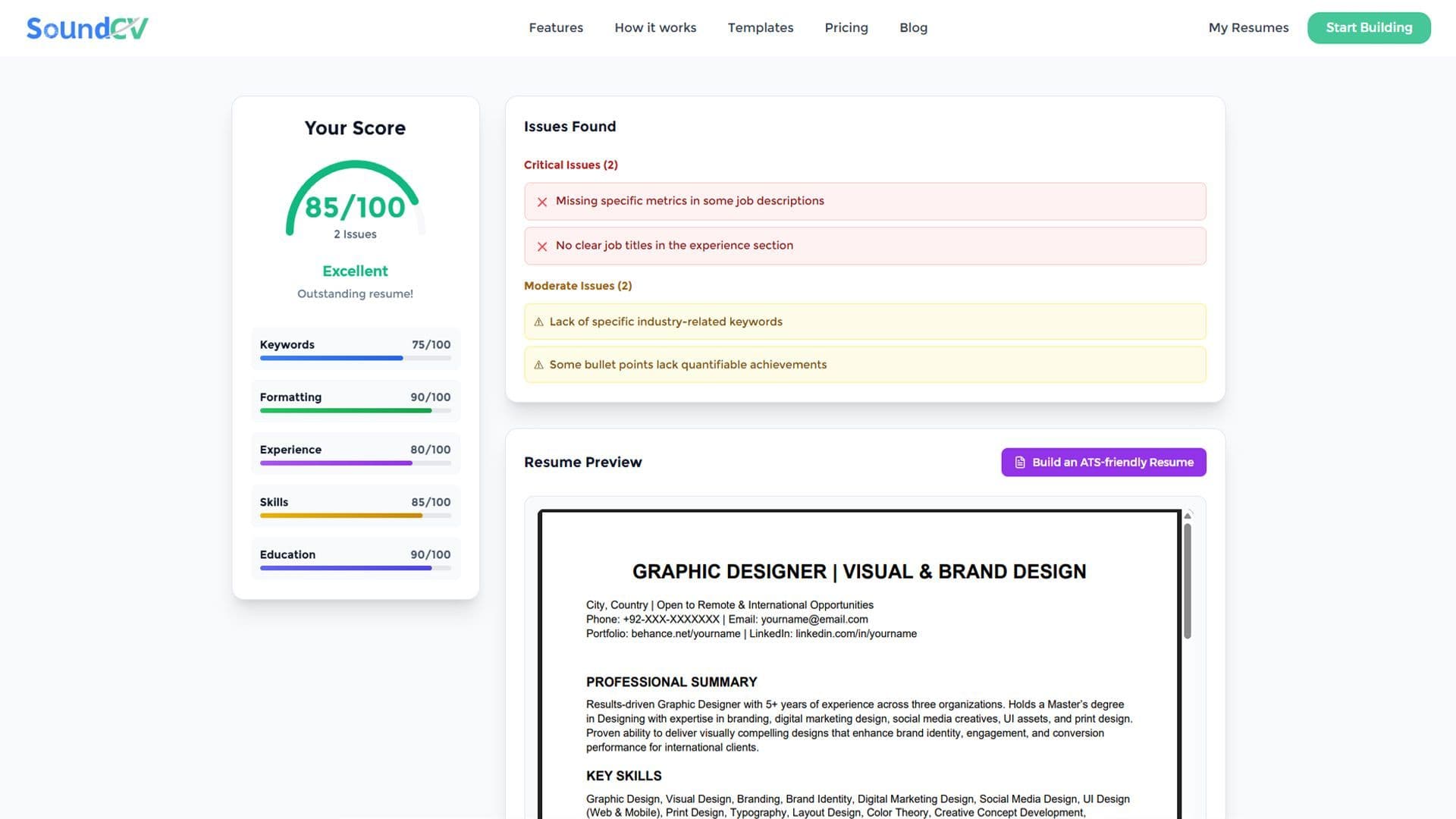
The Sound CV Resume Score Checker analyzes your resume against ATS requirements, job-specific keywords, and structure to provide an instant, actionable score.

What Is a Sound CV? Features, Benefits, and How It Works
A Sound CV is an AI-powered resume that is tailored, ATS-optimized, and designed to showcase your skills and achievements to help you stand out to recruiters.