Best Resume Action Verbs for 2026 (ATS-Optimized Guide)
A complete guide to the best resume action verbs for 2026 to boost ATS visibility, showcase impact, and impress recruiters.
Overview
Discover the most effective resume action verbs to use in 2026, organized by skill area and optimized for ATS. This guide explains how strong verbs improve recruiter engagement, replace weak phrases, and transform responsibilities into results-driven achievements. Perfect for students, professionals, and career changers looking to stand out in a competitive job market.
In today’s competitive job market, simply listing your duties on a resume is no longer enough to impress recruiters or pass Applicant Tracking Systems (ATS). Employers in 2026 are looking for candidates who can clearly demonstrate results, leadership, adaptability, and real impact, not vague task descriptions. This is where resume action verbs become essential. The words you choose to lead each bullet point shape how your experience is perceived and whether your application stands out in seconds or fades into the background.
Action verbs transform plain sentences into powerful achievement statements. Instead of saying “responsible for managing projects,” using a more assertive phrase like “led multiple cross-functional projects” presents confidence, ownership, and measurable contribution. Strong verbs communicate movement, initiative, and capability instantly. With hiring managers skimming resumes in under 8 seconds on average, your opening words carry more influence than ever before.
As recruitment increasingly relies on AI screening and ATS platforms, precise action verbs also help your resume align with keyword-matching algorithms. Recruiters often search resumes using skill- or role-specific verbs such as “implemented,” “optimized,” “developed,” or “analyzed.” Using the right verbs naturally increases your visibility while making your accomplishments more compelling to human readers as well.
In this complete guide, you’ll discover the best resume action verbs to use in 2026, categorized by skill area from leadership and technical skills to creativity, research, collaboration, and problem-solving. You’ll also learn how to replace weak phrases with powerful alternatives, tailor verb selection to your job targets, and avoid outdated language that can weaken your professional impact. Whether you're a student, career changer, or experienced professional, this guide will help you upgrade your resume language into a confident, results-focused narrative that tells your career story with strength and clarity.
Key Points
- Resume action verbs improve ATS keyword matching and recruiter scanability
- Strong verbs turn job duties into results-driven achievements
- Every resume bullet should start with a dynamic action verb
- Pair action verbs with metrics, tools, or outcomes for credibility
- Rotate verbs to avoid repetition and improve readability
- Match verb choices directly to job description language
- Leadership, technical, analytical, and creative roles require different verb sets
- Weak phrases like “worked on” or “helped with” reduce impact and visibility
- Modern resumes prioritize clarity, ownership, and measurable impact
- Action verbs act as personal branding tools, not just writing style choices
What Are Resume Action Verbs?
Resume action verbs are strong, dynamic words placed at the beginning of bullet points to describe your responsibilities and achievements. They replace passive expressions and vague phrases with direct, confident statements.
Weak:
- Responsible for managing projects
- Assisted with data processing
- Helped customers
Strong:
- Led project teams
- Processed datasets
- Delivered personalized customer support
Action verbs create clarity and momentum. They show what you did rather than what you were “involved with.”
Also Read : How to Use ChatGPT to Write a Resume: A Complete Step-by-Step Guide
Why Action Verbs Matter More in 2026
Modern hiring systems are built around ATS keyword matching and AI screening.
Strong verbs:
Boost ATS scanning results
Improve impact on recruiters skimming resumes
Demonstrate leadership, ownership, and results
Match skills frequently searched by employers
Generic verbs like “worked on” or “handled” lack specificity and power. Employers now prioritize evidence-based language that highlights impact and achievement.
Also Read : Top AI Skills Employers Want on Your Resume in 2026
Top Resume Action Verbs by Skill Area
Leadership & Management Verbs
- Led
- Spearheaded
- Directed
- Coordinated
- Executed
- Guided
- Delegated
- Mentored
- Supervised
- Launched
- Built
- Championed
Example:
Led a cross-department team to launch a new SaaS product 20% ahead of schedule.
Communication & Collaboration Verbs
- Presented
- Liaised
- Negotiated
- Facilitated
- Authored
- Advocated
- Consulted
- Communicated
- Partnered
- Translated
Example:
Facilitated stakeholder meetings to align marketing goals across departments.
Problem-Solving & Analytical Verbs
- Analyzed
- Diagnosed
- Evaluated
- Solved
- Optimized
- Resolved
- Streamlined
- Forecasted
- Assessed
- Tested
Example:
Streamlined onboarding workflow, reducing processing time by 35%.
Technical & Digital Skill Verbs
- Developed
- Coded
- Deployed
- Engineered
- Integrated
- Automated
- Configured
- Secured
- Debugged
- Implemented
Example:
Implemented automated reporting tools using Python and SQL.
Creative & Marketing Verbs
- Designed
- Curated
- Crafted
- Produced
- Conceptualized
- Illustrated
- Promoted
- Enhanced
- Storyboarded
- Visualized
Example:
Designed brand visuals that increased audience engagement by 40%.
Research & Education Verbs
- Investigated
- Researched
- Collected
- Reviewed
- Documented
- Published
- Synthesized
- Validated
- Compiled
- Analyzed
Example:
Researched market demand to guide new curriculum development.
Customer Service & Sales Verbs
- Generated
- Negotiated
- Advised
- Retained
- Upsold
- Converted
- Resolved
- Consulted
- Closed
- Served
Example:
Generated $500K in new business revenue through client partnerships.
Entry-Level & Student-Friendly Verbs
- Assisted
- Completed
- Organized
- Supported
- Created
- Prepared
- Conducted
- Participated
- Updated
- Delivered
Tip: Combine basic verbs with outcomes:
Organized academic workshops attended by 150+ students.
Also Read : What Is the Purpose of a Resume? (Complete Guide 2026)
Weak-to-Strong Verb Transformations
How to Use Resume Action Verbs Effectively
1. Start Every Bullet With a Verb
Every bullet point must begin with a strong action verb.
Wrong:
I was in charge of preparing reports...
Right:
Prepared financial reports used by leadership for planning.
2. Pair Verbs With Results
Add numbers whenever possible.
Improved employee onboarding satisfaction by 32%.
3. Rotate Your Verbs
Avoid repeating the same verb over and over.
4. Match Verbs to Job Descriptions
Scan the job posting for specific verbs and skills — then integrate them naturally.
ATS Optimization Tips for Resume Verb Usage
Mirror language from job descriptions
Keep phrasing professional and keyword-rich
Avoid slang or hype words
Use tense consistently (past tense for previous jobs)
Also Read : Can AI Help You Write a Better Resume? Benefits, Tools & Tips
Action Verbs to Avoid in 2026
These words feel outdated or vague:
Worked
Assisted with
Was responsible for
Helped to
Tasked with
Participated in
Resume Action Verb Templates
Use this format:
Verb + Task + Tools + Result
Examples:
Developed a customer management system using CRM software, increasing retention by 22%.
Optimized website SEO content using keyword analysis tools, driving 65% organic traffic growth.
Also Read : How to List Publications on a Resume (Examples & Format Guide)
Best Resume Action Verbs for AI & Tech Jobs
- Programmed
- Architected
- Automated
- Integrated
- Engineered
- Calibrated
- Modeled
- Secured
Best Resume Action Verbs for Business & Marketing
- Launched
- Scaled
- Validated
- Executed
- Negotiated
- Converted
- Monetized
- Expanded
Final Resume Writing Checklist
Do all bullets begin with strong verbs?
Are achievements results-focused?
Are verbs aligned with ATS keywords?
Are verbs rotated naturally?
Are weak phrases eliminated?
Also Read : ATS Full Form in Resume: Resume Guide with Examples (2026)
Final Thoughts
In 2026’s highly competitive job market, your resume must do more than list responsibilities it must demonstrate impact, confidence, and results within seconds of being reviewed. Action verbs are one of the most powerful tools for achieving this. They shape how recruiters and AI screening systems interpret your experience, turning basic job descriptions into compelling performance statements. The right verb at the start of each bullet point instantly communicates leadership, initiative, problem-solving ability, and ownership qualities every employer looks for regardless of industry.
Throughout this guide, you’ve seen how modern resume action verbs align with both human hiring managers and Applicant Tracking Systems (ATS). Strong verbs paired with real outcomes improve keyword matching while presenting your achievements with clarity and energy. Whether you are a student entering the workforce, a professional switching careers, or an experienced candidate seeking advancement, refining your verb choices allows you to tell your story with greater authority and purpose.
The top approach is consistency and relevance. Start each bullet with a powerful, varied verb that matches your job target. Whenever possible, attach numbers, achievements, or measurable results to strengthen credibility. Avoid vague or outdated phrases, and replace passive wording with confident, forward-moving language. Even small edits such as swapping “helped with” for “supported,” or “worked on” for “executed” can noticeably elevate how your resume is perceived.
Remember that action verbs are not simply stylistic choices; they act as career positioning tools. They help define your professional identity, showcase your accomplishments, and align your resume with the expectations of modern recruitment engines and decision-makers alike.
By applying the action verbs and practical techniques shared in this guide, your resume becomes more than a document it becomes a persuasive narrative of growth and capability. With purposeful wording and strategic keyword alignment, you position yourself confidently for interviews and opportunities, ensuring your experience stands out in the competitive hiring landscape of 2026 and beyond.
FAQs
Frequently asked questions about this topic
Related Blogs
Explore more insights and guides you might like.
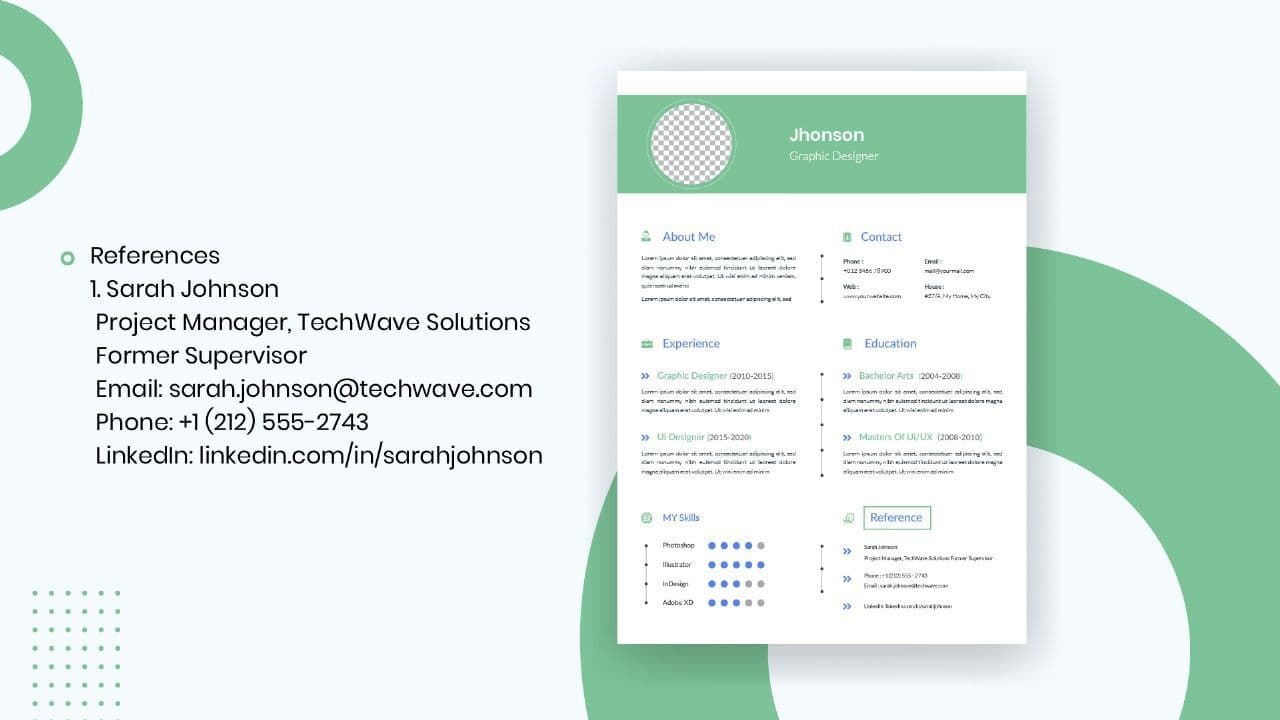
How to List References on a Resume in 2026
Learn the modern 2026 approach to listing references on your resume for maximum professionalism and recruiter impact.

Is Sound CV good for students and fresh graduates with no experience?
Sound CV is perfect for students and fresh graduates, helping them create professional resumes that highlight skills, projects, and potential even with little or no work experience.
Why Sound CV Is Different from Other AI Resume Builders
Sound CV stands out by creating job-focused, ATS-friendly resumes that highlight real achievements, not just generic content.
Resume Format for HR Job: Professional Guide and Sample Templates
A complete guide to the best resume format for HR jobs, with expert tips and sample templates to help you create a professional and job-ready resume.
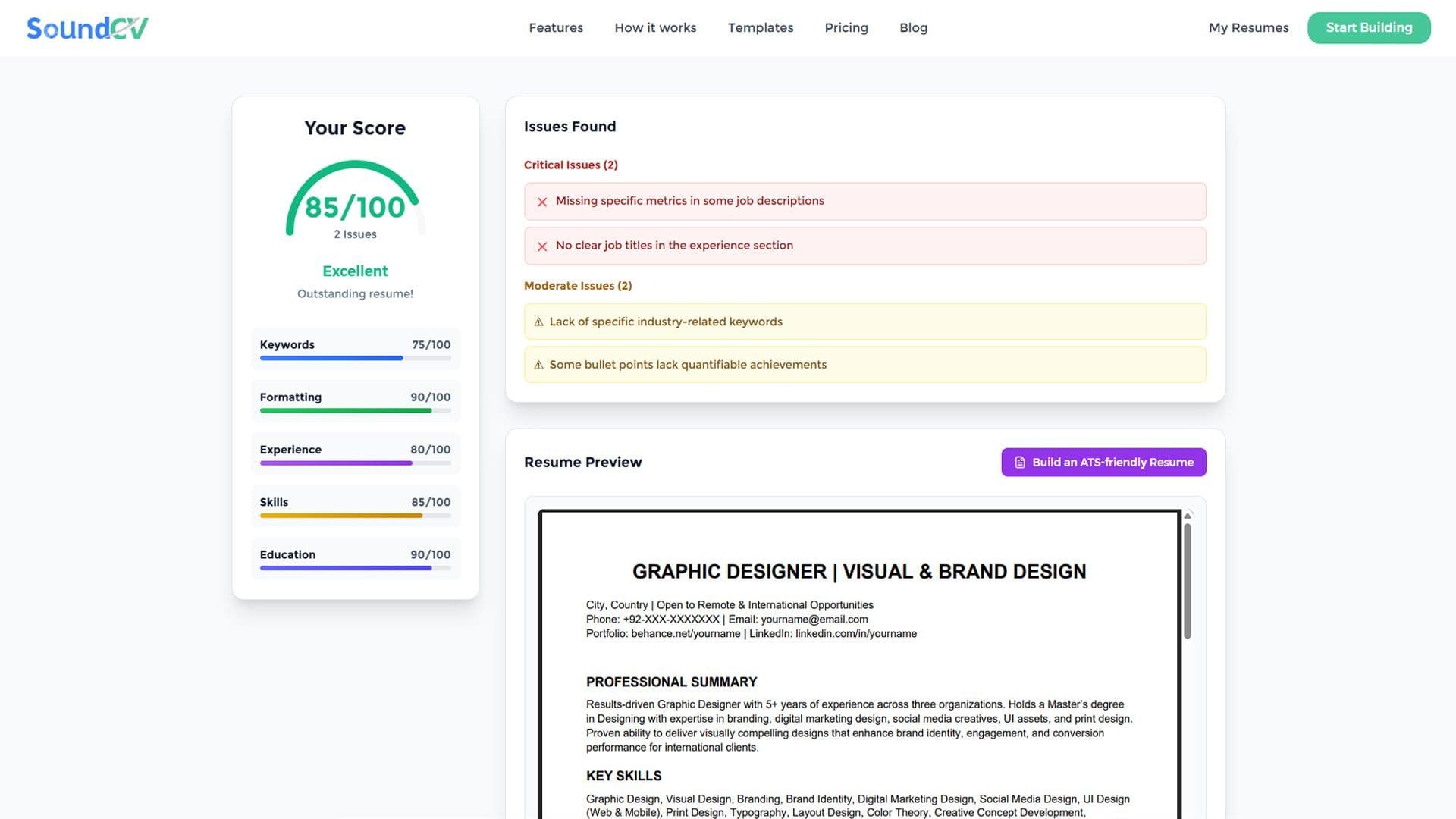
How Does the Sound CV Resume Score Checker Work?
The Sound CV Resume Score Checker analyzes your resume against ATS requirements, job-specific keywords, and structure to provide an instant, actionable score.
What Is a Sound CV? Features, Benefits, and How It Works
A Sound CV is an AI-powered resume that is tailored, ATS-optimized, and designed to showcase your skills and achievements to help you stand out to recruiters.