Best Resume Format for Engineering Students (ATS-Friendly Guide)
A complete guide to choosing the best ATS-friendly resume format for engineering students, freshers, interns, and project-focused candidates.
Overview
This guide explains how engineering students can choose the right resume format to pass ATS screenings and impress recruiters. Learn which resume structure works best for freshers, interns, and project-based profiles, with practical tips and examples.
Choosing the correct resume format for engineering students is one of the most important steps in building a successful career. Engineering students face intense competition, whether they are applying for internships, entry-level roles, or graduate programs. Even highly skilled candidates often get rejected not because they lack knowledge, but because their resume is poorly structured or not optimized for modern hiring systems.
Today, recruiters rely heavily on Applicant Tracking Systems (ATS) to screen resumes before a human ever sees them. This makes resume formatting just as important as technical skills. In this guide, you’ll learn how to choose the right resume format for engineering students based on experience level, projects, and career goals while ensuring your resume is ATS-friendly and recruiter-approved.
Key Points
Resume format is critical for engineering students due to ATS screening
Combination resume format is best for most engineering students
Chronological format suits students with internships
Functional resumes are not ATS-friendly and should be avoided
Projects can replace experience for freshers
Clear structure improves recruiter readability
Technical skills must be easy to scan
Customizing resumes increases interview chances
Why Resume Format Is Critical for Engineering Students
Engineering roles are among the most competitive in the job market, often attracting thousands of applications for a single opening. In such a crowded landscape, recruiters do not have the time to read every resume in detail. Studies show that recruiters typically spend only 6 to 10 seconds scanning a resume before deciding whether to move forward or reject it. During this short window, a clear and professional resume format can make a powerful first impression.
For engineering students, resume format is especially important because most companies use Applicant Tracking Systems (ATS) to filter resumes before they reach human recruiters. If a resume is poorly structured or uses complex designs, the ATS may fail to read it correctly, leading to rejection even if the candidate is highly qualified. A clean and organized format ensures your resume passes these automated screenings.
In addition, engineering resumes must present technical skills clearly. Recruiters want to quickly identify programming languages, tools, software, and engineering concepts relevant to the role. A strong format places these skills where they are easy to find. Projects and internships also require proper structure so recruiters can understand your hands-on experience and practical knowledge without confusion.
Recruiters generally value clarity over creativity, especially in technical roles. Overly designed resumes with graphics, icons, or unusual layouts can distract from important information. A well-structured resume format presents your skills, education, and experience logically and professionally, increasing readability and significantly improving your chances of being shortlisted for interviews.
Also Read : Resume for Government Job – How to Write an ATS-Friendly CV
Types of Resume Formats Explained
Understanding resume formats is the foundation of choosing the right one.
Chronological Resume Format
The chronological resume format presents work experience in reverse chronological order, starting with the most recent role and moving backward. This format is widely accepted by recruiters and is one of the most commonly used resume structures in technical fields. It works best for engineering students who have completed internships, training programs, or part-time roles related to their field of study.
This format is highly ATS-friendly because it follows a clear and predictable structure that applicant tracking systems can easily scan and interpret. Recruiters also prefer it because it allows them to quickly review a candidate’s experience, understand job roles, and see career progression at a glance. For engineering students with relevant internships, this format effectively highlights practical exposure and professional growth.
However, the chronological resume format may not be the best choice for students with little or no work experience. In such cases, the resume may appear sparse and fail to highlight technical skills or academic projects effectively. Students without internships may benefit more from a combination format that emphasizes skills and projects first.
Functional Resume Format
The functional resume format emphasizes skills and abilities rather than work experience or employment history. Instead of listing roles in chronological order, it groups skills into categories, making it appear attractive at first glance. This format is sometimes used by career changers who want to shift focus away from gaps or unrelated experience.
While it does highlight skills, the functional resume format is generally not recommended for engineering students. One major drawback is poor compatibility with Applicant Tracking Systems (ATS). Many ATS tools struggle to read and categorize functional resumes correctly, which can lead to automatic rejection. Recruiters also tend to distrust this format because it hides the experience timeline, making it difficult to assess a candidate’s practical exposure or career progression.
For engineering students, employers typically want to see clear education details, internships, projects, and hands-on experience. The functional format often fails to present this information transparently. As a result, engineering students should avoid this format and choose structures that clearly display skills alongside education and experience.
Combination (Hybrid) Resume Format
The combination resume format blends both skills and experience into a single, well-balanced structure. It highlights technical skills upfront while still presenting internships, projects, or work experience in a clear and organized manner. This format is widely considered the best choice for most engineering students.
It works especially well for freshers who have completed academic projects and for students with internship experience. By placing skills near the top, recruiters and ATS systems can quickly identify technical competencies, while the experience section provides practical context. The combination format is highly ATS-friendly and aligns well with how recruiters review engineering resumes.
Another major advantage is balance. It allows students to showcase technical knowledge, hands-on projects, and real-world exposure without overemphasizing or hiding any section. However, this format does require careful structuring to avoid clutter or repetition. When organized properly, the combination resume format offers the most effective and professional presentation for engineering students.
Also Read : Best Resume Format for Mechanical Engineers (ATS-Friendly Examples)
Best Resume Format for Engineering Students (Recommended)
For most candidates, the combination resume format is the best resume format for engineering students.
Why it works:
- Showcases technical skills upfront
- Includes internships, projects, or training
- ATS systems can parse it easily
- Recruiters get a complete overview quickly
This format allows students to compensate for limited experience by highlighting academic projects, certifications, and practical skills making it ideal for engineering roles.
Also Read : Resume Format for Engineering Students - Skills, Projects & ATS Tips
How to Choose the Right Resume Format Based on Your Profile
Resume Format for Engineering Freshers
If you are a fresher with no professional experience, your resume should focus on:
- Education
- Technical skills
- Academic projects
Recommended format: Combination resume format
Structure priority:
- Resume summary or objective
- Technical skills
- Education
- Projects
- Certifications
Resume Format for Engineering Students with Internships
Internships demonstrate real-world exposure and are highly valued by recruiters.
Recommended format: Chronological or combination format
Focus on:
- Internship responsibilities
- Tools and technologies used
- Achievements and outcomes
Internships should be listed clearly under an “Experience” section.
Resume Format for Engineering Students with Projects
Projects are crucial for engineering students, especially in software, mechanical, electrical, and civil fields.
Recommended format: Combination resume format
Tips:
- Create a dedicated “Projects” section
- Mention tools, technologies, and outcomes
- Keep descriptions concise and result-focused
Projects often act as a substitute for experience in entry-level roles.
Also Read : How to Sell a Product in an Interview (Step-by-Step Guide for Freshers)
Key Sections to Include in an Engineering Student Resume
Resume Header
Include:
- Full name
- Phone number
- Professional email
- LinkedIn or GitHub (if relevant)
Avoid photos, icons, or decorative elements.
Career Objective or Summary
For students, a career objective works best.
Example:
Motivated engineering student with strong foundations in programming and problem-solving, seeking an entry-level role to apply technical skills in a real-world environment.
Technical Skills Section
This is a must-have section in any resume format for engineering students.
Include:
- Programming languages
- Tools and software
- Frameworks
- Engineering concepts
Use bullet points for clarity.
Education Details
Mention:
- Degree name
- University/college
- Graduation year
- CGPA (if strong)
Projects Section
Each project should include:
- Project title
- Tools/technologies used
- Brief description
- Outcome or result
Internships and Training
Include:
- Company name
- Role
- Duration
- Key contributions
Certifications (Optional)
Add relevant certifications such as:
- Programming courses
- Technical tools
- Industry-recognized credentials
Also Read : Sample Cover Letter for IT Internship (Freshers & Students)
ATS-Friendly Resume Formatting Tips
To ensure your resume passes ATS scans:
- Use standard fonts (Arial, Calibri, Times New Roman)
- Keep font size between 10.5–12
- Use bullet points, not paragraphs
- Avoid tables, columns, and graphics
- Use job-specific keywords naturally
An ATS-friendly resume format for engineering students significantly improves visibility.
Also Read : Most Effective Resume Format (2026) | Ultimate Job Seeker Guide
Common Resume Formatting Mistakes Engineering Students Should Avoid
Avoid these common errors:
- Using creative or graphical resume designs
- Writing long paragraphs
- Missing technical keywords
- Poor alignment and spacing
- Submitting the same resume for every job
A clean, consistent, and structured format always performs better.
Also Read : Is a Cover Letter and Application Letter the Same? Key Differences Explained
Resume Format Examples for Engineering Students
Example 1: Fresher Resume
- Objective
- Technical Skills
- Education
- Projects
Example 2: Internship Holder
- Summary
- Skills
- Experience
- Education
- Projects
Example 3: Project-Focused Student
- Summary
- Skills
- Projects
- Education
Final Tips Before Submitting Your Resume
Before applying:
- Proofread carefully
- Customize resume for each job description
- Save as PDF unless instructed otherwise
- Ensure keywords match the job role
Small improvements can significantly increase interview chances.
Also Read : Google Resume Format: Craft a Resume That Gets Noticed
Conclusion
Choosing the right resume format for engineering students can make the difference between getting shortlisted or ignored. A well-structured, ATS-friendly resume helps recruiters quickly understand your skills, education, and potential. For most engineering students, the combination resume format offers the best balance between technical skills, projects, and experience.
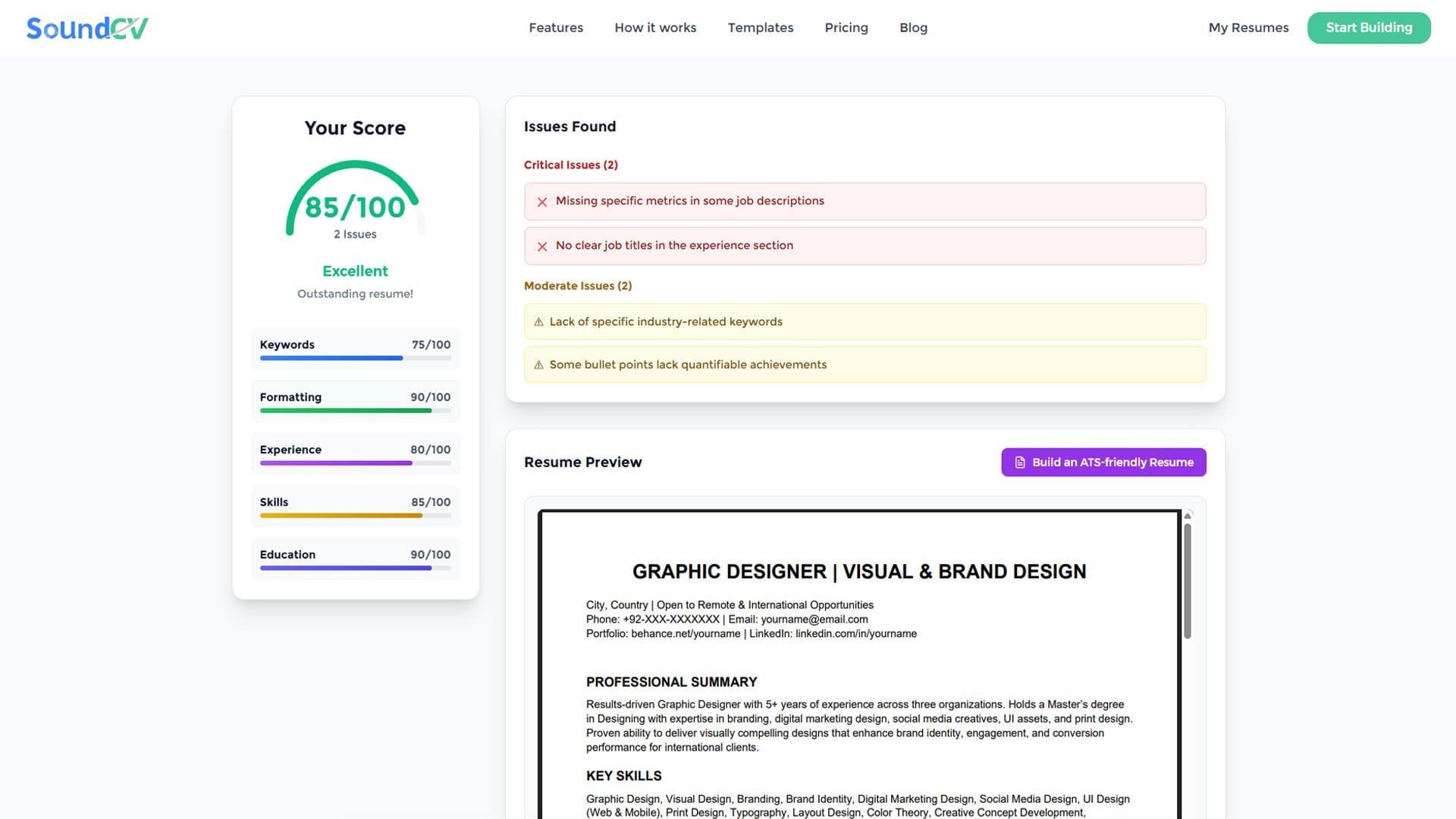
Just as formatting plays a critical role in resume success, using the right tools can elevate your job search. Platforms like Sound CV help engineering students analyze their resumes, check ATS compatibility, identify missing keywords, and improve structure before applying. Whether you are a fresher or an internship holder, combining the right resume format with smart tools can significantly boost your chances of landing interviews.
FAQs
Frequently asked questions about this topic
Related Blogs
Explore more insights and guides you might like.
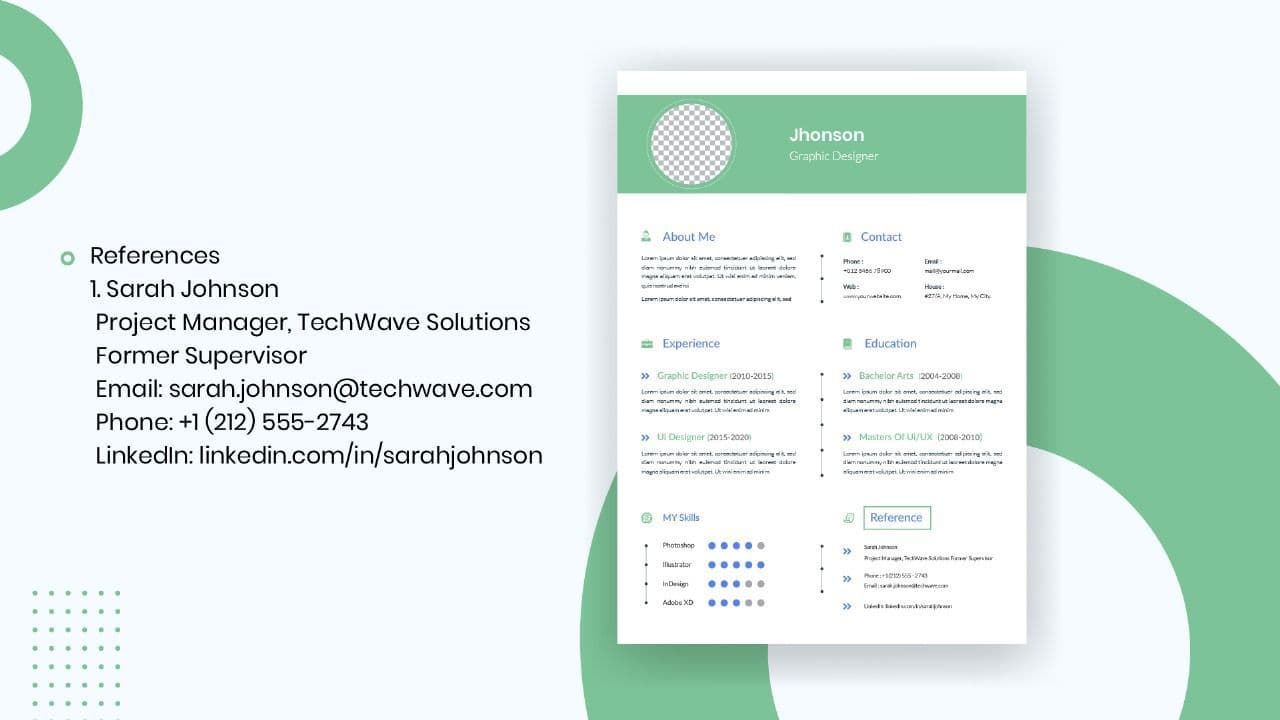
How to List References on a Resume in 2026
Learn the modern 2026 approach to listing references on your resume for maximum professionalism and recruiter impact.
Is Sound CV good for students and fresh graduates with no experience?
Sound CV is perfect for students and fresh graduates, helping them create professional resumes that highlight skills, projects, and potential even with little or no work experience.

Why Sound CV Is Different from Other AI Resume Builders
Sound CV stands out by creating job-focused, ATS-friendly resumes that highlight real achievements, not just generic content.
Resume Format for HR Job: Professional Guide and Sample Templates
A complete guide to the best resume format for HR jobs, with expert tips and sample templates to help you create a professional and job-ready resume.
How Does the Sound CV Resume Score Checker Work?
The Sound CV Resume Score Checker analyzes your resume against ATS requirements, job-specific keywords, and structure to provide an instant, actionable score.

What Is a Sound CV? Features, Benefits, and How It Works
A Sound CV is an AI-powered resume that is tailored, ATS-optimized, and designed to showcase your skills and achievements to help you stand out to recruiters.