Which CV Format Is Best for Europe? Europass Guide for 2026 Job Seekers
Learn the best European CV format for 2026 and boost your interview chances across EU countries.
Overview
Applying for jobs in Europe? This complete 2026 guide explains the best CV format for Europe, including Europass CV standards, ATS requirements, country-specific preferences, and common mistakes to avoid. Ideal for international job seekers targeting EU employers and recruiters.
Applying for jobs in Europe can feel confusing especially for international candidates unfamiliar with European hiring standards. Resume expectations across the EU differ significantly from formats used in the USA, UK, or Asia in terms of structure, length, content sections, and even photo requirements. Understanding which CV format is best for Europe can dramatically improve your chances of landing interviews across European markets in 2026.
European employers favor clarity, standardized layouts, and transparent skills documentation. With more organizations adopting automated Applicant Tracking Systems (ATS), CV formatting must satisfy both machine scanning and human readability. This guide explains European CV norms, identifies the most accepted resume structure, reviews alternative formats, highlights country-specific preferences, and covers mistakes to avoid so you can submit confidently across EU hiring portals.
Key Points
- Europass CV is best for Europe and widely accepted across EU countries
- 1.5–2 pages is the standard CV length
- Simple, ATS-friendly layout works best (no graphics or columns)
- Skills and language proficiency sections are essential
- Photo depends on country (expected in Germany, optional in Nordics)
- Chronological or hybrid CVs also work in tech and corporate roles
- Europass + ATS optimization gives the highest interview success in 2026
Understanding European CV Standards
European CV standards are more structured and formal than those used in many other regions, offering job seekers a clearly defined framework for presenting qualifications. Unlike the short one-page resumes commonly used in the United States or parts of Asia, European CVs typically allow up to two pages, giving applicants more space to showcase work experience, technical skills, language abilities, certifications, and professional training in detail. This longer format is accepted and expected, particularly for skilled roles and international candidates applying across multiple EU countries.
European recruiters prioritize clarity, organization, and factual presentation over creative design. The goal of a European CV is not to stand out visually, but to demonstrate readiness, competence, and transparency. As a result, decorative elements, flashy graphics, or experimental layouts are discouraged. Employers prefer simple, formal documents that communicate qualifications directly without unnecessary distractions.
Also Read : Top 5 Resume Format for Freshers: Best Layouts to Land Your First Job in 2026
Core Expectations of a European CV
To align with employer and hiring system preferences, a professional European CV usually includes the following components:
• Clear Professional Summary
A short introductory section explaining your experience level, professional specialization, and career goals. This summary should be concise and factual, immediately positioning you within your industry.
• Skills-Based Competency Sections
European CVs emphasize skills heavily. Candidates typically organize competencies into categories such as digital skills, organizational abilities, leadership qualities, or language competencies to help recruiters quickly evaluate strengths beyond job titles.
• Language Proficiency Reporting
Language capability is a major hiring consideration across Europe. Most CVs must include a dedicated section listing spoken languages with proficiency levels such as basic, intermediate, fluent, or native. Multilingual ability is often a competitive advantage, especially for international businesses.
• Certifications and Professional Affiliations
Education credentials, online certifications, professional training, and association memberships are routinely documented. European employers value continuous learning and formal qualification verification.
• Optional Photo (Country-Dependent)
Unlike resumes in the U.S., photos may be requested or expected in some European countries especially Germany, parts of Southern Europe, and Eastern Europe. In Scandinavia and the Netherlands, photos are optional or discouraged. Applicants should always check local expectations before including an image.
Also Read : Is It Bad to Use a Resume Builder? Pros, Cons & Expert Advice (2026)
Recruiter Preferences & ATS Growth
European recruiters focus more on content accuracy and structural clarity than visual creativity. Information must be easy to locate, logically ordered, and substantiated with facts rather than marketing-style storytelling. Recruiters seek evidence of professional readiness, cultural adaptability, and technical capability.
Although ATS usage varies by region, automation is becoming more prevalent across major employment hubs including Germany, France, the Netherlands, and Scandinavian countries. As these systems grow more common, simple resume formatting has become essential. Overly complex layouts with tables, columns, or graphics may block accurate scanning and lead to early rejection.
In short, European CV standards combine formal presentation, competency transparency, and technical compatibility to support both recruiter review and automated screening. Success requires a clean, factual, skills-forward document built around structure rather than style.
Also Read : Is It Bad to Use a Resume Builder? Pros, Cons & Expert Advice (2026)
Differences from US/UK Resumes
The Best CV Format for Europe – The Europass CV
The most widely accepted answer to which CV format is best for Europe is the Europass CV.
What Is the Europass CV?
The Europass CV is an official European curriculum vitae framework developed by the European Union to standardize resume submissions across EU countries. Employers recognize this format due to its consistency, transparency, and easy language customization.
Available in over 30 languages, Europass supports:
- ATS-readability
- Language proficiency ratings
- Skill categorization by competency
- Clean chronological experience documentation
Europass CV Structure
The Europass format includes well-defined sections:
Personal Details
- Name
- City/Country
- Phone & Email
- Optional photo (depending on location)
Professional Profile
4–5 line summary defining your experience scope and career objectives.
Work Experience
Chronological listing with:
- Job titles
- Employer names
- Employment dates
- Key responsibilities and achievements
Education & Training
Degrees, diplomas, professional courses.
Skills
Divided into:
- Digital skills
- Organizational skills
- Communication skills
- Leadership competencies
Languages
European CVs require language proficiency levels:
- Basic
- Intermediate
- Fluent
- Native
Certifications & Affiliations
Industry courses, licenses, volunteer roles.
Why Europass Works Best
Accepted throughout EU countries
ATS compatible
Recognized standardized sections
Simplifies multi-country job applications
Translatable into 30+ EU languages
For multinational applicants or those targeting companies across Germany, France, Spain, and the Netherlands, Europass remains the most efficient and compliant CV format.
Also Read : Sample Resume for Bank Jobs (ATS-Friendly 2026 Guide)
Alternative CV Formats in Europe
While Europass rules the EU market, alternatives remain acceptable depending on the job sector.
Chronological CV
When It Works
- Corporate roles
- Finance, accounting, and healthcare
- IT and engineering services
Format
- Summary
- Skills
- Work experience (recent first)
- Education
PROS: Familiar to recruiters, excellent ATS performance
CONS: Less standardized internationally than Europass
Hybrid (Combination) CV
Best For
- Consultants
- Engineers
- Cross-discipline professionals
- Skilled trades transitioning industries
PROS: Combines skill focus with experience chronology
CONS: Slightly harder for ATS if formatting isn’t simple
Academic CV
Used For
- Research roles
- Teaching positions
- University posts
Includes publications, research grants, conferences, and peer work summaries.
PROS: Discipline-required format
CONS: Too long for most employment applications
Country-Specific CV Preferences
Although Europass works throughout Europe, each country has subtle preferences.
Germany
Photo expected
Europass accepted
Education & certificates prominent
France
Europass common
Education achievements emphasized
1.5–2 pages standard
Netherlands
Photos optional
Clean layouts preferred
ATS usage growing
Spain
Europass extremely common
Strong language disclosure required
Italy
Photo optional
Education more detailed than work history
Scandinavia (Norway, Sweden, Denmark)
ATS resumes common
Skills-focused modern CV preferred
Photos optional
Key Sections in European CVs
Success depends on tailoring sections carefully:
Professional Profile
Highlight skills immediately. Employers expect clarity—not storytelling.
Skills & Achievements
Competency matrices perform well:
“Digital Skills: Microsoft Excel, Tableau, CRM”
“Communication: Bilingual presentations”
Languages
Important in Europe. Always include:
- Proficiency levels
- Exam credentials (IELTS, TOEFL)
Cultural Competencies
European employers value:
- Cross-cultural collaboration
- International experience
- Multilingual teamwork
European ATS Guidelines
ATS-compatible fonts: Arial, Calibri, Times New Roman
No columns or graphics
Single-column layout
Clear headings
Bullet-point listings
File Formats:
- Word (.docx) preferred
- ALPDF acceptable if text-based only
Also Read : How to Make a Student Resume (Complete 2026 Guide)
Common Mistakes on European CVs
Many job seekers fail to secure interviews in Europe—not because they lack qualifications, but because their CV does not meet European formatting standards. One of the most common mistakes is submitting a US-style one-page resume. While brevity is preferred in some countries, European recruiters typically expect a 1.5 to 2-page CV that provides space for detailed work experience, skills, language proficiency, and certifications. Overly short resumes may appear incomplete or underdeveloped.
Another major error is skipping the language proficiency section. Unlike resumes in other regions, European CVs usually require a dedicated language section with clear proficiency levels (basic, intermediate, fluent, or native). Omitting this information can weaken your profile, especially for roles involving international collaboration or bilingual client interaction.
Some candidates also remove photos in countries where they are still expected. In markets like Germany and parts of Southern Europe, professional photos remain standard. Failing to include a photo when culturally anticipated can make applications appear non-compliant or careless. Conversely, including photos in countries where they are discouraged can also negatively impact applications, so research is essential.
Another common mistake involves using infographic layouts, charts, or graphic-heavy templates. While these designs may be popular elsewhere, they frequently confuse Applicant Tracking Systems (ATS) and cause formatting issues during scanning. European employers prefer straightforward layouts with clear headings and bullet points to support both automation and human review.
Finally, submitting untranslated CVs can severely reduce success rates. Applying across European markets often requires customization or translation into local languages. Using a single English CV for all countries limits recruiter comprehension and may indicate a lack of cultural awareness.
Each of these errors can disrupt ATS processing or create negative recruiter impressions, leading to early rejections regardless of qualifications. Understanding and respecting European CV expectations is essential for maximizing application success and securing interviews across the EU job market.
Conclusion
So which CV format is best for Europe?
The clear answer for broad European hiring success remains the Europass CV format. It offers standardized structure, multilingual compatibility, ATS safety, and recruiter familiarity across all EU markets. Alternative formats like chronological and hybrid resumes also perform well in country-specific roles particularly in northern Europe and fast-growing tech sectors—but Europass remains the safest universal choice.
Platforms like Sound CV simplify European applications dramatically by offering Europass-compatible templates, advanced ATS keyword optimization, multi-language formatting support, and compliance checks tailored to EU hiring standards. Sound CV ensures your CV follows the correct European structure while maintaining personalization and clarity helping international job seekers compete confidently across European recruitment systems.
If your goal is to maximize interview selection across borders, leveraging the right structure and tools like Sound CV can transform your job search from uncertain to professional and recruiter-ready in 2026.
FAQs
Frequently asked questions about this topic
Related Blogs
Explore more insights and guides you might like.
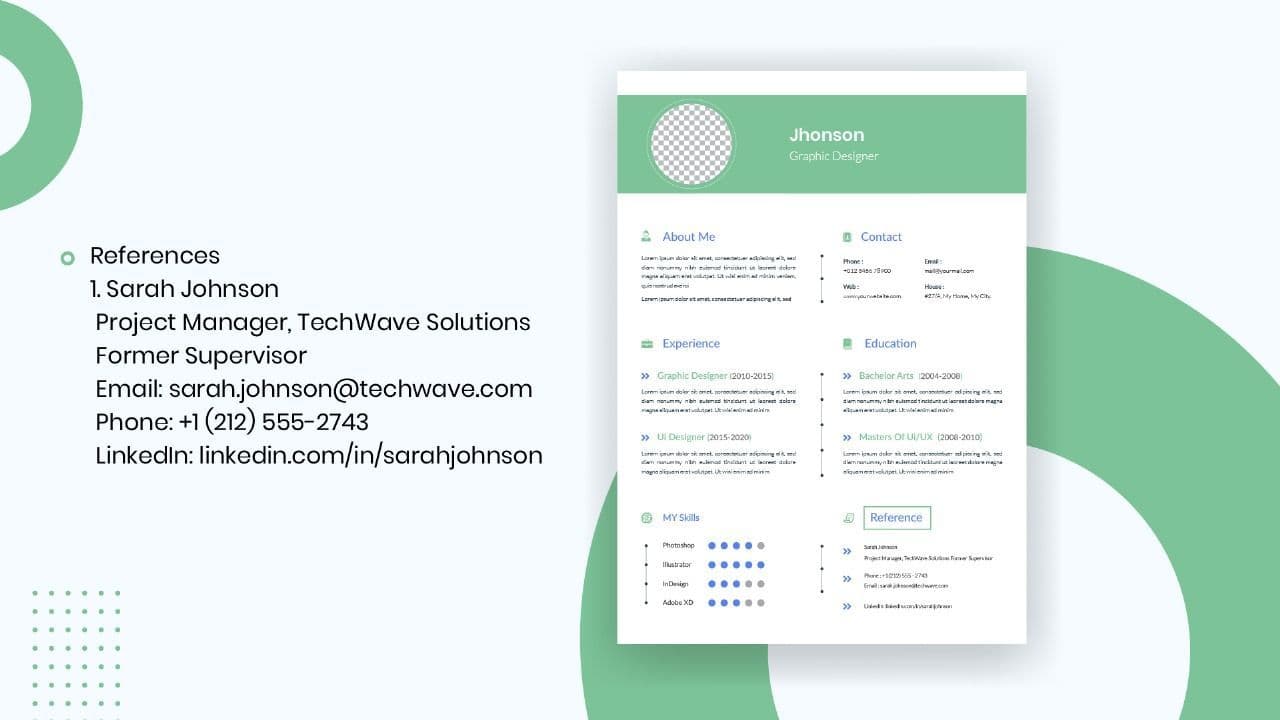
How to List References on a Resume in 2026
Learn the modern 2026 approach to listing references on your resume for maximum professionalism and recruiter impact.

Is Sound CV good for students and fresh graduates with no experience?
Sound CV is perfect for students and fresh graduates, helping them create professional resumes that highlight skills, projects, and potential even with little or no work experience.
Why Sound CV Is Different from Other AI Resume Builders
Sound CV stands out by creating job-focused, ATS-friendly resumes that highlight real achievements, not just generic content.
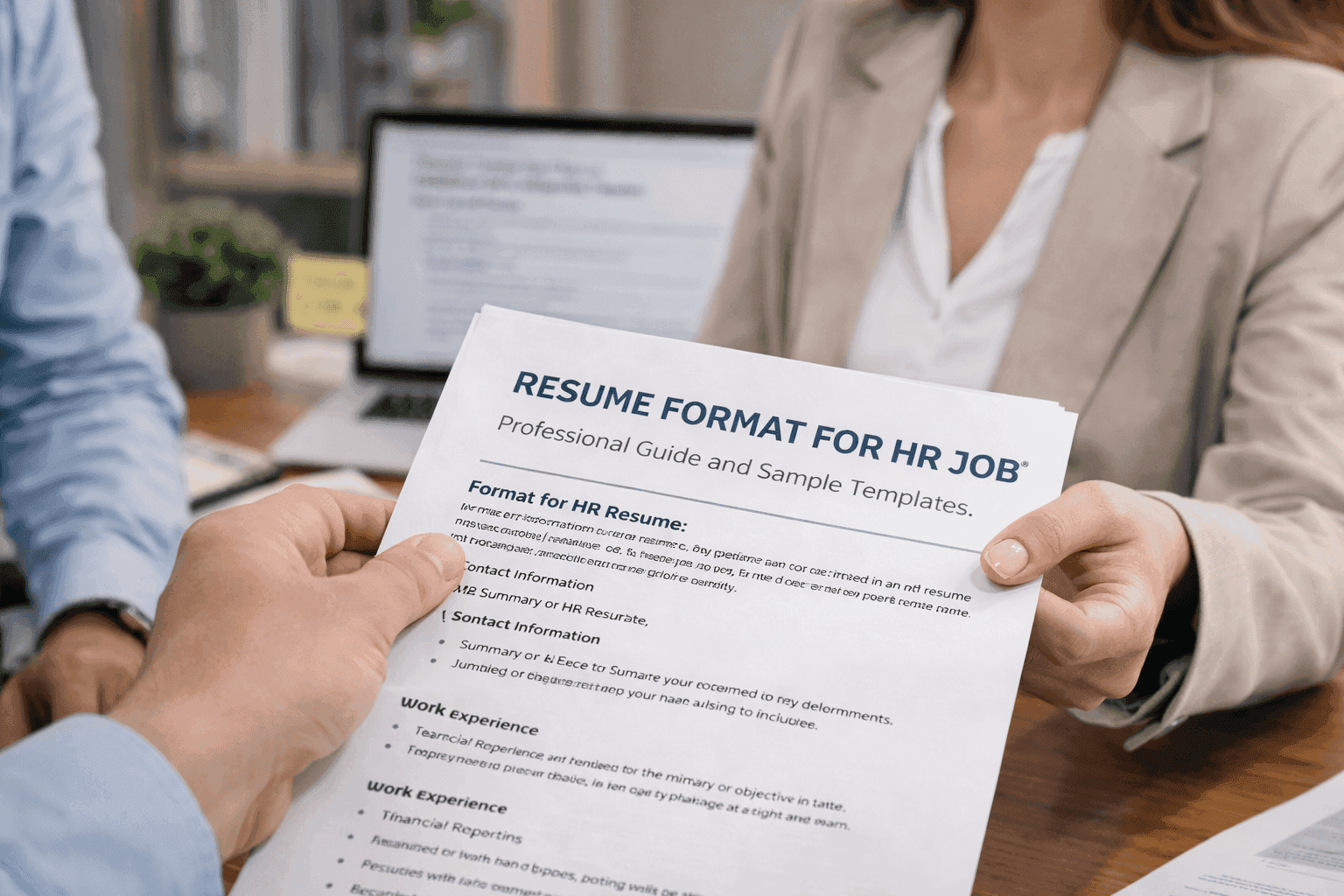
Resume Format for HR Job: Professional Guide and Sample Templates
A complete guide to the best resume format for HR jobs, with expert tips and sample templates to help you create a professional and job-ready resume.
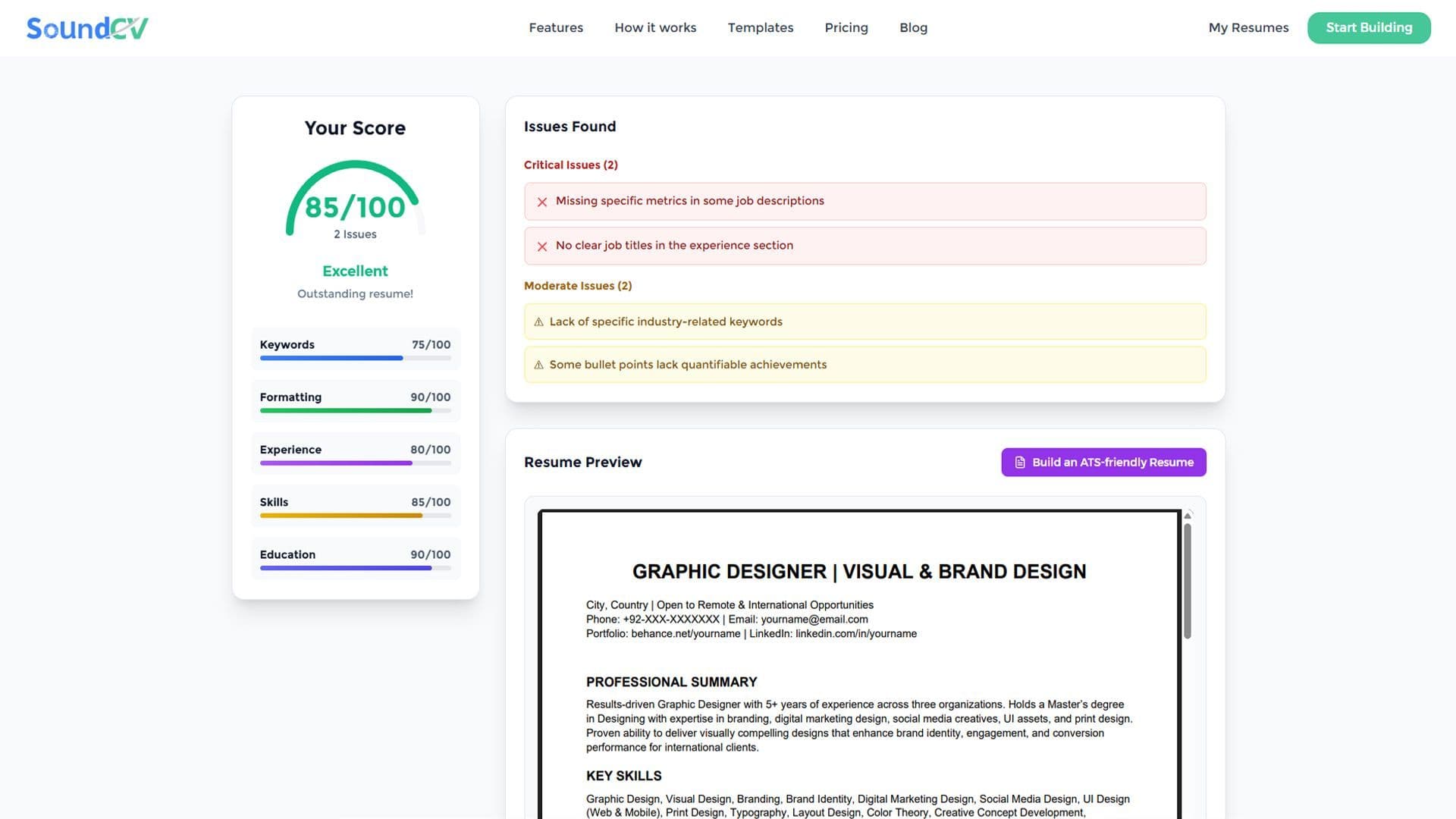
How Does the Sound CV Resume Score Checker Work?
The Sound CV Resume Score Checker analyzes your resume against ATS requirements, job-specific keywords, and structure to provide an instant, actionable score.
What Is a Sound CV? Features, Benefits, and How It Works
A Sound CV is an AI-powered resume that is tailored, ATS-optimized, and designed to showcase your skills and achievements to help you stand out to recruiters.