Top 5 Resume Formats for Freshers in 2026 (Best Layouts)
Explore the best resume formats for freshers to pass ATS screening and land your first job.
Overview
Choosing the right resume format is crucial for freshers in 2026. This guide explains the top 5 resume formats, when to use each, ATS compatibility tips, and how to present skills, education, and projects effectively to secure interviews and land your first professional job.
Entering the job market as a fresher can feel overwhelming. Most graduates face the same struggle: strong academic records or fresh skills but little to no formal work experience. The challenge isn’t ability; it’s presentation. A resume is your very first opportunity to show employers what you bring to the table, and choosing the right structure makes all the difference. Your layout determines how effectively your skills, education, projects, and internships are communicated to both recruiters and Applicant Tracking Systems (ATS).
Recruiters typically spend only 6–10 seconds scanning a resume initially. That means your resume format must highlight the most important information instantly or risk getting overlooked. In this guide, we break down the top 5 resume formats for freshers that work in 2026, explain when to use each format, and share tips to choose the best design for your career goals.
Key Points
Resume format directly affects ATS screening and recruiter visibility
Freshers should prioritize clean, ATS-safe layouts
Chronological format works best with internships or part-time experience
Functional and hybrid formats highlight skills and projects
ATS-optimized resumes deliver the highest shortlisting rates
Creative resumes should only be used for design-focused roles
One-page resumes are ideal for fresh graduates
Customizing resumes for each job improves interview chances
Why Resume Format Matters for Freshers
For fresh graduates entering the job market, resume format plays a far greater role than many realize. Resume design is not just about aesthetics it directly influences visibility, readability, and success through Applicant Tracking Systems (ATS). With little or no professional work experience, freshers must rely on strong formatting choices to ensure their skills, academic achievements, and learning experiences stand out to employers from the very first glance.
ATS Screening and Technical Visibility
Most companies today use ATS software to automatically screen resumes before they reach a recruiter’s desk. These systems scan documents for keywords, section structure, and formatting compatibility. If a resume contains complex layouts, excessive graphics, tables, columns, or unique fonts, the ATS may not correctly process the text. Important information can be misplaced or skipped entirely, resulting in rejection before human review—even if the candidate has excellent qualifications.
For this reason, freshers benefit most from simple, ATS-safe resume formats that prioritize clean headings, standard fonts, and consistent structure. A readable layout ensures both machines and people can properly interpret your profile.
Recruiter Psychology and First Impressions
Recruiters typically spend only a few seconds reviewing each resume during initial screening. They prefer documents that are easy to skim, visually organized, and professionally structured. Clean formatting helps key details such as skills, certifications, projects, and academic strengths stand out immediately. In contrast, cluttered designs or overly decorative styles slow visual processing and can frustrate busy recruiters. Simple bullet points, concise wording, and a logical section order increase the likelihood that your resume will make a positive first impression.
Highlighting Skills Over Experience
Because most freshers have limited formal job experience, resume formatting becomes crucial for presenting transferable skills and academic accomplishments effectively. The right format allows candidates to bring forward relevant coursework, internships, volunteer work, certifications, group projects, and technical competencies placing skill development on equal footing with employment history.
Formats such as functional or hybrid resumes shift attention away from a lack of job roles and instead showcase problem-solving abilities, teamwork experience, leadership achievements, and technical proficiency. Well-structured layouts also let freshers create standout profiles that demonstrate real-world readiness even without corporate employment backgrounds.
Structure Builds Confidence and Clarity
Using the correct resume structure ensures recruiters see your strengths immediately without searching. It helps guide the reader through your qualifications in a natural flow, allowing your story to unfold logically: who you are, what skills you bring, what you’ve accomplished academically or through projects, and why you’re ready to contribute professionally.
Ultimately, the right resume format does more than display information it positions freshers strategically for success. By combining ATS compatibility, recruiter-friendly design, and skill-focused presentation, graduates significantly strengthen their chances of receiving interview calls and landing their first professional opportunity.
Also Read : How to List Your Education on a Resume (Complete 2026 Guide)
Top 5 Resume Formats for Freshers
Here are the top 5 resume formats for freshers that align with hiring trends and recruiter preferences in 2026.
1. Chronological Resume Format
Best For
Freshers who have:
- Internships
- Part-time jobs
- Freelancing experience
Structure
- Contact details
- Career objective/profile summary
- Skills
- Work/internship experience
- Education
- Certifications/projects
How It Works
The chronological format lists experience in reverse order—most recent first. This format demonstrates career development, even with small work samples.
Pros
- Recruiter familiarity
- Simple ATS compatibility
- Shows growth and experience continuity
Cons
- Not ideal for candidates with no experience at all
Also Read : Words to Describe Yourself on a Resume (2026 ATS-Optimized Examples)
2. Functional Resume Format
Best For
Freshers with:
- Zero job history
- Strong coursework, certifications, or project experience
Structure
- Summary
- Core skills categories
- Academic & project accomplishments
- Education
How It Works
Instead of listing jobs, skills take center stage. Achievements appear under skill headings rather than job titles.
Pros
- Highlights abilities rather than experience gaps
- Emphasizes learning outcomes and projects
- ATS-friendly when properly structured
Cons
- Recruiters may prefer job experience sections
Also Read : New Teacher Resume With No Experience: Step-by-Step Guide & Examples
3. Combination (Hybrid) Resume Format
Best For
Freshers with:
- Projects plus internships
- Relevant volunteer work
Structure
- Summary
- Skills section
- Internship or experience section
- Education
- Certifications
How It Works
The hybrid format blends the skill emphasis of a functional resume with the experience structure of chronological layouts.
Pros
- Balanced approach
- Flexible for mixed profiles
- Strong ATS performance
Cons
- May exceed one page if not managed properly
Also Read : Technical Skills for a Resume in 2026: What Employers Want
4. ATS-Optimized Resume Format
Best For
Freshers applying online to:
- Corporate roles
- Multinational companies
- Banking, IT, marketing, healthcare fields
Structure
- Clean straightforward layout
- Traditional section headers
- No columns or graphics
How It Works
This format prioritizes ATS accuracy. It avoids design risks while maximizing keyword targeting for better screening success.
Pros
- Highest ATS compatibility
- Professional appearance
- Highest shortlisting rate
Cons
- Lacks creative flair
Also Read : Personal Details in Resume with Examples in 2026
5. Creative Resume Format
Best For
Freshers in:
- Graphic design
- Media production
- Marketing or branding roles
Structure
- Visual sections
- Icons or progress bars
- Portfolio link integration
How It Works
Creative resumes replace minimalism with visual flair to showcase creativity and personality.
Pros
- Makes immediate visual impact
- Ideal for creative industries
Cons
- Not ATS-friendly
- Risk of rejection by traditional employers
Also Read : How to Put References on a Resume (2026 Guide)
Best Resume Sections for Freshers
Regardless of format selection, strong resumes share consistent sections:
Header & Contact Info
Name, email, phone, LinkedIn.
Career Objective or Summary
A short paragraph outlining career goals and skill focus.
Skills Section
Include:
- Digital skills
- Communication skills
- Programming/tools
- Industry certifications
Education
List degree, institution, graduation year; add honors if applicable.
Projects & Internships
Describe accomplishments and tools used.
Certifications
Display technical or industry credentials.
Also Read : Best Resume Action Verbs for 2026 (ATS-Optimized Guide)
Common Resume Mistakes Freshers Should Avoid
Fresh graduates often unknowingly weaken their job applications by making avoidable resume mistakes. One major issue is overusing colors, graphics, and decorative designs. While creative layouts may look appealing, they can confuse Applicant Tracking Systems (ATS) and reduce readability for recruiters. Clean, minimal formatting ensures both machines and hiring managers can scan resumes easily.
Another frequent error is writing long paragraphs instead of concise bullet points. Recruiters skim resumes quickly, so bulky text blocks make important information harder to find. Bullet points present skills and achievements clearly, improving visibility and engagement.
Including irrelevant personal details is also a common mistake. Information such as marital status, personal photos (unless requested), hobbies unrelated to the job, or full home addresses wastes space and distracts from professional strengths.
Typos and grammar errors can instantly damage credibility. Even small mistakes convey a lack of attention to detail an important quality employers expect from candidates. Proofreading thoroughly before submitting any resume is essential.
Finally, many freshers make the mistake of sending the same generic resume to every employer. Each role requires customization for specific job keywords, skills, and responsibilities. A tailored resume demonstrates genuine interest and substantially improves matching accuracy.
A polished presentation combined with customized content and careful proofreading dramatically increases hiring chances and helps freshers stand out in competitive recruitment pools.
Tips to Choose the Best Resume Format
Selecting the right resume format is crucial for fresher job success. Use ATS-optimized resumes for most corporate and professional roles to ensure screening compatibility. If your work experience is limited, a functional format helps highlight skills and projects instead of job history. Choose a hybrid format when you have both internships and academic projects to present balanced qualifications. Reserve creative layouts only for design or media portfolios where visuals matter. Keep resumes one page long for entry-level positions and always use ATS-safe fonts such as Arial, Calibri, or Times New Roman. Avoid adding photos unless explicitly requested by employers to maintain profession alism.
Conclusion
Choosing the top 5 resume format for freshers in 2026 is about aligning layout with career goals while meeting recruiter and ATS expectations. Whether you select chronological, functional, hybrid, ATS-optimized, or creative designs depends on your industry and experience but clean ATS-friendly formats consistently deliver the highest interview success rates.
To simplify the process, platforms like Sound CV provide professionally designed resume templates specifically built to support fresh graduates. Sound CV helps candidates select the best layout, optimize skills sections for ATS screening, score keyword alignment, and customize summaries effortlessly allowing job seekers to focus on storytelling without struggling with formatting rules.
In today’s competitive hiring environment, resumes aren’t just documents, they're branding tools. With strategic format selection and smart tools like Sound CV, freshers gain the confidence and clarity needed to present themselves as job-ready professionals from day one.
FAQs
Frequently asked questions about this topic
Related Blogs
Explore more insights and guides you might like.
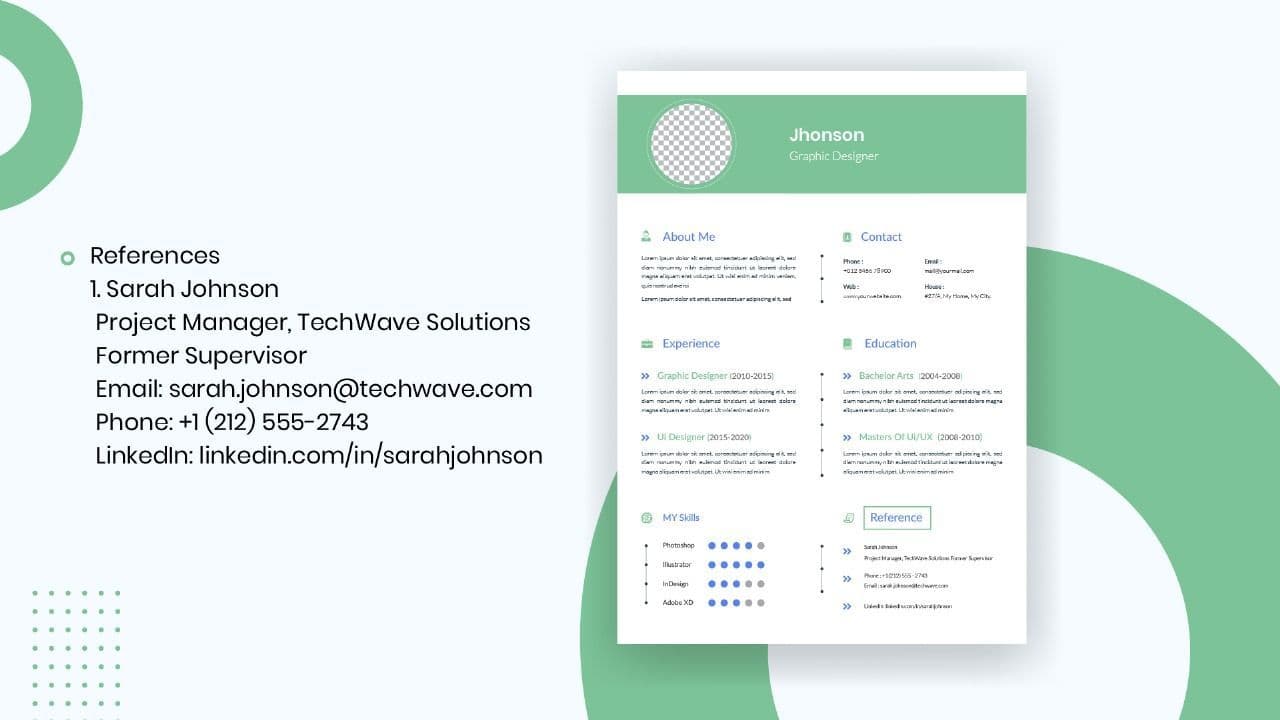
How to List References on a Resume in 2026
Learn the modern 2026 approach to listing references on your resume for maximum professionalism and recruiter impact.
Is Sound CV good for students and fresh graduates with no experience?
Sound CV is perfect for students and fresh graduates, helping them create professional resumes that highlight skills, projects, and potential even with little or no work experience.
Why Sound CV Is Different from Other AI Resume Builders
Sound CV stands out by creating job-focused, ATS-friendly resumes that highlight real achievements, not just generic content.
Resume Format for HR Job: Professional Guide and Sample Templates
A complete guide to the best resume format for HR jobs, with expert tips and sample templates to help you create a professional and job-ready resume.
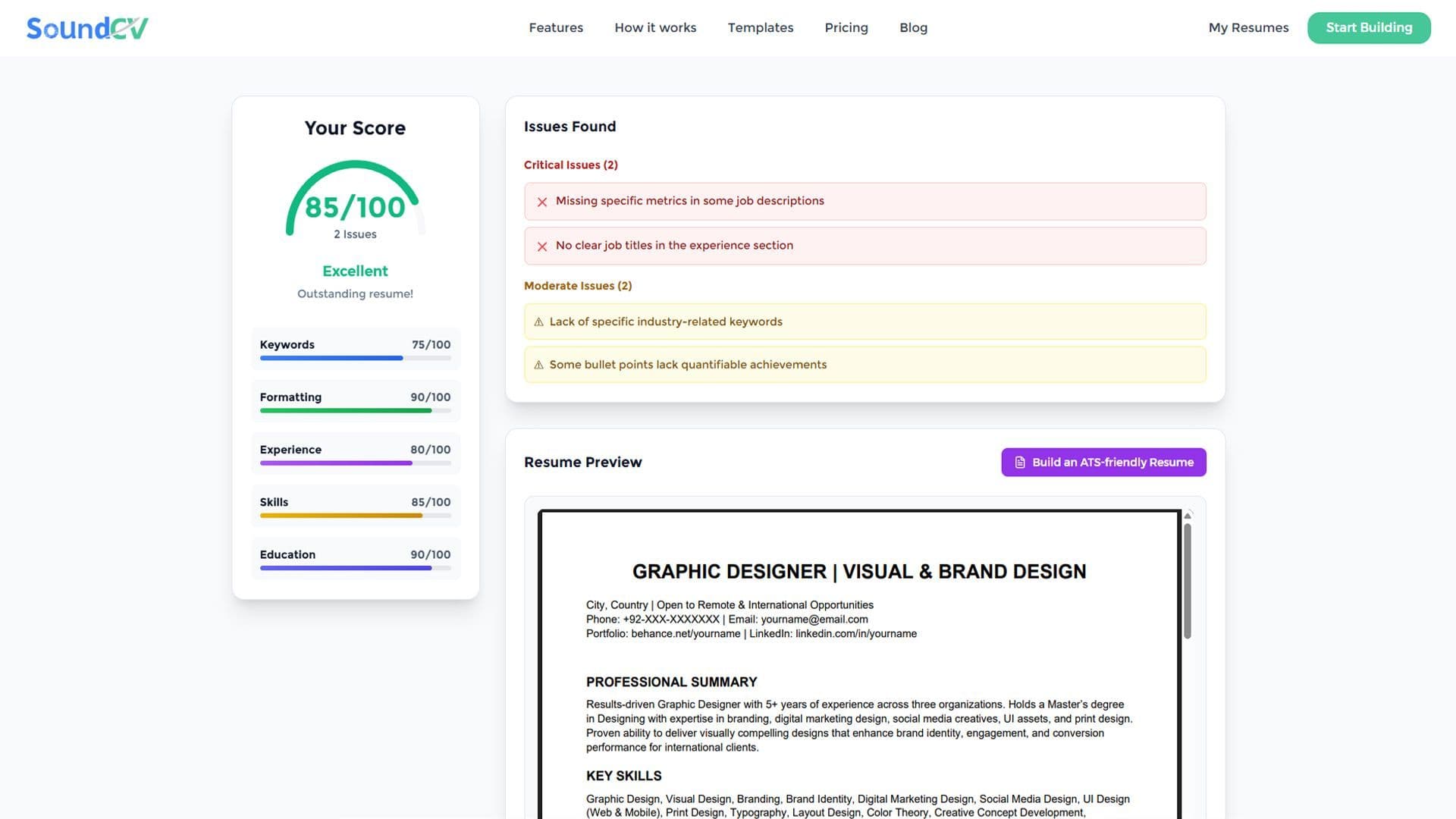
How Does the Sound CV Resume Score Checker Work?
The Sound CV Resume Score Checker analyzes your resume against ATS requirements, job-specific keywords, and structure to provide an instant, actionable score.
What Is a Sound CV? Features, Benefits, and How It Works
A Sound CV is an AI-powered resume that is tailored, ATS-optimized, and designed to showcase your skills and achievements to help you stand out to recruiters.