Is It Bad to Use a Resume Builder? Pros, Cons & Expert Advice (2026)
Resume builders in 2026 boost ATS success when customized properly, combining speed, structure, and professional clarity.
Overview
Using a resume builder in 2026 is not a disadvantage when done correctly. Modern tools enhance ATS compatibility, improve formatting, and save time. The key lies in customization—editing AI suggestions, tailoring resumes for each role, and maintaining a human voice. When used wisely, resume builders increase visibility and shortlisting chances.
Job seekers in 2026 are navigating an increasingly competitive recruitment landscape where automation plays a major role. With Applicant Tracking Systems (ATS) screening resumes before human review, candidates now rely heavily on digital tools to optimize their job applications. This shift has sparked a question asked by millions worldwide: is it bad to use a resume builder?
Some worry that using a resume builder may appear lazy or lead to generic results that cause rejection. Others believe recruiters disapprove of AI-assisted resumes. These concerns stem largely from outdated myths. When used correctly, modern resume builders can enhance resume quality, ATS compatibility, and professional presentation giving candidates a genuine competitive edge.
This comprehensive guide explores the truth behind resume builders, their advantages, drawbacks, and best practices for using them effectively in today’s job market.
Key Points
Resume builders are not bad when used correctly and thoughtfully
Modern tools are ATS-optimized and recruiter-friendly
AI helps improve formatting, clarity, and keyword alignment
Risks only arise when users don’t customize content
Platforms like Sound CV balance automation with personalization
What Is a Resume Builder?
A resume builder is a digital platform created to help job seekers design professional resumes quickly and efficiently. These tools use structured templates, step-by-step guidance, and increasingly advanced artificial intelligence technology to simplify the resume creation process while ensuring professional formatting and industry relevance. With resume builders, candidates no longer need to start from scratch or struggle with layout decisions—the platform provides built-in structure that enhances readability and consistency.
There are two main categories of resume builders available today:
1. Template-Based Resume Builders
These tools offer pre-designed resume layouts where users manually enter their information into standardized sections such as summaries, experience, skills, and education. While requiring more hands-on input, template builders simplify design concerns and ensure that resumes follow clean, professional formatting. They are ideal for candidates who want full control over wording while benefiting from layout guidance.
2. AI Resume Builders
Modern AI-powered resume builders go a step further by automating content creation and optimization. These platforms analyze job descriptions and employer requirements, extract relevant ATS keywords, and generate tailored resume sections automatically. This includes professionally written summaries, skills categories, and responsibility statements aligned with hiring expectations. AI builders also suggest strong action verbs, quantify achievements where appropriate, and modify wording to improve keyword match accuracy.
Well-known examples of resume builder platforms include Sound CV, Resume.io, Zety, and Enhancv, which offer varying levels of automation, customization, and ATS support.
AI resume builders specialize in:
- Keyword alignment for ATS screening, ensuring resumes match employer search terms
- Grammar, tone, and clarity improvements for better readability
- Professionally structured layouts that maintain ATS compatibility and visual professionalism
Overall, resume builders empower job seekers to create polished, optimized resumes efficiently while reducing formatting challenges and improving alignment with modern recruitment systems.
Also Read : Top 5 Resume Formats for Freshers in 2026 (Best Layouts)
Why People Ask: “Is It Bad to Use a Resume Builder?”
Despite rapid advancements in career technology, many job seekers still wonder “Is it bad to use a resume builder?” This question is mainly driven by lingering misconceptions rather than actual recruiter preferences. One common concern comes from recruiter myths—the belief that employers judge resumes negatively if they appear to be created with AI or resume-building tools. In reality, recruiters focus entirely on the quality, clarity, and relevance of the content, not on how it was written. As long as the resume is professional and accurate, the creation method is irrelevant.
Another fear centers on ATS compatibility. Candidates worry that pre-built templates or automated layouts might confuse applicant tracking systems. However, most modern resume builders are specifically designed with ATS parsing rules in mind. They often use cleaner formatting than manually created resumes, improving readability and keyword recognition rather than harming scan results.
Some applicants experience a fear of looking generic, assuming template-based designs result in identical resumes. This only occurs when users fail to customize the content. Templates provide structure, not uniform wording; any generic appearance is the result of skipping personalization, not a flaw of the tool itself.
Lastly, authorship anxiety concerns whether using AI is ethically questionable. Recruiters do not require candidates to handwrite resumes. They value accuracy, honesty, and relevance far more than writing origin. AI functions as an assistant, much like grammar-checking or formatting software, rather than a shortcut that compromises authenticity.
When used thoughtfully, resume builders enhance presentation without sacrificing personal voice or integrity.
Also Read : Is It Bad to Use a Resume Builder in 2026? Pros, Cons & Expert Advice
Advantages of Using a Resume Builder
When used properly, resume builders provide several key benefits.
Saves Time & Effort
Builders eliminate formatting struggles and content structuring challenges, allowing resumes to be created in minutes instead of hours.
ATS-Optimized Formatting
Most platforms use ATS-safe layouts that avoid tables, icons, and columns that commonly disrupt resume scanning.
Professional Templates
Design quality remains consistent across resumes, projecting a polished professional appearance without manual formatting skills.
Guided Content Prompts
Builders help candidates:
- Generate summaries easily
- Structure job responsibilities
- Suggest measurable achievements
Keyword Alignment
By extracting job posting keywords, AI improves resume matching scores—critical for ATS selection.
In modern hiring systems where accuracy and optimization matter more than handwriting originality, resume builders often enhance not diminish job prospects.
Also Read : Sample Resume for Bank Jobs (ATS-Friendly 2026 Guide)
Disadvantages of Resume Builders
Builders are not magic cures and have limitations.
Risk of Generic Content
Over-reliance on default suggestions may produce robotic language if editing is skipped.
Limited Personalization (If Unedited)
Templates initially standardize layouts personal branding requires manual customization.
Keyword Overstuffing
Some users add too many keywords to chase ATS matches, making resumes unreadable.
False Skill Inflation
AI suggestions sometimes overshoot experience levels, which can misrepresent abilities if not corrected.
Read more : Job Responsibilities Examples: A Simple Guide for 2026
When Using a Resume Builder Makes Sense
In many scenarios, resume builders offer the best solution.
Entry-Level & Internship Candidates
Beginners benefit from guidance to showcase transferable skills and academic experience properly.
Career Changers
AI builders translate transferable skills from past industries into new-role-friendly language.
High-Volume Job Seekers
Applicants submitting dozens of resumes efficiently benefit from quick tool-based customization.
Non-Native English Writers
Language correction tools improve grammar quality and communication clarity significantly.
Read More : How to Make a Student Resume (Complete 2026 Guide)
When You Should Be Cautious
Resume builders should be used more selectively for certain roles:
Senior Executive Positions
C-suite resumes require highly bespoke branding often better managed manually or via professional writers.
Creative Industries
Visual portfolios and custom designs may suffer restrictions imposed by standardized templates.
Highly Technical Fields
Deep technical roles sometimes require specialized documentation not fully captured by automated summaries.
Read More : How to List Your Education on a Resume (Complete 2026 Guide)
How to Use Resume Builders Effectively
The safest answer to is it bad to use a resume builder is:
Not at all if you use it wisely.
Customize Every Section
Manually edit default text to reflect:
- Actual accomplishments
- Specific skill levels
- Personal voice
Tailor Resumes for Each Job
Rebuild or adjust resumes per job posting to optimize keyword matching and relevance.
Balance Keywords Naturally
Include ATS keywords without repeating excessively.
Add Metrics
Support experience with numbers:
“Reduced processing time by 18%”
“Handled 100+ daily transactions”
Recruiter Perspective
Recruiters care about:
- Content relevance
- Skills matching
- Results & achievements
- Formatting readability
Not about creation methods.
They cannot detect whether AI was used and they don’t care if it was, as long as details are factual and resumes sound human.
Many corporate recruiters openly support resume builders because they standardize resume readability and ATS success rates.
Common Resume Builder Mistakes to Avoid
While resume builders can significantly improve the job application process, certain mistakes can reduce their effectiveness if users rely on them incorrectly. One of the most common errors is leaving default AI-generated text unchanged. Generic wording that isn’t personalized can sound robotic and fail to reflect your unique experience, making the resume less memorable to recruiters.
Another issue is keyword stuffing, where candidates overload resumes with repeated job posting terms to manipulate ATS rankings. This approach damages readability and may trigger ATS quality filters or recruiter disinterest. Maintaining a natural language flow is essential for credibility.
Skipping proofreading for grammar, clarity, and tone is another major mistake. Even with AI assistance, errors or awkward phrasing can slip through unnoticed. Poor grammar immediately weakens professional impression and reduces recruiter trust.
Many job seekers also make the mistake of using one generic resume for every application. Each role has specific requirements and expectations, so resumes must be customized for keywords, responsibilities, and skill priorities every time.
Finally, applicants often neglect to preview the layout before submission. Spacing errors, misaligned sections, or formatting inconsistencies can occur during export, especially between Word and PDF formats. These visual flaws may affect ATS parsing or recruiter perception.
Regardless of how powerful the resume builder is, these mistakes undermine its effectiveness. Success depends on combining automation with human review, customization, and accuracy checks to ensure resumes remain professional, readable, and tailored for each job opportunity.
Read More : Words to Describe Yourself on a Resume (2026 ATS-Optimized Examples)
Conclusion
So, is it bad to use a resume builder? The answer is a confident NO when used properly, resume builders can actually improve application success rates by combining professional formatting with ATS optimization and structured content guidance.
The key to effectiveness lies in balance using automation for efficiency while maintaining human creativity for storytelling. Fully customizing drafts ensures resumes don’t sound generic or over-mechanized, and tailoring each application protects authenticity.
Platforms like Sound CV exemplify responsible AI-powered career tools. Sound CV combines AI-powered optimization with ATS scoring, skill customization, and editable career storytelling templates helping candidates build professional resumes that are accurate, personalized, and recruiter-ready.
Rather than replacing authenticity, Sound CV enhances clarity and discoverability ensuring that technology empowers job seekers rather than replacing their voice.
In today’s competitive job market, using smart tools ethically and strategically is not only acceptable, it's essential.
FAQs
Frequently asked questions about this topic
Related Blogs
Explore more insights and guides you might like.
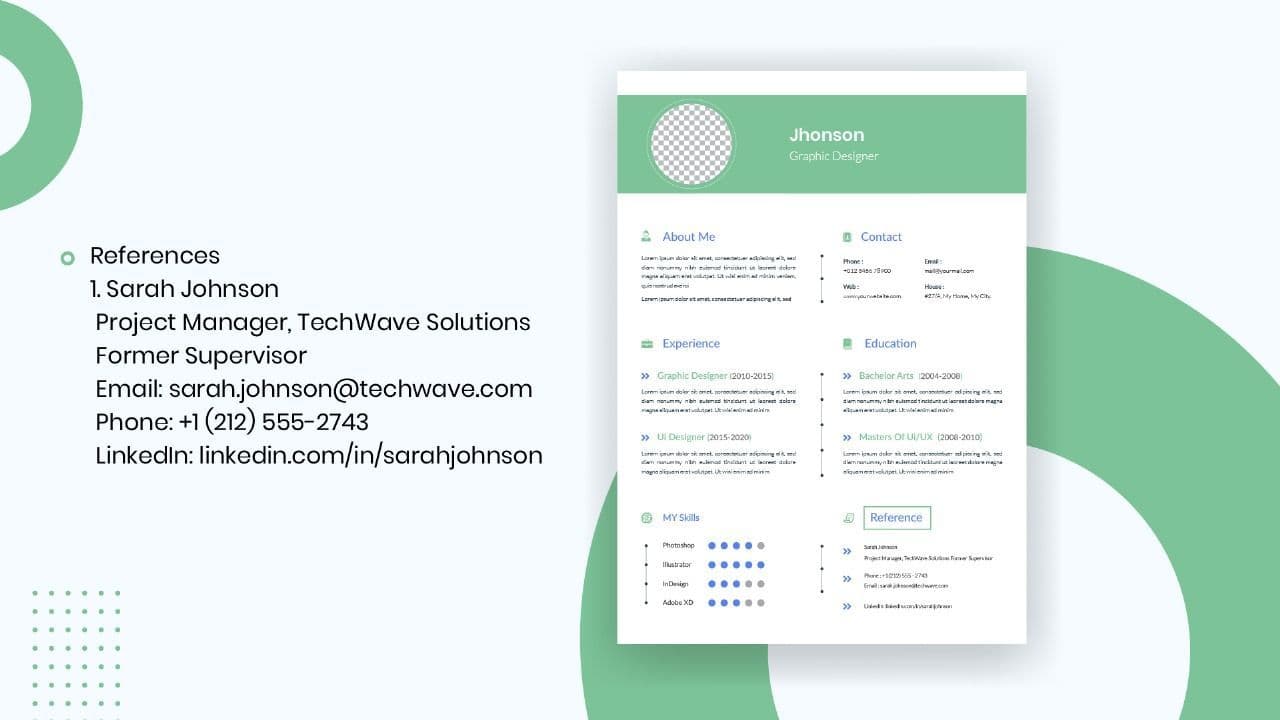
How to List References on a Resume in 2026
Learn the modern 2026 approach to listing references on your resume for maximum professionalism and recruiter impact.
Is Sound CV good for students and fresh graduates with no experience?
Sound CV is perfect for students and fresh graduates, helping them create professional resumes that highlight skills, projects, and potential even with little or no work experience.
Why Sound CV Is Different from Other AI Resume Builders
Sound CV stands out by creating job-focused, ATS-friendly resumes that highlight real achievements, not just generic content.
Resume Format for HR Job: Professional Guide and Sample Templates
A complete guide to the best resume format for HR jobs, with expert tips and sample templates to help you create a professional and job-ready resume.
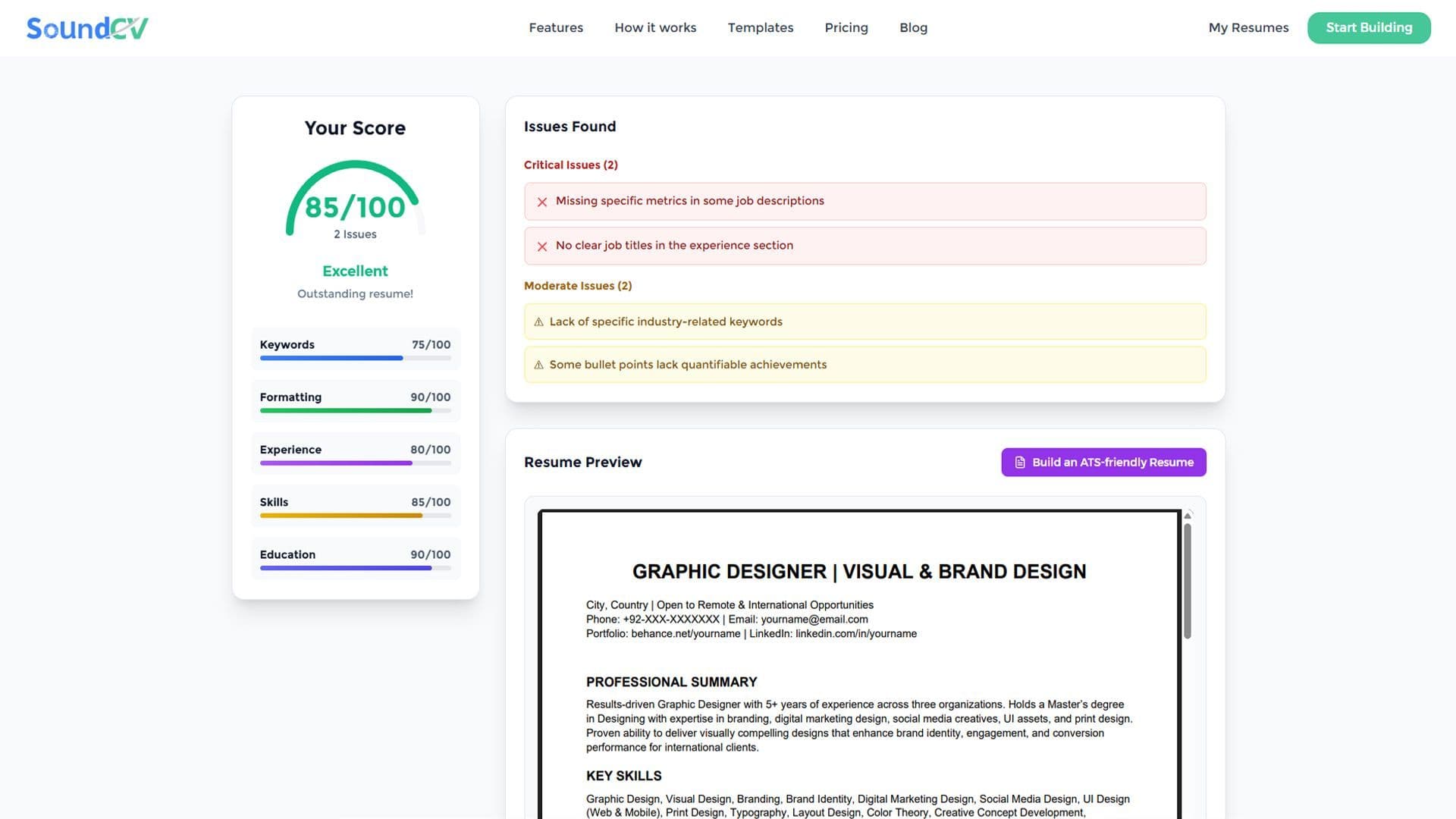
How Does the Sound CV Resume Score Checker Work?
The Sound CV Resume Score Checker analyzes your resume against ATS requirements, job-specific keywords, and structure to provide an instant, actionable score.
What Is a Sound CV? Features, Benefits, and How It Works
A Sound CV is an AI-powered resume that is tailored, ATS-optimized, and designed to showcase your skills and achievements to help you stand out to recruiters.