Technical Skills for a Resume in 2026: What Employers Want
Learn which technical skills employers want in 2026. Discover ATS-optimized resume skills, AI tools, data platforms, and job-specific technologies to get hired faster.
Overview
Discover the most in-demand technical skills employers want in 2026. This complete guide explains ATS-optimized resume skills, AI and automation tools, data analytics platforms, and industry-specific technologies. Learn how to choose, format, and update technical skills to pass applicant tracking systems and stand out to recruiters across modern industries.
In today’s digital-first job market, technical skills are no longer optional; they're essential. Nearly every industry relies on technology, automation, and data-driven workflows to operate efficiently. Whether you are applying for roles in IT, education, healthcare, marketing, finance, or customer support, employers now expect candidates to demonstrate a solid foundation of technical ability. With the growing use of Applicant Tracking Systems (ATS) and AI-powered hiring tools, your resume must feature relevant technical skills that match modern job requirements to remain competitive in 2026.
Employers are not just looking for degrees, they want proof that you can work with current tools, technologies, and platforms that power daily business operations. Technical skills also show adaptability and continuous learning two qualities in high demand as AI and automation reshape the workforce. Candidates who regularly update their skill sets gain a clear advantage in interviews and algorithm-based screenings alike.
In this guide, we’ll explore what technical skills actually mean, why they matter more than ever, which tools employers prioritize, how to select the right skills for your resume, and how to format your technical skills section to maximize ATS success. Whether you are a student, career changer, or experienced professional, this step-by-step resource will help you showcase the skills employers most want in 2026.
Key Points
- Technical skills are job-specific, measurable abilities employers actively screen for
- ATS systems prioritize resumes with exact skill keywords from job descriptions
- Employers value current tools, platforms, and technologies, not just degrees
- In-demand skills include data, AI, automation, cloud, and digital tools
- Choose skills based on relevance, not quantity
- Group skills by category for ATS-friendly formatting
- Pair skills with real-world examples to show impact
- Update your technical skills every 6–12 months to stay competitive
What Are Technical Skills on a Resume?
Technical skills are job-specific abilities and practical tool proficiencies that enable you to perform the tasks required for a given role. Unlike soft skills such as communication, leadership, or teamwork technical skills are measurable, teachable, and directly applicable to daily job functions. Employers use these skills to assess whether a candidate can immediately contribute using the tools and technologies their business relies on. In today’s competitive hiring environment, especially in 2026, technical skills often serve as the primary filters used by Applicant Tracking Systems (ATS) and recruiter screenings.
These abilities demonstrate your hands-on competence and readiness for modern work environments. Whether you are entering the workforce or advancing your career, clearly presenting your technical skills helps employers quickly understand how your expertise aligns with job requirements.
Common examples of technical skills include programming languages such as Python or JavaScript for development roles; data analysis tools like Excel, SQL, and Power BI for business and analytics positions; CRM platforms such as Salesforce or HubSpot for sales and customer service roles; design software including Adobe Photoshop, Illustrator, or Canva for creative professionals; marketing analytics tools like Google Analytics or SEMrush for digital marketing positions; and office and productivity applications such as Microsoft 365, Google Workspace, and project management platforms used across most industries.
Presenting these skills accurately and strategically ensures your resume highlights your practical value to potential employers.
Also Read : Best Resume Action Verbs for 2026 (ATS-Optimized Guide)
Why Employers Prioritize Technical Skills
Employers prioritize technical skills because modern workplaces rely heavily on technology to operate efficiently and competitively. Businesses use digital tools to improve productivity, automate routine tasks, track performance metrics, analyze data for better decision-making, and maintain strong cybersecurity standards. Employees who already possess relevant technical skills can begin contributing almost immediately without requiring extensive training or onboarding. This saves companies both time and operational costs while reducing errors and productivity gaps. As technology continues to expand across all industries, hiring candidates with proven technical proficiency ensures smoother workflows, faster adaptation to new systems, and a stronger overall workforce ready to meet evolving business demands.
Why Technical Skills Matter More Than Ever in 2026
Workplace Digitization
Remote work and cloud platforms dominate business operations. Employees must be fluent in online collaboration tools, digital workflow systems, and productivity platforms.
AI and Automation Growth
Familiarity with AI tools and automation software has become a highly marketable asset. Candidates who understand how to work alongside AI are seen as future-ready employees.
ATS Screening
Over 90% of medium and large companies now use Applicant Tracking Systems to filter resumes. ATS platforms prioritize resumes that contain technical skills keywords listed in job descriptions.
Hyper-Specialization
Employers seek candidates who bring niche technical skills tailored to their industry rather than broad generic abilities.
Also Read : How to Use ChatGPT to Write a Resume: A Complete Step-by-Step Guide
Top Technical Skills Employers Want in 2026
Technology & IT Skills
Even non-tech roles benefit from IT literacy.
Most demanded skills:
- Python, JavaScript, and HTML/CSS
- Cloud platforms (AWS, Microsoft Azure)
- Network troubleshooting basics
- Cybersecurity awareness
- Website content management systems (WordPress, Webflow)
Who needs them:
Web developers, digital marketers, systems analysts, eCommerce managers.
Data & Analytics Skills
Data fluency is critical in decision-making roles.
Common data tools:
- Microsoft Excel (advanced functions & pivot tables)
- SQL database querying
- Tableau or Power BI dashboards
- Google Analytics
- Python/R data reporting scripts
Who needs them:
Marketing managers, financial analysts, HR specialists, operations teams.
AI & Automation Skills
Automation reduces manual workloads and increases efficiency.
AI-related skills:
- Prompt engineering for AI tools
- ChatGPT and AI workflow integration
- No-code automation platforms (Zapier, Make)
- Chatbot management systems
- CRM automation platforms
Who needs them:
Sales teams, marketing professionals, administrative managers.
Marketing & Digital Skills
Tools & platforms:
- SEO tools (Ahrefs, SEMrush)
- PPC ad dashboards
- Social media management platforms
- Email marketing tools (Mailchimp, Klaviyo)
- Website analytics tracking
Who needs them:
Content marketers, brand strategists, eCommerce professionals, freelancers.
Business & Office Technology Skills
Essential platforms:
- Microsoft 365 / Google Workspace
- Project management platforms (ClickUp, Monday)
- Remote collaboration tools (Slack, Zoom)
- CRM platforms (Salesforce)
Who needs them:
Administrative coordinators, operations managers, remote team managers.
Also Read : Top AI Skills Employers Want on Your Resume in 2026
Industry-Specific Technical Skills
Education & Teaching
- Learning Management Systems (Google Classroom, Canvas)
- Smartboard and presentation tools
- Zoom LMS integrations
- Digital assessment apps
Healthcare
- EMR systems
- Patient record digitization tools
- Diagnostic management software
- Telemedicine platforms
Finance
- QuickBooks
- Excel financial modeling
- SAP or Oracle accounting systems
- Financial forecasting software
How to Choose the Right Technical Skills for Your Resume
Analyze Job Descriptions
Study 3–5 similar job postings to locate repeated tool requirements.
Match Keywords Exactly
Use the same terminology employers list to pass ATS filters.
Focus on Relevance
List only skills directly connected to job responsibilities.
Avoid Inflated Skill Lists
Quality beats quantity—10 strong skills matter more than 30 generic ones.
Also Read : What Is the Purpose of a Resume? (Complete Guide 2026)
How to Format Technical Skills on Your Resume
Best Skill Section Structure
Group skills by category to increase ATS readability:
Technical Skills
- Data Analytics: Excel, SQL, Tableau
- AI Tools: ChatGPT, Zapier workflows
- Marketing Tools: SEMrush, Google Ads
- Office Software: Microsoft Word, PowerPoint
Integrate with Experience
Add skills within bullet points under achievements to demonstrate application:
Created automated email reporting workflow using Zapier, reducing administrative workload by 30%.
Skills vs Certifications
When Skills Alone Are Enough
Software familiarity and platform knowledge often suffice for junior or support roles.
When Certifications Are Required
Highly technical roles may demand credentials:
- AWS Cloud Practitioner
- Google Data Analytics Certificate
- PMP
- CompTIA IT Fundamentals
Use both when possible skills + certification = proof + credibility.
Also Read : How to List Publications on a Resume (Examples & Format Guide)
Common Technical Skill Mistakes to Avoid
Listing outdated tools (Internet Explorer, Windows XP)
Writing vague abilities (“computer skills”)
Adding skills you cannot demonstrate
Copy-pasting untested keyword lists
Ignoring digital competency expectations
How to Build Technical Skills Quickly
Online Courses
- Coursera
- Udemy
- LinkedIn Learning
- Google Digital Garage
Practice Projects
Apply tools to real tasks:
- Build websites
- Analyze datasets
- Run small marketing campaigns
Earn Certifications
Certifications strengthen resume credibility and demonstrate commitment to skill growth.
Also Read : Can AI Help You Write a Better Resume? Benefits, Tools & Tips
Sample Technical Skills Resume Section (2026 Format)
Technical Skills
- Data Analysis: Excel, SQL, Google Analytics
- AI Tools: Prompt engineering, ChatGPT workflow automation
- Marketing Platforms: SEMrush, Klaviyo, Meta Ads Manager
- Business Software: ClickUp, Microsoft 365, Salesforce CRM
Conclusion
In 2026, technical skills are at the core of hiring decisions across nearly every industry. Employers increasingly seek candidates who can confidently work with digital tools, data platforms, automation systems, and AI-driven technologies that drive modern workplaces. A well-crafted technical skills section on your resume is no longer a simple add-on it is a key factor that determines whether your application passes ATS screening and captures recruiter attention.
Success begins with choosing the right skills, not the most skills. Focus on tools and abilities that directly align with your target role, using the exact keywords found in job descriptions to maximize ATS compatibility. Pair your skills list with examples of real-world usage whenever possible, demonstrating how you applied those tools to solve problems, streamline processes, or improve results. This approach transforms a simple list into proof of professional impact.
Continuous learning is equally important. Technology evolves fast, and employers value candidates who show initiative by updating their skills through online courses, certifications, and hands-on projects. Regularly reviewing and refining your resume every 6 to 12 months ensures that your technical profile stays relevant and competitive.
Whether you’re a beginner building your first skill set or an experienced professional expanding into new technical domains, your ability to adapt and learn is a powerful advantage. By following the strategies outlined in this guide selecting in-demand skills, formatting them clearly, and aligning them with employer expectations you position yourself as a forward-ready candidate with the tools, mindset, and credibility needed to succeed in the rapidly changing job market of 2026 and beyond.
FAQs
Frequently asked questions about this topic
Related Blogs
Explore more insights and guides you might like.
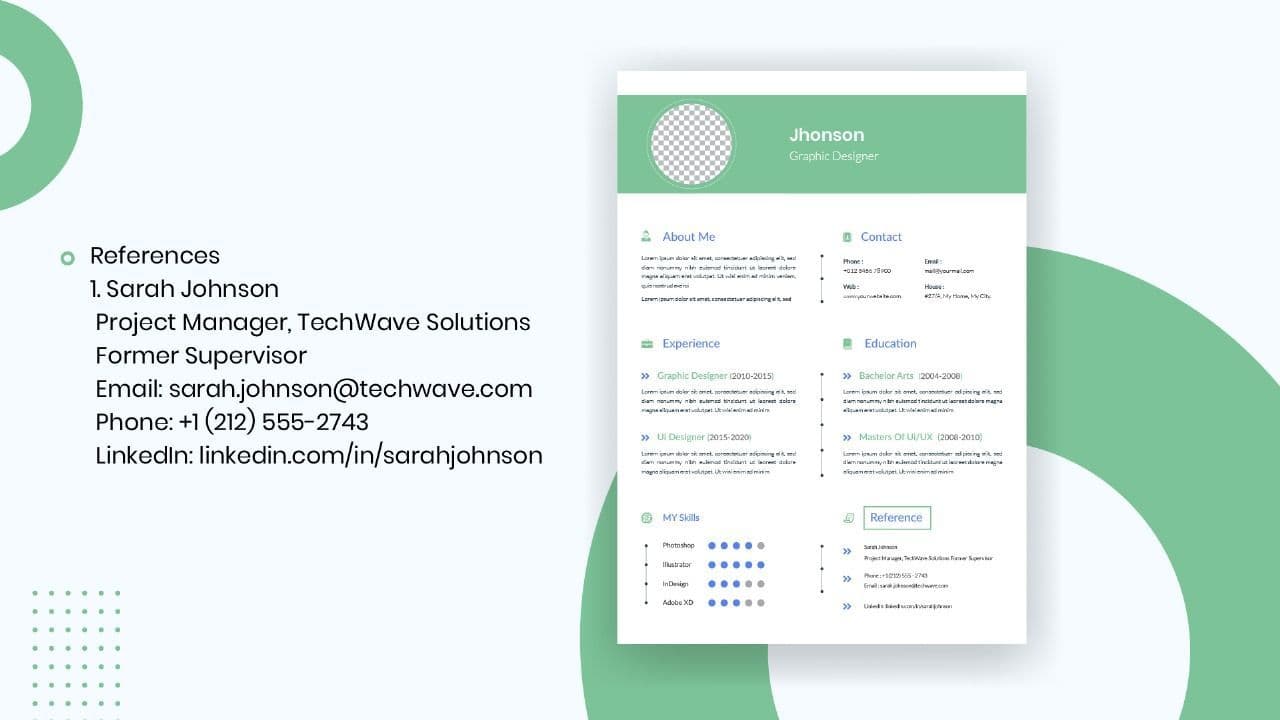
How to List References on a Resume in 2026
Learn the modern 2026 approach to listing references on your resume for maximum professionalism and recruiter impact.
Is Sound CV good for students and fresh graduates with no experience?
Sound CV is perfect for students and fresh graduates, helping them create professional resumes that highlight skills, projects, and potential even with little or no work experience.
Why Sound CV Is Different from Other AI Resume Builders
Sound CV stands out by creating job-focused, ATS-friendly resumes that highlight real achievements, not just generic content.
Resume Format for HR Job: Professional Guide and Sample Templates
A complete guide to the best resume format for HR jobs, with expert tips and sample templates to help you create a professional and job-ready resume.
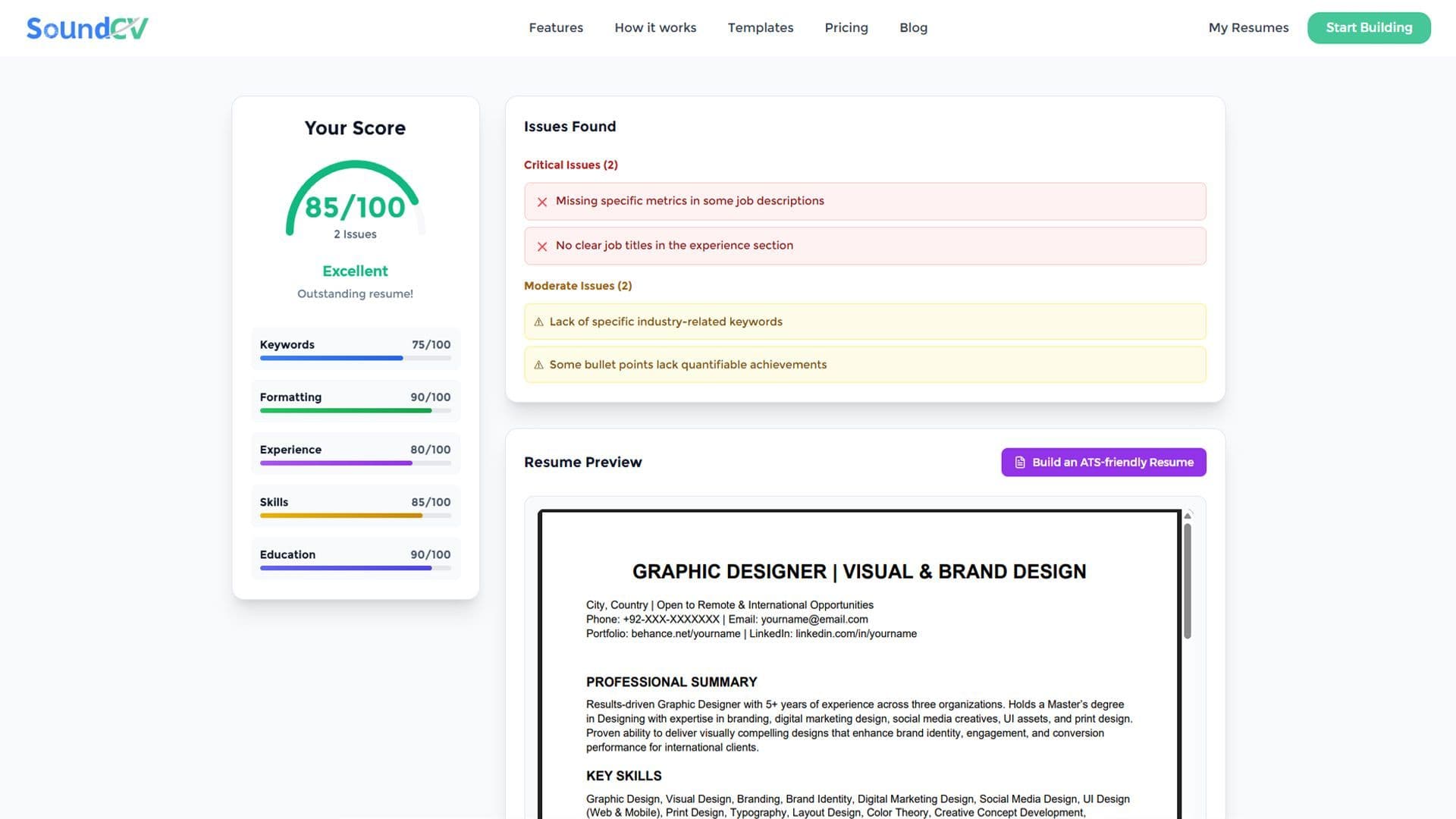
How Does the Sound CV Resume Score Checker Work?
The Sound CV Resume Score Checker analyzes your resume against ATS requirements, job-specific keywords, and structure to provide an instant, actionable score.

What Is a Sound CV? Features, Benefits, and How It Works
A Sound CV is an AI-powered resume that is tailored, ATS-optimized, and designed to showcase your skills and achievements to help you stand out to recruiters.