Hard Skills vs Soft Skills: Key Differences, Examples & Use Cases (2025)
Hard skills and soft skills play equally important roles in career success. While hard skills demonstrate your technical expertise and job readiness, soft skills reflect how effectively you work with others, solve problems, and adapt to change. This guide explains the key differences between hard skills vs soft skills, provides real-world examples, and shows how to highlight both on your resume to stand out in today’s competitive job market.
Overview
Hard skills and soft skills are both essential for career success in today’s competitive job market. Hard skills represent the technical, measurable abilities required to perform specific tasks, while soft skills reflect how effectively you communicate, collaborate, and adapt in the workplace. This guide explains the key differences between hard skills vs soft skills, highlights practical examples across industries, and shows how to showcase both on your resume. Mastering the right balance of technical expertise and interpersonal abilities helps professionals not only secure jobs but also grow, lead, and succeed long term.
In today’s competitive job market, technical ability alone isn’t enough to stand out. Employers now value a balance of hard skills and soft skills the perfect blend of technical expertise and interpersonal abilities. Whether you’re updating your resume, preparing for an interview, or building a new career, understanding the distinction between the two is essential.
This guide breaks down hard skills vs soft skills, explains the difference between soft skills and hard skills, and provides real-world examples to help you showcase both effectively in your career.
Key Points: Hard Skills vs Soft Skills
Hard skills are technical, measurable abilities learned through education, training, or experience
Soft skills are interpersonal traits that influence how you communicate, collaborate, and adapt
Hard skills are job-specific (e.g., coding, accounting, design), while soft skills are transferable across roles
Employers value a balance of both skills for long-term success
Hard skills help you qualify for a role, soft skills help you perform, grow, and lead
Skills should be showcased across your resume, experience section, and summary, not just listed
The most employable professionals in 2025 combine technical expertise with emotional intelligence
Continuous learning is essential to keep both hard and soft skills relevant
What Are Hard and Soft Skills?
Before diving into differences, let’s define what these terms mean.
Hard Skills
Hard skills are the measurable, teachable abilities you gain through education, training, or experience. These are the technical competencies that can be tested, quantified, or certified.
Examples of hard skills include:
- Computer programming (Python, Java, SQL)
- Data analysis and Excel proficiency
- Graphic design using Adobe tools
- Accounting and financial reporting
- Copywriting and SEO optimization
- Machine operation or technical repair
Hard skills are typically job-specific and are listed in your resume’s “Technical Skills” section.
Soft Skills
Soft skills, on the other hand, are interpersonal and behavioral traits that shape how you interact and work with others. They define your emotional intelligence, communication, and adaptability qualities that make you a good teammate or leader.
Examples of soft skills include:
- Communication and teamwork
- Leadership and decision-making
- Problem-solving and creativity
- Time management
- Empathy and emotional intelligence
While hard skills help you do the job, soft skills determine how well you perform it and collaborate with others.
Also Read : What Is a Sound CV? Features, Benefits, and How It Works
Hard Skills vs Soft Skills: The Key Differences
Here’s a clear comparison to help you understand the difference between soft skills and hard skills:
Both are essential for professional success hard skills get you the job, but soft skills help you grow within it.
Why Both Skill Types Matter
Employers today seek balance. Having only one set of skills isn’t enough.
- Hard skills ensure you can complete your assigned tasks efficiently.
- Soft skills ensure you can communicate, collaborate, and adapt in a changing workplace.
For example, a digital marketer might have hard skills like “SEO and data analytics” but also needs soft skills like “creativity and communication” to create effective campaigns. Similarly, an engineer might excel in “CAD design” but must also be skilled in “team collaboration” to complete projects successfully.
In 2025 and beyond, the most employable professionals are those who can combine technical knowledge with strong people skills.
Real-Life Examples of Hard and Soft Skills in Action
Here’s how both skill types come together in real-world scenarios:
Example 1: Graphic Designer
- Hard skills: Adobe Photoshop, Illustrator, UI/UX design
- Soft skills: Creativity, collaboration, attention to detail
- Use Case: Designing visual campaigns that meet client expectations while working effectively with a creative team.
Example 2: Software Developer
- Hard skills: Coding (Python, C++), debugging, database management
- Soft skills: Problem-solving, adaptability, teamwork
- Use Case: Developing user-friendly applications under tight deadlines while coordinating with other developers.
Example 3: Customer Support Executive
- Hard skills: CRM tools, data entry, reporting
- Soft skills: Patience, empathy, active listening
- Use Case: Handling customer complaints efficiently and maintaining positive relationships.
Example 4: Sales Representative
- Hard skills: Product knowledge, sales forecasting, CRM usage
- Soft skills: Persuasion, confidence, communication
- Use Case: Meeting targets while building long-term customer loyalty through trust and clarity.
These examples show that success comes from using both sets of skills together.
How to Showcase Hard and Soft Skills on a Resume
To impress recruiters, blend both skill types naturally throughout your resume.
1. Skills Section
Create separate sections or combine both:
Example:
- Technical Skills: MS Excel, Data Analysis, Power BI
- Soft Skills: Communication, Leadership, Time Management
2. Experience Section
Instead of just listing skills, show them through results:
“Collaborated with a cross-functional team to design a new reporting system (soft skill: teamwork), increasing data accuracy by 30% (hard skill: data analysis).”
3. Summary Section
Use your introduction to show balance:
“Result-oriented project coordinator skilled in data management, communication, and cross-team collaboration.”
Recruiters love seeing candidates who combine efficiency with emotional intelligence.
How to Develop Hard and Soft Skills
To Build Hard Skills:
- Take online courses (Coursera, LinkedIn Learning, Uacademy).
- Earn certifications or attend workshops.
- Practice technical skills daily (coding, design, analysis).
To Strengthen Soft Skills:
- Join group projects or volunteer programs.
- Read books on emotional intelligence or leadership.
- Ask for feedback from mentors or colleagues.
- Practice communication through public speaking or writing.
Pro Tip: Continuous learning ensures you remain adaptable in any professional environment.
Final Thoughts
The debate of hard skills vs soft skills isn’t about choosing one over the other it’s about mastering both. Hard skills prove your competence, while soft skills reveal your character.
A professional with both can not only complete tasks but also lead, inspire, and adapt. In an evolving job market, companies increasingly prefer employees who combine expertise with empathy.
“Hard skills may get your foot in the door, but soft skills help you stay and grow.”
Start by evaluating your strengths, identify areas for improvement, and actively develop both skill types. When your technical expertise meets your human touch, success naturally follows.
FAQs
Frequently asked questions about this topic
Related Blogs
Explore more insights and guides you might like.
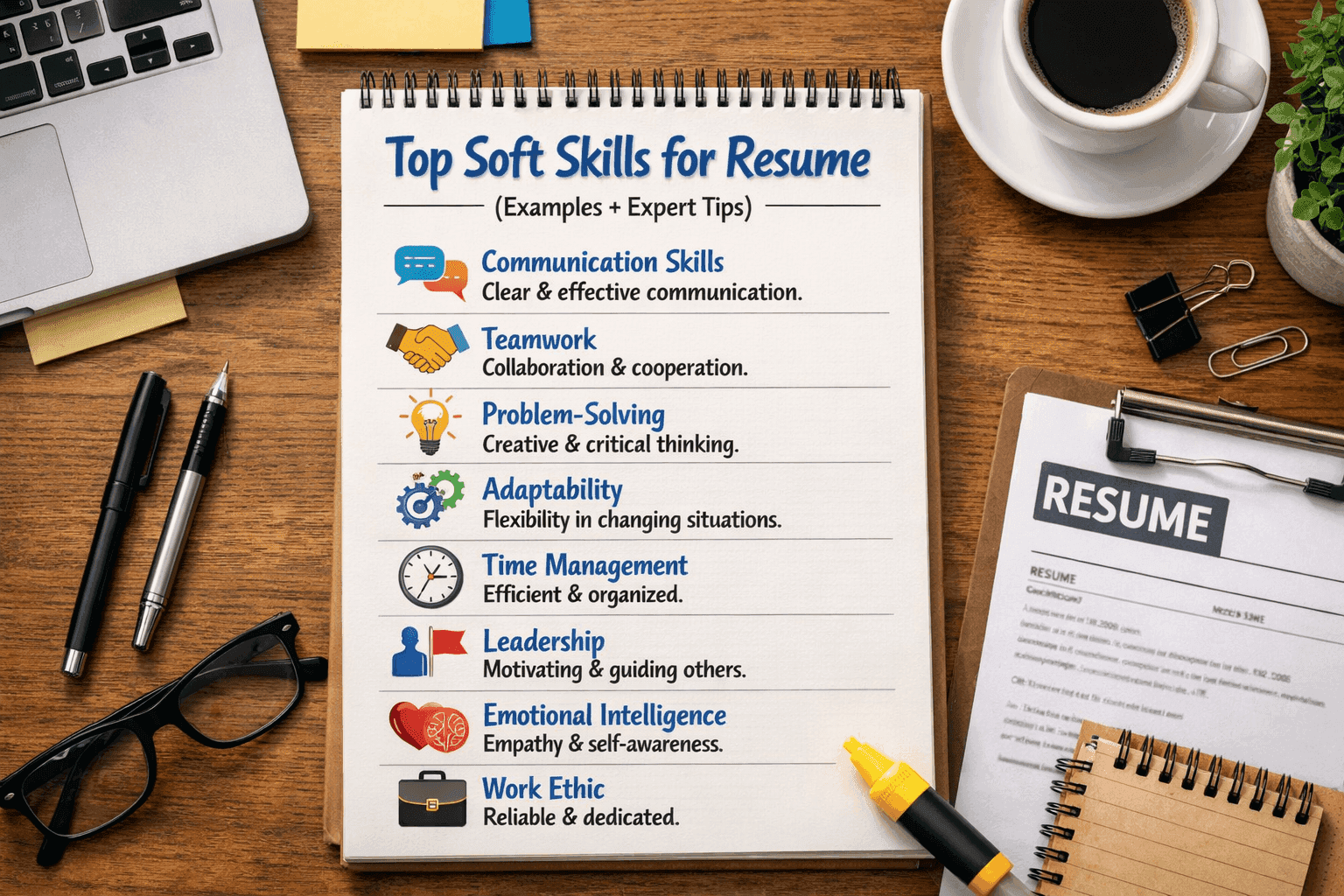
Top Soft Skills for Resume in 2026 (Examples + Expert Tips)
Learn the best soft skills for resume success in 2026 with examples, expert tips, and proven strategies to stand out.
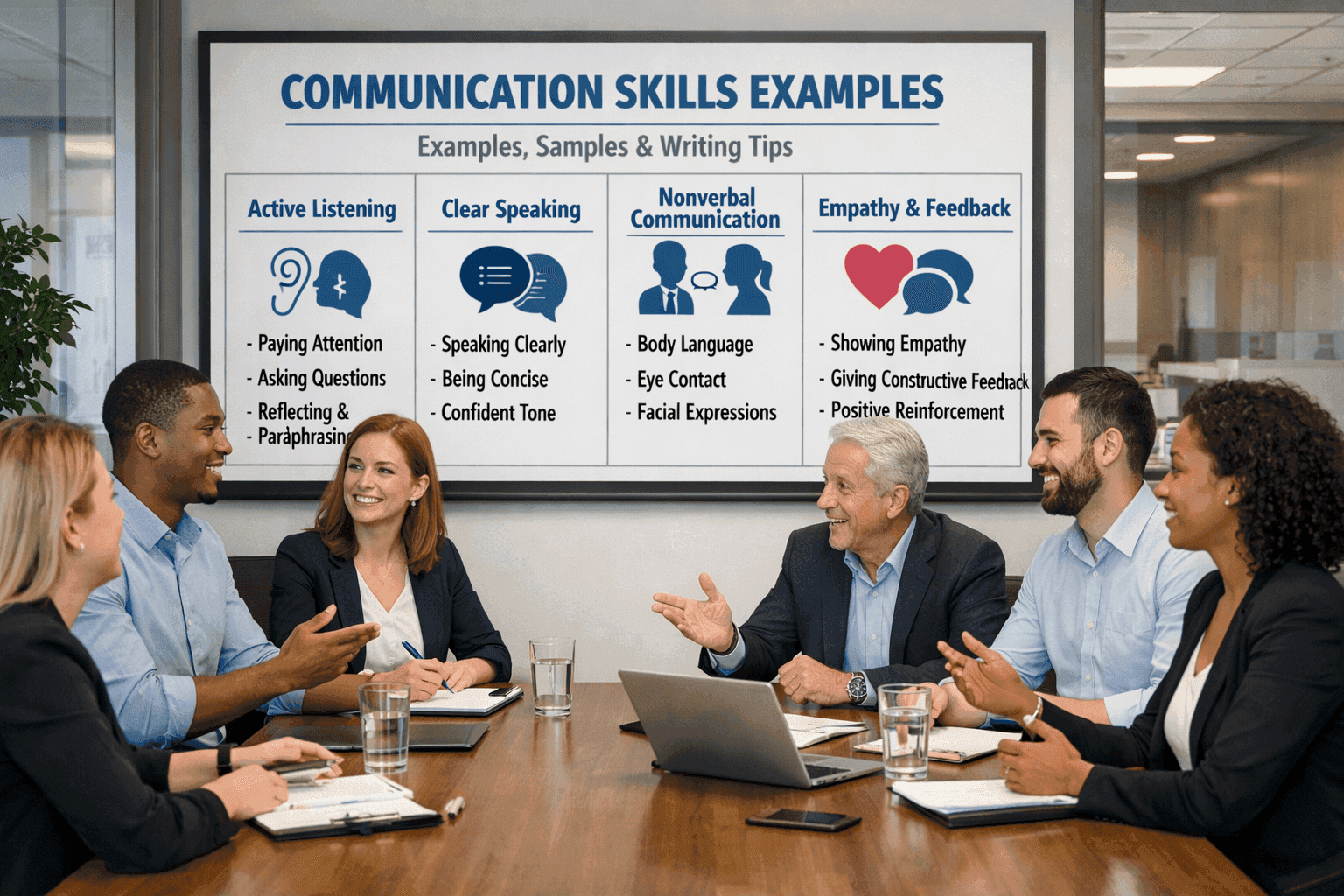
Communication Skills Examples: Examples, Samples & Writing Tips (2025)
Learn communication skills examples for resumes and interviews with writing tips, real samples, and strategies to present your skills effectively.
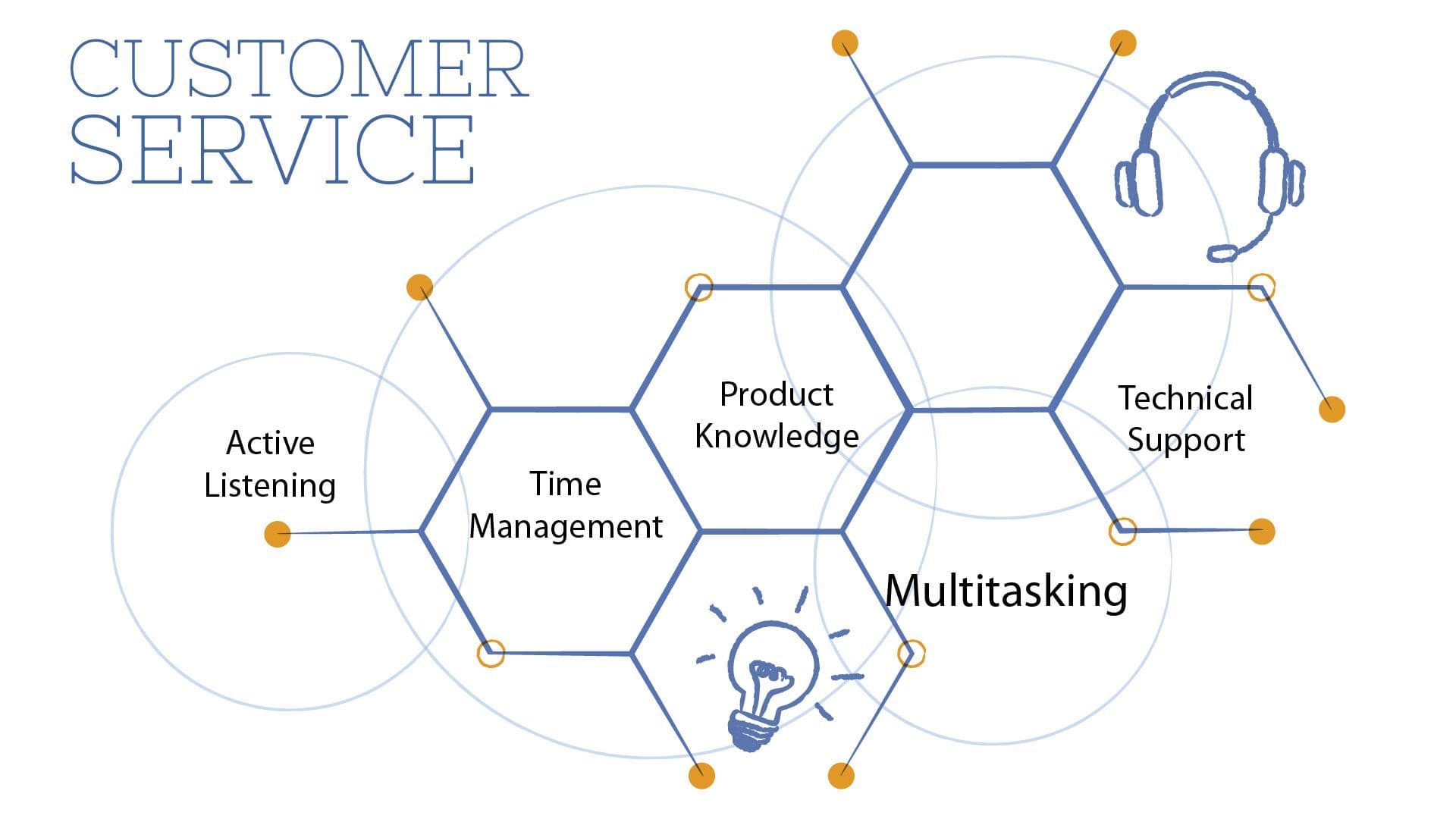
Customer Service Skills: Complete Guide (2026)
Customer service skills drive trust, satisfaction, and loyalty by combining communication, empathy, and problem-solving to deliver exceptional customer experiences in 2026.

What Are Analytical Skills: Definition, Examples & FAQs (2026)
Analytical skills are the ability to evaluate information, identify patterns, and make logical, data-driven decisions. They are essential for problem-solving, strategic thinking, and career success across all industries.
Graphic Design Skills: Complete Guide & Resume Tips (2025)
Graphic design skills blend creativity, technical expertise, and strategic thinking to produce visuals that communicate effectively across print, digital, and interactive platforms. In 2025, designers must master modern tools, understand brand communication, and adapt to emerging technologies like AI, motion design, and immersive media.
How to List References on a Resume in 2026
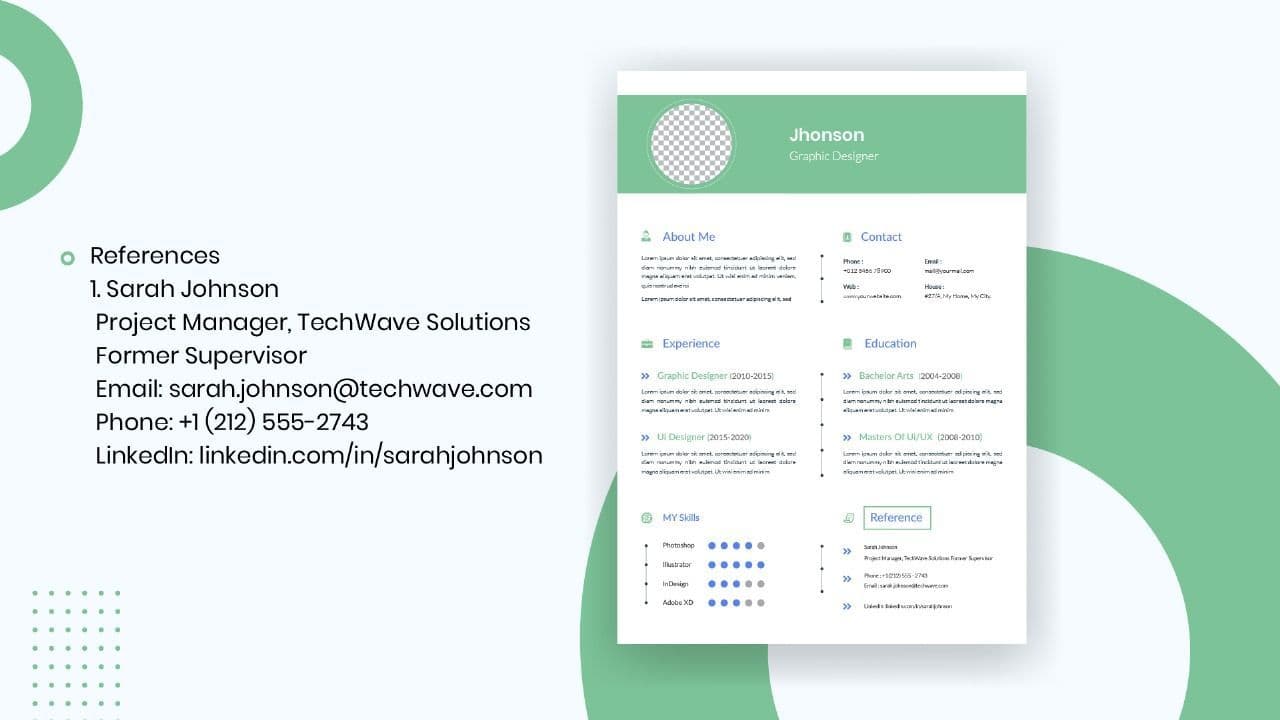
Learn the modern 2026 approach to listing references on your resume for maximum professionalism and recruiter impact.