Effective Career Objective Examples for Experienced Professionals
Discover effective career objective examples that help experienced professionals stand out on their resumes.
Overview
A strong career objective can make experienced professionals’ resumes stand out. Beyond skills and work history, it clarifies career goals, highlights achievements, and shows value to employers. This guide offers practical tips, examples across industries, and templates to craft concise, tailored objectives that engage recruiters, improve ATS compatibility, and increase your chances of landing the desired role.
A resume is often the first step toward landing a dream job. While many candidates focus on skills and work history, the career objective is equally important. For professionals with years of experience, writing an effective career objective for a resume for experienced candidates can set the tone and grab the recruiter’s attention within seconds.
Unlike fresh graduates, experienced professionals must craft objectives that reflect both their expertise and career goals. In this guide, we’ll share practical tips, strategies, and career objective examples for resumes for experienced candidates across industries.
Why a Career Objective Matters for Experienced Professionals
Even with an impressive work history, recruiters want to understand your immediate career goals. A strong career objective for experienced candidates provides:
- Clarity: It tells employers what position you’re targeting.
- Focus: It highlights your key skills aligned with the role.
- Value: It demonstrates how your experience benefits the company.
- First Impression: It engages the recruiter and encourages them to read further.
Also Read:2 Page Resume Format: Free Templates and Pro Tips
What’s the Difference Between a Career Objective and a Professional Summary?
A career objective and a professional summary are both sections at the top of your resume, but they serve different purposes and are used in different situations. Understanding the difference helps you present yourself more effectively to employers.
Career Objective:
Focuses on your career goals and what you aim to achieve.
Often used by freshers or candidates with limited experience.
Example: Recent marketing graduate seeking an entry-level role to apply digital marketing skills and grow in a dynamic organization.
Professional Summary:
Highlights your experience, achievements, and skills.
Best suited for experienced professionals who want to showcase their track record.
Example: Digital marketing specialist with 5 years of experience in SEO and content strategy, driving a 30% increase in organic traffic.
Key Differences:
| Feature | Career Objective | Professional Summary |
|---|---|---|
| Focus | Future goals | Past achievements & experience |
| Ideal for | Freshers / Limited experience | Experienced professionals |
| Length | 1–3 sentences | 3–5 sentences |
| Goal | Show motivation & potential | Showcase expertise & results |
If you’re just starting your career, a career objective tells employers what you want to achieve. If you have experience, a professional summary emphasizes what you’ve already accomplished. Choosing the right one helps your resume make a strong first impression.
Also Read:Good CV Examples for Your First Job
What’s a Good Career Objective for Someone Changing Careers?
Switching careers can feel challenging, but a strong career objective helps you highlight transferable skills and show your motivation to potential employers. It tells recruiters why you’re a great fit for a new industry, even if your previous experience is in a different field.
Tips for Writing a Career Objective for Career Changers:
Focus on Transferable Skills
Highlight skills from your previous career that are relevant to the new role.
Example: Customer service professional with strong communication and problem-solving skills, seeking to transition into project management to streamline team operations.
Show Willingness to Learn
Employers value adaptability and a growth mindset.
Example: Detail-oriented accountant aiming to leverage analytical skills in data analytics, eager to learn industry-specific tools and contribute to actionable insights.
Align With Your Career Goals
Explain your motivation for the career change and the value you can bring.
Example: Experienced teacher shifting to instructional design, combining educational expertise and creativity to develop engaging e-learning content.
Keep It Concise and Targeted
Limit your objective to 2–3 sentences and tailor it to each job application.
Sample Career Objectives for Career Changers:
Marketing professional transitioning to UX design, applying research and creative problem-solving skills to enhance user experiences.
Retail manager moving into HR, leveraging team leadership and organizational skills to support talent acquisition and employee development.
A well-crafted career objective reassures employers that your experience is relevant, your goals are clear, and you are ready to succeed in a new field.
Also Read:Best Resume Fonts to Use in 2026
How to Write the Best Career Objective for Resume for Experienced Professionals
Writing a career objective requires balance it should be concise yet powerful. Here’s how to create the best career objective for resume for experienced candidates:
Be Clear About Your Role
Mention the position or field you are applying for.
Example: Seeking a Senior Marketing Manager role to apply 10 years of expertise in brand strategy.
Highlight Achievements
Use numbers or results when possible.
Example: Experienced Sales Executive with a record of increasing revenue by 30% annually.
Show Alignment With Employer Goals
Tailor your objective to the company’s needs.
Example: To leverage my IT management skills in streamlining business operations at a growth-driven company.
Keep It Concise
Stick to 2–3 sentences max. Recruiters skim resumes, so your objective must be impactful at a glance.
What’s a Good Career Objective for a Software Developer?
A well-written career objective is crucial for a software developer’s resume. It highlights your skills, experience, and career goals, helping you stand out to recruiters and hiring managers.
What’s an ATS-Friendly Career Objective Example?
An ATS-friendly career objective is a concise, keyword-rich statement tailored to pass Applicant Tracking Systems (ATS) while still appealing to human recruiters. ATS software scans resumes for relevant skills, job titles, and industry terms, so including these strategically increases your chances of getting noticed.
Tips for Writing an ATS-Friendly Career Objective:
Include Job-Specific Keywords
Use terms from the job description to ensure your resume aligns with ATS filters.
Example: Results-driven digital marketing specialist with expertise in SEO, PPC, and content strategy, seeking to boost online engagement at XYZ Company.
Focus on Relevant Skills
Highlight abilities that match the role.
Example: Experienced software developer skilled in Java, Python, and cloud computing, aiming to contribute to scalable web applications.
Keep It Concise and Clear
A 2–3 sentence objective works best for ATS scanning and recruiter readability.
Tailor for Each Application
Customize the objective for every job to match the specific role and company needs.
Career Objective Examples for Resume for Experienced Professionals
Career Objective for IT Professionals
Results-driven Software Engineer with 8 years of experience in full-stack development, seeking to contribute innovative solutions at a leading tech firm.
Career Objective for Sales and Marketing
Dynamic Marketing Manager with over 10 years in digital campaigns and brand management, aiming to drive customer engagement and revenue growth at XYZ Company.
Career Objective for Finance Experts
Detail-oriented Financial Analyst with 7 years of experience in risk management and forecasting, looking to provide data-driven insights to support strategic decision-making.
Career Objective for Project Managers
Certified Project Manager with 12+ years overseeing cross-functional teams, eager to optimize processes and deliver successful outcomes in fast-paced environments.
Career Objective for Human Resources Professionals
HR Specialist with 9 years of experience in talent acquisition and employee engagement, aiming to foster a high-performing and inclusive workplace.
Career Objective for Healthcare Professionals
Compassionate Registered Nurse with 15 years of hospital experience, committed to providing quality patient care and supporting medical teams in achieving health outcomes.
Career Objective for Teachers and Educators
Experienced High School Teacher with a passion for innovative teaching methods, seeking to create engaging learning environments and improve student performance.
Career Objective for Engineers
Mechanical Engineer with 10 years of experience in product design and testing, looking to contribute expertise in innovative solutions for sustainable engineering.
Best Career Objective for Resume for Experienced Candidates General Templates
If you’re unsure how to begin, use these templates to build your own:
Template 1:
Experienced [Job Title] with [X] years of expertise in [Skill/Industry], seeking to contribute to [Company/Goal] through [Key Skills].
Template 2:
Results-oriented professional with proven success in [Achievement], eager to join [Company] as a [Position] to deliver [Value Proposition].
Template 3:
Dedicated [Profession] with a strong track record of [Result], aiming to leverage skills in [Skill Area] for the success of [Company/Team].
How Do I Know if My Career Objective Is Helping or Hurting My Resume?
A career objective is meant to grab attention, highlight your value, and set the tone for your resume. But if it’s poorly written, it can do more harm than good. Here’s how to evaluate whether your career objective is helping or hurting your chances.
Signs Your Career Objective Is Helping:
Clear and Concise – It states your career goal in 2–3 sentences without unnecessary filler.
Relevant to the Role – Uses keywords and skills from the job description.
Highlights Value – Shows what you bring to the employer, not just what you want.
Tailored for Each Application – Adjusted for every role instead of a generic statement.
Signs Your Career Objective Is Hurting:
Vague or Generic – Phrases like “looking for a challenging role” don’t tell recruiters anything.
Too Long – If it reads like a paragraph, recruiters may skip it.
Focuses Only on You – Failing to mention skills, contributions, or value to the company.
Misaligned With the Job – Using irrelevant skills or career goals can confuse recruiters.
Tips to Fix a Weak Career Objective:
Review the job description and include relevant keywords.
Keep it concise and results-oriented.
Focus on transferable skills and how you can help the company succeed.
Ask a mentor or use tools like Sound CV to optimize it for ATS and recruiter readability.
A well-crafted career objective can strengthen your resume and grab attention, while a vague or irrelevant one can hurt your chances. Regularly reviewing and refining it ensures your resume works in your favor.
Also Read:Resume Summary for Freshers Best Examples with tips
Tips for Writing a Strong Career Objective for Resume
Here are some quick resume tips for strengths and weaknesses (applied to career objectives):
Customize Each Objective
Don’t copy-paste. Adjust your objective for each job posting.
Focus on Employer’s Needs
Instead of just talking about what you want, emphasize what you can offer.
Include Keywords
Use industry-related terms from the job description for better ATS optimization.
Be Honest
Avoid exaggerating skills. Recruiters value authenticity.
Keep It Updated
Review and revise your objective as your career grows.
Common Mistakes to Avoid in Career Objectives
- Being Too Vague: “Looking for a challenging job” doesn’t tell employers much.
- Too Long: Avoid turning your objective into a paragraph.
- Generic Phrases: Words like “hardworking” without proof carry little weight.
- Not Tailored: One-size-fits-all objectives reduce your chances.
Conclusion
A strong career objective for a resume for experienced professionals can elevate your application and make a lasting impression. With Sound CV, you can focus on clarity, alignment with employer needs, and your proven skills to write an objective that stands out.
Remember, the best career objective for a resume for experienced candidates is concise, specific, and results-oriented. Use examples, tailor your statements to each role, and avoid generic phrases. Whether you’re in IT, finance, healthcare, or education, your objective should highlight your value and show recruiters why you’re the right fit. Craft your career objective with care, and let Sound CV help open the door to your next big opportunity.
FAQs
Frequently asked questions about this topic
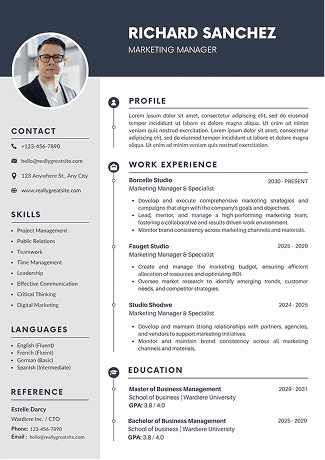
Related Blogs
Explore more insights and guides you might like.
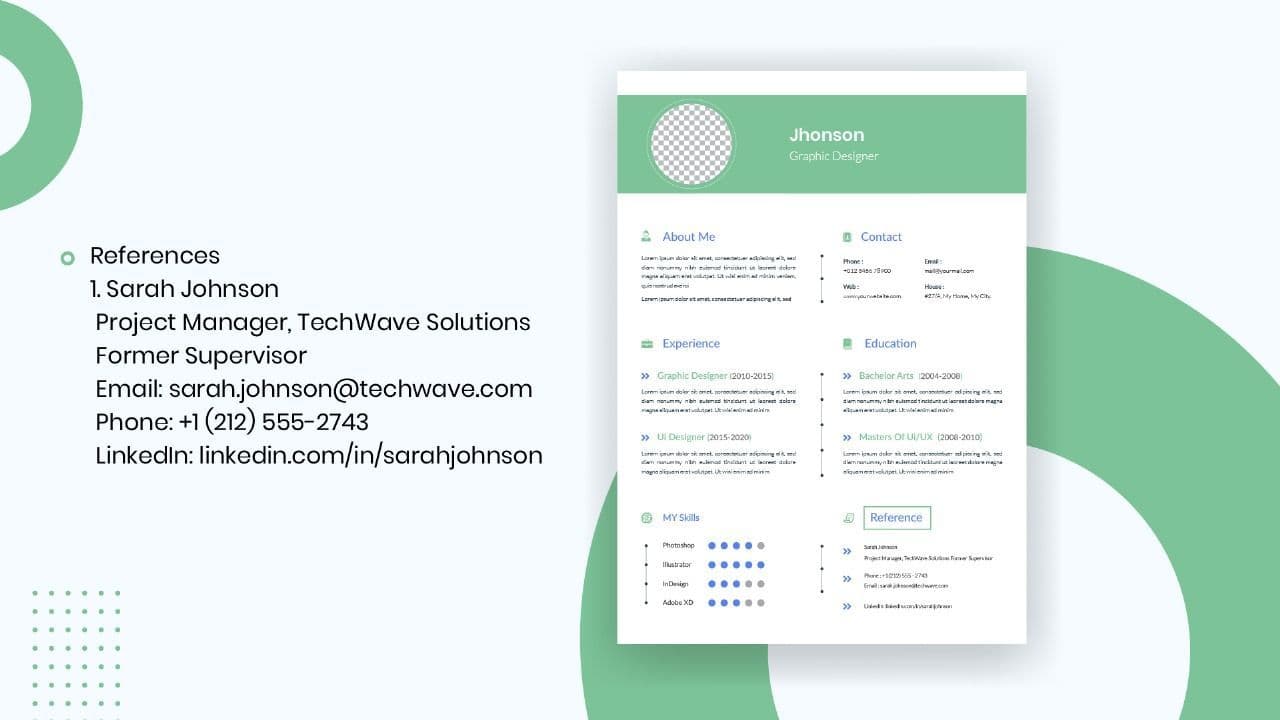
How to List References on a Resume in 2026
Learn the modern 2026 approach to listing references on your resume for maximum professionalism and recruiter impact.

Is Sound CV good for students and fresh graduates with no experience?
Sound CV is perfect for students and fresh graduates, helping them create professional resumes that highlight skills, projects, and potential even with little or no work experience.
Why Sound CV Is Different from Other AI Resume Builders
Sound CV stands out by creating job-focused, ATS-friendly resumes that highlight real achievements, not just generic content.
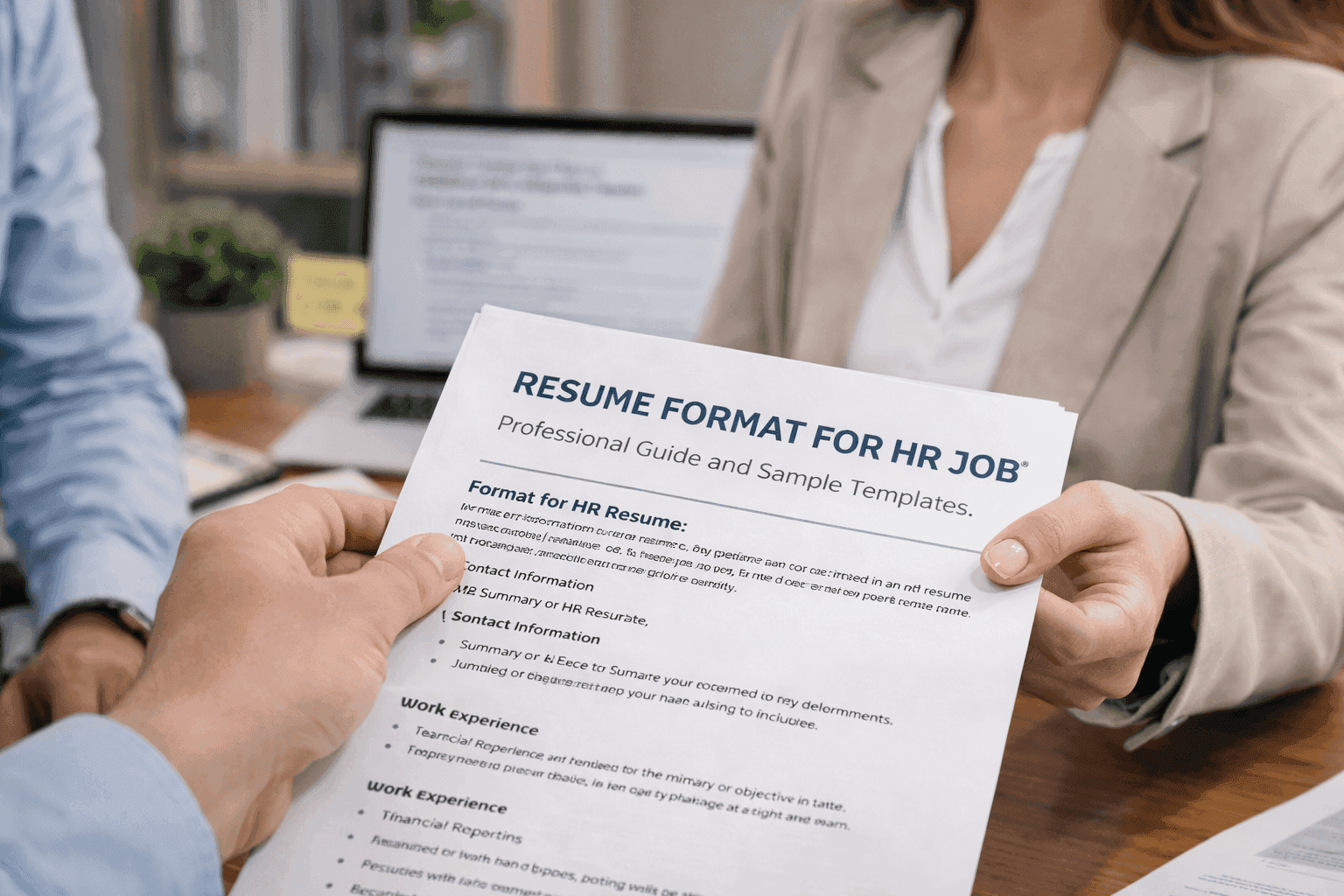
Resume Format for HR Job: Professional Guide and Sample Templates
A complete guide to the best resume format for HR jobs, with expert tips and sample templates to help you create a professional and job-ready resume.
How Does the Sound CV Resume Score Checker Work?
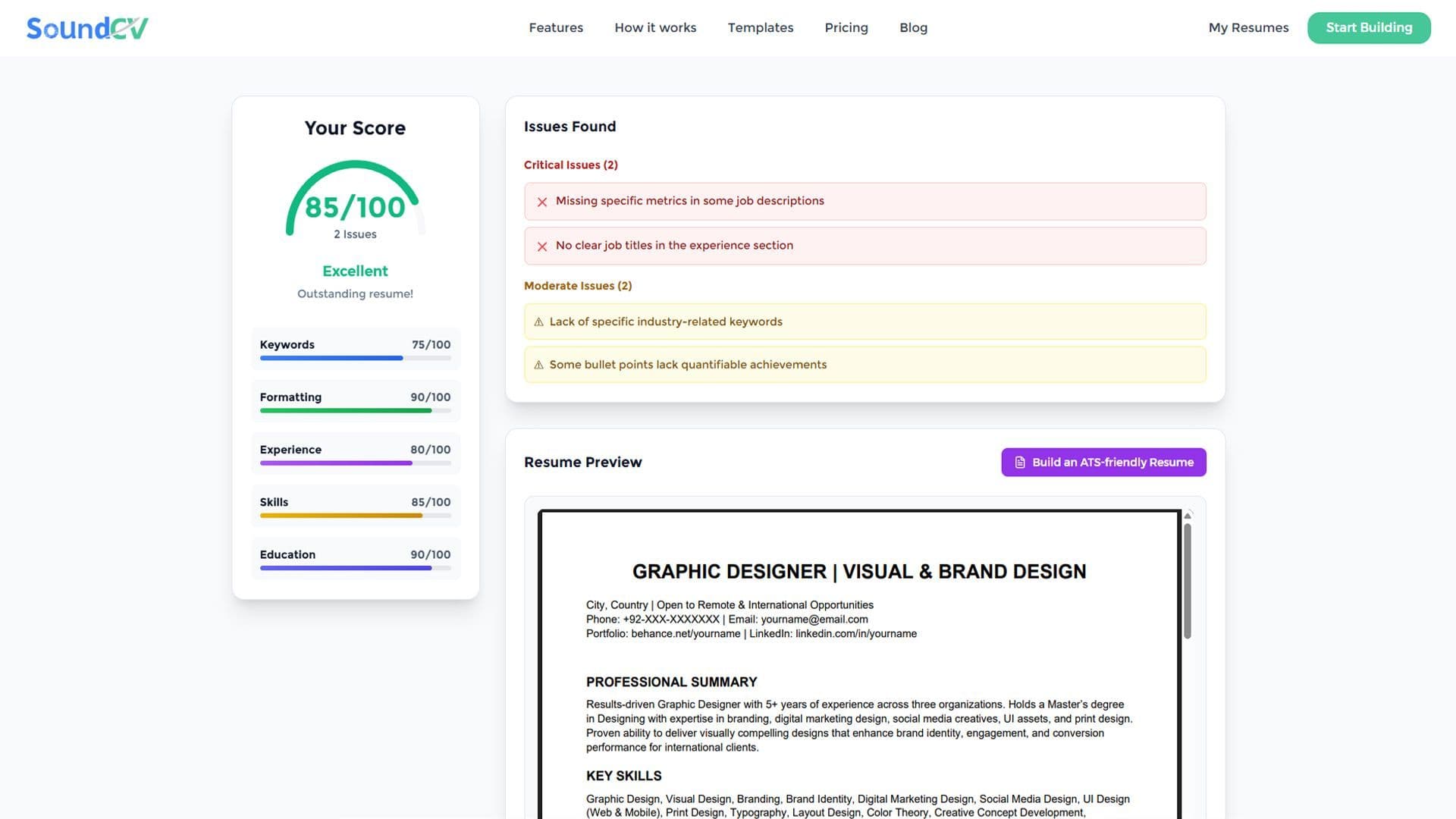
The Sound CV Resume Score Checker analyzes your resume against ATS requirements, job-specific keywords, and structure to provide an instant, actionable score.
What Is a Sound CV? Features, Benefits, and How It Works
A Sound CV is an AI-powered resume that is tailored, ATS-optimized, and designed to showcase your skills and achievements to help you stand out to recruiters.