Languages Known in CV: CV Guide with Templates & Examples (2026)
Learn how to list Languages Known in your CV the right way in 2026. This guide covers proficiency levels, examples, and ready-to-use templates to help you present your language skills professionally and make your CV stand out.
Overview
In today’s global job market, language skills have become just as important as technical abilities. Whether you're applying for a local position or aiming for an international role, adding languages known in CV can significantly strengthen your profile. Employers value candidates who can communicate across cultures, collaborate with diverse teams, and adapt to global work environments. This blog explains how to correctly list your language skills, where to place them in your CV, which formats recruiters prefer, and the common mistakes most applicants make. You’ll also find real examples, templates for 2026, and tips to ensure your resume stands out whether you’re applying in the Middle East, Europe, Asia, or the U.S.
In a globalized job market, employers value communication just as much as technical skills. Whether you’re applying for a local role or an international opportunity, mentioning your languages known in CV can give you a real advantage.
Knowing multiple languages shows cultural adaptability, emotional intelligence, and the ability to connect with a diverse team or client base. But how do you write this section correctly without cluttering your CV?
In this guide, we’ll explain how to write languages known in resume, the right format to use, common mistakes to avoid, and share sample templates for 2025 to help you stand out.
Keypoints
Adding languages known in CV boosts global job opportunities.
Shows cultural awareness, adaptability, and strong communication skills.
Helps pass ATS filters through language-based keywords.
Place languages in a dedicated section, Skills section, or Summary—depending on job relevance.
Always include proficiency levels (Fluent, Intermediate, Basic or CEFR A1–C2).
List only languages you can confidently use in professional settings.
Keep formatting clean, consistent, and easy for recruiters to scan.
Avoid common mistakes like listing too many languages or skipping proficiency levels.
Templates and examples help present language skills professionally.
Strong language skills can be a deciding factor in roles like customer service, tourism, marketing, and international business.
Why Mention Languages in Your CV?
Language proficiency is no longer just a bonus in many industries, it’s a key requirement.
Recruiters use the languages known in CV section to understand your ability to communicate with colleagues, clients, or stakeholders across regions. It also shows that you’re flexible and open to international collaboration.
Here’s why adding this section can make a difference:
Global Employability: Many companies operate across borders and value bilingual or multilingual candidates.
Professional Advantage: Certain jobs (like customer support, marketing, or tourism) require specific languages.
Soft Skill Enhancement: Language skills demonstrate cultural awareness, listening ability, and empathy all critical soft skills.
ATS Optimization: Recruiters often search CVs for language keywords, especially for global or remote positions.
Curriculum Vitae is Also Known As...
Before diving deeper, let’s clarify a common question:
The term “Curriculum Vitae” (Latin for “course of life”) is also known as a CV a detailed summary of your education, experience, and skills.
In the U.S. and Canada, a shorter version is called a Resume, while in Europe, Asia, and many other countries, Curriculum Vitae and Resume are often used interchangeably.
So, whether you’re preparing your languages known in resume or your CV, the rules for listing languages are the same clarity, accuracy, and professionalism.
Where to Add Languages in a CV
The ideal placement depends on how relevant your language skills are to the job.
Option 1: Dedicated “Languages” Section
Best for candidates applying to international or communication-heavy roles.
Add it as a separate section near “Skills” or “Additional Information.”
Example:
Languages Known:
- English — Native
- Urdu — Fluent
- Arabic — Intermediate
- French — Basic
Option 2: Under “Skills” Section
If language isn’t your main strength but still adds value, include it alongside technical or soft skills.
Example:
Skills:
- Microsoft Excel (Advanced)
- Project Management
- English (Fluent), Spanish (Conversational)
Option 3: In the Summary or Profile
If you’re applying for roles requiring strong communication skills, highlight your languages in the professional summary.
Example:
“Multilingual sales executive fluent in English, Arabic, and Hindi, with 5+ years of experience in managing international clients across the Middle East.”
How to Write Languages Known in Resume (Step-by-Step)
Here’s the right approach to writing your languages known in resume clearly and professionally:
Step 1: List Languages You’re Confident In
Only include languages you can speak, read, or write at a functional level. Avoid listing languages you’ve studied briefly but can’t use professionally.
Also Read : How to Make a CV for Internship: Step-by-Step Guide for Freshers
Step 2: Indicate Proficiency Level
Don’t just write “English” or “Spanish” specify your proficiency level. Use one of these globally recognized systems:
A. Descriptive Terms
- Native / Mother Tongue
- Fluent / Proficient
- Intermediate
- Basic / Beginner
Example:
- English — Native
- French — Intermediate
- Chinese — Basic
B. CEFR Framework (Common European Framework of Reference for Languages)
This is an international standard used widely in Europe and globally.
- A1–A2: Basic user
- B1–B2: Independent user
- C1–C2: Proficient user
Example:
- Spanish (C1 – Advanced)
- German (B2 – Upper Intermediate)
- Japanese (A2 – Elementary)
C. IELTS/TOEFL Scores (Optional)
If you’ve taken standardized tests, mention them for credibility.
Example:
- English (Fluent IELTS Band 8.0)
Step 3: Keep Formatting Consistent
Use clean bullet points or a table format no long paragraphs. Recruiters skim CVs in seconds, so make this section easy to scan.
Step 4: Prioritize Languages by Relevance
If you’re applying for a regional or international role, list the required languages first.
Example:
If applying for a role in Dubai:
- English — Fluent
- Arabic — Proficient
- Urdu — Native
Examples of Languages Known in CV
Here are practical examples to illustrate different formats based on job types and proficiency levels.
Example 1 – Administrative or Corporate Role
Languages:
- English — Native
- Arabic — Intermediate
- French — Basic
(Shows multilingual communication skills in a business environment.)
Example 2 – Customer Service or Tourism Job
Languages:
- English — Fluent
- Urdu — Fluent
- Spanish — Conversational
- German — Basic
(Highlights global communication and hospitality skills.)
Example 3 – IT or Technical Resume
Skills:
- Programming Languages: Python, Java, HTML
- Communication Languages: English (Fluent), Japanese (Basic)
(Integrates both technical and linguistic proficiencies.)
Example 4 – International Business Professional
Languages Known:
- English (C2 — Native)
- Mandarin (B2 — Upper Intermediate)
- Spanish (B1 — Conversational)
- French (A2 — Beginner)
(Perfect for global business, sales, or consulting roles.)
Writing Tips for the “Languages Known” Section
Be Honest: Don’t overstate your fluency you may be tested in interviews.
Use Recognized Labels: “Fluent” or “Proficient” sounds more professional than “Good” or “Average.”
Match Job Requirements: Tailor your CV for each application. If the job needs French, list it higher in your section.
Include Achievements: If you’ve translated content, worked abroad, or studied in another language, mention it briefly in your experience section.
Stay Consistent: Use the same style and bullet format across your CV.
Common Mistakes to Avoid
Listing too many languages: Focus on 3–5 you can actually use professionally.
Mixing dialects or informal phrasing: Write “Mandarin Chinese” or “British English” instead of “Chinese” or “English (UK).”
Forgetting proficiency level: Always specify whether you’re fluent, conversational, or beginner.
Adding irrelevant languages: If it doesn’t add value to the job, skip it.
Grammatical inconsistency: Write “Languages Known” (not “Language Known” or “Known Languages”).
CV Template Example with Languages Section
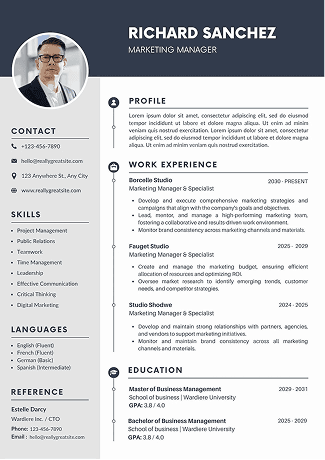
Here’s a sample CV layout that incorporates the languages known in CV section effectively:
Name: Ali Raza
Email: ali.raza@email.com
Phone: +92 300 1234567
LinkedIn: linkedin.com/in/aliraza
Professional Summary:
Multilingual business graduate fluent in English, Urdu, and Arabic, with experience in international client communication and market research across the UAE and Pakistan.
Skills:
- Business Communication
- Market Analysis
- MS Office & Excel
- CRM Software (HubSpot, Zoho)
Languages Known:
- English — Native
- Urdu — Fluent
- Arabic — Intermediate
- French — Basic
Education:
Bachelor of Business Administration – 2024
Lahore School of Economics
This languages known in CV template is clean, ATS-friendly, and ideal for international job seekers in 2025.
Bonus: When Language Skills Can Win You the Job
Language proficiency can be a game-changer in specific industries like:
- Tourism & Hospitality: Multilingual staff attract global guests.
- Customer Support: Companies hire bilingual representatives to manage diverse clients.
- Marketing & PR: Understanding local languages helps tailor campaigns effectively.
- Education & Translation: Obvious requirement for linguistic versatility.
- International Business: Enables negotiation and partnership across cultures.
When combined with professional expertise, language skills can position you as a valuable global asset.
Conclusion
Adding your languages known in CV is more than just listing words it’s a statement of your versatility and global readiness.
Whether you’re fluent in English, bilingual in Arabic and Urdu, or learning a new language, this section can set you apart in a multicultural workforce.
At Sound CV , we help professionals create modern, globally relevant resumes that highlight every skill from education to languages known in resume ensuring your first impression is unforgettable.
Ready to craft your multilingual CV?
Start today because in 2025, speaking more than one language means opening more than one door.
FAQs
Frequently asked questions about this topic
Related Blogs
Explore more insights and guides you might like.
CV vs Resume vs Biodata – The Complete Difference Guide
Learn the key differences between a CV, resume, and biodata and discover which one to use for your next job application.

Resume for Internship: How to Make a CV That Gets You Hired
Learn how to make a CV for an internship with this easy step-by-step guide. Perfect for freshers looking to create a strong first impression.

CV Font Style: CV Guide with Templates (2026) | Best Font Style for Resume
Choose the best CV font style for 2026. Improve readability, ATS compatibility, and create a professional resume that stands out instantly.

Free CV Creator Online – Build a Professional CV in Minutes
Create a professional CV online in minutes using free tools with ATS-friendly templates, easy editing, and instant download options.

How to Write an ATS Friendly Resume That Gets Interviews
Write an ATS friendly resume using the right format, keywords, and structure to pass applicant tracking systems and land more interviews.

What Is a Hybrid CV? Format, Benefits & Writing Tips (Complete Guide)
A hybrid CV combines skills and work history, helping professionals showcase strengths clearly while remaining ATS-friendly and appealing to recruiters.