Graphic Design Skills: Complete Guide & Resume Tips (2025)
Graphic design skills blend creativity, technical expertise, and strategic thinking to produce visuals that communicate effectively across print, digital, and interactive platforms. In 2025, designers must master modern tools, understand brand communication, and adapt to emerging technologies like AI, motion design, and immersive media.
Overview
Graphic design in 2025 goes beyond aesthetics it’s about purposeful storytelling, brand clarity, and user-centered experiences. Employers seek designers who combine artistic talent with digital proficiency and strong communication skills. Whether you specialize in branding, UI/UX, social media, or marketing design, showcasing the right skills on your resume is essential. This guide highlights the creative, technical, and strategic skills that define top designers today, plus tips for listing them effectively to enhance your resume’s impact.
In today’s visually driven world, good design isn’t just about creativity it’s about communication. Whether you’re designing a logo, a brand identity, or a website interface, strong graphic design skills are what turn ideas into impactful visuals.
As the industry evolves with AI tools, digital media, and immersive experiences, designers need a blend of creativity, technical expertise, and strategic thinking to stay ahead.
In this Complete Guide (2025), we’ll explore the essential graphic design skills, how to list them on your graphic design resume, and what skills employers are looking for in top designers today.
Key Points
Graphic design skills combine creativity, technical tools, and strategic thinking.
Essential skills include typography, color theory, layout, branding, and visual storytelling.
Technical skills for 2025: Adobe Suite, Figma, motion design, 3D, and AI tools.
Soft skills: communication, problem-solving, time management, adaptability.
In-demand specializations: Branding, UI/UX, Social Media Design, Marketing Design.
List skills on a resume with a skills section, measurable achievements, and portfolio links.
Emerging skills: AI-assisted design, micro-animation, inclusive & sustainable design.
What Are Graphic Design Skills?
Graphic design skills are a combination of artistic, technical, and conceptual abilities that allow designers to create visual content for print, web, and digital platforms.
These skills help communicate messages through typography, imagery, color, and layout. A skilled graphic designer can make complex ideas simple, clear, and visually engaging.
Graphic design involves three key components:
- Creativity – the imagination to bring ideas to life.
- Technology – the ability to use modern design software effectively.
- Strategy – understanding brand goals, target audiences, and communication tone.
From posters to packaging, every visual element requires these intertwined abilities.
Why Graphic Design Skills Matter in 2025
The design industry is more competitive and more rewarding than ever.
As businesses move toward digital branding, social media marketing, and immersive experiences, demand for versatile designers continues to grow.
Strong graphic design skills help you:
Create brand identities that resonate with audiences.
Collaborate effectively with marketing, UX, and development teams.
Stay relevant with evolving tools like Figma, Adobe Firefly, and AI-based software.
Build an impressive graphic designer resume that lands interviews.
Whether you’re a freelancer or a full-time designer, mastering these skills ensures your work stands out in a world full of visual noise.
Essential Graphic Design Skills for 2025
Let’s break down the top graphic designer requirements skills you’ll need to succeed grouped into creative, technical, and soft skill categories.
A. Creative & Conceptual Skills
- Creativity and Imagination
The foundation of every design. You must think beyond templates creating fresh concepts that capture attention and emotion. - Typography
Understanding fonts, spacing, and hierarchy is crucial. Great typography balances readability with aesthetics it’s where art meets clarity. - Color Theory
Color influences perception and emotion. Knowing how to use color palettes effectively can make or break your designs. - Layout and Composition
From print ads to mobile screens, layouts guide the viewer’s eye. Strong composition ensures visual balance and clear storytelling. - Branding and Visual Identity
Designers often shape how a brand looks and feels. Mastering brand consistency across logos, websites, and marketing materials builds credibility.
B. Technical & Software Skills
Modern design is digital-first meaning you need hands-on expertise with design tools.
Here are the top graphic design resume skills recruiters expect in 2025:
- Adobe Creative Suite (Photoshop, Illustrator, InDesign, XD) – still industry standard for editing, layout, and print design.
- Figma and Sketch – essential for UI/UX and collaboration-based projects.
- Canva & Affinity Designer – fast-growing tools for accessible design workflows.
- 3D and Motion Design – proficiency in tools like Blender, After Effects, or Cinema 4D adds major value.
- AI Tools for Designers – familiarity with tools like Adobe Firefly, Midjourney, or DALL·E can speed up creative ideation.
Employers also value candidates who understand file formats, print production standards, responsive design, and image optimization for the web.
C. Strategic & Soft Skills
Design isn’t just art it’s communication. These soft skills make you a stronger collaborator and problem-solver:
- Communication Skills: Articulating ideas clearly to clients or teams.
- Attention to Detail: Spotting alignment errors or color inconsistencies.
- Time Management: Meeting deadlines in fast-paced environments.
- Problem-Solving: Finding visual solutions that align with brand goals.
- Adaptability: Keeping up with emerging tools and design trends.
A perfect graphic designer skills resume balances these soft skills with technical abilities.
Top In-Demand Graphic Design Skills by Specialization
Not all graphic design jobs are the same. Here’s what to focus on based on your career path:
1. Branding & Identity Designer
- Logo design
- Typography mastery
- Brand guidelines creation
- Vector illustration
- Print and digital consistency
2. UI/UX Designer
- Wireframing and prototyping (Figma, Adobe XD)
- User experience research
- Responsive design
- Accessibility principles
- Micro-interactions and usability testing
3. Social Media Designer
- Template design and layout
- Video and motion graphics (After Effects, CapCut)
- Visual storytelling
- Platform-specific optimization (Instagram, LinkedIn, YouTube)
4. Marketing & Advertising Designer
- Ad campaign design (Google, Meta, Print)
- Visual storytelling
- Brand psychology and copy collaboration
- Data visualization and infographics
By specializing, you can tailor your graphic design resume skills to match specific employer expectations.
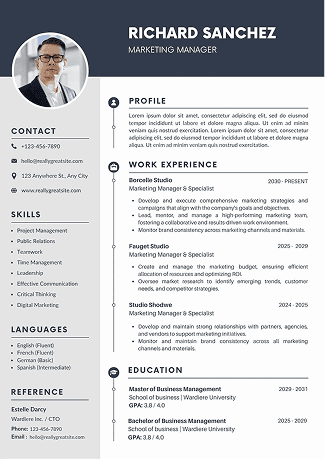
How to List Graphic Design Skills on Your Resume
Recruiters spend only a few seconds scanning resumes. A strong layout helps your skills stand out immediately.
Here’s how to write and format your graphic designer skills resume effectively:
A. Create a Dedicated “Skills” Section
List tools, technical proficiencies, and design expertise clearly:
Skills:
- Adobe Illustrator, Photoshop, InDesign (Advanced)
- Figma, Sketch (Proficient)
- Typography & Color Theory
- Branding & Logo Design
- Creative Problem-Solving
B. Integrate Skills in Work Experience
Show how you applied those skills in past roles.
Example:
- “Created branding and marketing visuals using Adobe Illustrator and InDesign, improving campaign consistency by 30%.”
- “Designed interactive prototypes in Figma to enhance user experience for mobile apps.”
C. Highlight Design Achievements
Recruiters love measurable impact.
Example:
“Developed 50+ digital assets for social campaigns, resulting in a 25% increase in audience engagement.”
This turns your skills into real outcomes showing value, not just ability.
Emerging Graphic Design Skills in 2025
Design is evolving fast. Here are the cutting-edge skills gaining traction this year:
AI-Assisted Design
Tools like Firefly, Midjourney, and Canva AI are reshaping how designers ideate and produce visuals. Understanding prompt-based creativity gives you an edge.
3D & Motion Design
With AR/VR and 3D interfaces becoming popular, motion design is a must-have for futuristic storytelling.
UI Micro-Animation
Subtle animations enhance UX skills in LottieFiles, After Effects, and Figma motion plugins are in demand.
Sustainable & Inclusive Design
Brands now expect designers to prioritize eco-conscious visuals and accessible layouts for diverse users.
Mistakes to Avoid When Listing Graphic Design Skills
Even talented designers lose opportunities by formatting skills poorly. Avoid these:
Listing only tools (without context or level).
Overstuffing with outdated software (like Flash or CorelDraw).
Ignoring soft skills like communication and collaboration.
Forgetting to link to your portfolio or Behance/Dribbble profile.
Your resume should show balance creativity, professionalism, and real-world application.
Also Read :How to Make a Cover Letter That Actually Gets Interviews
Sample Graphic Design Resume Skills Section
Here’s a professional example you can use or adapt for your own CV:
Technical Skills:
- Adobe Creative Suite (Photoshop, Illustrator, InDesign)
- Figma, Sketch, and Canva
- Typography, Layout, and Branding Design
- Motion Graphics (After Effects, Premiere Pro)
- HTML & CSS Basics
Soft Skills:
- Creativity & Innovation
- Communication & Teamwork
- Attention to Detail
- Time and Project Management
- Client Collaboration
This layout is clean, ATS-friendly, and recruiter-approved for 2025.
How to Improve Your Graphic Design Skills
To keep your design abilities sharp and future-ready:
- Take advanced online courses (Coursera, Skillshare, Domestika).
- Follow design leaders and trend platforms like Behance, Dribbble, and Awwwards.
- Experiment with personal projects and new software.
- Join design communities for feedback and collaboration.
Remember: design trends evolve your skills should too.
Conclusion
Strong graphic design skills are more than technical proficiency they’re about storytelling, strategy, and emotion.
By combining creativity with technology, you can shape how brands communicate in a world overflowing with visuals.
From mastering graphic design resume skills like Adobe Creative Suite and branding, to building soft skills like problem-solving and collaboration, your growth as a designer never stops.
At Sound CV , we help creative professionals craft modern, visually appealing resumes that highlight their graphic designer requirements skills and land them top opportunities in 2025.
FAQs
Frequently asked questions about this topic
Related Blogs
Explore more insights and guides you might like.
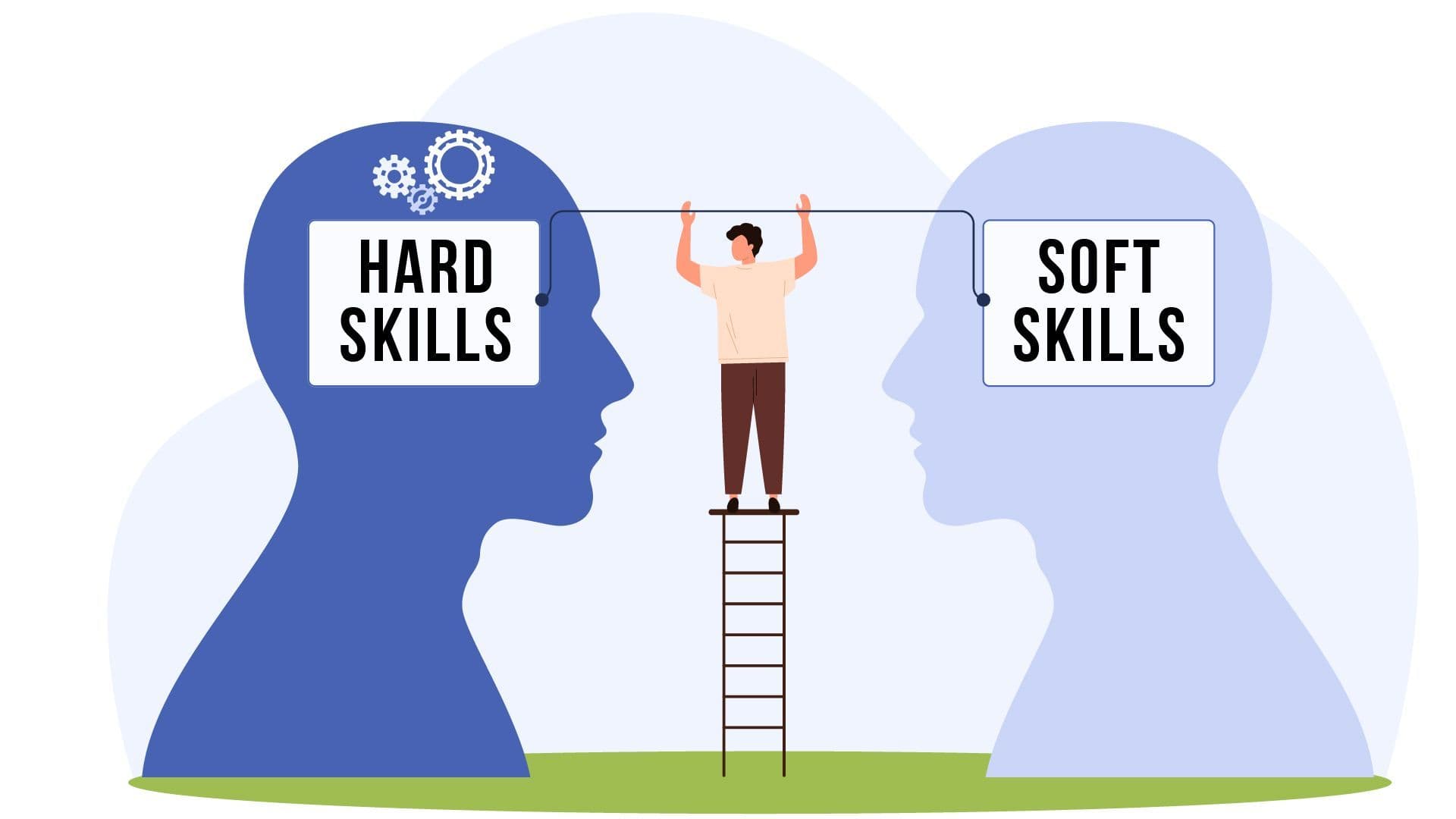
Hard Skills vs Soft Skills: Key Differences, Examples & Use Cases (2025)
Hard skills and soft skills play equally important roles in career success. While hard skills demonstrate your technical expertise and job readiness, soft skills reflect how effectively you work with others, solve problems, and adapt to change. This guide explains the key differences between hard skills vs soft skills, provides real-world examples, and shows how to highlight both on your resume to stand out in today’s competitive job market.
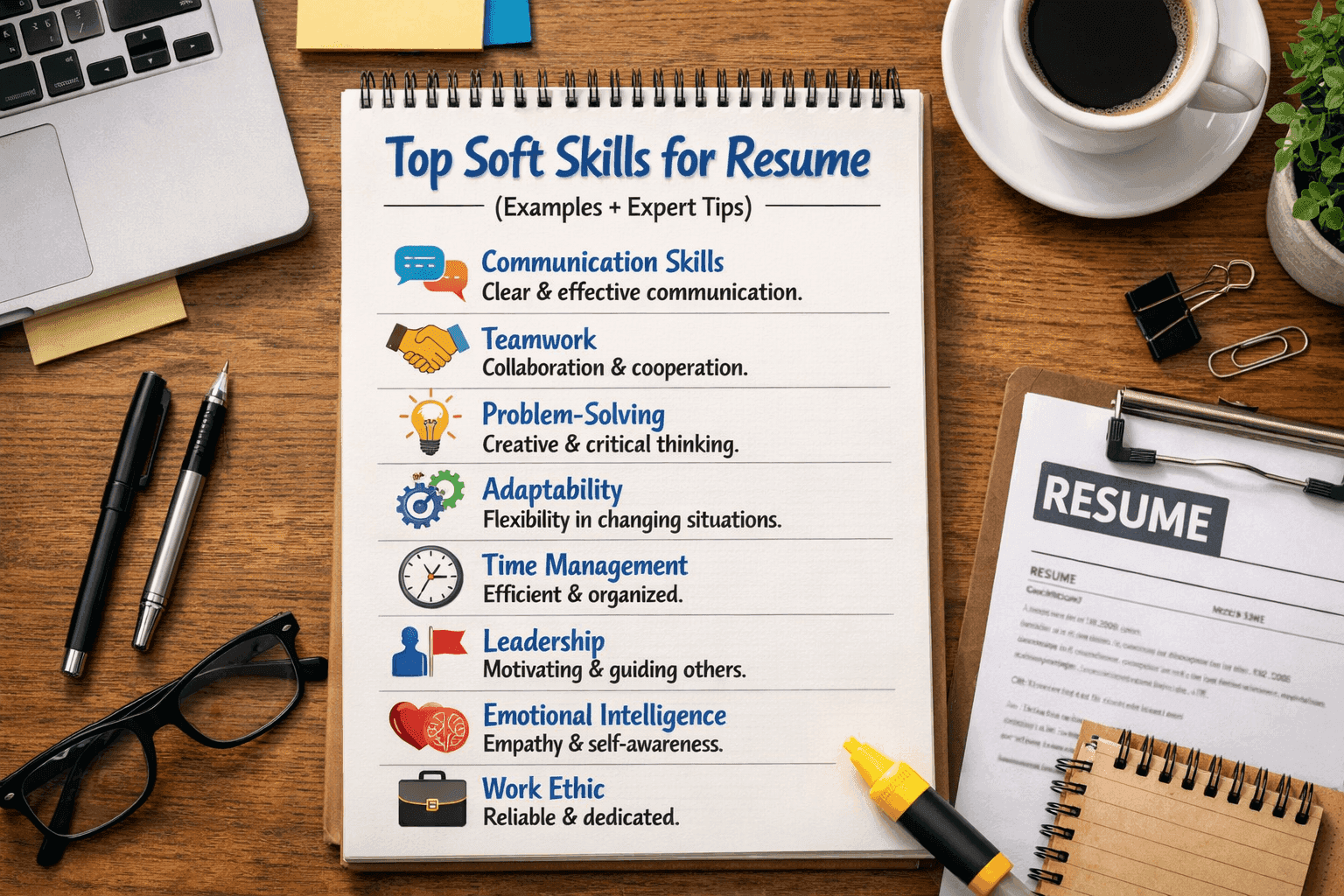
Top Soft Skills for Resume in 2026 (Examples + Expert Tips)
Learn the best soft skills for resume success in 2026 with examples, expert tips, and proven strategies to stand out.
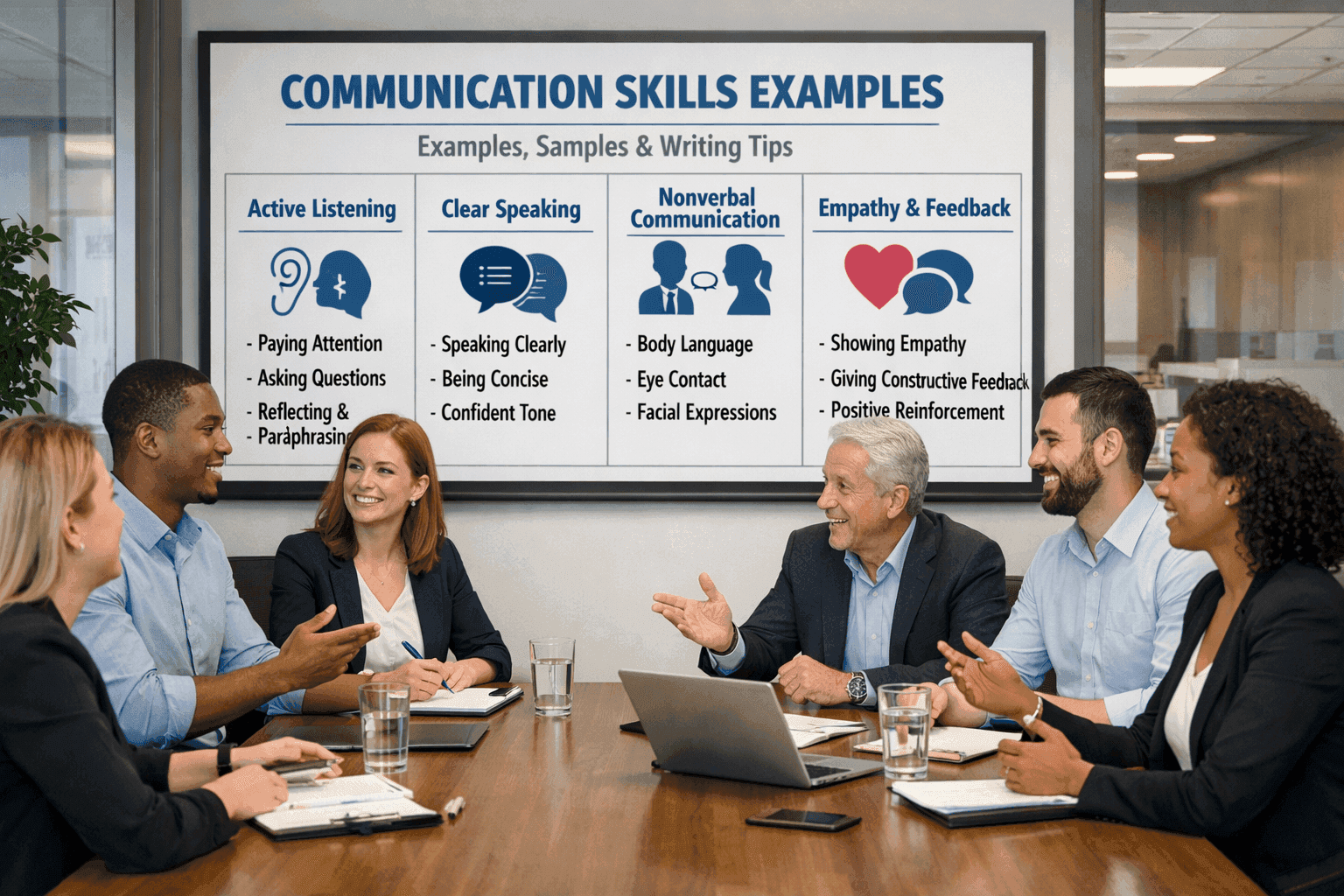
Communication Skills Examples: Examples, Samples & Writing Tips (2025)
Learn communication skills examples for resumes and interviews with writing tips, real samples, and strategies to present your skills effectively.
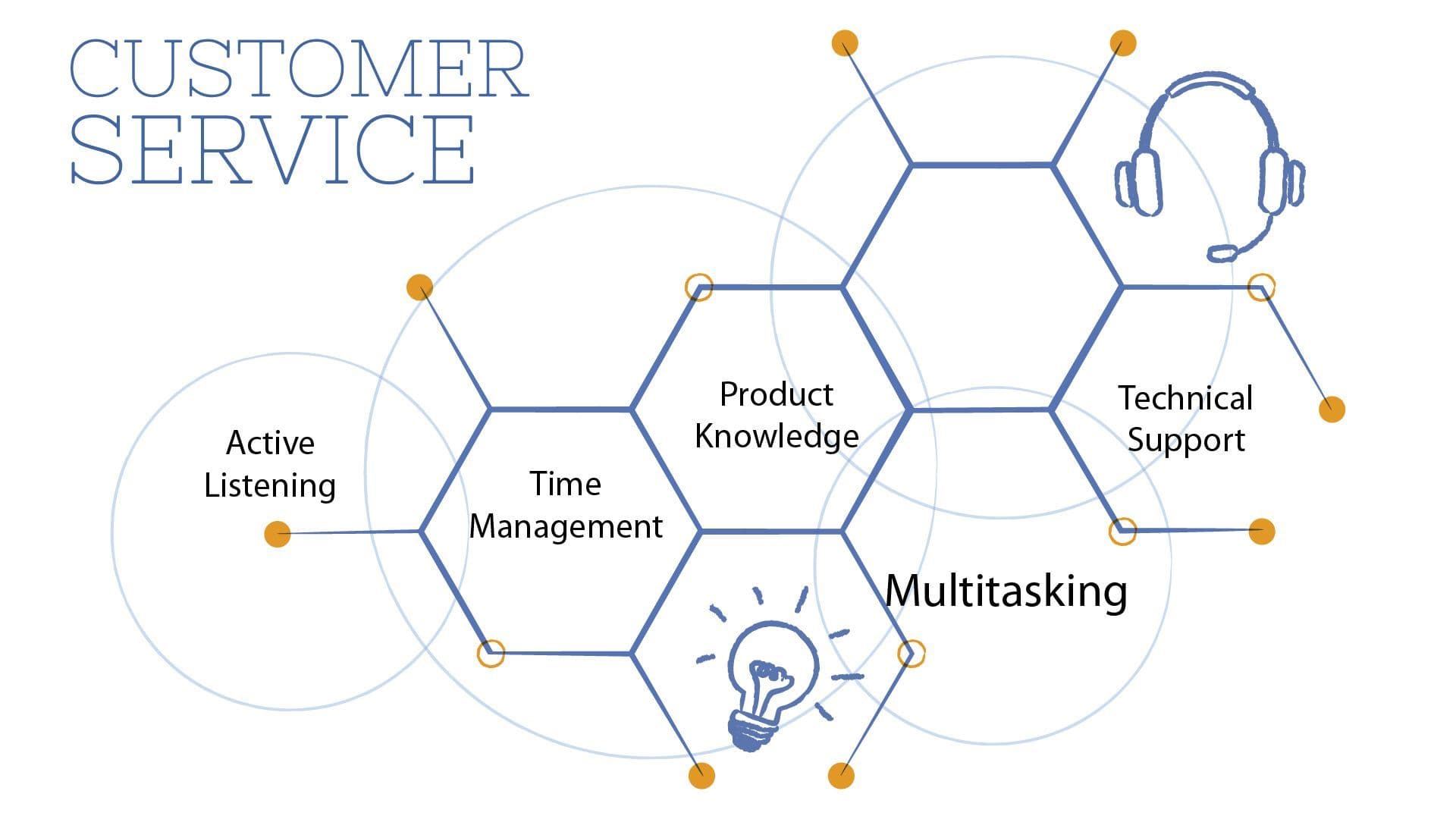
Customer Service Skills: Complete Guide (2026)
Customer service skills drive trust, satisfaction, and loyalty by combining communication, empathy, and problem-solving to deliver exceptional customer experiences in 2026.

What Are Analytical Skills: Definition, Examples & FAQs (2026)
Analytical skills are the ability to evaluate information, identify patterns, and make logical, data-driven decisions. They are essential for problem-solving, strategic thinking, and career success across all industries.
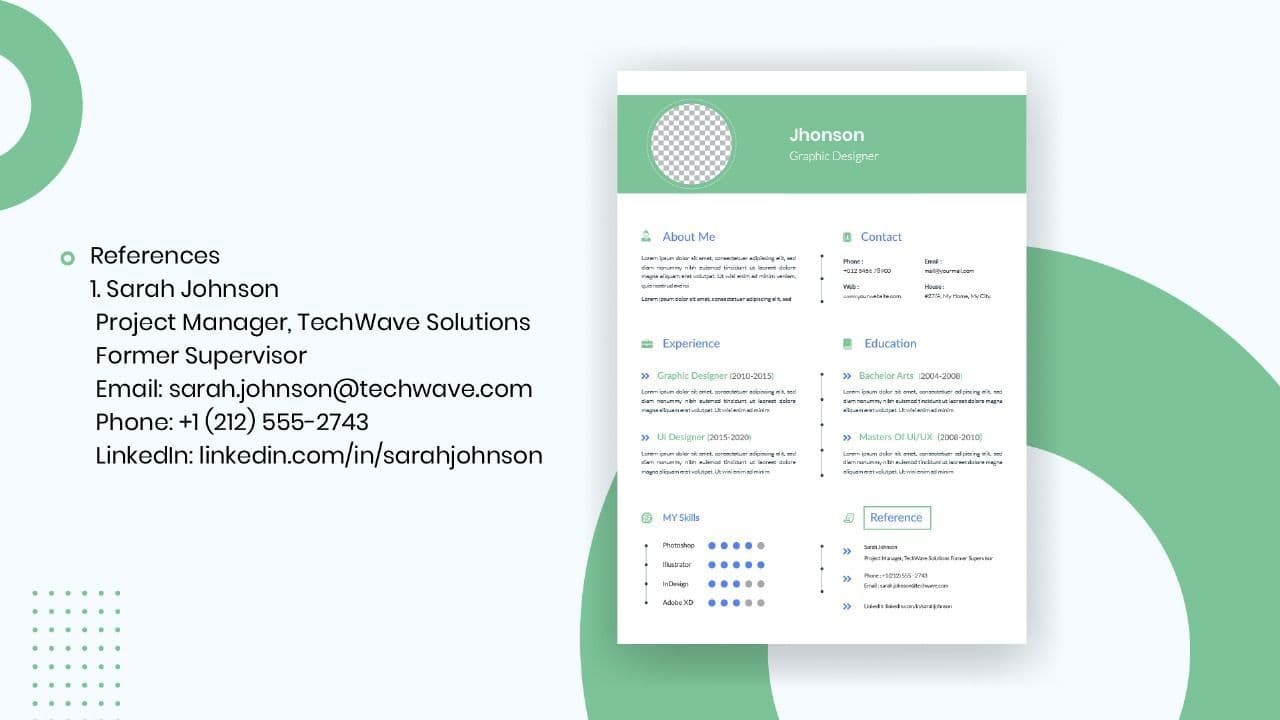
How to List References on a Resume in 2026
Learn the modern 2026 approach to listing references on your resume for maximum professionalism and recruiter impact.